If you ask me, baked pork tenderloin is one of those no-fail dishes that always hits the spot.
This lean cut of meat turns out juicy and tender when cooked just right, making it perfect for both weeknight dinners and special occasions. The outside develops a nice golden crust while the inside stays moist and flavorful.
It’s seasoned with a simple blend of herbs and spices that most of us already have in our pantry, then roasted until it’s cooked through but still nice and juicy. A quick rest after cooking lets all those good flavors settle in.
It’s a fuss-free main course that pairs well with just about any side dish, making it my go-to choice when I want something reliable and satisfying.
Why You’ll Love This Pork Tenderloin
- Quick weeknight dinner – Ready in under an hour, this pork tenderloin fits perfectly into your busy schedule when you need a satisfying meal without spending hours in the kitchen.
- Basic pantry ingredients – The seasoning blend uses common spices you likely already have in your spice rack, so no special shopping trip needed.
- Foolproof preparation – Just mix the seasonings, rub them on the meat, and pop it in the oven – it’s really that simple to get juicy, flavorful pork every time.
- Great for meal prep – Make extra and enjoy tender sliced pork in sandwiches, salads, or grain bowls throughout the week – it stays moist and tasty even when reheated.
What Kind of Pork Tenderloin Should I Use?
When shopping for pork tenderloin, look for pieces that are pinkish-gray in color and have a small amount of marbling throughout. Regular pork tenderloin (not pre-seasoned or marinated) is your best bet for this recipe since we’re adding our own seasoning blend. You’ll find these typically weigh about 1 pound each, which is perfect for this recipe – and if your package contains two tenderloins, that’s exactly what you need. Just make sure you’re actually getting tenderloin and not pork loin, which is a different, larger cut that requires different cooking times. For the best results, choose tenderloins that are uniform in thickness, which helps ensure even cooking from end to end.
Options for Substitutions
Let me share some helpful substitution tips for this pork tenderloin recipe:
- Pork tenderloin: While pork tenderloin gives the best results for this recipe, you could use pork loin – just note that you’ll need to adjust cooking time as pork loin is thicker. Add about 20-25 minutes to the cooking time.
- Brown sugar: You can swap brown sugar with honey or maple syrup – use the same amount. If using honey, brush it on during the last 10 minutes of cooking to prevent burning.
- Smoked paprika: Regular paprika works fine here, though you’ll miss some of that smoky flavor. You could add 1/4 teaspoon of cumin to regular paprika to get a bit of that smokiness back.
- Mixed Italian herbs: Don’t have the mix? Use any combination of dried oregano, basil, and thyme – about 1/3 teaspoon of each will do the trick.
- Butter: You can use olive oil instead of butter, or even try ghee. Use the same amount as called for in the recipe.
- Parsley: Since it’s optional, you can skip it or use other fresh herbs like cilantro or chives for garnish.
Watch Out for These Mistakes While Cooking
The biggest mistake when cooking pork tenderloin is overcooking it, which can turn this naturally lean cut into a dry, tough disappointment – use a meat thermometer and remove the pork from the oven when it reaches 145°F (it will continue cooking while resting). Another common error is not letting the meat come to room temperature before cooking, so take it out of the fridge 30 minutes before you start, which helps ensure even cooking throughout. Skipping the resting period is a third mistake to avoid – always let your tenderloin rest for 5-10 minutes after cooking, covered loosely with foil, allowing the juices to redistribute throughout the meat. For the best flavor and texture, remember to pat the meat dry before adding your seasonings, and don’t forget to give it a quick sear in a hot pan before transferring to the oven – this creates a delicious crust while sealing in the juices.
What to Serve With Baked Pork Tenderloin?
This juicy pork tenderloin pairs perfectly with classic comfort food sides that can soak up all those tasty pan drippings. Mashed potatoes or roasted sweet potatoes are my go-to choices, but rice pilaf works great too. For vegetables, I like to add some roasted Brussels sprouts, green beans, or asparagus right on the same pan during the last 15-20 minutes of cooking – this way they pick up all those good flavors from the pork. If you want to keep things super simple, a fresh green salad with a light vinaigrette and some dinner rolls on the side will round out your meal nicely.
Storage Instructions
Keep Fresh: Let your baked pork tenderloin cool down completely, then wrap it tightly in aluminum foil or place it in an airtight container. It’ll stay good in the fridge for up to 4 days. The leftovers make amazing sandwiches or can be sliced thin for salads!
Freeze: This pork freezes really well! Cut it into portions, wrap tightly in plastic wrap, then place in a freezer bag with the air squeezed out. It’ll keep its quality for up to 3 months in the freezer. Just remember to label it with the date!
Reheat: To keep the meat juicy when reheating, wrap it in foil and warm it in the oven at 325°F for about 20-25 minutes. You can also slice it before reheating – it’ll warm up faster and more evenly. If you’re in a hurry, microwave it in 30-second intervals, but be careful not to overcook it or it might get tough.
| Preparation Time | 15-20 minutes |
| Cooking Time | 25-30 minutes |
| Total Time | 40-50 minutes |
| Level of Difficulty | Easy |
Estimated Nutrition
Estimated nutrition for the whole recipe (without optional ingredients):
- Calories: 2000-2200
- Protein: 160-180 g
- Fat: 130-150 g
- Carbohydrates: 10-15 g
Ingredients
For the pork:
- 2 pork tenderloins (about 1 lb each, room temperature for even cooking)
For the spice rub:
- 1 tsp chili powder (adds subtle heat and warmth)
- 1/4 tsp black pepper (freshly ground preferred)
- 1 tsp mixed Italian herbs
- 1 tsp onion powder
- 2 tbsp brown sugar (packed)
- 1 tsp smoked paprika (for depth and color)
- 1 tsp salt
- 1 tsp garlic powder
For the topping and garnish:
- chopped parsley (optional, adds fresh color and brightness)
- 1/4 cup butter (I use Kerrygold unsalted, sliced into pats)
Step 1: Prepare the Pork and Mise en Place
- 2 pork tenderloins
Remove the pork tenderloins from the refrigerator and let them sit at room temperature for about 15 minutes—this ensures even cooking throughout.
While they warm up, trim any excess surface fat and pat the meat completely dry with paper towels; moisture is the enemy of a good sear and spice crust.
Preheat your oven to 400°F so it reaches temperature by the time you’re ready to bake.
Step 2: Build the Spice Rub
- 2 tbsp brown sugar
- 1 tsp smoked paprika
- 1 tsp garlic powder
- 1 tsp onion powder
- 1 tsp chili powder
- 1 tsp mixed Italian herbs
- 1 tsp salt
- 1/4 tsp black pepper
In a small bowl, combine all the dry seasonings: brown sugar, smoked paprika, garlic powder, onion powder, chili powder, Italian herbs, salt, and black pepper.
Stir well to ensure the brown sugar is evenly distributed throughout the mixture.
I like to break up any clumps of brown sugar with the back of a spoon so the rub applies smoothly and cooks evenly on the meat.
Step 3: Season the Pork and Sear
- spice rub from Step 2
- 1/4 cup butter
Generously rub the spice mixture from Step 2 all over both pork tenderloins, working it into all sides and crevices.
Place the seasoned pork in a baking dish or cast-iron skillet.
Top each tenderloin with sliced pats of butter distributed evenly across the surface.
I find that using quality butter like Kerrygold makes a noticeable difference in the final flavor and the richness of the pan juices.
Step 4: Bake Until Perfect Doneness
Place the baking dish in the preheated 400°F oven and bake for 20–25 minutes, depending on the thickness of your tenderloins.
Check the internal temperature with a meat thermometer inserted into the thickest part of each tenderloin—they’re done when they reach 145°F, which yields a perfectly juicy, slightly pink center.
Avoid overcooking, as pork tenderloin can dry out quickly once it passes 150°F.
Step 5: Rest and Build Carryover Flavor
Remove the pork from the oven and transfer it to a cutting board.
Let the tenderloins rest for 5–10 minutes before slicing; this allows the juices to redistribute throughout the meat, keeping each bite moist and tender.
While the pork rests, the pan juices will concentrate slightly in the dish, creating a delicious natural sauce.
Step 6: Slice and Plate with Pan Juices
- pork tenderloins from Step 4
- chopped parsley
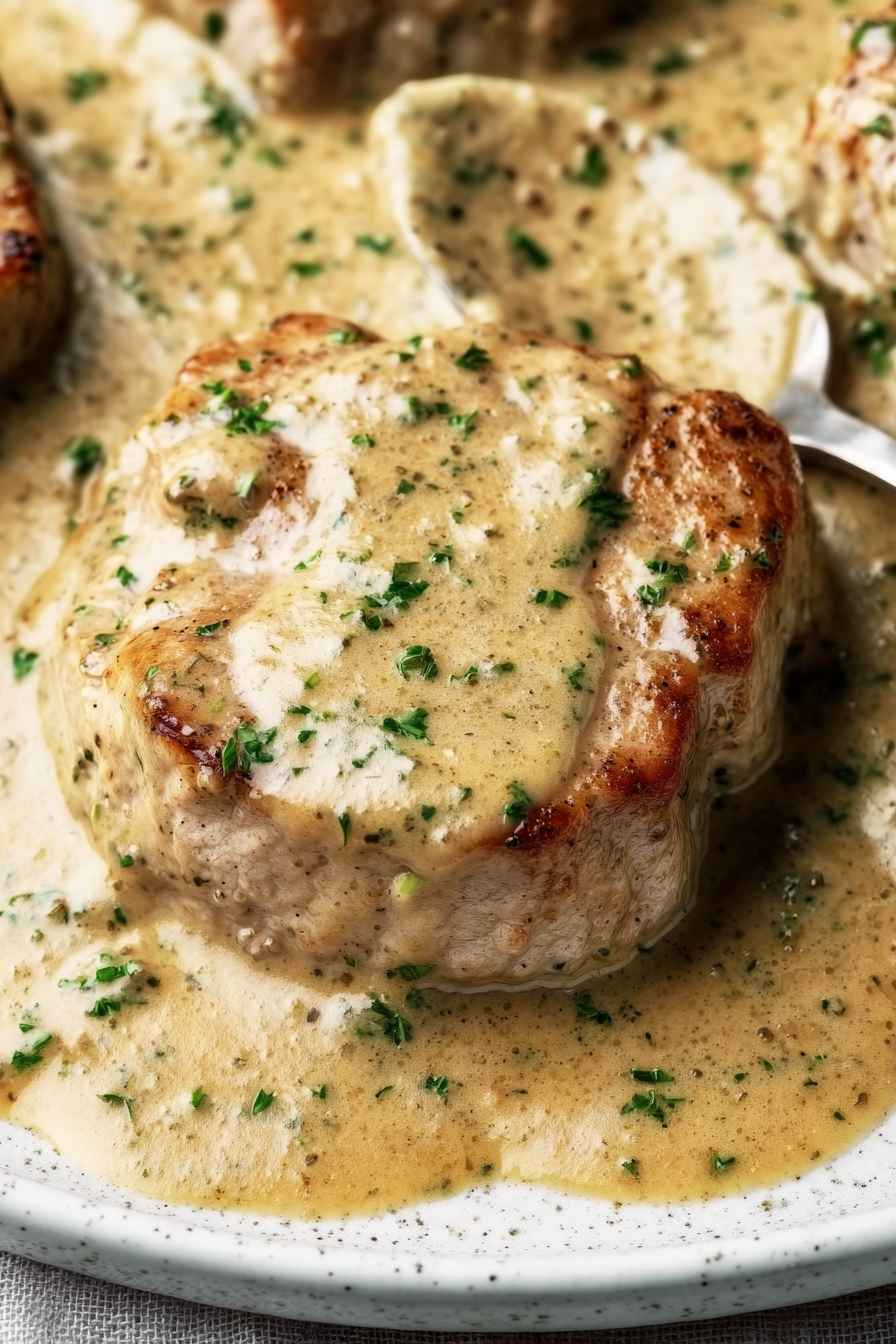
Slice the rested pork tenderloins into ½-inch thick medallions, arranging them on a serving platter or individual plates.
Pour the accumulated pan juices—now enriched with melted butter and rendered pork flavor—over the sliced pork.
Garnish with fresh chopped parsley if desired for a pop of color and brightness that contrasts beautifully with the warm spices.