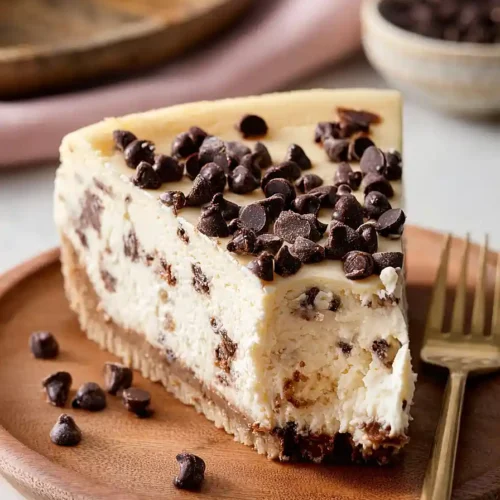
Creamy High Protein Cheesecake
Delicious Creamy High Protein Cheesecake recipe with step-by-step instructions.
Ingredients
- 26 oz cream cheese (softened to room temperature)
- 2 cups yogurt (I use Fage Total 0% Plain Greek Yogurt)
- 1/2 cup protein powder (vanilla flavored or unflavored)
- 3/4 cup sweetener
- 3 tsp vanilla extract
- 1/4 tsp salt
Instructions
- Preheat your oven to 350°F and position one rack in the lower third and another in the center. Fill a larger roasting pan or baking dish with water until it's about two-thirds full, then carefully place it on the lower rack. This water bath will create steam during baking, which keeps the cheesecake moist and prevents cracking—a crucial step for a creamy texture.
- While the oven preheats, prepare your 9-inch springform pan with a crust of your choice (graham cracker crust is traditional). Press it firmly and evenly into the bottom of the pan, then set aside. If you prefer a crustless cheesecake, you can skip this step and simply grease the pan lightly.
- In a large bowl, combine the softened cream cheese, Greek yogurt, protein powder, sweetener, vanilla extract, and salt. Using an electric mixer on medium speed, beat for 2-3 minutes until the mixture is completely smooth and creamy with no lumps. I like to scrape down the sides of the bowl halfway through to ensure everything is evenly incorporated. Avoid overbeating, as this can incorporate too much air and cause cracks.
- Spread the filling mixture evenly into the prepared springform pan, smoothing the top with a spatula. Place the pan on the center rack of your preheated oven, directly above the water bath. Bake for 30 minutes until the edges are set but the center still has a slight jiggle when gently shaken—this indicates the cheesecake is cooked perfectly without being overdone.
- Turn off the oven and crack the door open about 2 inches. Let the cheesecake sit in the warm oven for 5 minutes. I always do this gentle cooling step because it allows the internal temperature to decrease gradually, which prevents the sudden temperature shock that causes cracks to form on the surface.
- Remove the cheesecake from the oven and place it on the counter to cool completely, about 1-2 hours. Once cooled to room temperature, refrigerate for at least 4 hours or overnight before serving. This resting time allows the filling to set properly and develop its full creamy texture.