There’s nothing quite like biting into perfectly crispy fried chicken. The crunch, the juicy meat inside, the way it makes everyone at the dinner table happy. But when gluten became an issue in our house, I thought those days were over. I was wrong, and I’m so glad about that.
It took me a while to figure out the right combination of flours and seasonings. I tried rice flour, almond flour, and even potato starch. Some attempts were too gritty, others fell right off the chicken. But once I cracked the code, this gluten-free version became even more popular than my old recipe.
The secret isn’t just in the flour blend. It’s in the technique too. Double-dredging, the right oil temperature, and letting the coating rest for a few minutes before frying. These little steps make all the difference between soggy disappointment and crispy perfection.

Why You’ll Love This Gluten-Free Fried Chicken
- Gluten-free without sacrificing flavor – You won’t even miss the regular flour – this coating gets just as crispy and golden as traditional fried chicken, making it perfect for anyone avoiding gluten.
- Crispy, seasoned coating – The blend of herbs and spices creates a flavorful crust that’s packed with garlic, onion, and aromatic herbs that make every bite delicious.
- Dairy-free friendly – You can easily swap the milk for almond, cashew, or coconut milk, making this recipe work for multiple dietary needs without changing the taste.
- Classic comfort food – This recipe delivers all the satisfaction of traditional fried chicken – juicy meat with a perfectly crunchy exterior that the whole family will love.
What Kind of Chicken Should I Use?
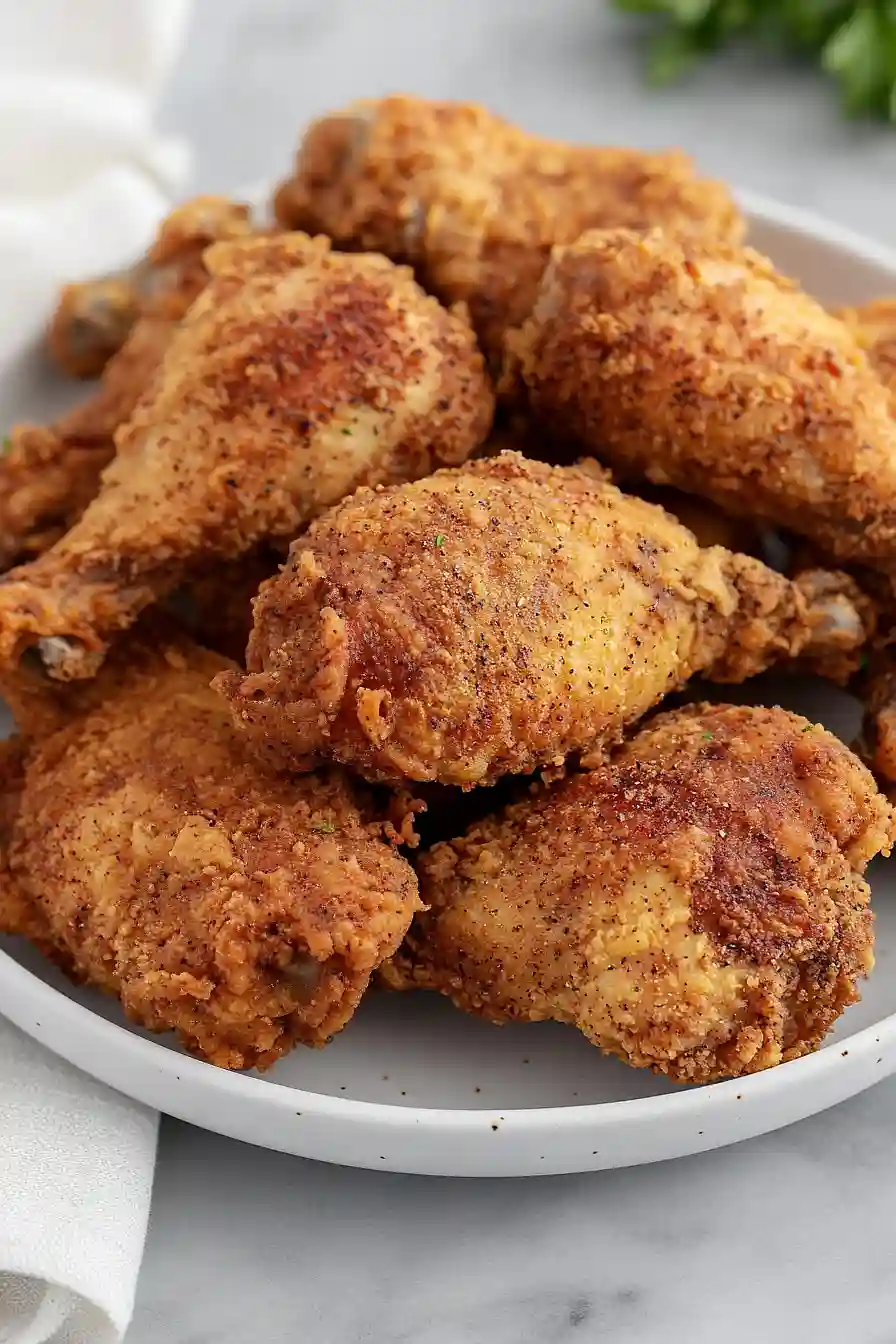
For the best gluten-free fried chicken, I recommend using a mix of thighs and drumsticks like this recipe calls for, since dark meat stays juicier and more flavorful than white meat during frying. You can definitely use all thighs or all drumsticks if you prefer one over the other, or even substitute with chicken wings for a party-friendly option. If you want to use chicken breasts, just keep in mind they cook faster and can dry out more easily, so you’ll need to watch your cooking time closely. Fresh chicken works best, but if you’re using frozen, make sure it’s completely thawed and patted dry before starting your buttermilk soak.
Options for Substitutions
This gluten-free fried chicken recipe has some room for swaps, but a few ingredients are pretty important to keep:
- Gluten-free flour: This is the star of the show for keeping things gluten-free, so don’t substitute this one! Different brands work differently, so stick with a good all-purpose blend like Bob’s Red Mill or King Arthur.
- Cornstarch: You can swap this with potato starch or arrowroot powder in equal amounts. Both will give you that crispy coating you’re after.
- Milk: Any milk works here – whole milk, buttermilk, or the dairy-free options mentioned. If using buttermilk, skip the vinegar since it’s already acidic.
- Chicken pieces: Feel free to use all thighs, all drumsticks, or even chicken breasts cut into strips. Just adjust cooking time – breasts cook faster than dark meat.
- Dried herbs: Mix and match these based on what you have. Italian seasoning can replace the thyme, oregano, and basil combo, or try poultry seasoning for a different flavor.
- Frying oil: Peanut oil is great, but vegetable oil, canola oil, or even avocado oil work well too. Just make sure whatever you use can handle high heat.
Watch Out for These Mistakes While Cooking
The biggest mistake when making gluten-free fried chicken is not letting the chicken marinate in the buttermilk mixture for at least 2 hours – this step is crucial since gluten-free flour doesn’t stick as well as regular flour, and the longer marinating time helps create that crispy coating we all love.
Another common error is frying at the wrong temperature; keep your oil between 325-350°F because gluten-free flour browns faster than regular flour, so you’ll end up with burnt coating and raw chicken if the heat is too high.
Don’t skip the resting period after coating – let your chicken sit for 10-15 minutes before frying so the coating can set properly, and always use a meat thermometer to ensure the internal temperature reaches 165°F since dark meat takes longer to cook through.
Finally, avoid overcrowding the pan, which drops the oil temperature and results in greasy, soggy chicken instead of that perfect golden crust.
What to Serve With Gluten-Free Fried Chicken?
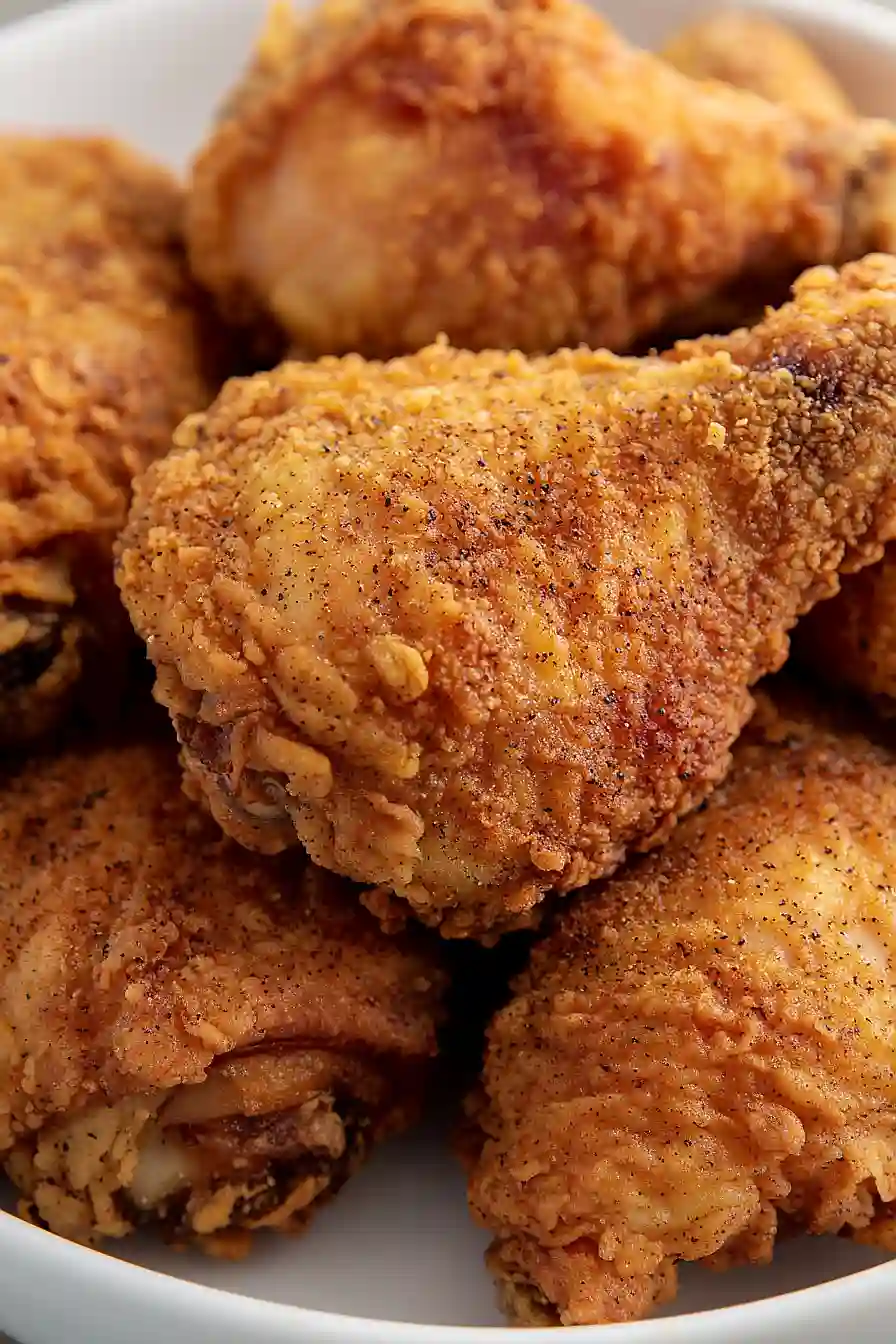
This crispy gluten-free fried chicken pairs perfectly with classic Southern sides like creamy mashed potatoes, coleslaw, and buttery corn on the cob. I love serving it with mac and cheese (use gluten-free pasta, of course!) and some fluffy biscuits made with gluten-free flour for the full comfort food experience. For something a bit lighter, try it alongside a fresh garden salad or some roasted vegetables like green beans or Brussels sprouts. Don’t forget the honey or hot sauce for drizzling – it takes this crispy chicken to the next level!
Storage Instructions
Refrigerate: Leftover fried chicken keeps well in the fridge for up to 4 days when stored in an airtight container or wrapped tightly in foil. I like to place a paper towel in the container to absorb any extra moisture and keep the coating from getting too soggy.
Freeze: You can freeze cooked fried chicken for up to 3 months in freezer-safe bags or containers. Let it cool completely first, then wrap each piece individually in plastic wrap before placing in the freezer bag. This prevents the pieces from sticking together and makes it easy to grab just what you need.
Crisp Up: To bring back that crispy texture, pop the chicken in a 375°F oven for about 10-15 minutes until heated through and the coating gets crispy again. You can also use an air fryer at 350°F for 5-8 minutes. Skip the microwave if you want to keep that crunch!
| Preparation Time | 120-150 minutes |
| Cooking Time | 45-60 minutes |
| Total Time | 165-210 minutes |
| Level of Difficulty | Medium |
Estimated Nutrition
Estimated nutrition for the whole recipe (without optional ingredients):
- Calories: 3400-3700
- Protein: 170-200 g
- Fat: 170-200 g
- Carbohydrates: 180-210 g
Ingredients
For the marinade:
- 6 chicken thighs (bone-in, skin-on for juiciness)
- 6 chicken drumsticks (bone-in, skin-on for juiciness)
- 2 tsp salt
- 1 tsp ground black pepper
- 3 tbsp white vinegar (adds tanginess and helps tenderize)
- 3 cups milk (or unsweetened almond milk for dairy-free option)
For the coating:
- 1 tbsp dried thyme
- 1 tbsp dried oregano
- 2 cups gluten-free all-purpose flour (I use King Arthur gluten-free)
- 1 tbsp onion powder
- 1 tbsp dried basil
- 2 tsp salt
- 1 cup cornstarch (creates extra crispy exterior)
- 1 tbsp garlic powder (freshly ground preferred)
- 1 tbsp paprika
For frying:
- 4 cups vegetable oil (I use peanut oil for high smoke point and neutral flavor)
Step 1: Prepare the Buttermilk Marinade and Start Brining the Chicken
- 3 cups milk
- 3 tbsp white vinegar
- 2 tsp salt
- 1 tsp ground black pepper
- 6 chicken thighs
- 6 chicken drumsticks
Combine milk, white vinegar, salt, and pepper in a large bowl and whisk together.
The vinegar acts as both a tenderizer and flavor enhancer, breaking down the chicken’s muscle fibers while adding subtle tanginess.
Add all the chicken thighs and drumsticks, making sure they’re fully submerged in the marinade.
Cover the bowl and refrigerate for at least 2 hours, or preferably overnight if you have the time—this extended brining period ensures the chicken stays incredibly juicy during frying by allowing the salt to penetrate the meat.
Step 2: Mix the Seasoned Flour Coating
- 2 cups gluten-free all-purpose flour
- 1 cup cornstarch
- 1 tbsp onion powder
- 1 tbsp garlic powder
- 2 tsp salt
- 1 tbsp paprika
- 1 tbsp dried thyme
- 1 tbsp dried oregano
- 1 tbsp dried basil
While the chicken marinates, combine the gluten-free flour, cornstarch, onion powder, garlic powder, salt, paprika, dried thyme, dried oregano, and dried basil in a large bowl or resealable bag.
Whisk everything together thoroughly to ensure the spices are evenly distributed throughout the flour mixture—this prevents hot spots of flavor and ensures every piece of chicken gets consistent seasoning.
The cornstarch is crucial here; it creates an exceptionally crispy exterior when fried because it absorbs moisture differently than flour alone.
I like to use a bag for this step because it makes the coating process less messy and more efficient.
Step 3: Coat the Chicken and Prepare for Frying
- brined chicken from Step 1
- seasoned flour mixture from Step 2
Remove the chicken pieces from the marinade one at a time, allowing excess liquid to drip back into the bowl—don’t pat them dry, as some moisture helps the coating adhere better.
Working with 2-3 pieces at a time, place them into the seasoned flour mixture from Step 2 and shake vigorously or turn with tongs until completely coated on all sides.
Lay each coated piece on a sheet pan or wire rack in a single layer.
Let the coated chicken sit at room temperature for about 10 minutes before frying; this allows the coating to set and adhere better to the meat.
Set up your frying station with a thermometer and paper towels nearby for draining.
Step 4: Heat Oil and Fry Chicken in Batches
- 4 cups vegetable oil
- coated chicken from Step 3
Pour the vegetable oil into a large skillet or Dutch oven and heat to 350°F, using a thermometer to monitor the temperature carefully—this is the ideal temperature for deep frying because it’s hot enough to crisp the exterior without burning the coating before the inside cooks through.
I use peanut oil because it has a high smoke point and neutral flavor that won’t compete with the chicken’s seasoning.
Once the oil reaches temperature, working with 3-4 coated chicken pieces at a time, carefully place them into the hot oil.
Fry for 15-18 minutes total, turning each piece every 2 minutes to ensure even browning and prevent sticking.
The chicken is done when the skin is deep golden brown and the internal temperature reaches 165°F when measured with a meat thermometer at the thickest part of the thigh without touching bone.
Step 5: Drain and Rest the Fried Chicken
Using tongs or a slotted spoon, carefully transfer each piece of fried chicken to a paper towel-lined plate to drain excess oil.
Resist the urge to cut into the chicken immediately—let it rest for 10 minutes after coming out of the oil.
During this rest period, the juices redistribute throughout the meat, which ensures every bite stays moist and tender rather than running out onto your plate.
This is especially important for thighs and drumsticks, which have more connective tissue that benefits from this final resting period.