I’d never heard of cochinita pibil until my neighbor Maria invited us over for dinner last month. She served this incredible slow-cooked pork that practically melted in your mouth, wrapped in warm tortillas with pickled onions on top.
When I asked for the recipe, Maria laughed and said it was her grandmother’s version from the Yucatan. She told me the traditional way involves digging a pit and cooking the pork underground for hours. Thankfully, she also knew how to make it in a regular oven. This dish takes some time, but most of it is hands-off cooking while the magic happens.
Why You’ll Love This Cochinita Pibil
- Authentic Mexican flavors – The achiote paste and citrus marinade create that traditional Yucatecan taste that’s bold and tangy, just like you’d find in Mexico.
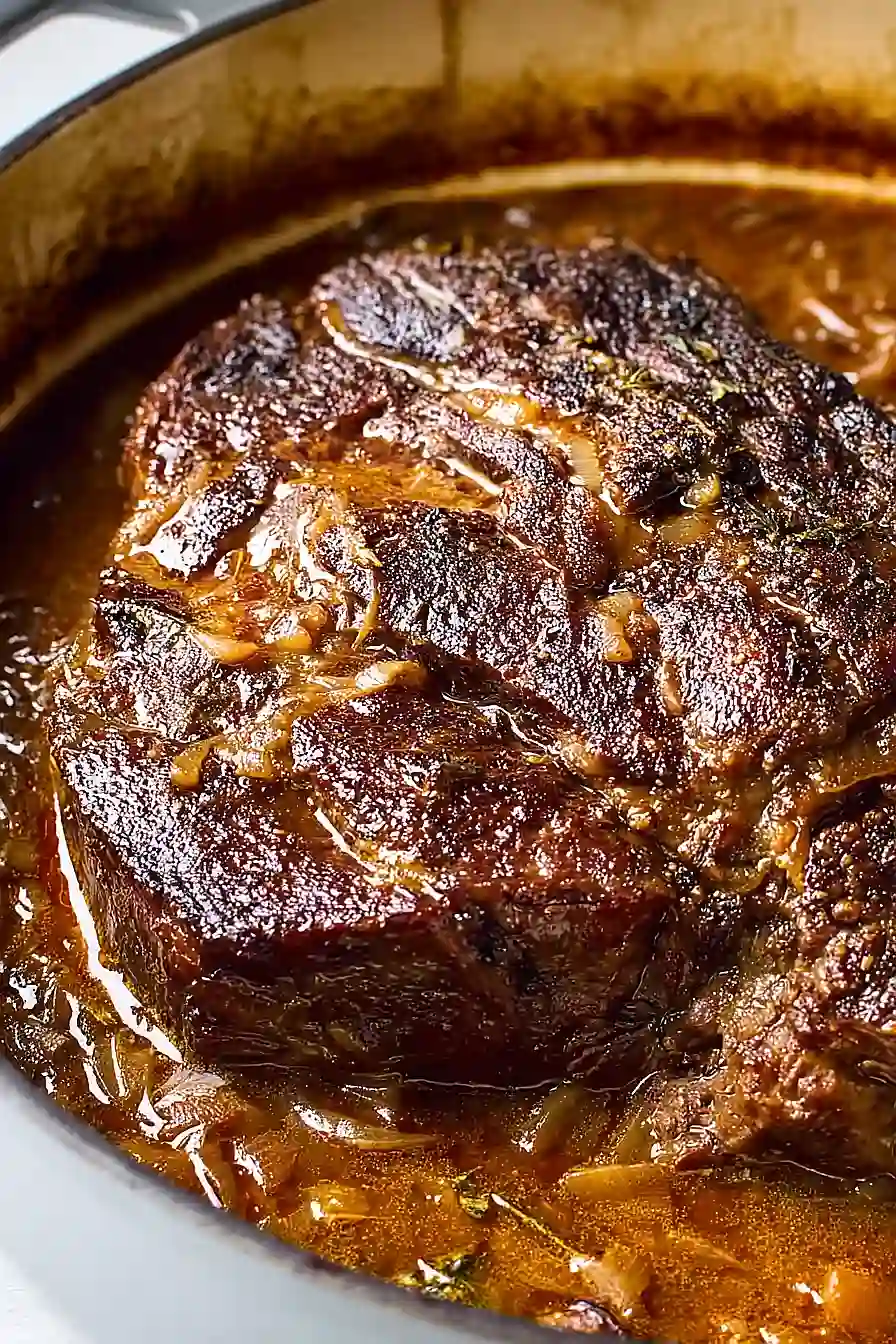
- Tender, fall-apart pork – The long, slow cooking process breaks down the pork butt into incredibly tender meat that shreds easily with a fork.
- Perfect for meal prep – This recipe makes plenty of delicious pulled pork that you can use for tacos, burritos, bowls, or sandwiches throughout the week.
- Simple ingredients with big impact – You probably have most of these spices in your pantry already, and the achiote paste is what gives this dish its signature flavor and beautiful color.
- Great for entertaining – Set up a taco bar with this cochinita pibil and let everyone build their own – it’s always a hit at parties and gatherings.
What Kind of Pork Should I Use?
Pork butt roast (also called pork shoulder or Boston butt) is perfect for cochinita pibil because it has just the right amount of fat and connective tissue to break down during the long, slow cooking process. You can use either bone-in or boneless, though bone-in tends to add more flavor and helps keep the meat moist. If you can’t find pork butt, pork shoulder works just as well since they’re basically the same cut from different parts of the shoulder. Look for a piece with good marbling throughout – those white streaks of fat will melt during cooking and keep your cochinita pibil tender and juicy.
Options for Substitutions
This traditional Mexican dish has some room for swaps, though a few ingredients are pretty important to keep:
- Achiote paste: This is the heart of cochinita pibil and gives it that signature red color and earthy flavor. If you absolutely can’t find it, mix 2 tablespoons paprika with 1 teaspoon oregano and ½ teaspoon cumin, but the taste won’t be quite the same.
- Pork butt roast: Pork shoulder works just as well and is often easier to find. You can also use boneless cuts, but bone-in gives better flavor and keeps the meat moist during long cooking.
- Habanero peppers: These bring serious heat! Swap for jalapeños or serranos if you want less spice, or use scotch bonnet peppers if you want to keep that fruity heat profile.
- Fresh lemon juice: Lime juice is actually more traditional and adds a brighter citrus note. You can also use a mix of both lime and lemon juice.
- Red wine vinegar: White vinegar or apple cider vinegar work fine here. The acidity is what matters most for tenderizing the meat.
- Red onions: Regular yellow onions work perfectly if that’s what you have on hand. The pickled onion topping is traditional, so don’t skip the onions entirely.
Watch Out for These Mistakes While Cooking
The biggest mistake when making cochinita pibil is not marinating the pork long enough – this dish needs at least 4 hours, but overnight is even better to let those citrus juices and achiote paste work their magic on the meat.
Another common error is cooking the pork at too high a temperature, which will dry out the meat instead of giving you that tender, fall-apart texture you’re after – keep it low and slow at around 325°F.
Don’t skip wrapping the pork in banana leaves or foil, as this steaming method is what makes the meat incredibly moist and infuses it with flavor, and be careful with those habaneros since they pack serious heat even when seeded.
Finally, resist the urge to rush the cooking process – this dish can take 3-4 hours depending on the size of your roast, but you’ll know it’s ready when the meat shreds easily with a fork.
What to Serve With Cochinita Pibil?
This tender, citrusy pork is perfect for making tacos with warm corn tortillas, pickled red onions, and a squeeze of lime. I love serving it alongside Mexican rice and black beans for a complete meal that soaks up all those amazing flavors from the achiote and citrus marinade. The smoky, spicy pork also pairs really well with fresh avocado slices, crumbled queso fresco, and a simple cabbage slaw to balance out the heat from those habaneros. Don’t forget some extra lime wedges and maybe some hot sauce on the side for anyone who wants to kick up the spice level even more.
Storage Instructions
Refrigerate: Your cochinita pibil will actually taste even better the next day after all those flavors have had time to meld together. Store the shredded pork in the fridge for up to 4 days in an airtight container, and keep those pickled onions separate so they stay crisp.
Freeze: This recipe is perfect for freezing in portions! Let the pork cool completely, then freeze in freezer bags or containers for up to 3 months. I like to freeze it in taco-sized portions so I can just grab what I need for a quick dinner.
Warm Up: To enjoy your cochinita pibil again, just warm it gently in a skillet over medium-low heat with a splash of the cooking juices. You can also microwave it on medium power, stirring occasionally. The meat should stay nice and tender, and those citrus flavors will come right back to life.
| Preparation Time | 60-120 minutes |
| Cooking Time | 120-300 minutes |
| Total Time | 180-420 minutes |
| Level of Difficulty | Medium |
Estimated Nutrition
Estimated nutrition for the whole recipe (without optional ingredients):
- Calories: 1800-2000
- Protein: 150-170 g
- Fat: 110-125 g
- Carbohydrates: 70-85 g
Ingredients
For the pork and marinade:
- 1 tsp ground coriander
- 1 tsp chili powder (or a blend of ancho and guajillo)
- 2 lb bone-in pork butt roast (or pork shoulder, skin-on preferred)
- 1 tsp ground cumin
- 2 habanero chiles (seeded and finely chopped, about 1/4-inch pieces)
- 2 tbsp achiote paste (for authentic Yucatecan flavor and color)
- 1/3 cup orange juice (freshly squeezed if possible)
- 2/3 cup lemon juice (freshly squeezed for best flavor)
- Salt and pepper to taste
- 1 tsp paprika
For the onion sauce:
- 2 red onions (cut into thin rings, about 1/4-inch thick)
- 1/2 cup red wine vinegar
Step 1: Prepare the Spice Marinade and Season the Pork
- 2 lb bone-in pork butt roast
- 2 tbsp achiote paste
- 1/3 cup orange juice
- 2/3 cup lemon juice
- 2 habanero chiles, seeded and finely chopped
- 1 tsp ground cumin
- 1 tsp paprika
- 1 tsp chili powder
- 1 tsp ground coriander
- Salt and pepper to taste
Start by poking holes all over the pork butt with a fork or knife tip—this helps the marinade penetrate deeper and allows flavors to develop throughout the meat.
In a bowl, whisk together the achiote paste with the orange juice and lemon juice until smooth and well combined.
Add the seeded and finely chopped habanero chiles, ground cumin, paprika, chili powder, ground coriander, and season generously with salt and pepper.
Mix until you have a cohesive, fragrant marinade.
Rub the achiote paste directly onto all surfaces of the pork first, working it into the holes and across the skin—this creates a flavorful crust and helps the meat take on color.
Step 2: Marinate the Pork Overnight
- Pork with achiote rub from Step 1
- Spice marinade from Step 1
Place the achiote-rubbed pork into a large bowl or container and pour the spice marinade from Step 1 over it, making sure the liquid coats all exposed surfaces.
Cover the container tightly with plastic wrap or a lid and refrigerate overnight, or for at least 12 hours.
This extended marinating time is crucial—it allows the acidic citrus, aromatic spices, and chile heat to deeply penetrate the meat and develop complex flavors that are essential to authentic cochinita pibil.
Step 3: Slow-Roast the Marinated Pork
- Marinated pork from Step 2
Preheat your oven to 325°F (165°C).
Remove the marinated pork from the refrigerator and transfer it along with all of its marinade to a large piece of heavy-duty aluminum foil.
Fold the foil tightly around the pork and marinade to create a sealed packet that will trap steam and braise the meat gently.
Place the foil packet into a baking dish or on a baking sheet, then cover with a lid or additional foil.
Roast for approximately 2 hours, or until the pork is fork-tender and shreds easily—I find that checking at the 90-minute mark helps me avoid overcooking if you prefer meat with a bit more texture.
Step 4: Prepare the Pickled Onion Garnish
- 2 red onions, cut into thin rings
- 1/2 cup red wine vinegar
While the pork is roasting, cut the red onions into thin rings about 1/4-inch thick and set aside.
In a saucepan, bring the red wine vinegar to a boil over medium-high heat.
Add the sliced onions and reduce the heat to a simmer, cooking for 10-15 minutes until the onions are tender and have begun to absorb the vinegar’s color and acidity.
Remove from heat and let cool slightly—these pickled onions will add a bright, acidic counterpoint to the rich, tender pork and should be added just before serving.
Step 5: Shred the Pork and Combine with Sauce
- Roasted pork from Step 3
- Pickled onions from Step 4
Carefully remove the foil packet from the oven and open it slowly to release the steam.
Transfer the tender pork to a cutting board and use two forks to shred the meat into bite-sized pieces, discarding any large pieces of bone or excess fat.
Pour the roasting liquid (which contains all the concentrated marinade and rendered fat) into a bowl or directly over the shredded pork—this flavorful liquid is liquid gold and shouldn’t be wasted.
Gently toss the shredded pork with the roasting liquid to distribute the flavors evenly, then top with the pickled red onions from Step 4 just before serving to maintain their texture and vibrant color.