If you ask me, homemade bread is one of life’s simple pleasures.
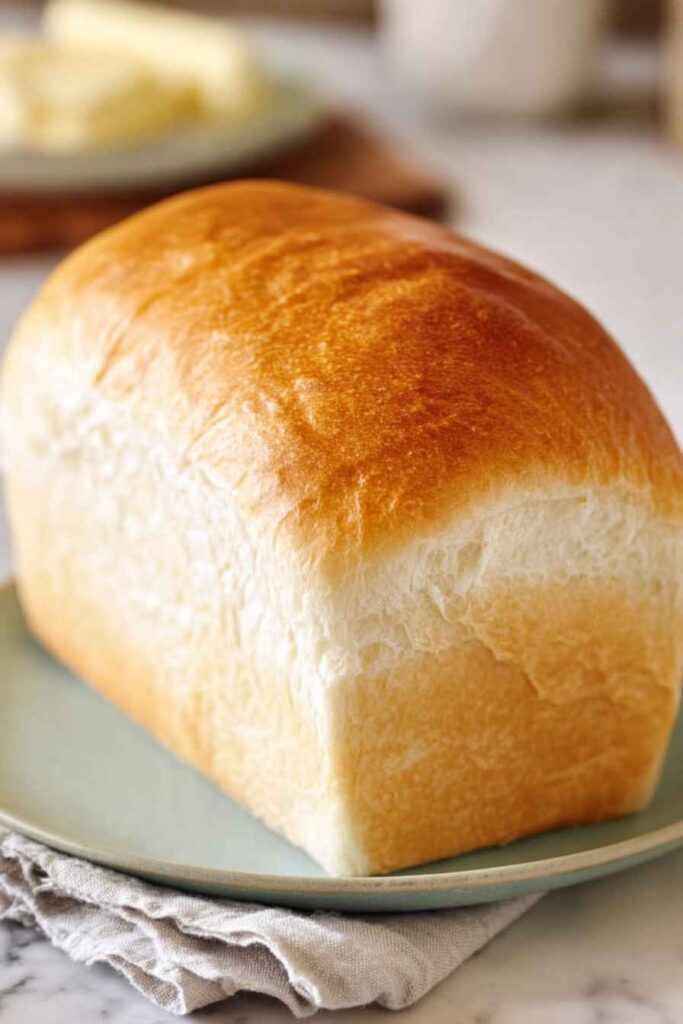
This classic Amish white bread recipe creates soft, tender loaves that fill your kitchen with the most comforting aroma. The dough comes together easily with basic pantry ingredients and a little patience.
It’s made the traditional way with just flour, yeast, sugar, and a few other staples mixed by hand. The slow rise gives it that perfect texture and mild sweetness that makes it ideal for everything from morning toast to sandwich making.
It’s the kind of bread that brings families together around the dinner table, perfect for anyone wanting to try their hand at real homemade baking.
Why You’ll Love This Amish White Bread
- Simple pantry ingredients – You probably already have everything you need in your kitchen – just basic flour, sugar, yeast, and oil to create this homemade loaf.
- Perfect for beginners – This straightforward recipe doesn’t require any fancy techniques or equipment, making it ideal if you’re just starting your bread-making journey.
- Soft, fluffy texture – The combination of oil and butter creates an incredibly tender crumb that’s perfect for sandwiches, toast, or just eating warm with a pat of butter.
- Fresh homemade taste – Nothing beats the smell and flavor of bread baking in your own oven, and this recipe delivers that authentic homemade goodness every time.
- Budget-friendly – Making your own bread costs a fraction of what you’d pay at the store, and you’ll get a much better quality loaf for your family.
What Kind of Flour Should I Use?
All-purpose flour is perfect for this Amish white bread recipe and will give you that classic soft, tender crumb you’re looking for. You don’t need to get fancy with bread flour here – regular all-purpose flour from any brand will work just fine. If you only have bread flour on hand, that’ll work too, though your loaf might be slightly chewier. Make sure your flour is fresh and hasn’t been sitting in your pantry for years, as old flour can affect the rise and flavor of your bread.

Options for Substitutions
This simple bread recipe works well with a few easy swaps if you need them:
- All-purpose flour: You can substitute with bread flour for a slightly chewier texture, but don’t use self-rising flour as it already contains salt and leavening agents that will throw off the recipe.
- Instant yeast: Active dry yeast works just as well – use the same amount but make sure to dissolve it in the warm water with a pinch of sugar first and let it foam for 5 minutes before adding to the flour.
- Granulated sugar: Honey or maple syrup can replace the sugar (use about 3 tablespoons), but you’ll need to reduce the water by 1-2 tablespoons since these are liquid sweeteners.
- Vegetable oil: Melted butter, olive oil, or even softened coconut oil will work fine. Just make sure any solid fats are completely melted and cooled slightly before mixing in.
- Unsalted butter: You can use salted butter but reduce the added salt to about ½ teaspoon to avoid over-salting your bread.
Watch Out for These Mistakes While Baking
The biggest mistake when making Amish white bread is using water that’s too hot, which can kill the yeast – stick to 110-120°F (it should feel warm but not hot on your wrist) to ensure your bread rises properly.
Another common error is not kneading the dough long enough, so work it for at least 8-10 minutes until it becomes smooth and elastic, which develops the gluten structure needed for a good texture.
Don’t rush the rising process by placing the dough in a too-warm spot, as this can cause uneven rising and affect the final texture – a slightly warm, draft-free area works best.
Finally, resist the urge to slice into your fresh loaf immediately after baking; let it cool for at least 30 minutes so the crumb can set properly and you won’t end up with gummy, compressed slices.
What to Serve With Amish White Bread?
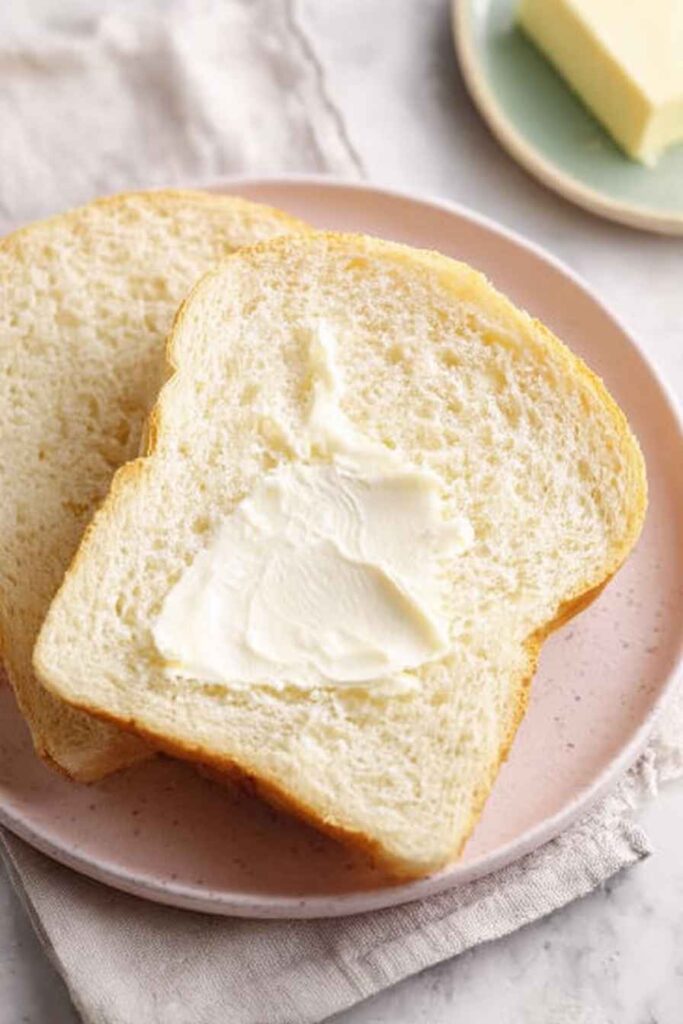
This soft, slightly sweet bread is perfect for so many things – I love making thick slices for the best French toast you’ve ever had, or toasting it up for a simple breakfast with butter and jam. The bread’s tender crumb makes it ideal for sandwiches, whether you’re going classic with peanut butter and jelly or loading it up with deli meats and cheese. It’s also amazing alongside a warm bowl of soup or chili, where you can tear off pieces to soak up all those good flavors. And honestly, sometimes the best way to enjoy fresh Amish white bread is just warm from the oven with a pat of butter melting into each slice.
Storage Instructions
Keep Fresh: This Amish white bread stays soft and fresh when wrapped tightly in plastic wrap or stored in a bread box at room temperature for up to 4-5 days. I like to slice it as needed to keep the rest of the loaf from drying out too quickly.
Freeze: You can freeze the whole loaf or pre-slice it for convenience – just wrap it well in plastic wrap, then place in a freezer bag. It’ll keep perfectly for up to 3 months, and having sliced bread ready to toast straight from the freezer is such a time-saver for busy mornings.
Thaw: Let frozen bread thaw at room temperature for a few hours, or toast individual slices directly from frozen. If you froze the whole loaf, you can also warm it in a 350°F oven for about 10 minutes to bring back that fresh-baked feel.
| Preparation Time | 10-20 minutes |
| Cooking Time | 25-30 minutes |
| Total Time | 95-110 minutes |
| Level of Difficulty | Medium |
Estimated Nutrition
Estimated nutrition for the whole recipe (without optional ingredients):
- Calories: 1550-1700
- Protein: 30-36 g
- Fat: 28-34 g
- Carbohydrates: 295-315 g
Ingredients
For the dough:
- 3/4 tsp salt
- 2 tbsp canola oil
- 1 cup warm water (110-120°F, ideally proofed with a thermometer)
- 1 packet instant yeast (about 2 1/4 tsp, use before expiration for best rise)
- 3 cups all-purpose flour (King Arthur brand preferred for consistent results)
- 1/3 cup sugar
For brushing:
- 2 tbsp unsalted butter (melted and cooled slightly)
Step 1: Activate the Yeast and Bloom the Dough
- 1 cup warm water
- 1/3 cup sugar
- 1 packet instant yeast
Combine the warm water, sugar, and instant yeast in a bowl and let sit for 10 minutes.
This blooming period allows the yeast to fully activate and ensures even distribution throughout the dough.
You’ll notice the mixture become foamy on top, which signals the yeast is alive and ready to work.
I always use a thermometer to hit that 110-120°F mark—if the water is too cold, the yeast won’t activate properly, and if it’s too hot, you’ll kill the yeast entirely.
Step 2: Mix and Knead the Dough
- 3 cups all-purpose flour
- 3/4 tsp salt
- 2 tbsp canola oil
- yeast mixture from Step 1
In a stand mixer fitted with the dough hook, combine the flour and salt.
Pour in the yeast mixture from Step 1 and the canola oil, then mix on low speed until a shaggy dough forms.
Increase speed to medium and knead for 10 minutes until the dough becomes smooth, elastic, and pulls away from the bowl sides.
The gluten network you’re developing here is what gives Amish bread its signature tender crumb.
I prefer King Arthur flour because it has more consistent protein content, which means more predictable rise and texture.
Step 3: First Rise Until Doubled
- kneaded dough from Step 2
Shape the dough from Step 2 into a smooth ball and place it in a lightly greased bowl, turning it once to coat all sides.
Cover with a clean kitchen towel or plastic wrap and let rise at room temperature for 60-90 minutes until the dough roughly doubles in size.
You can test if it’s ready by gently pressing two fingers into the dough—if the indentation slowly springs back halfway, it’s perfectly proofed.
This first rise develops flavor and strength in the dough.
Step 4: Shape and Second Rise in the Loaf Pan
- risen dough from Step 3
Gently turn the risen dough out onto a lightly floured surface and shape it into a log that fits snugly in a greased loaf pan.
Place the shaped dough in the pan, cover loosely with a kitchen towel, and let it rise for 50-60 minutes until it crests slightly above the rim of the pan.
This second rise is shorter than the first because the dough already has good structure and yeast activity.
Preheat your oven to 350°F about halfway through this rise so it reaches temperature when you’re ready to bake.
Step 5: Bake Until Golden Brown
Place the loaf in your preheated 350°F oven and bake for 25-30 minutes until the top is golden brown and the loaf sounds hollow when tapped on the bottom.
The lower temperature compared to other breads allows the center to cook through without the crust darkening too quickly.
If the top browns too quickly, you can lightly tent it with foil halfway through baking.
Step 6: Finish with Butter and Cool
- 2 tbsp unsalted butter
- baked bread from Step 5
Remove the bread from the oven and immediately brush the top with the melted and cooled butter, which adds richness and that signature Amish bread sheen.
Let the loaf cool in the pan for 10 minutes—this allows the structure to set just enough so it won’t fall apart when you remove it.
Then turn it out onto a wire cooling rack and let it cool completely before slicing.
Cutting into warm bread compresses the crumb, so patience here rewards you with better texture.







I didn’t see anything that tells the size of the pan to use.
Bread pans are usually 8×4 or
8.5 x 4. 5.
this is the 4 time I made this bread and every time it turned out so good. I did use king Arthur flour which is night and day difference. wondering if fresh ground wheat berries into flour would work
absolutely delicious 😋😋 turns out perfect every time..thank you for another great recipe
I just tried this bread today and it came out perfect thank you for the recipe
Best bread ever! This is now my permanent weekly loaf!
Fantastic, best loaf ever, thank you