If you ask me, mashed potatoes with sour cream are pure comfort food.
This classic side dish takes regular mashed potatoes and makes them extra creamy and tangy. The sour cream adds a smooth texture and a slight tang that pairs well with the buttery potatoes.
It’s simple to make with just a handful of ingredients and a potato masher. A little salt, pepper, and butter help bring everything together.
It’s a crowd-pleasing side that works with just about any dinner, from weeknight roast chicken to holiday meals.
Why You’ll Love These Mashed Potatoes
- Extra creamy texture – The sour cream adds a rich, velvety smoothness that takes these mashed potatoes to the next level compared to regular versions.
- Quick and easy – Ready in just 30-45 minutes with simple steps, making them perfect for busy weeknights or last-minute holiday sides.
- Simple ingredients – You probably already have potatoes, butter, milk, and sour cream in your kitchen, so no special shopping trip needed.
- Crowd-pleasing side dish – These mashed potatoes work for everything from casual family dinners to holiday gatherings, and everyone always asks for seconds.
What Kind of Potatoes Should I Use?
For creamy mashed potatoes, you’ve got two solid options: Yukon Gold or Russet potatoes. Yukon Golds have a naturally buttery flavor and creamy texture, plus you can leave the skins on if you want a more rustic mash. Russets are the classic choice and give you that fluffy, light texture most people think of when they picture mashed potatoes, though you’ll want to peel these ones. Either way, make sure your potatoes are fresh and firm without any soft spots or sprouts, and try to cut them into similar-sized pieces so they cook evenly.
Options for Substitutions
This mashed potato recipe is pretty forgiving when it comes to swaps:
- Yukon gold or russet potatoes: These two are your best bets for creamy mashed potatoes, so stick with one of them. Yukon golds give you a buttery, naturally creamy texture, while russets make fluffier mashed potatoes. Red potatoes work too, but they’ll be a bit chunkier and less smooth.
- Sour cream: Greek yogurt makes a great substitute if you’re out of sour cream – use the same amount and you’ll get similar tang and creaminess. Cream cheese also works, but start with about 6 tablespoons since it’s richer.
- Milk: You can use heavy cream for extra richness, or swap in chicken or vegetable broth for a dairy-free option. If using broth, you might want to add a bit more butter to keep things creamy.
- Butter: For a dairy-free version, use olive oil or vegan butter in the same amount. The flavor will be slightly different but still tasty.
Watch Out for These Mistakes While Cooking
The biggest mistake people make with mashed potatoes is overworking them, which activates too much starch and turns your fluffy side dish into a gluey paste – mix just until the ingredients are combined and stop there.
Another common error is adding cold butter and milk straight from the fridge, which can cool down your potatoes and make them harder to mash smoothly, so warm your milk slightly and make sure your butter is softened to room temperature.
Don’t forget to salt your cooking water generously (it should taste like the ocean), as this is your only chance to season the potatoes from the inside out, and always drain them completely before mashing to avoid watery results.
For extra creamy potatoes, let them steam dry in the pot for a minute after draining, which removes excess moisture and helps them absorb all that delicious butter and sour cream.
What to Serve With Mashed Potatoes?
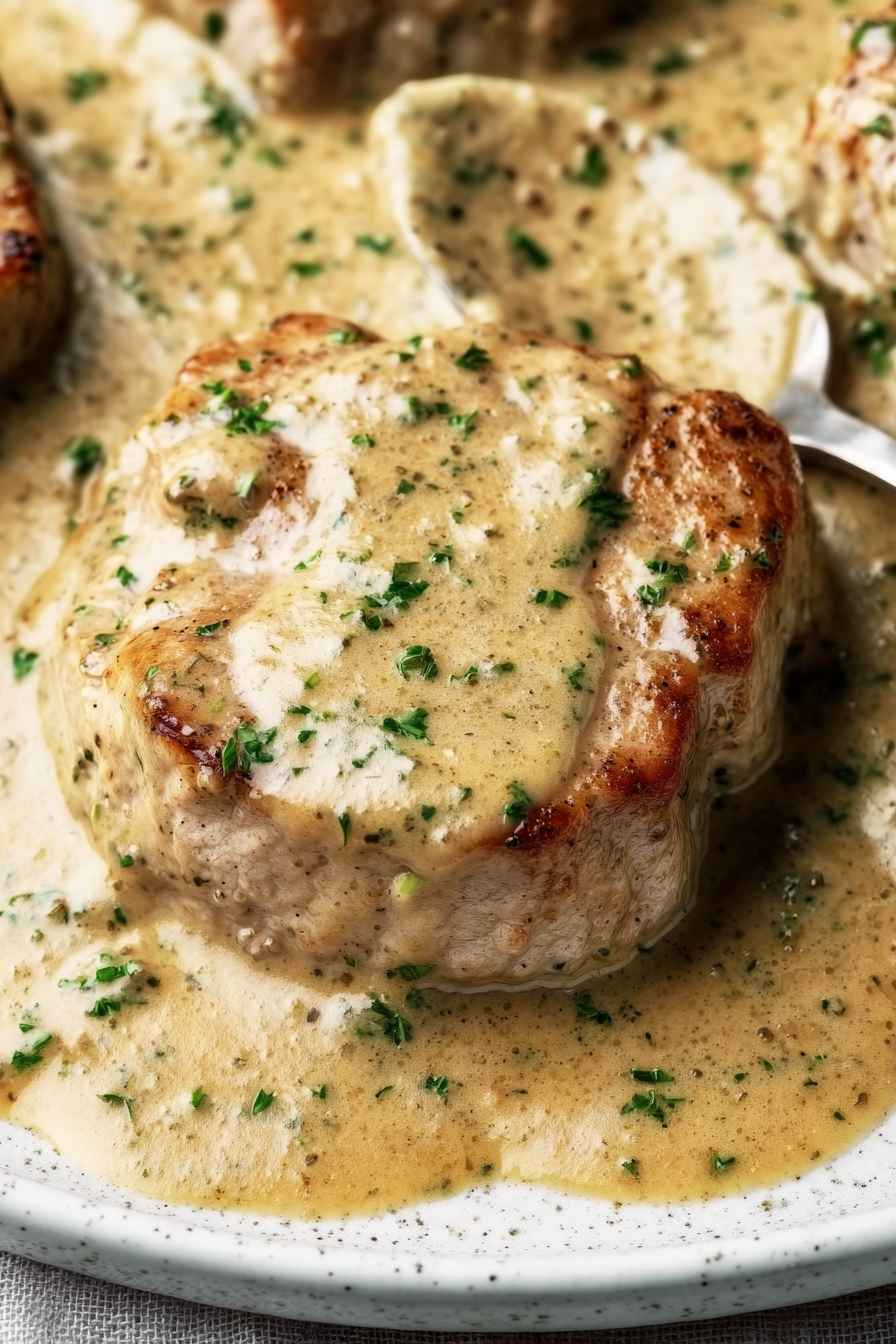
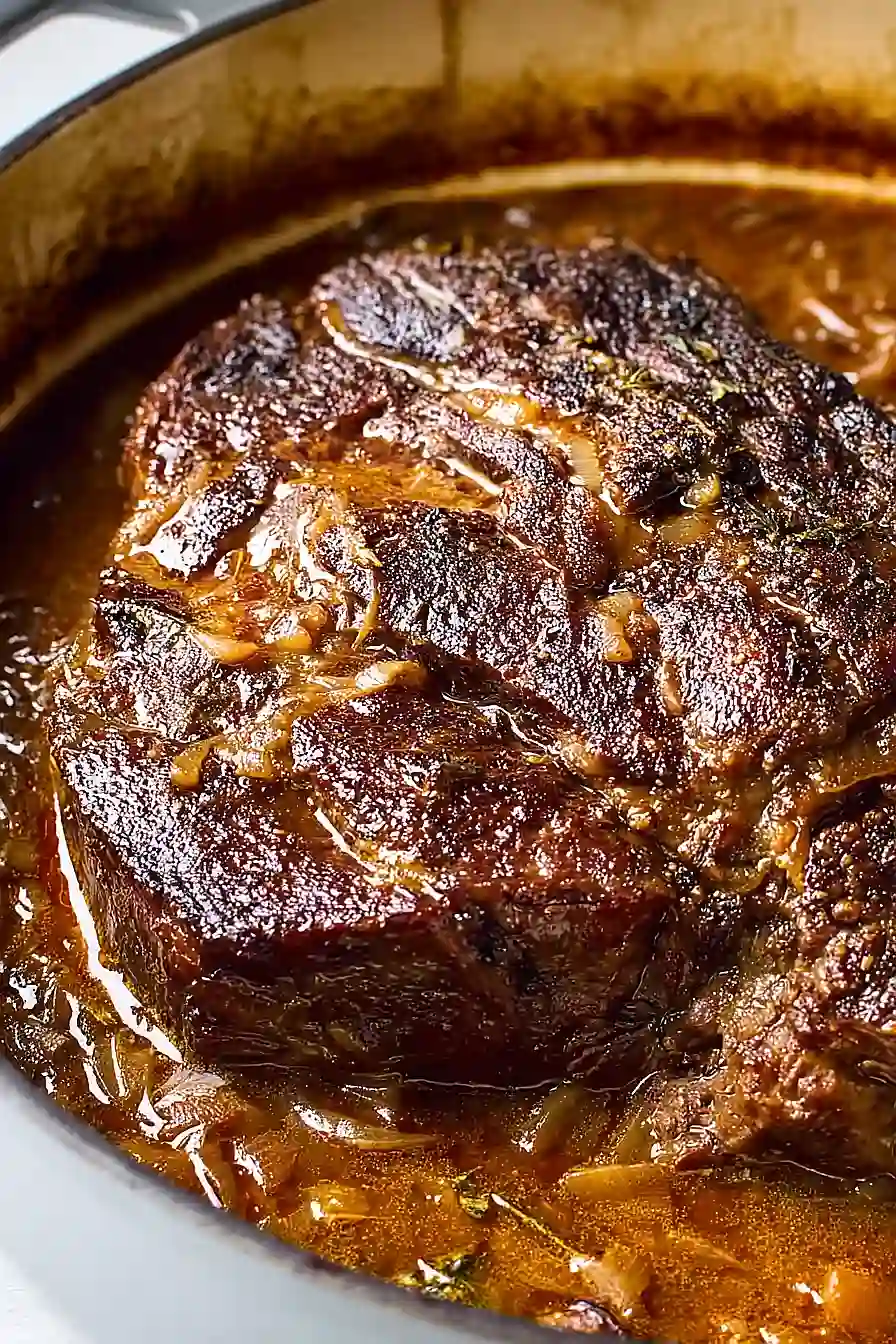
Mashed potatoes are the perfect side dish for just about any protein you’re serving for dinner. They pair beautifully with roasted chicken, grilled steak, pork chops, or meatloaf – basically anything with a good gravy or sauce that can pool into those creamy potatoes. I love serving them alongside roasted vegetables like green beans, carrots, or Brussels sprouts to round out the plate. For a cozy weeknight meal, try them with pot roast or braised short ribs where all those rich juices can mingle with the potatoes.
Storage Instructions
Store: Keep your leftover mashed potatoes in an airtight container in the fridge for up to 4 days. They might look a little dry on top, but don’t worry – they’ll come back to life when you reheat them with a splash of milk or butter.
Freeze: Mashed potatoes freeze surprisingly well for up to 2 months. I like to portion them out in freezer bags so I can grab just what I need. Just press out the air and freeze them flat for easy stacking.
Reheat: Warm them up in the microwave with a tablespoon or two of milk, stirring every minute until heated through. You can also reheat them on the stovetop over low heat, adding a bit of butter or milk to bring back that creamy texture. Give them a good stir to make them fluffy again.
| Preparation Time | 10-15 minutes |
| Cooking Time | 20-30 minutes |
| Total Time | 30-45 minutes |
| Level of Difficulty | Easy |
Estimated Nutrition
Estimated nutrition for the whole recipe (without optional ingredients):
- Calories: 1850-2100
- Protein: 25-30 g
- Fat: 95-110 g
- Carbohydrates: 235-260 g
Ingredients
- salt (to taste, about 1-2 tsp)
- 1/2 cup milk (whole milk for creamier texture)
- 10 tbsp sour cream (full-fat preferred for richness)
- black pepper (freshly ground for best flavor)
- 3 lb Yukon gold potatoes (peeled and quartered into 2-inch pieces)
- 8 tbsp unsalted butter (I use Kerrygold, at room temperature)
Step 1: Prepare and Cook the Potatoes
- 3 lb Yukon gold potatoes
- water for boiling
Cut the peeled potatoes into even 2-inch pieces—this ensures uniform cooking throughout.
Place them in a large pot and cover completely with cold water by about an inch.
Bring to a boil over high heat, then reduce to a simmer and cook for 20-25 minutes until the potatoes are completely fork-tender with no resistance in the center.
Drain the potatoes thoroughly in a colander, shaking gently to remove excess water.
Step 2: Rest and Dry the Potatoes
- 1/2 cup milk
Return the drained potatoes to the warm pot and cover it with a lid for 5 minutes.
This allows residual steam to evaporate from the potatoes and helps them dry out slightly, which is essential for achieving truly smooth, creamy mashed potatoes rather than gluey ones.
While the potatoes rest, warm the milk in a separate saucepan over medium heat until it’s steaming but not boiling—this prevents temperature shock when added to the potatoes.
Step 3: Mash and Incorporate Dairy
- 8 tbsp unsalted butter
- warmed milk from Step 2
- 10 tbsp sour cream
Add the room-temperature butter and half of the warmed milk to the rested potatoes, then begin mashing with a potato ricer or masher until mostly smooth.
I like to use a ricer for the silkiest texture possible—it breaks down the potatoes more evenly than a standard masher.
Stir in the sour cream, which adds richness and subtle tang, then gradually add more of the reserved warm milk while stirring until you reach your desired consistency.
The potatoes should be creamy and smooth, not dry or stiff.
Step 4: Season and Serve
- salt
- black pepper
Taste the mashed potatoes and season with salt and freshly ground black pepper to your preference, starting with about 1-2 teaspoons of salt and adjusting as needed.
I always use freshly ground pepper here since it dissolves better into the warm potatoes and provides much better flavor than pre-ground.
Transfer to a serving dish immediately and serve while hot.