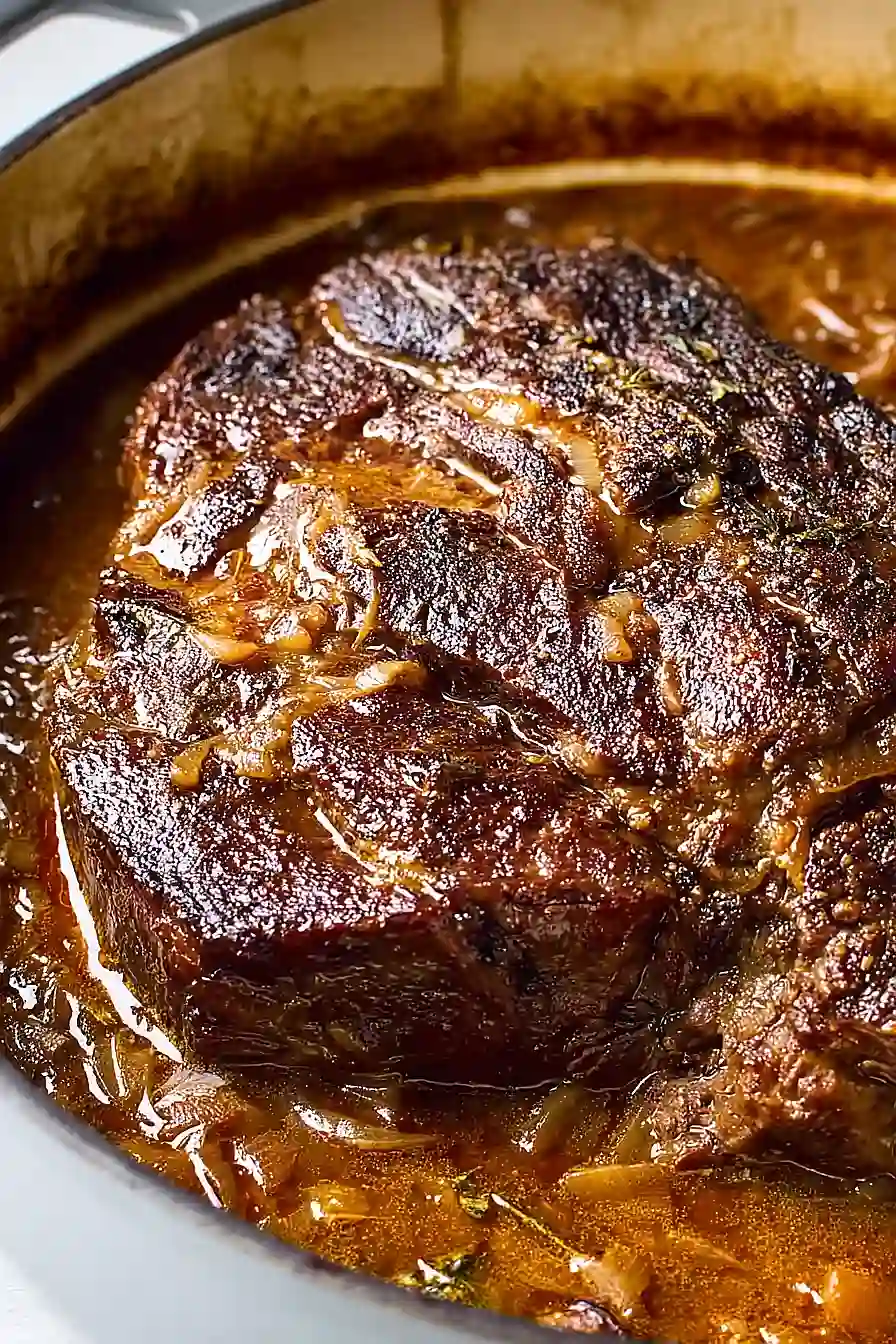
There’s something about cookies rolled in powdered sugar that makes them feel special. Maybe it’s the way they look like little snowballs, or how the sugar gets all over your fingers when you eat them. Either way, Russian tea cakes have been a favorite in my house for years.
These lemon ones are a fun twist on the classic. I started making them when I had some extra lemons sitting on my counter and thought, why not? The lemon zest and juice give these cookies a bright, fresh flavor that pairs really well with the buttery, nutty base. They’re still that same melt-in-your-mouth texture you expect from Russian tea cakes, just with a little citrus kick.
The best part? They’re simple to make and don’t require any fancy techniques. Mix, roll, bake, and coat in sugar. That’s it. Perfect for when you want something homemade but don’t want to spend all afternoon in the kitchen.
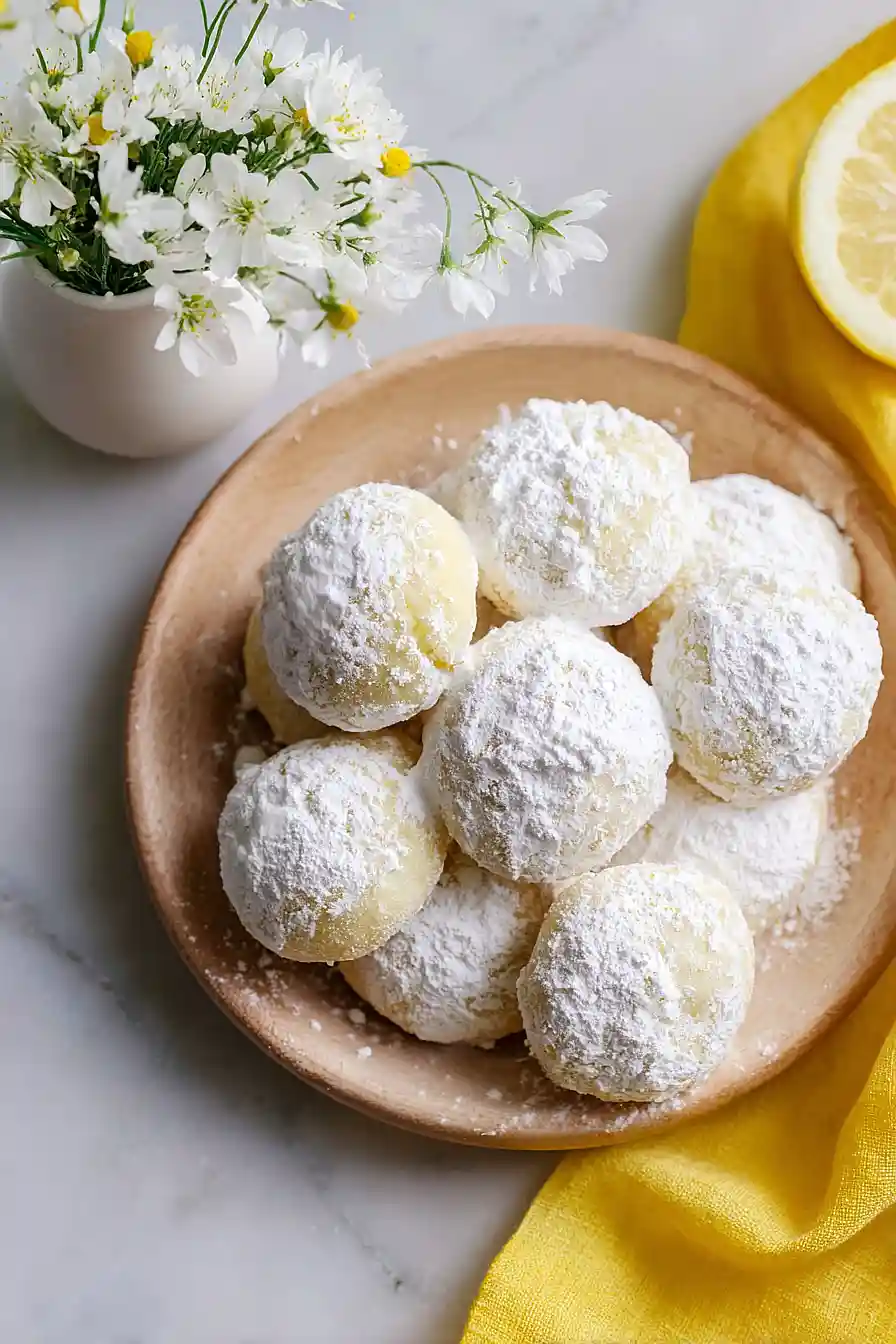
Why You’ll Love These Lemon Russian Tea Cakes
- Quick and easy – These cookies come together in under 35 minutes, making them perfect for last-minute gatherings or when you need a sweet treat fast.
- Simple ingredients – You probably have most of these pantry staples on hand already, with just butter, flour, powdered sugar, and walnuts as the base.
- Bright lemon flavor – The fresh lemon juice and zest give these classic cookies a refreshing twist that’s perfect for spring and summer, but honestly delicious any time of year.
- Melt-in-your-mouth texture – These buttery cookies are incredibly tender and crumbly, with that signature powdered sugar coating that makes them irresistible.
- Perfect for gifting – They look fancy and taste amazing, so they’re great for cookie exchanges, holiday platters, or packaging up as homemade gifts for friends and family.
What Kind of Walnuts Should I Use?
For this recipe, you’ll want to use fresh walnuts that still have a sweet, mild flavor rather than any that taste bitter or stale. You can buy pre-chopped walnuts to save time, but I find that chopping whole walnuts yourself gives you better control over the size and ensures they’re fresher. Make sure to chop them finely – you’re looking for small pieces that will blend nicely into the dough without making the cookies too chunky. If your walnuts have been sitting in the pantry for a while, give them a quick taste test first, since nuts can go rancid and that would definitely affect your cookies.
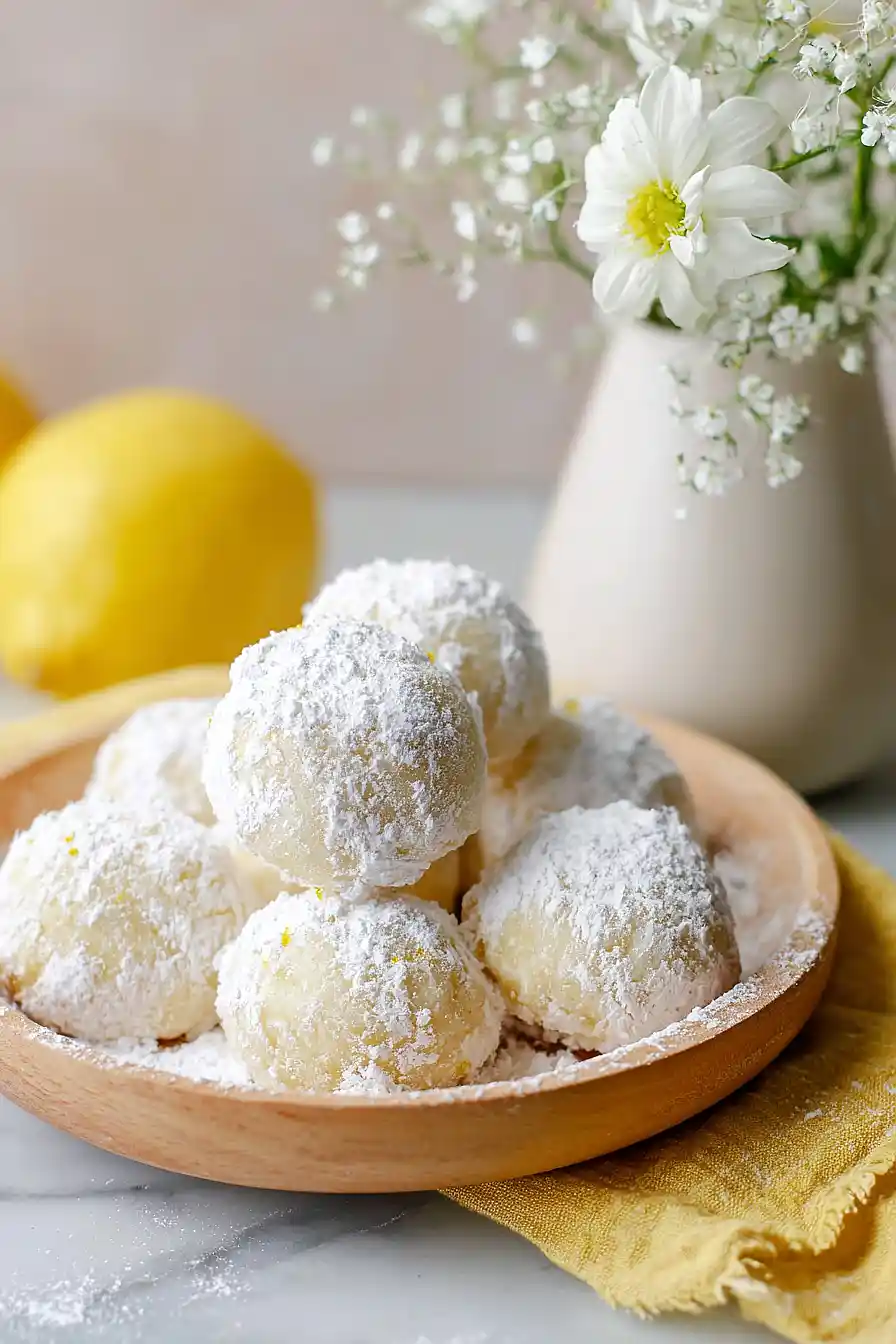
Options for Substitutions
These cookies are pretty forgiving when it comes to swaps, so here are some options if you need them:
- Walnuts: Pecans are the most common swap and work perfectly in these cookies. You can also try almonds or hazelnuts for a different flavor profile. Just make sure to chop them finely so they blend well into the dough.
- Butter: While butter is really important for that melt-in-your-mouth texture, you can use margarine if needed. Just avoid using spreads or low-fat versions as they contain too much water and will change the cookie texture.
- Lemon juice and zest: If you want to switch up the flavor, try using orange juice and zest instead for a citrus variation. You could also use vanilla extract (about 1 teaspoon) for a more traditional Russian tea cake.
- All-purpose flour: You can substitute up to half the flour with whole wheat pastry flour for a nuttier taste, but don’t replace all of it or the cookies will be too dense.
- Powdered sugar: The powdered sugar is essential for both the dough and coating, so I wouldn’t recommend substituting it. Granulated sugar won’t give you the same tender, crumbly texture these cookies are known for.
Watch Out for These Mistakes While Baking
The biggest mistake when making Russian tea cakes is rolling them in powdered sugar while they’re still piping hot from the oven, which causes the sugar to melt and disappear instead of creating that signature snowy coating – let them cool for about 5 minutes first, then roll them while they’re still warm.
Another common error is over-mixing the dough once you add the flour, which can make your cookies tough instead of tender and crumbly, so mix just until the ingredients come together.
To get the best texture, make sure your butter is truly softened to room temperature (not melted), and if your cookies are spreading too much in the oven, pop the shaped dough balls in the fridge for 15 minutes before baking.
For that perfect powdered sugar finish, roll the cookies twice – once when they’re slightly warm and again after they’ve cooled completely.

What to Serve With Lemon Russian Tea Cakes?
These buttery cookies are perfect alongside a hot cup of tea or coffee, which is actually how they got their name in the first place. I love serving them at the end of a brunch or lunch gathering with some fresh berries on the side – the tartness of strawberries or raspberries pairs really nicely with the sweet, lemony flavor. They’re also great as part of a cookie platter with other bite-sized treats like shortbread or biscotti, especially during the holidays. If you want to get fancy, serve them with a scoop of vanilla ice cream or lemon sorbet for a simple but satisfying dessert.
Storage Instructions
Store: These lemon Russian tea cakes keep really well in an airtight container at room temperature for about a week. Just layer them between sheets of parchment paper so they don’t stick together, and they’ll stay soft and crumbly.
Freeze: You can freeze these cookies for up to 3 months, either baked or as dough balls. If freezing baked cookies, wait to roll them in the final coating of powdered sugar until after they’ve thawed. For unbaked dough, just pop the shaped balls on a baking sheet in the freezer, then transfer to a freezer bag once solid.
Serve: If you froze baked cookies, let them thaw at room temperature for about 30 minutes, then give them a fresh roll in powdered sugar before serving. Frozen dough balls can go straight from the freezer to the oven, just add a couple extra minutes to the baking time.
| Preparation Time | 10-15 minutes |
| Cooking Time | 15-20 minutes |
| Total Time | 25-35 minutes |
| Level of Difficulty | Easy |
Estimated Nutrition
Estimated nutrition for the whole recipe (without optional ingredients):
- Calories: 3500-3700
- Protein: 42-48 g
- Fat: 250-270 g
- Carbohydrates: 330-350 g
Ingredients
For the dough:
- 2 sticks softened butter (room temperature, about 70°F)
- 2 cups chopped walnuts (finely chopped, about 1/4-inch pieces)
- 1/2 tsp lemon zest (finely grated from 1 lemon)
- 1/2 cup powdered sugar
- 1 tsp lemon juice (freshly squeezed for best flavor)
- 2 cups flour (all-purpose)
For coating:
- powdered sugar (for rolling warm cookies)
Step 1: Prepare Mise en Place and Toast Walnuts
- 2 cups chopped walnuts
- 1/2 tsp lemon zest
- 1 tsp lemon juice
- 2 cups flour
Finely chop your walnuts into about 1/4-inch pieces—this creates a better texture than finely ground nuts, giving the cookies a pleasant crunch.
If you’d like, lightly toast them in a dry skillet over medium heat for 2-3 minutes to deepen their flavor, which I find really elevates these delicate lemon cakes.
Zest your lemon finely and squeeze the juice fresh.
Have your flour measured and ready, and ensure your butter is truly softened to room temperature (about 70°F) for proper creaming.
Step 2: Cream Butter and Build the Base Dough
- 2 sticks softened butter
- 1/2 cup powdered sugar
- 1 tsp lemon juice
- 2 cups flour
In a mixing bowl, cream the softened butter and powdered sugar together for about 2-3 minutes until light and fluffy.
This incorporates air and creates a tender crumb in the final cookies.
Add the fresh lemon juice and mix until fully incorporated, then add the flour and mix until just combined—be careful not to overwork the dough, as this can make the cookies tough.
Step 3: Fold in Walnuts and Lemon Zest, Then Shape into Balls
- base dough from Step 2
- 2 cups chopped walnuts from Step 1
- 1/2 tsp lemon zest from Step 1
Gently fold the chopped walnuts and lemon zest into the dough from Step 2 until evenly distributed.
The dough should be slightly crumbly but hold together when pressed.
Roll the dough into 1-inch balls—I like to chill my hands slightly under cold water first, as this prevents the dough from sticking and makes rolling much easier and faster.
Step 4: Bake the Tea Cakes
- shaped dough balls from Step 3
Place the dough balls evenly on a parchment-lined baking sheet, spacing them about 1 inch apart.
Bake at 350°F for 15-18 minutes, until the cookies are lightly golden on the bottom and set but still very pale on top—they should look almost underbaked when you remove them.
The residual heat will continue to cook them slightly as they cool.
Step 5: Double-Coat with Powdered Sugar While Still Warm
- baked cookies from Step 4
- powdered sugar for rolling
Remove the cookies from the oven and let them cool for just 2-3 minutes on the baking sheet—they need to be warm but cool enough to handle.
Working quickly, generously roll each cookie in powdered sugar until fully coated.
Let them cool completely on a wire rack for about 10 minutes, then roll them again in fresh powdered sugar for a thick, luxurious coating.
This double-rolling technique creates the signature snowy appearance these Russian tea cakes are known for.
Walnut Lemon Russian Tea Cakes
Ingredients
For the dough:
- 2 sticks softened butter (room temperature, about 70°F)
- 2 cups chopped walnuts (finely chopped, about 1/4-inch pieces)
- 1/2 tsp lemon zest (finely grated from 1 lemon)
- 1/2 cup powdered sugar
- 1 tsp lemon juice (freshly squeezed for best flavor)
- 2 cups flour (all-purpose)
For coating:
- powdered sugar (for rolling warm cookies)
Instructions
- Finely chop your walnuts into about 1/4-inch pieces—this creates a better texture than finely ground nuts, giving the cookies a pleasant crunch. If you'd like, lightly toast them in a dry skillet over medium heat for 2-3 minutes to deepen their flavor, which I find really elevates these delicate lemon cakes. Zest your lemon finely and squeeze the juice fresh. Have your flour measured and ready, and ensure your butter is truly softened to room temperature (about 70°F) for proper creaming.
- In a mixing bowl, cream the softened butter and powdered sugar together for about 2-3 minutes until light and fluffy. This incorporates air and creates a tender crumb in the final cookies. Add the fresh lemon juice and mix until fully incorporated, then add the flour and mix until just combined—be careful not to overwork the dough, as this can make the cookies tough.
- Gently fold the chopped walnuts and lemon zest into the dough from Step 2 until evenly distributed. The dough should be slightly crumbly but hold together when pressed. Roll the dough into 1-inch balls—I like to chill my hands slightly under cold water first, as this prevents the dough from sticking and makes rolling much easier and faster.
- Place the dough balls evenly on a parchment-lined baking sheet, spacing them about 1 inch apart. Bake at 350°F for 15-18 minutes, until the cookies are lightly golden on the bottom and set but still very pale on top—they should look almost underbaked when you remove them. The residual heat will continue to cook them slightly as they cool.
- Remove the cookies from the oven and let them cool for just 2-3 minutes on the baking sheet—they need to be warm but cool enough to handle. Working quickly, generously roll each cookie in powdered sugar until fully coated. Let them cool completely on a wire rack for about 10 minutes, then roll them again in fresh powdered sugar for a thick, luxurious coating. This double-rolling technique creates the signature snowy appearance these Russian tea cakes are known for.