I never thought I’d say this, but I actually crave bagels more now that I’m eating keto than I did before. There’s something about knowing you can’t have the real thing that makes you want it even more, right? But here’s the good news: these protein bagels are the closest thing to the real deal I’ve found, and they actually keep me full until lunch.
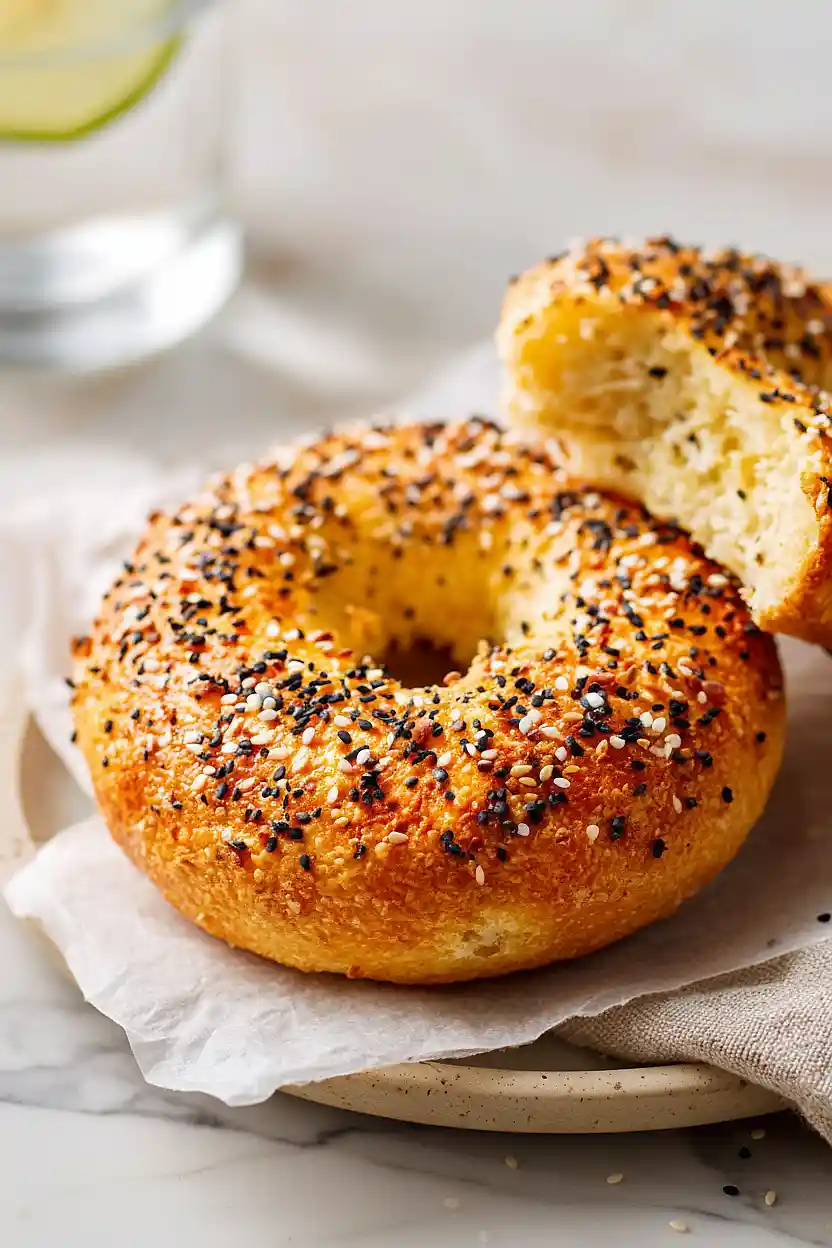
The secret is in the dough. It’s what they call “fathead dough” in the keto world, which is basically melted mozzarella mixed with cream cheese and almond flour. I know it sounds weird, but trust me on this one. The texture comes out chewy and satisfying, not dry or crumbly like some low-carb bread recipes I’ve tried.
What I love most about these bagels is that they’re loaded with protein from all the cheese and eggs. My kids even eat them without realizing they’re keto-friendly. I’ll make a batch on Sunday and toast them throughout the week for quick breakfasts. Toast one up, spread some cream cheese on top, and you’ve got yourself a breakfast that won’t leave you hungry an hour later.
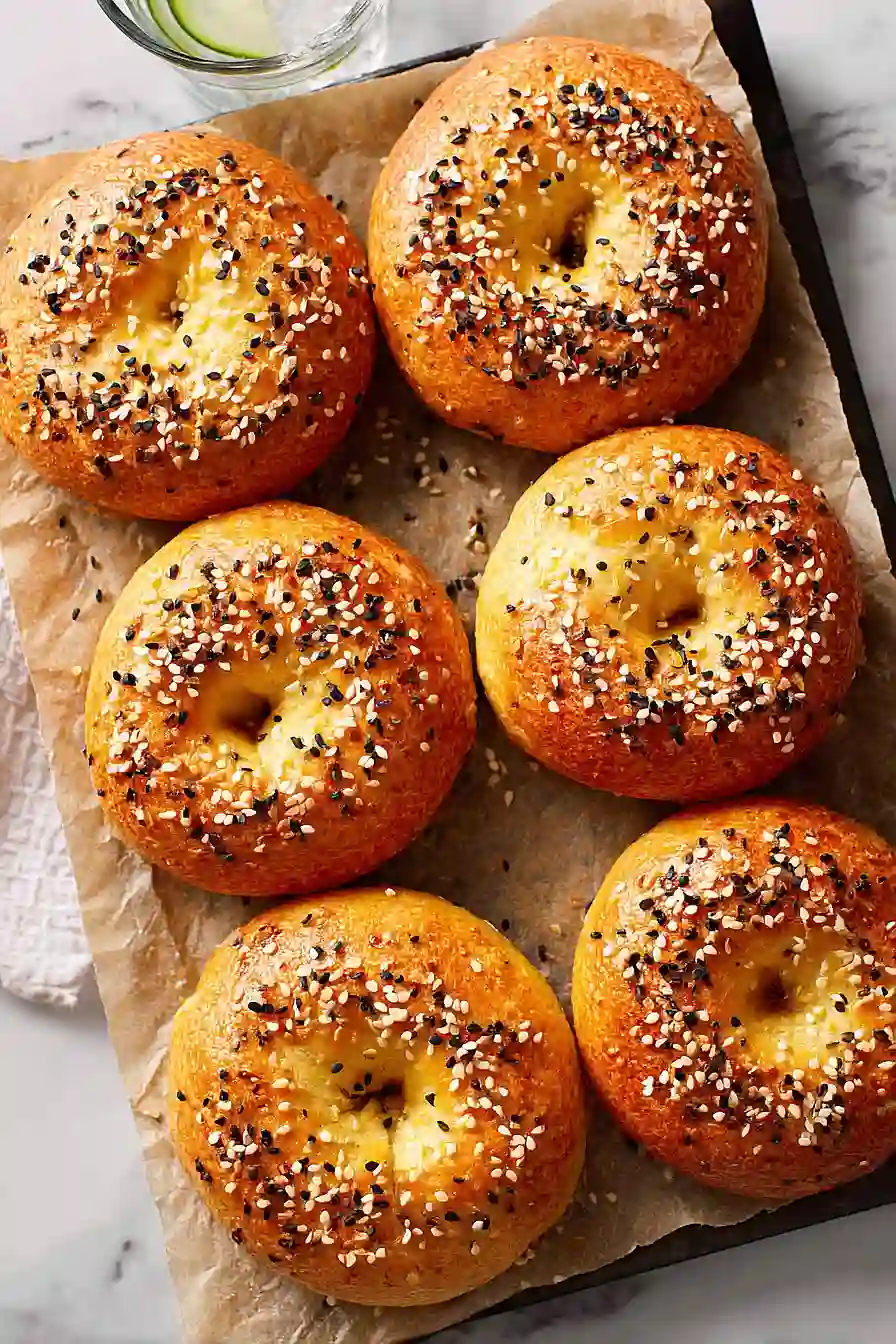
Why You’ll Love These Keto Protein Bagels
- Keto-friendly and low-carb – These bagels use almond and coconut flour instead of regular flour, so you can enjoy a classic breakfast favorite while staying in ketosis.
- High in protein – With eggs and mozzarella cheese as key ingredients, each bagel packs a protein punch that keeps you full and satisfied all morning.
- Simple ingredients – You probably already have most of these pantry staples on hand, making this an easy recipe to whip up anytime.
- Ready in under an hour – From mixing the dough to pulling fresh bagels out of the oven, you’ll have homemade bagels in less time than it takes to run to the bakery.
- Customizable toppings – Whether you prefer classic sesame seeds or everything bagel seasoning, you can make these bagels your own.
What Kind of Mozzarella Should I Use?
For keto bagels, you’ll want to use low-moisture mozzarella cheese, which you can find in block form or pre-shredded at any grocery store. The block form tends to melt more smoothly and creates a better dough texture, but pre-shredded will work in a pinch if that’s what you have on hand. Avoid fresh mozzarella (the kind that comes in water) since it has too much moisture and won’t give you that stretchy, dough-like consistency you need for bagels. When melting your mozzarella, make sure to do it slowly and stir frequently to prevent it from getting stringy or separating.
Options for Substitutions
These keto bagels are pretty forgiving when it comes to swaps, though some ingredients are must-haves:
- Almond flour: You can use sunflower seed flour if you have a nut allergy, but keep in mind it might turn your bagels slightly green due to a reaction with baking powder – totally safe to eat though! The texture will be similar.
- Coconut flour: This one’s tricky to substitute since coconut flour is super absorbent. If you must swap it, try using half the amount of almond flour, but your dough might be stickier and need adjustments.
- Mozzarella: Low-moisture mozzarella works best here, but you can try provolone or a mild white cheddar. Avoid pre-shredded cheese if possible – block cheese melts better and has fewer additives that can affect the dough.
- Cream cheese: Greek yogurt or mascarpone can work in place of cream cheese, though the texture might be slightly different. Make sure whatever you use is full-fat to keep it keto-friendly.
- Toppings: Feel free to get creative here! Poppy seeds, dried onion flakes, garlic powder, or coarse salt all work great. You can also skip toppings altogether for plain bagels.
Watch Out for These Mistakes While Baking
The biggest mistake when making keto bagels is not working with the mozzarella dough while it’s still warm – if it cools down too much, it becomes impossible to shape, so keep a bowl of warm water nearby to dip your hands in as you work.
Another common issue is overmixing the dough in the food processor once you add the melted cheese, which can make your bagels dense and tough instead of chewy – pulse just until everything comes together into a smooth ball.
To get that authentic bagel texture, make sure your mozzarella and cream cheese mixture is hot enough (it should be stretchy and gooey) before adding it to the dry ingredients, and don’t skip the cooling time after baking since the bagels need to set properly or they’ll be gummy inside.
If your dough feels too sticky to handle, lightly oil your hands or dust them with a bit of coconut flour to make shaping the rings much easier.
What to Serve With Keto Protein Bagels?
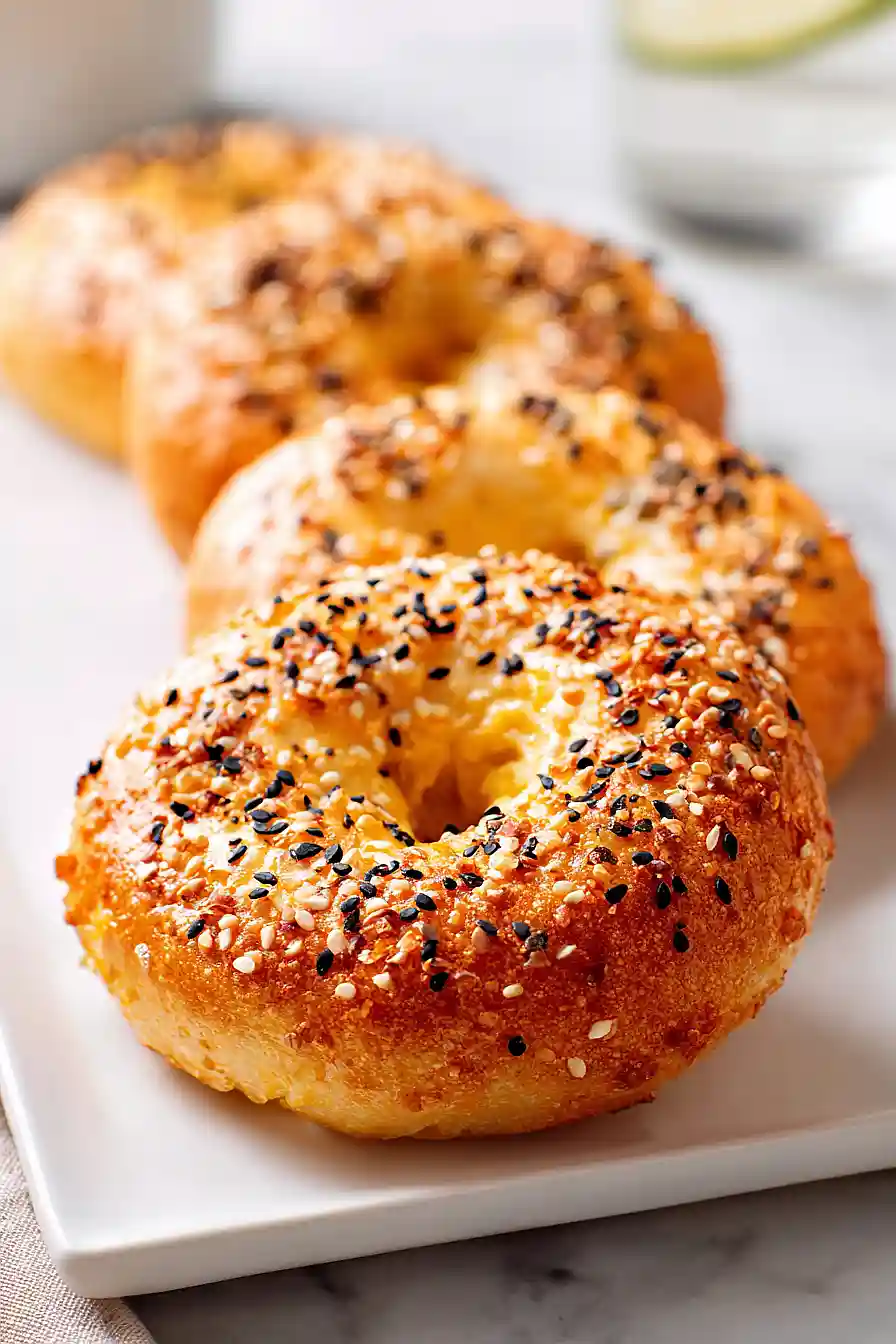
These bagels are perfect for breakfast or lunch, and they pair really well with classic bagel toppings like cream cheese, smoked salmon, and sliced tomatoes. If you’re keeping things keto-friendly, try topping them with avocado, bacon, and a fried egg for a filling breakfast sandwich. They also work great with deli meats and cheese for a quick lunch, or you can keep it simple with butter and sugar-free jam. Since these bagels are pretty filling on their own thanks to all the protein, a side of fresh berries or a small salad is usually all you need to round out the meal.
Storage Instructions
Store: These keto bagels keep really well in an airtight container or zip-top bag at room temperature for about 2 days. If you want them to last longer, stick them in the fridge for up to a week. They’re great to make on Sunday and enjoy throughout the week for quick breakfasts.
Freeze: I always make a double batch and freeze half for later. Just slice them in half before freezing, then wrap individually in plastic wrap or store in a freezer bag with parchment between each one. They’ll stay good for up to 3 months.
Toast: Pop them straight from the freezer into your toaster or toaster oven until warmed through and slightly crispy on the outside. You can also thaw them on the counter for about 30 minutes if you prefer, then toast as usual. They taste just as good as fresh!
| Preparation Time | 25-35 minutes |
| Cooking Time | 15-20 minutes |
| Total Time | 40-55 minutes |
| Level of Difficulty | Medium |
| Servings | 6 bagels |
Estimated Nutrition
Estimated nutrition for the whole recipe (without optional ingredients):
- Calories: 2700-3000
- Protein: 160-175 g
- Fat: 200-220 g
- Carbohydrates: 60-70 g
Ingredients
For the dough (almond or coconut option):
- 1.75 cups almond flour (I always use King Arthur for a finer, less gritty texture)
- 0.5 cup coconut flour
- 2 tbsp baking powder
- 3 eggs (room temperature, about 70°F, helps the dough emulsify)
- 2.5 cups mozzarella (shredded from a block for better melting without anti-clumping agents)
- 2 oz cream cheese (I prefer Philadelphia brand for the best consistency)
- 1/4 teaspoon salt
- 1/2 teaspoon garlic powder
For the finishing:
- cooking spray
- sesame seeds (optional, adds a nice crunch)
- everything bagel seasoning
Step 1: Prepare Your Equipment and Mise en Place
- 1.75 cups almond flour
- 0.5 cup coconut flour
- 2 tbsp baking powder
- 1/4 teaspoon salt
- 1/2 teaspoon garlic powder
- 3 eggs
Preheat your oven to 375°F and line a baking sheet with parchment paper.
Measure out all your dry ingredients (almond flour, coconut flour, baking powder, salt, and garlic powder) and have them ready near your food processor.
Remove your eggs from the refrigerator if they’re cold—room temperature eggs around 70°F will emulsify much better with the cheese mixture and create a smoother dough.
Shred your mozzarella from a block rather than using pre-shredded cheese, as the anti-clumping agents in packaged cheese can interfere with melting and texture.
Step 2: Combine Dry Ingredients and Add Eggs
- dry ingredient mixture from Step 1
- 3 eggs
Add the almond flour, coconut flour, baking powder, salt, and garlic powder to your food processor and pulse until well combined and no lumps remain.
Add your room-temperature eggs and blend until the mixture is smooth and resembles wet sand.
This step is quick but important—don’t overmix once the eggs are incorporated, as you want a cohesive mixture ready to receive the melted cheese.
Step 3: Melt Cheese and Create the Dough
- 2.5 cups mozzarella
- 2 oz cream cheese
- egg and flour mixture from Step 2
Place the shredded mozzarella and cream cheese in a microwave-safe bowl and microwave for about 2 minutes on high heat, stirring halfway through.
The cheese should be fully melted and smooth—if there are any lumps, give it a few extra seconds.
Working quickly while the cheese is hot, pour the melted cheese mixture into the food processor with the egg and flour mixture from Step 2, then pulse until a smooth, cohesive dough forms.
I find that adding hot cheese to the dry mixture helps activate the gluten-free structure and creates better elasticity for shaping.
Step 4: Shape and Prepare for Baking
- dough from Step 3
- cooking spray
- sesame seeds
- everything bagel seasoning
Divide the dough into 6 equal portions and roll each into a smooth ball.
To form bagel rings, poke your thumb through the center of each ball and gently stretch it into a ring shape with about a 2-inch hole in the middle—this creates the classic bagel form.
Place the rings on your prepared baking sheet and flatten them slightly so they’re about 3/4-inch thick.
If using toppings, lightly spray the tops with cooking spray and sprinkle with sesame seeds and/or everything bagel seasoning.
Step 5: Bake Until Golden
- shaped bagels from Step 4
Place the bagel ring sheet in your preheated 375°F oven and bake for 15 minutes until the tops are light golden and the bagels are set but still slightly tender when you tap them.
They should feel firm but with a tiny bit of give—this is the sweet spot for a tender, chewy texture rather than a dense, hard bagel.
Step 6: Cool Before Serving
Remove the bagels from the oven and let them cool on the baking sheet for at least 15 minutes before handling.
This resting period allows the structure to set properly and makes them much easier to slice without falling apart.
They’ll continue to firm up as they cool, developing a better texture for toasting or slicing in half.

Keto Mozzarella Protein Bagels
Ingredients
For the dough (almond or coconut option):
- 1.75 cups almond flour (I always use King Arthur for a finer, less gritty texture)
- 0.5 cup coconut flour
- 2 tbsp baking powder
- 3 eggs (room temperature, about 70°F, helps the dough emulsify)
- 2.5 cups mozzarella (shredded from a block for better melting without anti-clumping agents)
- 2 oz cream cheese (I prefer Philadelphia brand for the best consistency)
- 1/4 teaspoon salt
- 1/2 teaspoon garlic powder
For the finishing::
- cooking spray
- sesame seeds (optional, adds a nice crunch)
- everything bagel seasoning
Instructions
- Preheat your oven to 375°F and line a baking sheet with parchment paper. Measure out all your dry ingredients (almond flour, coconut flour, baking powder, salt, and garlic powder) and have them ready near your food processor. Remove your eggs from the refrigerator if they're cold—room temperature eggs around 70°F will emulsify much better with the cheese mixture and create a smoother dough. Shred your mozzarella from a block rather than using pre-shredded cheese, as the anti-clumping agents in packaged cheese can interfere with melting and texture.
- Add the almond flour, coconut flour, baking powder, salt, and garlic powder to your food processor and pulse until well combined and no lumps remain. Add your room-temperature eggs and blend until the mixture is smooth and resembles wet sand. This step is quick but important—don't overmix once the eggs are incorporated, as you want a cohesive mixture ready to receive the melted cheese.
- Place the shredded mozzarella and cream cheese in a microwave-safe bowl and microwave for about 2 minutes on high heat, stirring halfway through. The cheese should be fully melted and smooth—if there are any lumps, give it a few extra seconds. Working quickly while the cheese is hot, pour the melted cheese mixture into the food processor with the egg and flour mixture from Step 2, then pulse until a smooth, cohesive dough forms. I find that adding hot cheese to the dry mixture helps activate the gluten-free structure and creates better elasticity for shaping.
- Divide the dough into 6 equal portions and roll each into a smooth ball. To form bagel rings, poke your thumb through the center of each ball and gently stretch it into a ring shape with about a 2-inch hole in the middle—this creates the classic bagel form. Place the rings on your prepared baking sheet and flatten them slightly so they're about 3/4-inch thick. If using toppings, lightly spray the tops with cooking spray and sprinkle with sesame seeds and/or everything bagel seasoning.
- Place the bagel ring sheet in your preheated 375°F oven and bake for 15 minutes until the tops are light golden and the bagels are set but still slightly tender when you tap them. They should feel firm but with a tiny bit of give—this is the sweet spot for a tender, chewy texture rather than a dense, hard bagel.
- Remove the bagels from the oven and let them cool on the baking sheet for at least 15 minutes before handling. This resting period allows the structure to set properly and makes them much easier to slice without falling apart. They'll continue to firm up as they cool, developing a better texture for toasting or slicing in half.