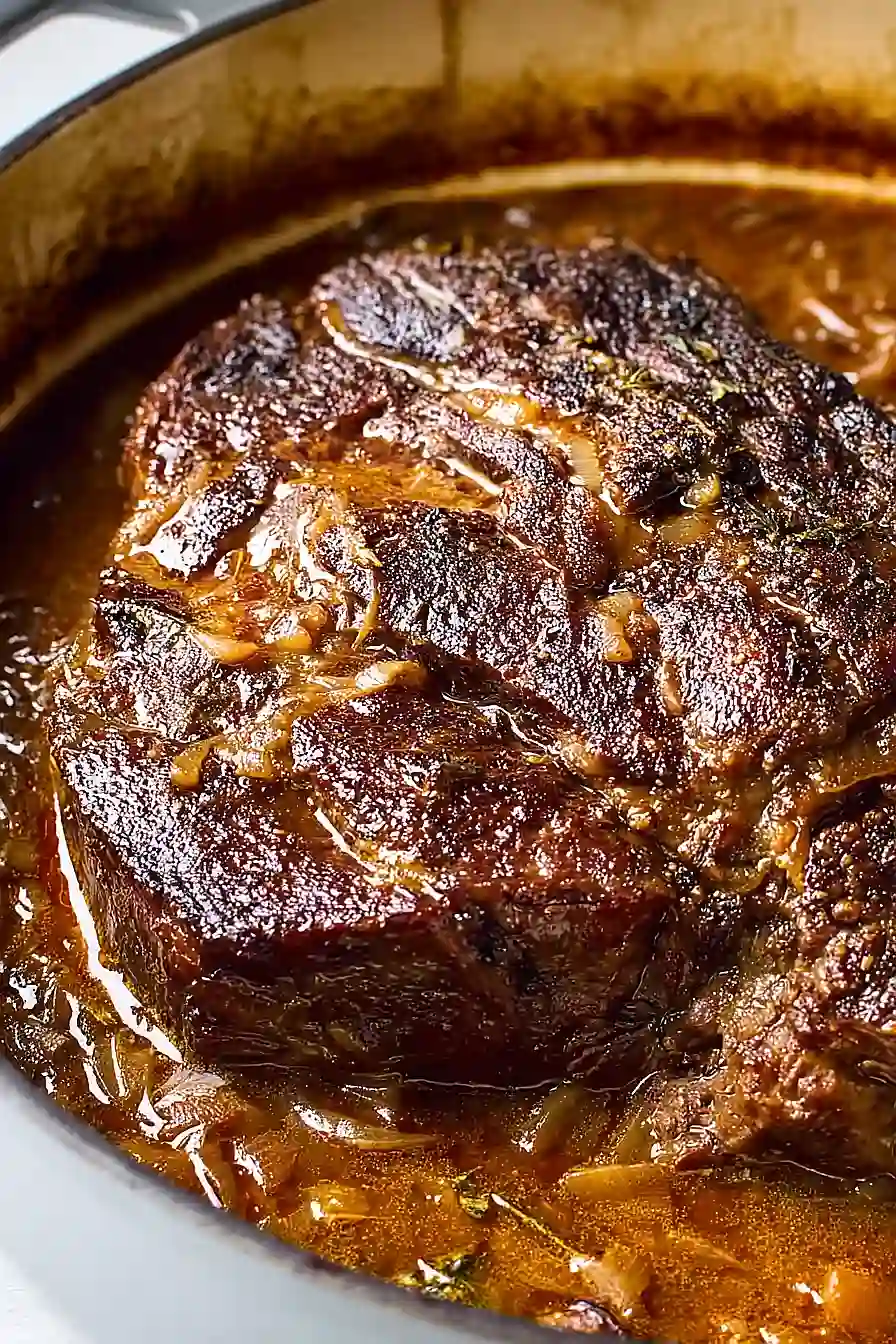
If you ask me, spare ribs are one of the best things to throw on the smoker.
This classic barbecue recipe delivers tender, fall-off-the-bone ribs with a flavorful crust that’ll have everyone coming back for seconds. The combination of pork and beef rubs creates layers of smoky, savory goodness with just the right amount of heat.
The secret is in the simple rub blend—two types of seasoning mixed with black pepper, dry mustard, and a touch of cayenne. Once you trim off that silver skin and coat these ribs, they’re ready for low and slow smoking.
It’s the kind of hands-off dish that makes you look like a pro, perfect for weekend cookouts or whenever you’re craving real deal barbecue.

Why You’ll Love These Smoked Spare Ribs
- Restaurant-quality results at home – These ribs come out tender, smoky, and fall-off-the-bone delicious, rivaling anything you’d get at your favorite barbecue joint.
- Simple seasoning blend – You only need a few basic rubs to create incredible flavor, and if you don’t have the specialty rubs, simple salt, pepper, and garlic powder work great too.
- Perfect for gatherings – Smoked ribs are always a hit at cookouts and family dinners, making you look like a grilling pro with minimal effort.
- Set it and forget it – Once your ribs are on the smoker, you can relax and let the low and slow cooking method work its magic while you enjoy time with friends and family.
What Kind of Spare Ribs Should I Use?
When you’re at the butcher counter, you’ll typically find two main types of pork ribs: spare ribs and baby back ribs. Spare ribs come from the belly side of the pig and are larger, meatier, and have more fat than baby backs, which makes them perfect for low and slow smoking. You can use the ribs as-is from the store, but many pitmasters prefer to trim them into a “St. Louis style” cut by removing the rib tips and excess cartilage for a more uniform shape that cooks evenly. Look for ribs with good marbling and a nice pink color, and try to find a rack that’s relatively uniform in thickness so everything cooks at the same rate.

Options for Substitutions
This recipe keeps things simple, which means you have some room to work with what you’ve got:
- Spare ribs: If you can’t find spare ribs, baby back ribs are a great substitute. Just keep in mind they’re smaller and leaner, so they’ll cook faster – usually about an hour less than spare ribs.
- Hey Grill Hey Rib Rub: Don’t have this specific rub? Make your own with brown sugar, paprika, garlic powder, onion powder, and a pinch of cayenne. Any store-bought rib rub will work too.
- Hey Grill Hey Beef Rub: As mentioned in the recipe, you can easily replace this with equal parts salt, pepper, and garlic powder. A simple SPG (salt, pepper, garlic) blend does the job perfectly.
- Coarse black pepper: If you only have regular ground black pepper, that’s totally fine. You might just lose a bit of that nice texture from the coarser grind, but the flavor will still be there.
Watch Out for These Mistakes While Grilling
The biggest mistake people make with spare ribs is leaving the membrane on the back of the rack, which creates a chewy, rubbery texture that prevents smoke and seasoning from penetrating the meat – use a butter knife to loosen one corner, then grab it with a paper towel and peel it off in one smooth motion.
Another common error is opening the smoker too often to check on your ribs, which causes temperature swings and adds extra cooking time – trust the process and only check once after the first 3 hours to see how they’re progressing.
Don’t rely solely on time to determine doneness, since every rack is different – your ribs are ready when the meat pulls back from the bones about a quarter inch and when you pick up the rack with tongs from the center, it bends easily and the surface cracks slightly.
Finally, skipping the rest period is a mistake that costs you juicy, tender ribs, so give them at least 10 minutes wrapped in foil before slicing to let the juices redistribute throughout the meat.

What to Serve With Smoked Spare Ribs?
Smoked spare ribs are perfect with classic barbecue sides that can handle all that smoky, savory flavor. I always go for creamy coleslaw and baked beans – the cool crunch of the slaw cuts through the richness of the ribs, while the beans add a sweet and tangy element to the plate. Cornbread or dinner rolls are great for soaking up any extra sauce, and don’t forget about mac and cheese if you’re feeding a crowd. For something lighter, grilled corn on the cob or a simple cucumber salad helps balance out the meal without competing with those delicious ribs.
Storage Instructions
Store: Leftover smoked ribs keep really well in the fridge for up to 4 days. Just wrap them tightly in aluminum foil or place them in an airtight container once they’ve cooled down. The meat will firm up a bit in the fridge, but don’t worry – they’ll be delicious when you reheat them.
Freeze: These ribs freeze great for up to 3 months. I like to wrap individual portions in plastic wrap, then again in foil before putting them in a freezer bag. That way you can grab just what you need without thawing the whole batch.
Reheat: The best way to bring these back to life is in a 250°F oven wrapped in foil for about 30-40 minutes until warmed through. You can also reheat them on the grill over indirect heat, or even in the microwave if you’re in a hurry – just cover them with a damp paper towel to keep them from drying out.
| Preparation Time | 20-30 minutes |
| Cooking Time | 240-300 minutes |
| Total Time | 270-330 minutes |
| Level of Difficulty | Medium |
| Servings | 3 servings |
Estimated Nutrition
Estimated nutrition for the whole recipe (without optional ingredients):
- Calories: 1100-1400
- Protein: 70-90 g
- Fat: 85-110 g
- Carbohydrates: 4-8 g
Ingredients
- 1 rack spare ribs (trimmed of silver skin for better tenderness)
- 2 tablespoons pork rub (I use Killer Hogs The BBQ Rub)
- 1 tablespoon beef rub (I prefer Meat Church Holy Cow for extra savory depth)
- 2 teaspoons coarse ground black pepper
- 1/2 teaspoon dry mustard
- 1/4 teaspoon cayenne pepper
Step 1: Prepare and Season the Ribs
- 1 rack spare ribs
- 2 tablespoons pork rub
- 1 tablespoon beef rub
- 2 teaspoons coarse ground black pepper
- 1/2 teaspoon dry mustard
- 1/4 teaspoon cayenne pepper
Start by removing the silver skin (membrane) from the back of the ribs using a sharp knife or paper towel for grip—this allows the smoke and seasonings to penetrate the meat for better tenderness.
Pat the ribs dry with paper towels, which helps the rub adhere better and promotes better smoke absorption.
In a small bowl, combine the pork rub, beef rub, coarse ground black pepper, dry mustard, and cayenne pepper, stirring to create an even spice blend.
Generously apply this mixture to both sides of the ribs, pressing gently so it sticks to the meat.
I like to let the seasoned ribs sit at room temperature for about 15-20 minutes before smoking—this helps the meat cook more evenly.
Step 2: Set Up and Heat Your Smoker
Preheat your smoker to 250°F, allowing at least 15-20 minutes for it to stabilize at temperature.
Use your preferred wood—hickory, oak, or a blend work well for pork ribs—and ensure your water pan is filled to help maintain steady heat and moisture.
Once the smoker is fully preheated and producing steady, thin blue smoke, you’re ready to add the ribs.
Step 3: Smoke the Ribs Low and Slow
- seasoned ribs from Step 1
Place the seasoned ribs bone-side down on the smoker grates, arranging them so they have good airflow around them.
Smoke for about 4 hours at 250°F, maintaining consistent temperature and smoke throughout.
At the 4-hour mark, check for tenderness by probing between the bones with a toothpick—it should slide through with minimal resistance.
Continue cooking until the ribs reach an internal temperature of 200-205°F when measured at the thickest part of the meat (not touching bone).
I find that ribs typically reach this temperature around 5-6 hours total, but every smoker is different, so rely on both temperature and the toothpick test rather than time alone.
Step 4: Rest and Serve
- smoked ribs from Step 3
Remove the ribs from the smoker and let them rest uncovered for 10-15 minutes—this allows the juices to redistribute throughout the meat, keeping every bite tender and flavorful.
After resting, slice between the bones to separate individual ribs and serve immediately while still warm.

Perfect Smoked Spare Ribs
Ingredients
- 1 rack spare ribs (trimmed of silver skin for better tenderness)
- 2 tablespoons pork rub (I use Killer Hogs The BBQ Rub)
- 1 tablespoon beef rub (I prefer Meat Church Holy Cow for extra savory depth)
- 2 teaspoons coarse ground black pepper
- 1/2 teaspoon dry mustard
- 1/4 teaspoon cayenne pepper
Instructions
- Start by removing the silver skin (membrane) from the back of the ribs using a sharp knife or paper towel for grip—this allows the smoke and seasonings to penetrate the meat for better tenderness. Pat the ribs dry with paper towels, which helps the rub adhere better and promotes better smoke absorption. In a small bowl, combine the pork rub, beef rub, coarse ground black pepper, dry mustard, and cayenne pepper, stirring to create an even spice blend. Generously apply this mixture to both sides of the ribs, pressing gently so it sticks to the meat. I like to let the seasoned ribs sit at room temperature for about 15-20 minutes before smoking—this helps the meat cook more evenly.
- Preheat your smoker to 250°F, allowing at least 15-20 minutes for it to stabilize at temperature. Use your preferred wood—hickory, oak, or a blend work well for pork ribs—and ensure your water pan is filled to help maintain steady heat and moisture. Once the smoker is fully preheated and producing steady, thin blue smoke, you're ready to add the ribs.
- Place the seasoned ribs bone-side down on the smoker grates, arranging them so they have good airflow around them. Smoke for about 4 hours at 250°F, maintaining consistent temperature and smoke throughout. At the 4-hour mark, check for tenderness by probing between the bones with a toothpick—it should slide through with minimal resistance. Continue cooking until the ribs reach an internal temperature of 200-205°F when measured at the thickest part of the meat (not touching bone). I find that ribs typically reach this temperature around 5-6 hours total, but every smoker is different, so rely on both temperature and the toothpick test rather than time alone.
- Remove the ribs from the smoker and let them rest uncovered for 10-15 minutes—this allows the juices to redistribute throughout the meat, keeping every bite tender and flavorful. After resting, slice between the bones to separate individual ribs and serve immediately while still warm.