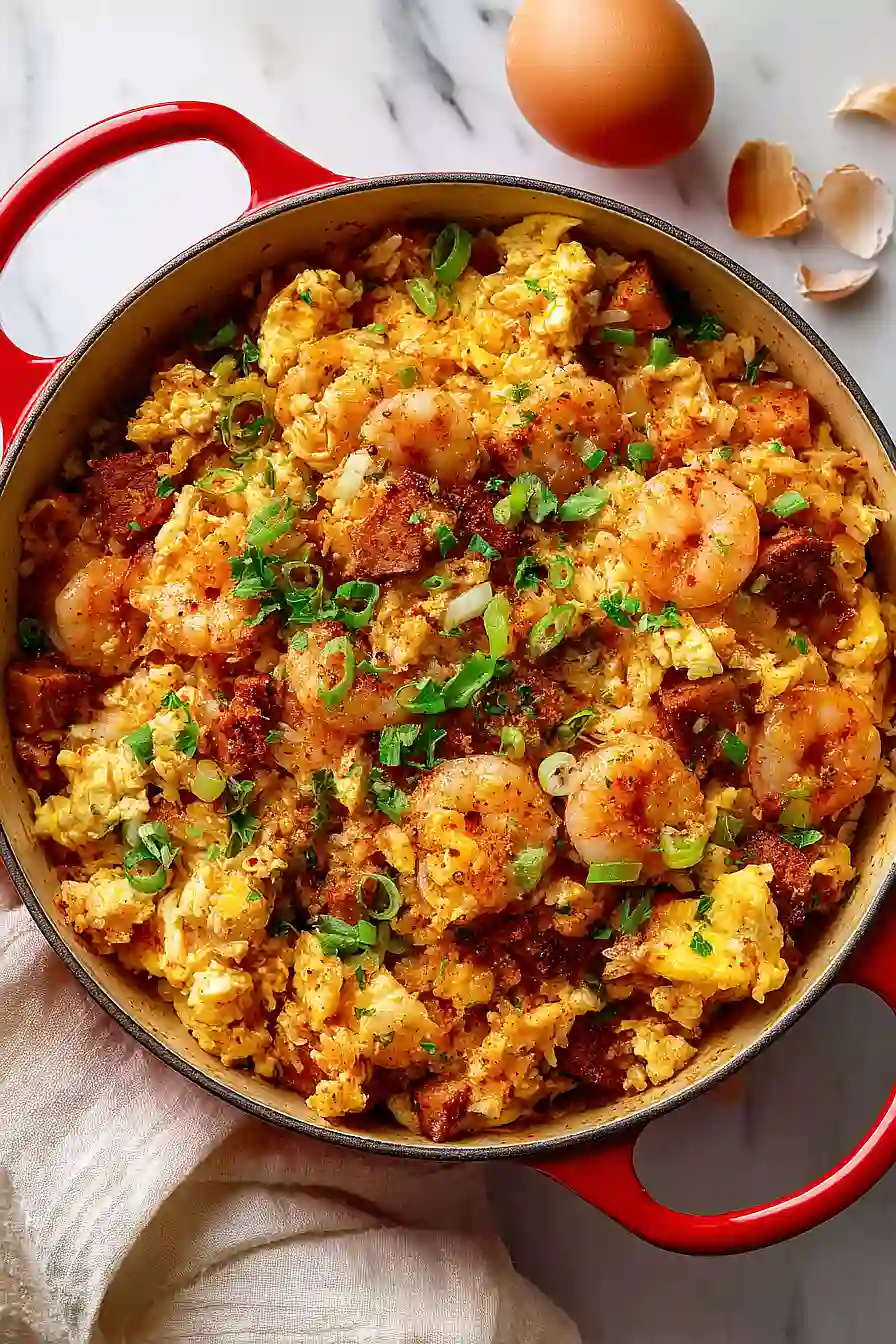
I grew up thinking jambalaya was one of those dishes you only ordered at restaurants or ate when visiting family down South. It seemed complicated with all those spices and the timing to get the rice just right. Then one morning, I had leftover jambalaya in the fridge and some eggs that needed using up, and I thought—why not throw it all together with some crispy hash browns?
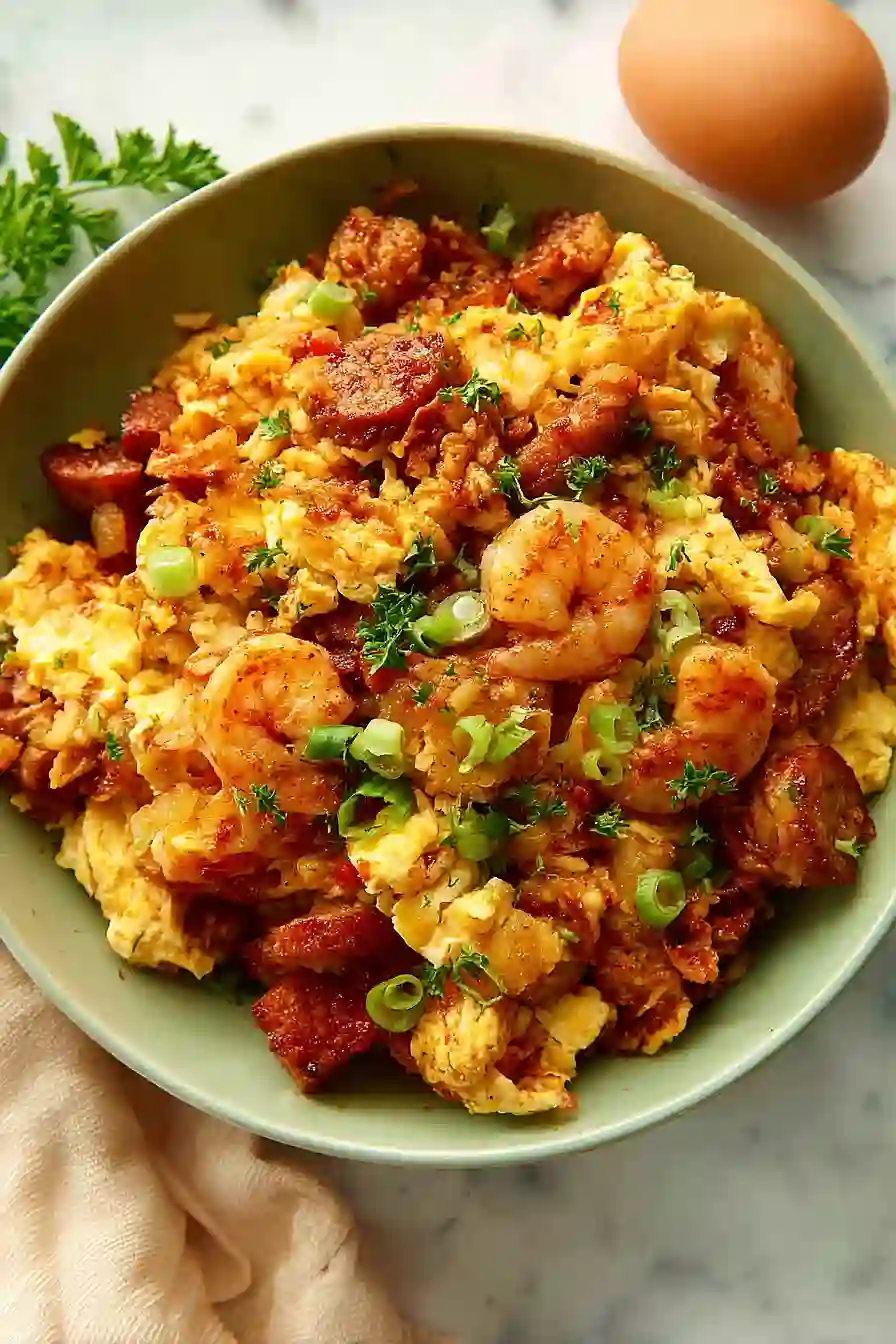
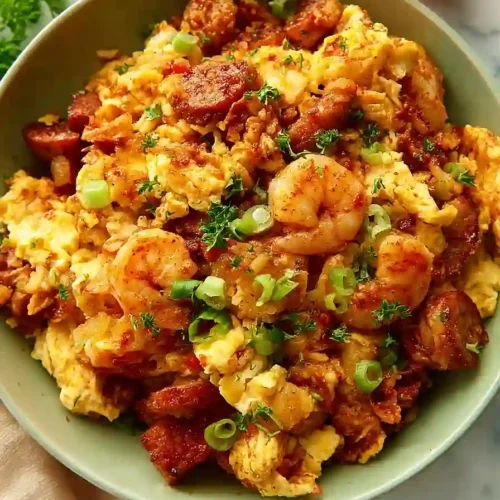
Turns out, jambalaya hash and eggs is the breakfast mashup I didn’t know I needed. You get all that spicy, smoky goodness from the andouille sausage and peppers, the comfort of crispy potatoes, and a runny egg to tie it all together. It’s easier than it sounds, and honestly, it’s become my go-to when I want something more interesting than regular scrambled eggs.
Why You’ll Love This Jambalaya Hash and Eggs
- All-in-one breakfast – This dish combines everything you love about jambalaya with breakfast favorites like hash browns and eggs, giving you a complete meal in one skillet.
- Ready in under 45 minutes – You can have this hearty breakfast on the table in less time than it takes to run to a brunch spot, making it perfect for lazy weekend mornings.
- Packed with flavor – The Cajun spices, savory sausage, and fresh vegetables create a bold taste that’ll wake up your taste buds without being overly complicated.
- Great for feeding a crowd – This recipe makes plenty of servings, so it’s ideal for family breakfasts or when you have guests staying over.
What Kind of Breakfast Sausage Should I Use?
For this jambalaya hash, you’ll want to grab bulk breakfast sausage – the kind that comes in a roll or tube rather than links. Regular pork breakfast sausage works great, but if you want to add a little extra kick, spicy or hot breakfast sausage is a solid choice that plays well with the Cajun flavors. You can also use turkey breakfast sausage if you prefer a leaner option, though it won’t be quite as rich. Just make sure you’re buying uncooked sausage that you can crumble as it cooks, not pre-cooked patties or links.
Options for Substitutions
This recipe is pretty forgiving when it comes to swaps, so here are some options if you need to make changes:
- Breakfast sausage: You can use andouille sausage for a more traditional jambalaya flavor, or swap in ground turkey or chicken sausage for a lighter option. Italian sausage works too if that’s what you have on hand.
- Bell pepper: Any color bell pepper works fine here – green, red, yellow, or orange. You can also use a mix of colors if you want.
- Long grain rice: Don’t substitute the rice in this recipe – long grain rice is important for getting the right texture. Other rice varieties like jasmine or basmati will get too sticky or mushy.
- Hash browns: Fresh shredded potatoes work just as well as frozen. If using fresh, squeeze out excess moisture with a clean kitchen towel before adding them to the pan.
- Chicken broth: Vegetable broth is a fine substitute, though you’ll lose a bit of that savory depth. You can also use water with an extra bouillon cube or two.
- Fresh thyme: Dried thyme works in a pinch – just use 1 teaspoon instead of the tablespoon of fresh.
- Cayenne pepper: If you’re not into spicy food, feel free to reduce or skip the cayenne altogether. The dish will still have plenty of flavor from the other seasonings.
Watch Out for These Mistakes While Cooking
The biggest mistake when making jambalaya hash is stirring the rice too much after adding the broth, which releases excess starch and creates a gummy, sticky texture instead of fluffy grains – just let it simmer undisturbed with the lid on.
Another common error is overcooking the eggs, so scramble them until they’re still slightly wet since they’ll continue cooking when mixed with the hot rice and hash browns.
Don’t skip browning the sausage properly in the first step, as those caramelized bits add tons of flavor to the dish, and make sure your hash browns get crispy before adding them to the mix – soggy potatoes will make the whole dish feel heavy.
Finally, taste and adjust your seasonings at the end, since the saltiness of different sausages and broths can vary quite a bit.

What to Serve With Jambalaya Hash and Eggs?
This dish is pretty hearty on its own, but I love serving it with some buttered toast or biscuits on the side for soaking up all those good flavors. A simple side salad with a light vinaigrette helps cut through the richness of the eggs and sausage, or you could go with some sliced avocado and hot sauce if you want to keep things in the breakfast realm. If you’re feeding a crowd for brunch, consider adding some fresh fruit like melon or berries to balance out the spicy, savory flavors of the jambalaya hash.
Storage Instructions
Store: This jambalaya hash keeps really well in the fridge for up to 4 days in an airtight container. I like to store the eggs separately if I’m meal prepping, so I can fry up fresh ones when I’m ready to eat. The hash actually tastes even better the next day once all those flavors have had time to hang out together.
Freeze: You can freeze the hash portion (without the eggs) for up to 3 months in a freezer-safe container. Just let it cool completely first, and leave a little room at the top since it’ll expand slightly when frozen.
Reheat: Warm up the hash in a skillet over medium heat with a splash of chicken broth to keep it from drying out, or microwave it in 1-minute intervals, stirring in between. Then just fry up some fresh eggs on top and you’re good to go!
| Preparation Time | 10-15 minutes |
| Cooking Time | 25-30 minutes |
| Total Time | 35-45 minutes |
| Level of Difficulty | Medium |
| Servings | 6 servings |
Estimated Nutrition
Estimated nutrition for the whole recipe (without optional ingredients):
- Calories: 3300-3700
- Protein: 95-115 g
- Fat: 190-210 g
- Carbohydrates: 325-350 g
Ingredients
For the jambalaya base:
- 2 tbsp olive oil
- 1 lb Johnsonville Andouille sausage
- 1 cup onion, diced
- 3/4 cup green bell pepper, diced
- 1/2 cup celery, diced
- 3 cloves garlic, freshly minced
- 1 1/2 cups Mahatma long-grain white rice
- 1 tbsp fresh thyme
- 1 tsp salt
- 1/2 tsp black pepper
- 1 tsp smoked paprika
- 1/2 tsp cayenne pepper
- 1 tsp Louisiana-style hot sauce
- 15 oz Hunt’s crushed tomatoes
- 2 3/4 cups chicken stock
For the potatoes:
- 2 tbsp olive oil
- 16 oz shredded hash browns, thawed and patted dry
For the eggs and garnish:
- 2 tbsp olive oil
- 5 large eggs, beaten
- 1/4 cup fresh parsley, chopped
Step 1: Prepare Mise en Place and Cook the Jambalaya Base
- 2 tbsp olive oil
- 1 lb Johnsonville Andouille sausage
- 1 cup onion, diced
- 3/4 cup green bell pepper, diced
- 1/2 cup celery, diced
- 3 cloves garlic, freshly minced
- 1 tbsp fresh thyme
- 1/4 cup fresh parsley, chopped
Dice the onion, bell pepper, and celery, mince the garlic, chop the fresh thyme and parsley, and set all aside.
Heat 2 tablespoons of olive oil in a large pot over medium-high heat.
Slice the Andouille sausage into rounds and cook for about 7 minutes until browned on both sides, then transfer to a bowl and set aside.
This browning step builds deep flavor that will carry throughout the dish.
Step 2: Build the Jambalaya Flavor Base
- 1 cup onion, diced
- 3/4 cup green bell pepper, diced
- 1/2 cup celery, diced
- 3 cloves garlic, freshly minced
- 1 1/2 cups Mahatma long-grain white rice
In the same pot with the sausage oil, add the diced onion, bell pepper, and celery, cooking for 5 minutes until softened and fragrant.
Add the minced garlic and cook for 1 minute more to bloom the flavors.
Stir in the rice and toast it for 3 minutes, stirring occasionally—this step helps the rice absorb liquid more evenly and creates a slightly nutty flavor.
I find that toasting the rice first makes a real difference in the final texture and prevents mushy jambalaya.
Step 3: Simmer the Jambalaya Rice
- 1 tbsp fresh thyme
- 1 tsp salt
- 1/2 tsp black pepper
- 1 tsp smoked paprika
- 1/2 tsp cayenne pepper
- 1 tsp Louisiana-style hot sauce
- 15 oz Hunt’s crushed tomatoes
- 2 3/4 cups chicken stock
Add the fresh thyme, salt, black pepper, smoked paprika, cayenne pepper, Louisiana-style hot sauce, and crushed tomatoes to the rice mixture, stirring well to combine all the spices and coat the rice.
Pour in the chicken stock and stir once more to distribute everything evenly.
Bring to a boil, then reduce heat to low, cover with a lid, and simmer for 15-20 minutes until the rice is tender and the liquid is absorbed.
While this simmers unattended, you can prepare the hash browns and eggs components.
Step 4: Crisp the Hash Browns
- 2 tbsp olive oil
- 16 oz shredded hash browns, thawed and patted dry
While the jambalaya is simmering, heat 2 tablespoons of olive oil in a large skillet over medium-high heat.
Add the thawed hash browns that have been patted dry with paper towels to remove excess moisture—this is key for getting them crispy rather than steamed.
Cook for 8-10 minutes, stirring occasionally, until golden brown and crispy on the edges.
Transfer the cooked hash browns to a plate, leaving the oil in the skillet for the next step.
Step 5: Cook the Eggs
- 5 large eggs, beaten
In the same skillet with the remaining oil from the hash browns, pour in the beaten eggs over medium heat.
Let them cook gently without stirring for the first 30 seconds, then scramble them lightly, cooking until they’re just set but still slightly creamy, about 2-3 minutes total.
I prefer my eggs slightly underdone at this stage since they’ll continue to cook a bit when mixed into the hot jambalaya.
Transfer the cooked eggs to a separate plate.
Step 6: Combine and Finish
- cooked sausage from Step 1
- crispy hash browns from Step 4
- cooked eggs from Step 5
- 1/4 cup fresh parsley, chopped
Check that the jambalaya rice is tender and the liquid is absorbed—if it looks dry and rice still seems firm, add a splash more stock and continue cooking.
Gently fold the cooked sausage from Step 1, the crispy hash browns from Step 4, and the cooked eggs from Step 5 into the jambalaya rice, being careful not to break up the eggs too much.
Finish by sprinkling the fresh parsley over the top, give it a gentle stir to combine, and serve immediately while everything is still warm and the textures are at their best.
Southern Jambalaya Hash and Eggs
Ingredients
For the jambalaya base
- 2 tbsp olive oil
- 1 lb Johnsonville Andouille sausage
- 1 cup onion, diced
- 3/4 cup green bell pepper, diced
- 1/2 cup celery, diced
- 3 cloves garlic, freshly minced
- 1 1/2 cups Mahatma long-grain white rice
- 1 tbsp fresh thyme
- 1 tsp salt
- 1/2 tsp black pepper
- 1 tsp smoked paprika
- 1/2 tsp cayenne pepper
- 1 tsp Louisiana-style hot sauce
- 15 oz Hunt's crushed tomatoes
- 2 3/4 cups chicken stock
For the potatoes
- 2 tbsp olive oil
- 16 oz shredded hash browns, thawed and patted dry
For the eggs and garnish
- 2 tbsp olive oil
- 5 large eggs, beaten
- 1/4 cup fresh parsley, chopped
Instructions
- Dice the onion, bell pepper, and celery, mince the garlic, chop the fresh thyme and parsley, and set all aside. Heat 2 tablespoons of olive oil in a large pot over medium-high heat. Slice the Andouille sausage into rounds and cook for about 7 minutes until browned on both sides, then transfer to a bowl and set aside. This browning step builds deep flavor that will carry throughout the dish.
- In the same pot with the sausage oil, add the diced onion, bell pepper, and celery, cooking for 5 minutes until softened and fragrant. Add the minced garlic and cook for 1 minute more to bloom the flavors. Stir in the rice and toast it for 3 minutes, stirring occasionally—this step helps the rice absorb liquid more evenly and creates a slightly nutty flavor. I find that toasting the rice first makes a real difference in the final texture and prevents mushy jambalaya.
- Add the fresh thyme, salt, black pepper, smoked paprika, cayenne pepper, Louisiana-style hot sauce, and crushed tomatoes to the rice mixture, stirring well to combine all the spices and coat the rice. Pour in the chicken stock and stir once more to distribute everything evenly. Bring to a boil, then reduce heat to low, cover with a lid, and simmer for 15-20 minutes until the rice is tender and the liquid is absorbed. While this simmers unattended, you can prepare the hash browns and eggs components.
- While the jambalaya is simmering, heat 2 tablespoons of olive oil in a large skillet over medium-high heat. Add the thawed hash browns that have been patted dry with paper towels to remove excess moisture—this is key for getting them crispy rather than steamed. Cook for 8-10 minutes, stirring occasionally, until golden brown and crispy on the edges. Transfer the cooked hash browns to a plate, leaving the oil in the skillet for the next step.
- In the same skillet with the remaining oil from the hash browns, pour in the beaten eggs over medium heat. Let them cook gently without stirring for the first 30 seconds, then scramble them lightly, cooking until they're just set but still slightly creamy, about 2-3 minutes total. I prefer my eggs slightly underdone at this stage since they'll continue to cook a bit when mixed into the hot jambalaya. Transfer the cooked eggs to a separate plate.
- Check that the jambalaya rice is tender and the liquid is absorbed—if it looks dry and rice still seems firm, add a splash more stock and continue cooking. Gently fold the cooked sausage from Step 1, the crispy hash browns from Step 4, and the cooked eggs from Step 5 into the jambalaya rice, being careful not to break up the eggs too much. Finish by sprinkling the fresh parsley over the top, give it a gentle stir to combine, and serve immediately while everything is still warm and the textures are at their best.