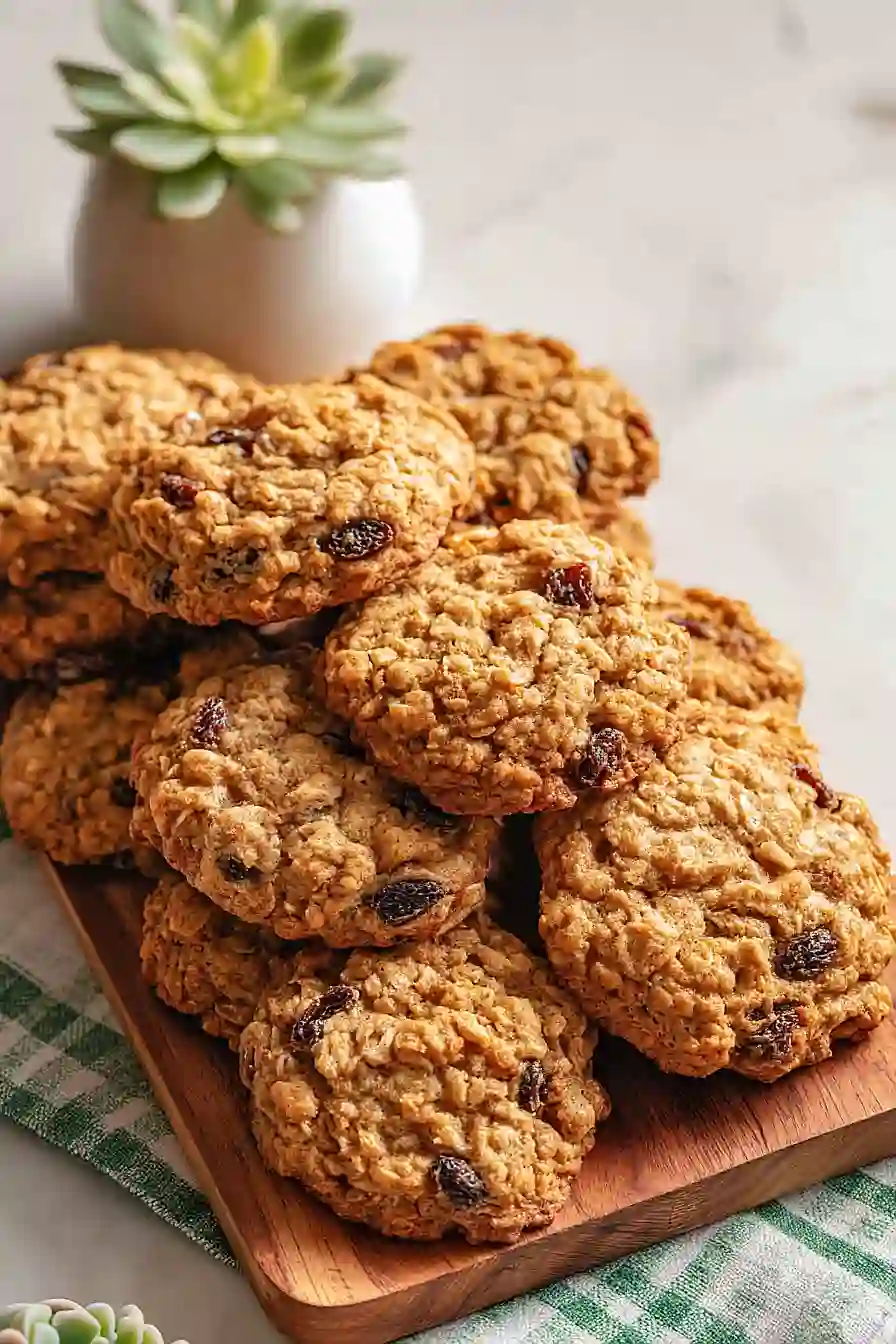
If you ask me, oatmeal raisin cookies don’t get the love they deserve.
These cookies swap out regular sugar for monk fruit sweetener, making them a good option when you want something a bit lighter. Warm cinnamon and plump raisins bring familiar comfort, while whole wheat flour adds a nice nutty taste.
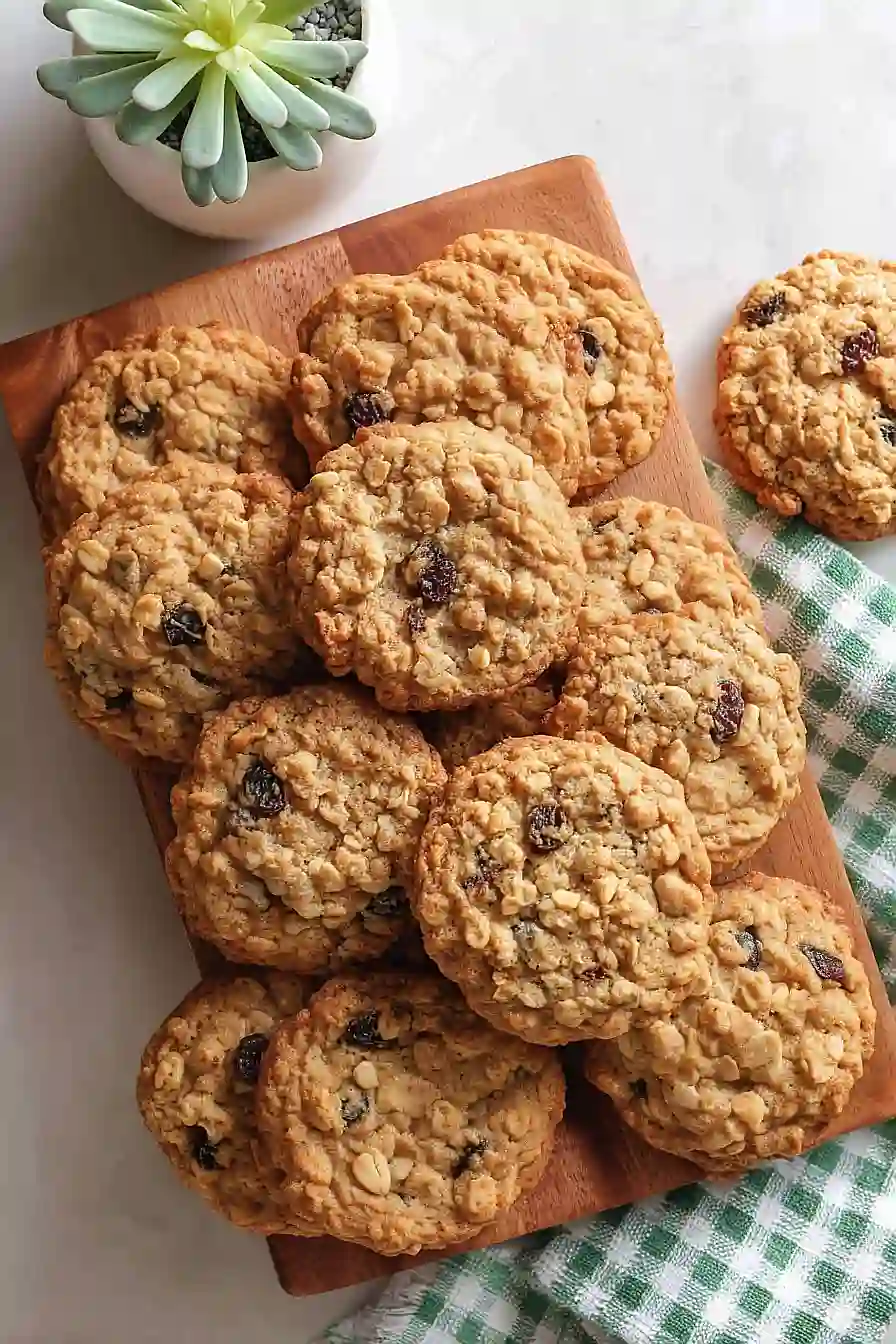
The rolled oats give each bite a hearty chew that pairs well with the soft, buttery dough. Pure vanilla extract and a pinch of salt round out the flavors.
They’re a friendly cookie that works for an afternoon snack or tucking into lunch boxes, perfect when you want homemade treats without all the refined sugar.
Why You’ll Love These Oatmeal Raisin Cookies
- Sugar-free sweetness – Made with monk fruit sweetener instead of regular sugar, these cookies let you enjoy a classic treat without the blood sugar spike.
- Flexible for different diets – You can easily make these vegan by swapping in vegan butter and flax eggs, so everyone can enjoy them.
- Healthier ingredients – Using whole wheat flour and rolled oats gives you more fiber and nutrients than traditional cookies, making them a better choice for snacking.
- Quick and easy – These come together in under an hour from start to finish, perfect for when you need a homemade treat without spending all day in the kitchen.
- Classic comfort flavor – The warm cinnamon and sweet raisins give you all the nostalgic taste of traditional oatmeal raisin cookies you remember.
What Kind of Oats Should I Use?
For oatmeal raisin cookies, rolled oats (also called old-fashioned oats) are your best bet and will give you that classic chewy texture everyone loves. You can find them in any grocery store, usually in the cereal or baking aisle. Quick oats will work in a pinch, but they’ll make your cookies a bit softer and less textured since they’re cut smaller and absorb moisture faster. I’d skip steel-cut oats for this recipe though – they’re too hard and won’t soften up enough during baking, leaving you with crunchy bits that just don’t work in a cookie.
Options for Substitutions
These cookies are already pretty adaptable, but here are some swaps you can make:
- Monk fruit sweetener: You can replace this with regular granulated sugar, coconut sugar, or another sugar substitute like erythritol in a 1:1 ratio. Keep in mind that regular sugar will add more calories and affect blood sugar differently.
- Whole wheat flour: All-purpose flour works just fine if you don’t have whole wheat on hand. You can also use a gluten-free flour blend if needed, though the texture might be slightly different.
- Eggs: The recipe already mentions flax eggs as an option, but you can also use chia eggs (1 tablespoon chia seeds mixed with 3 tablespoons water per egg, let sit for 5 minutes) or commercial egg replacer.
- Raisins: Not a raisin fan? Swap them out for dried cranberries, chopped dates, chocolate chips, or chopped walnuts. You can also mix and match for variety.
- Rolled oats: Stick with rolled oats for this recipe – quick oats will make the cookies too soft, and steel-cut oats won’t soften enough during baking.
- Cinnamon: Feel free to add nutmeg or pumpkin pie spice along with the cinnamon, or swap it entirely for cardamom if you want a different flavor profile.
Watch Out for These Mistakes While Baking
The biggest mistake with monk fruit sweetener is expecting it to behave exactly like regular sugar – it doesn’t caramelize the same way, so your cookies might spread less and have a slightly different texture than traditional oatmeal raisin cookies.
To get the best results, make sure your butter is at room temperature (not melted) before mixing, as this helps create the right cookie texture and prevents them from spreading too thin on the baking sheet.
Another common error is overbaking these cookies since monk fruit doesn’t brown like sugar does, so rely on timing rather than color – pull them out when the edges are just set but the centers still look slightly underdone, as they’ll continue to firm up while cooling.
If your cookies turn out too dry, try soaking your raisins in warm water for 10 minutes before adding them to the dough, which keeps them plump and adds moisture to the finished cookies.
What to Serve With Oatmeal Raisin Cookies?
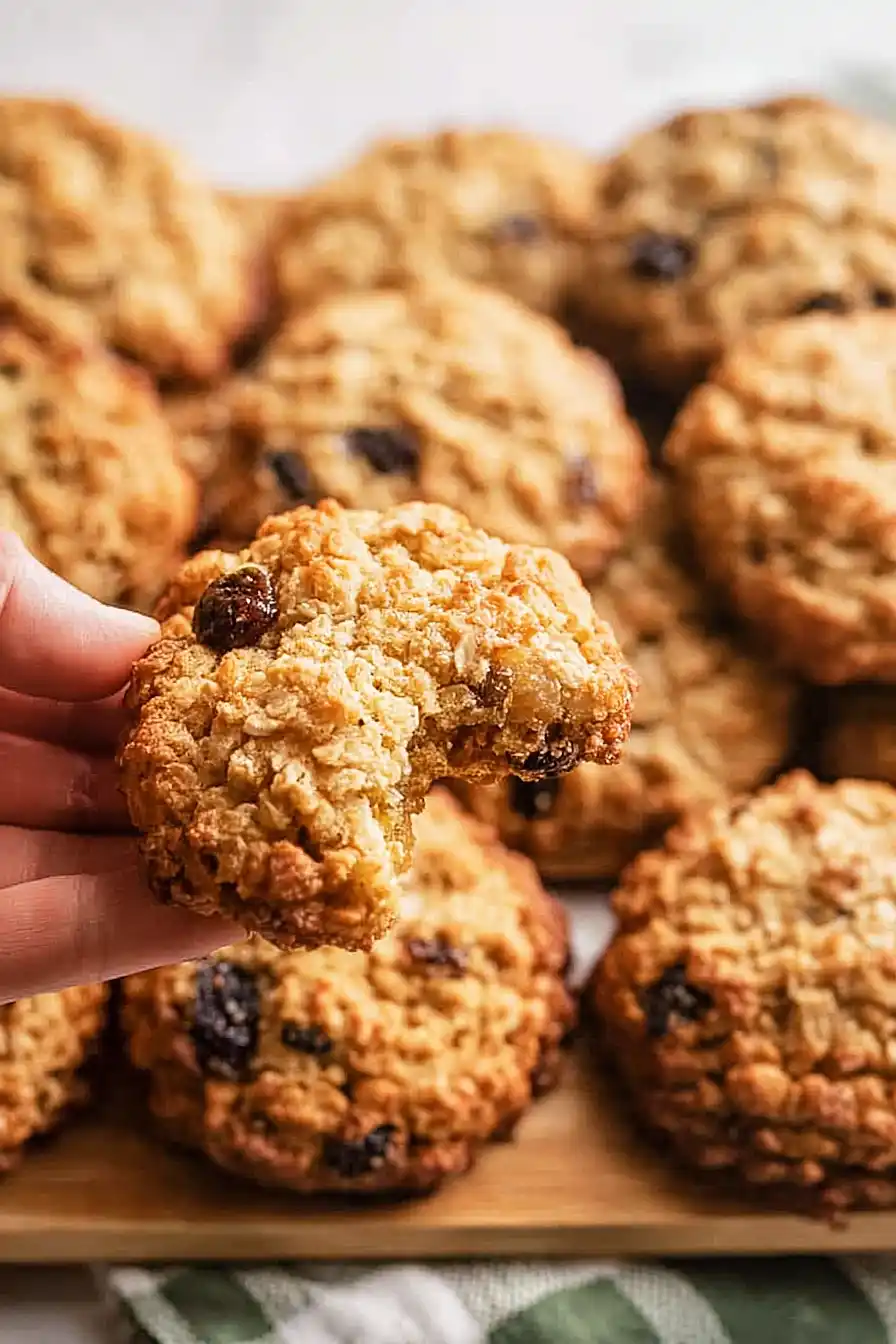
These cookies are perfect with a cold glass of milk or your favorite non-dairy alternative like almond or oat milk. I love enjoying them as an afternoon snack with a cup of hot tea or coffee – the warm spices in the cookies pair really nicely with something cozy to drink. They also make a great addition to a breakfast spread alongside some fresh fruit and yogurt, since they’re sweetened with monk fruit and have whole grains from the oats and whole wheat flour. For a fun dessert idea, try sandwiching a scoop of vanilla ice cream between two cookies for a homemade ice cream sandwich.
Storage Instructions
Store: Keep your oatmeal raisin cookies in an airtight container at room temperature for up to a week. If you want them to stay extra soft, toss a slice of bread in the container with them – it really works! You can also store them in the fridge for up to 2 weeks if your kitchen gets warm.
Freeze: These cookies freeze really well, either baked or as dough. For baked cookies, layer them with parchment paper in a freezer bag for up to 3 months. You can also scoop the dough into balls and freeze them on a baking sheet, then transfer to a bag so you can bake fresh cookies whenever you want.
Enjoy: Frozen cookies thaw quickly at room temperature in about 20 minutes, or you can warm them in the microwave for 10-15 seconds for that fresh-baked feel. If you froze the dough, just add a couple extra minutes to the baking time – no need to thaw first!
| Preparation Time | 30-45 minutes |
| Cooking Time | 8-10 minutes |
| Total Time | 38-55 minutes |
| Level of Difficulty | Medium |
Estimated Nutrition
Estimated nutrition for the whole recipe (without optional ingredients):
- Calories: 2000-2250
- Protein: 28-34 g
- Fat: 90-105 g
- Carbohydrates: 280-310 g
Ingredients
- 1.75 cups rolled oats (old-fashioned oats, not instant)
- 3/4 tsp cinnamon (freshly ground for more flavor)
- 3/4 cup monk fruit sweetener (I use Lakanto brand for consistent results)
- 1 cup unsalted butter (softened to room temperature)
- 3/4 cup raisins (plump them in warm water for 5 minutes if preferred for extra moisture)
- 1/2 tsp salt
- 2 eggs
- 1/2 tsp baking soda
- 1 tsp vanilla extract (pure vanilla preferred for best flavor)
- 1 cup whole wheat flour
Step 1: Prepare Mise en Place and Cream the Butter Base
- 1 cup unsalted butter, softened to room temperature
- 3/4 cup monk fruit sweetener
- 3/4 cup raisins
Gather all ingredients and allow the butter to soften to room temperature—this is crucial for incorporating air into the dough, which creates a better texture.
In a large mixing bowl, cream together the softened butter and monk fruit sweetener for 3-4 minutes, beating until the mixture is light, fluffy, and pale in color.
This creaming process incorporates air bubbles that help the cookies rise and develop a tender crumb.
While the butter mixture comes together, you can optionally plump the raisins by soaking them in warm water for 5 minutes to enhance their moisture and sweetness in the final cookies.
Step 2: Build the Wet Base with Eggs and Vanilla
- creamed butter mixture from Step 1
- 2 eggs
- 1 tsp vanilla extract
Add the eggs to the creamed butter mixture one at a time, mixing well after each addition to fully incorporate before adding the next egg.
This gradual incorporation prevents the mixture from becoming curdled or separated.
Once both eggs are fully combined, add the pure vanilla extract and mix until the wet base is smooth and homogeneous.
I find that pausing between each egg addition ensures better emulsification, which gives the cookies a more tender, even crumb.
Step 3: Combine Dry Ingredients Separately
- 1 cup whole wheat flour
- 1/2 tsp baking soda
- 1/2 tsp salt
- 3/4 tsp cinnamon, freshly ground
While the wet mixture rests, whisk together the whole wheat flour, baking soda, salt, and freshly ground cinnamon in a separate bowl.
Sifting or whisking these dry ingredients together ensures even distribution of the leavening agent and spices throughout the dough, preventing pockets of baking soda that could create an unpleasant flavor or texture.
I always use freshly ground cinnamon rather than pre-ground—the aromatic difference is noticeable and elevates the entire cookie.
Step 4: Fold in Dry Ingredients and Oats
- wet base mixture from Step 2
- dry ingredient mixture from Step 3
- 1.75 cups rolled oats, old-fashioned
- 3/4 cup raisins
Pour the dry ingredient mixture from Step 3 into the wet base from Step 2 and fold gently until just combined—avoid overmixing, which can develop gluten and create tough cookies.
Once the flour mixture is incorporated, fold in the rolled oats and raisins (drained if you soaked them), stirring just until evenly distributed throughout the dough.
The dough should come together without any visible streaks of flour.
Step 5: Chill the Dough and Preheat the Oven
- complete dough from Step 4
Cover the dough with plastic wrap and refrigerate for 30 minutes—this resting period allows the flavors to meld and helps the dough firm up, making it easier to portion and shape.
While the dough chills, preheat your oven to 330°F and line a baking sheet with parchment paper.
The lower temperature (compared to traditional cookie recipes) works well with monk fruit sweetener, which can brown quickly; this gentler heat ensures even baking without over-browning the edges.
Step 6: Shape and Bake the Cookies
- chilled dough from Step 5
Remove the chilled dough from the refrigerator and scoop portions using a cookie scoop or spoon, rolling each portion gently into a ball between your palms.
Place the balls on the prepared baking sheet, spacing them about 2 inches apart, then flatten each one slightly with the bottom of a glass or your hand—this helps them bake more evenly and develop a pleasant texture.
Bake for 8-10 minutes, until the edges are set but the centers still appear slightly underdone; they will continue to firm up as they cool.
Step 7: Cool and Set the Cookies
Remove the baking sheet from the oven and allow the cookies to cool on the sheet for 5 minutes before transferring them to a wire rack to cool completely.
This brief rest on the hot pan allows them to set gently without hardening too quickly, ensuring a tender interior with slightly crisp edges.
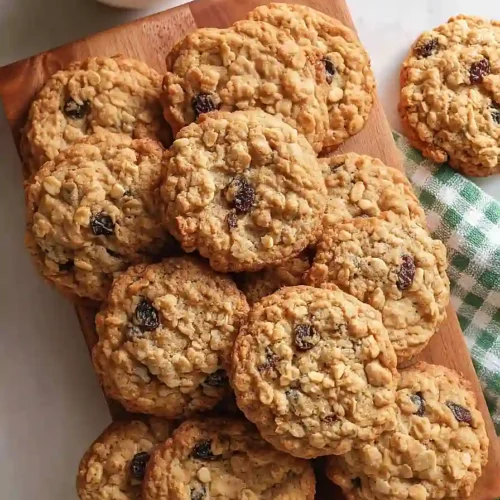
Classic Oatmeal Raisin Cookies with Monk Fruit
Ingredients
- 1.75 cups rolled oats (old-fashioned oats, not instant)
- 3/4 tsp cinnamon (freshly ground for more flavor)
- 3/4 cup monk fruit sweetener (I use Lakanto brand for consistent results)
- 1 cup unsalted butter (softened to room temperature)
- 3/4 cup raisins (plump them in warm water for 5 minutes if preferred for extra moisture)
- 1/2 tsp salt
- 2 eggs
- 1/2 tsp baking soda
- 1 tsp vanilla extract (pure vanilla preferred for best flavor)
- 1 cup whole wheat flour
Instructions
- Gather all ingredients and allow the butter to soften to room temperature—this is crucial for incorporating air into the dough, which creates a better texture. In a large mixing bowl, cream together the softened butter and monk fruit sweetener for 3-4 minutes, beating until the mixture is light, fluffy, and pale in color. This creaming process incorporates air bubbles that help the cookies rise and develop a tender crumb. While the butter mixture comes together, you can optionally plump the raisins by soaking them in warm water for 5 minutes to enhance their moisture and sweetness in the final cookies.
- Add the eggs to the creamed butter mixture one at a time, mixing well after each addition to fully incorporate before adding the next egg. This gradual incorporation prevents the mixture from becoming curdled or separated. Once both eggs are fully combined, add the pure vanilla extract and mix until the wet base is smooth and homogeneous. I find that pausing between each egg addition ensures better emulsification, which gives the cookies a more tender, even crumb.
- While the wet mixture rests, whisk together the whole wheat flour, baking soda, salt, and freshly ground cinnamon in a separate bowl. Sifting or whisking these dry ingredients together ensures even distribution of the leavening agent and spices throughout the dough, preventing pockets of baking soda that could create an unpleasant flavor or texture. I always use freshly ground cinnamon rather than pre-ground—the aromatic difference is noticeable and elevates the entire cookie.
- Pour the dry ingredient mixture from Step 3 into the wet base from Step 2 and fold gently until just combined—avoid overmixing, which can develop gluten and create tough cookies. Once the flour mixture is incorporated, fold in the rolled oats and raisins (drained if you soaked them), stirring just until evenly distributed throughout the dough. The dough should come together without any visible streaks of flour.
- Cover the dough with plastic wrap and refrigerate for 30 minutes—this resting period allows the flavors to meld and helps the dough firm up, making it easier to portion and shape. While the dough chills, preheat your oven to 330°F and line a baking sheet with parchment paper. The lower temperature (compared to traditional cookie recipes) works well with monk fruit sweetener, which can brown quickly; this gentler heat ensures even baking without over-browning the edges.
- Remove the chilled dough from the refrigerator and scoop portions using a cookie scoop or spoon, rolling each portion gently into a ball between your palms. Place the balls on the prepared baking sheet, spacing them about 2 inches apart, then flatten each one slightly with the bottom of a glass or your hand—this helps them bake more evenly and develop a pleasant texture. Bake for 8-10 minutes, until the edges are set but the centers still appear slightly underdone; they will continue to firm up as they cool.
- Remove the baking sheet from the oven and allow the cookies to cool on the sheet for 5 minutes before transferring them to a wire rack to cool completely. This brief rest on the hot pan allows them to set gently without hardening too quickly, ensuring a tender interior with slightly crisp edges.