I didn’t grow up eating sauerkraut soup, but my husband’s family had it on the table at least once a month during the colder months. The first time I tried it at their house, I was skeptical—I mean, sauerkraut in a soup? But one spoonful changed my mind completely.
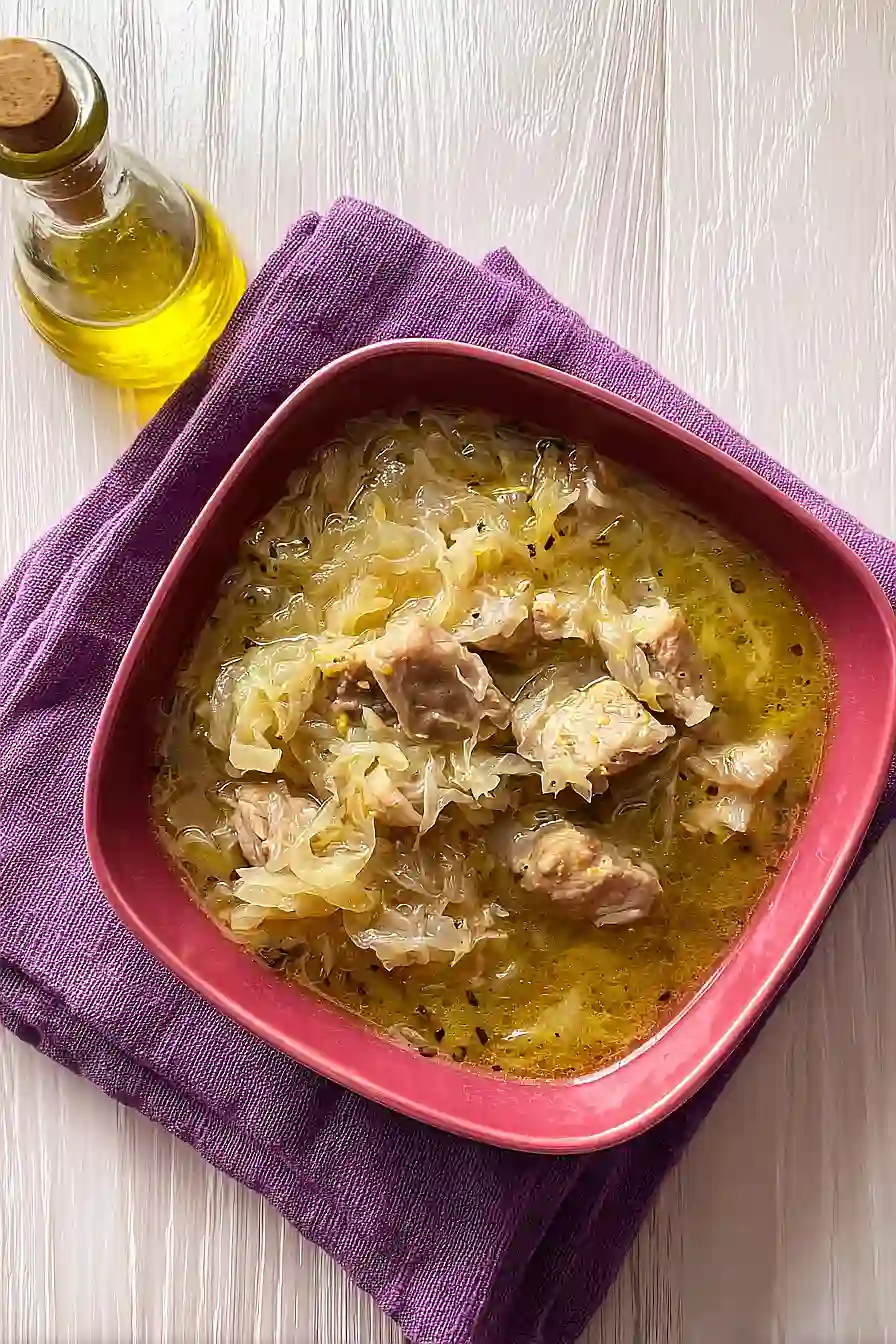
This pork and sauerkraut soup is one of those meals that sounds plain on paper but tastes so much better than you’d expect. The tangy sauerkraut mellows out as it simmers with tender chunks of pork, and the potatoes make it filling enough to be a complete dinner. It’s become one of my go-to recipes when I want something warm and satisfying without spending hours in the kitchen.
Why You’ll Love This Pork and Sauerkraut Soup
- Hearty and filling – The combination of tender pork, potatoes, and tangy sauerkraut creates a satisfying one-pot meal that will keep you full for hours.
- Simple, everyday ingredients – You probably have most of these pantry staples and basic vegetables on hand already, making this an easy recipe to throw together any day of the week.
- Budget-friendly comfort food – Using affordable cuts of pork and inexpensive vegetables, this soup delivers maximum flavor without breaking the bank.
- Perfect for meal prep – This soup actually tastes better the next day as the flavors meld together, so you can make a big batch and enjoy it throughout the week.
What Kind of Pork Should I Use?
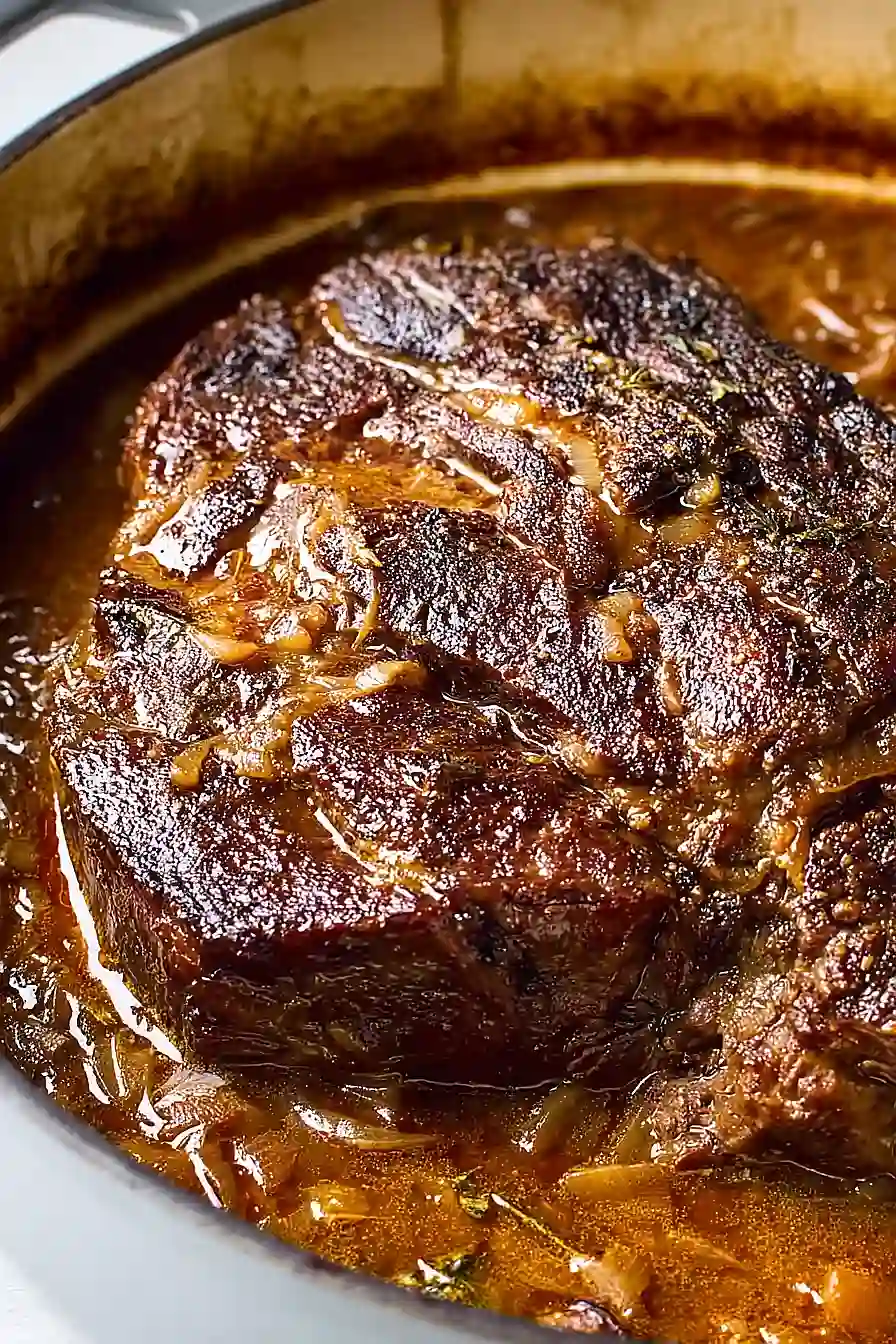
For this soup, you’ll want to use a fatty cut of pork since it adds so much flavor to the broth as it simmers. Pork ribs or pork chops work great, and the recipe calls for boneless meat to make things easier when it’s time to eat. If you can find bone-in cuts at a good price, go ahead and use those – just remove the bones before serving and you’ll get an even richer broth. Country-style ribs or pork shoulder are also solid choices here, and don’t worry too much about trimming off all the fat since that’s what makes this soup so hearty and satisfying.
Options for Substitutions
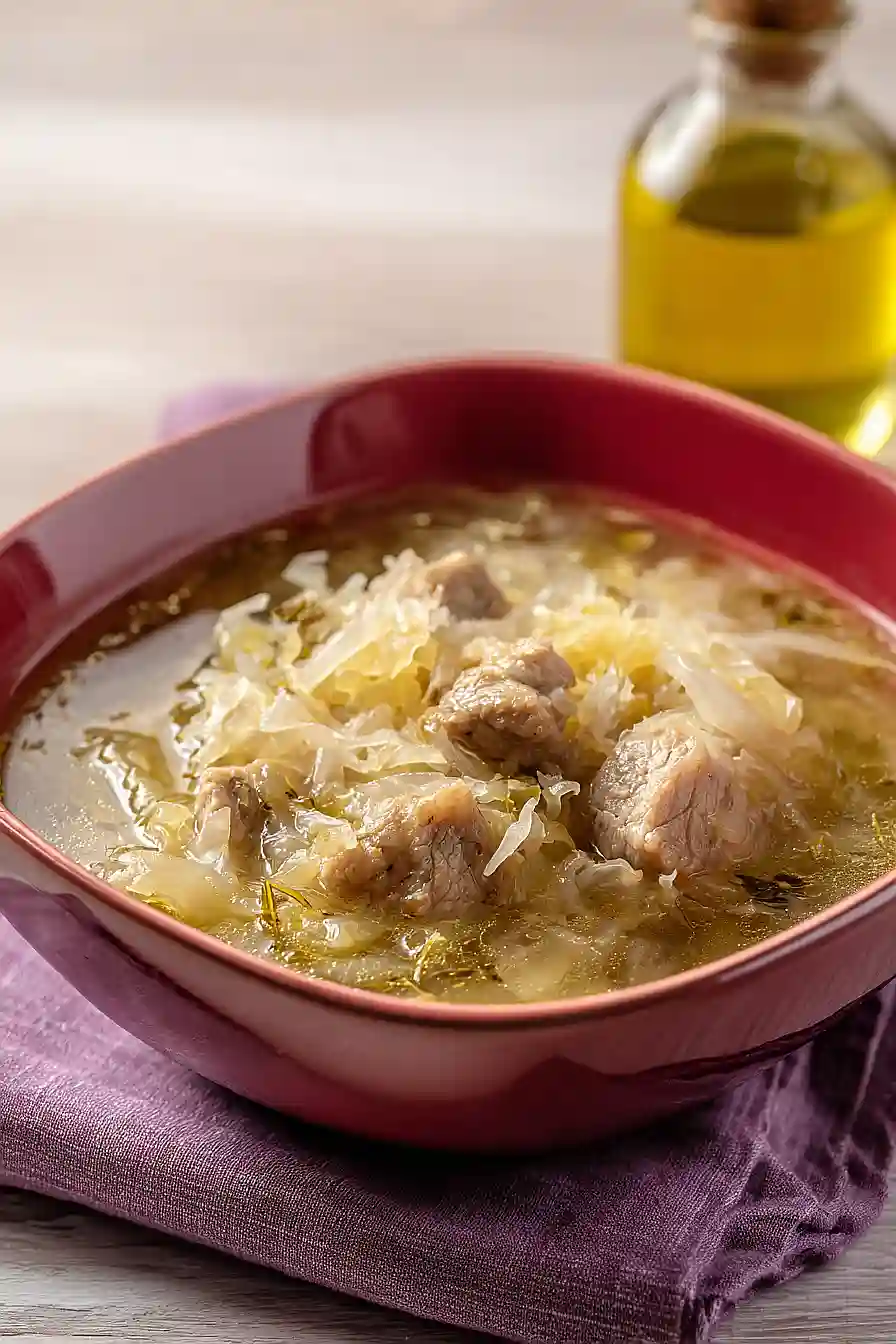
This soup is pretty forgiving when it comes to swapping ingredients:
- Fatty pork meat: Pork shoulder or pork belly work great here since you need that fat for flavor. If you only have lean pork, add an extra tablespoon of lard or oil to make up for it. Smoked pork or kielbasa can add a nice smoky twist too.
- Sauerkraut: This is the star of the soup, so I wouldn’t swap it out. However, you can rinse it under cold water if you prefer a milder, less tangy flavor.
- Vegetable oil or lard: Either works fine, but lard gives a more traditional taste. Bacon fat is another good option if you have it on hand.
- Potatoes: Any potato variety will do the job. Russets, Yukon golds, or red potatoes all work well. Just keep in mind that russets will break down more and thicken the soup naturally.
- Cumin powder: If you’re not a fan of cumin, you can use caraway seeds instead – they’re actually more traditional in Eastern European sauerkraut dishes. Use about ½ teaspoon of seeds.
- Water or pork broth: Chicken or vegetable broth can replace water if you want extra flavor, though plain water works just fine since the pork and sauerkraut create plenty of taste on their own.
Watch Out for These Mistakes While Cooking
The biggest mistake when making pork and sauerkraut soup is using lean pork instead of fatty cuts – the fat is what gives this soup its rich flavor and keeps the meat tender during the long cooking process, so don’t trim it away.
Another common error is not rinsing your sauerkraut if it’s too salty or sour for your taste, which can overpower the other flavors in the soup – give it a quick rinse under cold water and squeeze out the excess liquid if you prefer a milder taste.
To get the most flavor from your soup, make sure to brown the vegetables properly in that first step – they should be soft and slightly golden, not just translucent, which adds depth to the broth.
Finally, resist the urge to rush the simmering time, as those 15 minutes allow all the flavors to blend together, and if your soup seems too thick, don’t hesitate to add more broth or water to reach your preferred consistency.
What to Serve With Pork and Sauerkraut Soup?
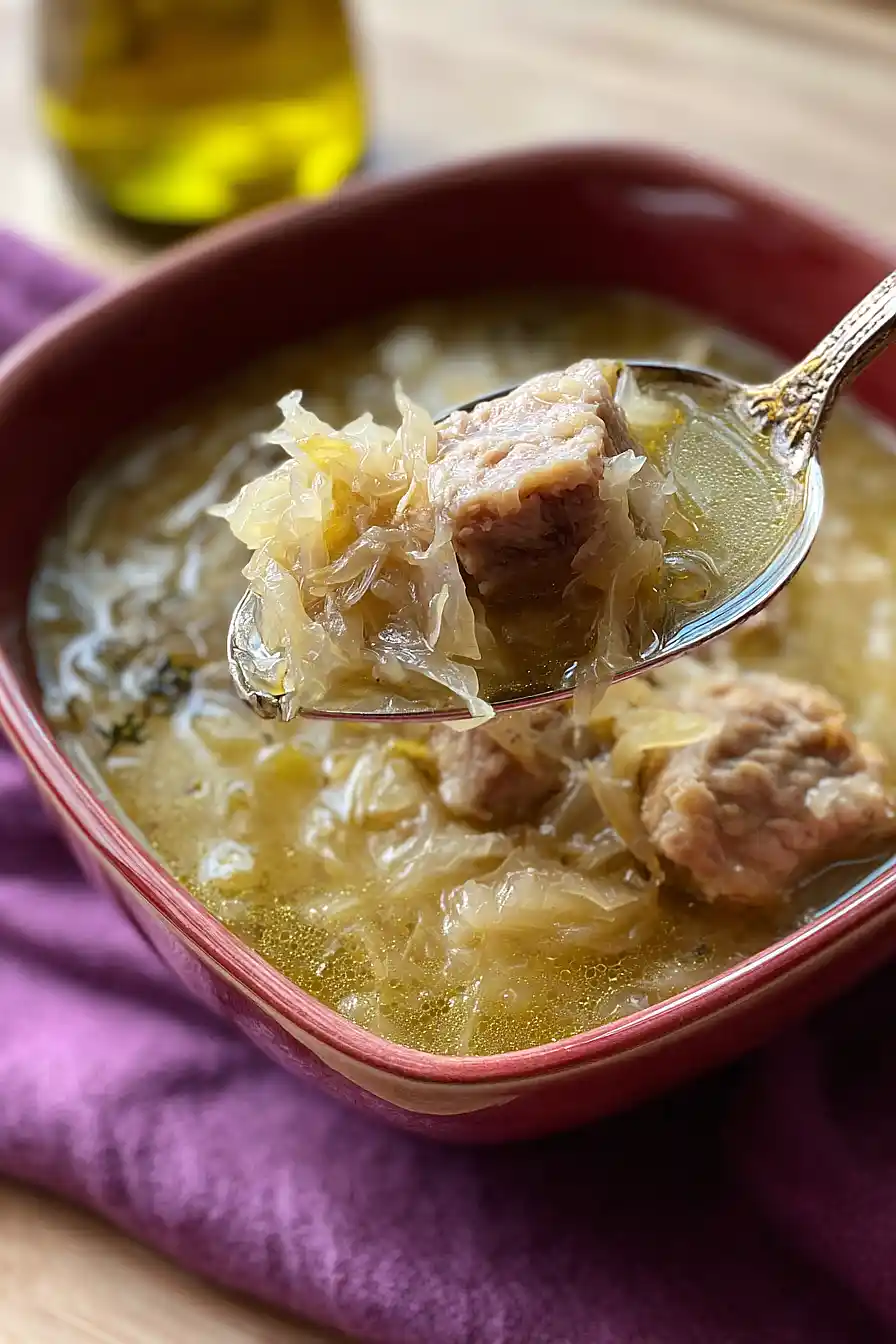
This hearty soup is pretty filling on its own, but a thick slice of rye bread or pumpernickel is perfect for soaking up all that flavorful broth. I love serving it with a dollop of sour cream on top and some fresh dill sprinkled over everything – it adds a nice cool contrast to the tangy sauerkraut. If you want to make it a bigger meal, a simple cucumber salad dressed with vinegar and a bit of sugar cuts through the richness of the pork really nicely. Some people like to add a side of boiled or mashed potatoes, though the soup already has potatoes in it, so crusty bread is usually all you need.
Storage Instructions
Store: This soup actually gets better after a day or two in the fridge as the flavors really meld together. Keep it in an airtight container in the refrigerator for up to 4 days. The sauerkraut and pork hold up really well, making this a great make-ahead meal for busy weeknights.
Freeze: Pork and sauerkraut soup freezes nicely for up to 3 months. Let it cool completely, then portion it into freezer-safe containers or bags. Just keep in mind that the potatoes might get a bit softer after freezing, but the flavor will still be there.
Reheat: Warm the soup gently on the stovetop over medium-low heat, stirring occasionally until heated through. You can also microwave individual portions, but I prefer the stovetop since it heats more evenly. Add a splash of water or broth if it’s gotten too thick after storing.
| Preparation Time | 20-30 minutes |
| Cooking Time | 90-120 minutes |
| Total Time | 110-150 minutes |
| Level of Difficulty | Medium |
| Servings | 4 servings |
Estimated Nutrition
Estimated nutrition for the whole recipe (without optional ingredients):
- Calories: 1600-1850
- Protein: 65-80 g
- Fat: 120-140 g
- Carbohydrates: 55-70 g
Ingredients
For the pork:
- 14 oz boneless pork meat (cut into 1-inch chunks)
- 1 liter water
For the soup:
- 2 medium potatoes (cut into 3/4-inch cubes)
- 18 oz sauerkraut (drained and rinsed for milder flavor)
- 4 tbsp vegetable oil (or any neutral oil like canola)
- 3 bay leaves
- 1 medium celery stick (diced into 1/2-inch pieces)
- 1 tsp ground cumin (freshly ground preferred for more flavor)
- 1 tsp sea salt
- 3 garlic cloves (freshly minced)
- 1 medium onion (diced into 1/2-inch pieces)
- 1 tsp black pepper
Step 1: Sear the Pork and Build the Broth Base
- 4 tbsp vegetable oil
- 14 oz boneless pork meat
- 1 liter water
- 3 bay leaves
Heat the vegetable oil in a large pot over medium-high heat until shimmering.
Add the pork chunks and sear them on all sides for about 3-4 minutes, stirring occasionally, until they develop a golden-brown crust.
This browning creates deeper flavor through the Maillard reaction.
Pour in the water and add the bay leaves, then bring to a boil.
Once boiling, reduce heat to medium-low and simmer gently for 20-25 minutes until the pork is completely cooked through and tender.
I find that searing the meat first creates a much richer, more savory broth than just boiling it plain.
Step 2: Prepare the Aromatic Vegetable Base
- 1 medium onion
- 1 medium celery stick
- 2 medium potatoes
- 3 garlic cloves
- 18 oz sauerkraut
While the pork simmers, prepare all your vegetables: dice the onion into 1/2-inch pieces, dice the celery into 1/2-inch pieces, cut the potatoes into 3/4-inch cubes, and mince the garlic.
Having everything prepped and ready (mise en place) makes the next steps smooth and prevents overcooking any single component.
Rinse and drain the sauerkraut, squeezing gently to remove excess liquid—this helps control the tanginess of the final soup.
Step 3: Build Flavor with Aromatics and Spices
- 3 garlic cloves
- 1 medium onion
- 1 medium celery stick
- 1 tsp ground cumin
Once the pork is tender, add the minced garlic, diced onion, diced celery, and ground cumin to the pot.
Stir well and cook for 2-3 minutes, allowing the aromatics to bloom and release their flavors into the broth.
The cumin will become fragrant and add a subtle warmth to the soup.
I like to add the cumin at this point rather than at the end because gentle simmering allows its flavors to mellow and integrate beautifully with the broth.
Step 4: Add Potatoes and Sauerkraut, Finish Seasoning
- 2 medium potatoes
- 18 oz sauerkraut
- 1 tsp sea salt
- 1 tsp black pepper
- cooked pork and broth from Step 1
- aromatic vegetables and spices from Step 3
Add the potato cubes and drained sauerkraut to the pot, stirring to combine.
Season with sea salt and black pepper to taste.
Bring the soup back to a gentle boil, then reduce heat to medium-low and simmer for 15-18 minutes until the potatoes are tender but still hold their shape.
The sauerkraut will continue to soften and its tangy flavor will marry with the savory broth and spices.
Step 5: Taste and Serve
Taste the soup and adjust seasoning as needed—you may want a touch more salt or a grind of fresh pepper depending on your preference.
Remove the bay leaves before serving.
Ladle into bowls and serve hot.
The soup is ready to enjoy immediately, though it actually tastes even better the next day as the flavors continue to deepen.

Classic Pork and Sauerkraut Soup
Ingredients
For the pork:
- 14 oz boneless pork meat (cut into 1-inch chunks)
- 1 liter water
For the soup:
- 2 medium potatoes (cut into 3/4-inch cubes)
- 18 oz sauerkraut (drained and rinsed for milder flavor)
- 4 tbsp vegetable oil (or any neutral oil like canola)
- 3 bay leaves
- 1 medium celery stick (diced into 1/2-inch pieces)
- 1 tsp ground cumin (freshly ground preferred for more flavor)
- 1 tsp sea salt
- 3 garlic cloves (freshly minced)
- 1 medium onion (diced into 1/2-inch pieces)
- 1 tsp black pepper
Instructions
- Heat the vegetable oil in a large pot over medium-high heat until shimmering. Add the pork chunks and sear them on all sides for about 3-4 minutes, stirring occasionally, until they develop a golden-brown crust. This browning creates deeper flavor through the Maillard reaction. Pour in the water and add the bay leaves, then bring to a boil. Once boiling, reduce heat to medium-low and simmer gently for 20-25 minutes until the pork is completely cooked through and tender. I find that searing the meat first creates a much richer, more savory broth than just boiling it plain.
- While the pork simmers, prepare all your vegetables: dice the onion into 1/2-inch pieces, dice the celery into 1/2-inch pieces, cut the potatoes into 3/4-inch cubes, and mince the garlic. Having everything prepped and ready (mise en place) makes the next steps smooth and prevents overcooking any single component. Rinse and drain the sauerkraut, squeezing gently to remove excess liquid—this helps control the tanginess of the final soup.
- Once the pork is tender, add the minced garlic, diced onion, diced celery, and ground cumin to the pot. Stir well and cook for 2-3 minutes, allowing the aromatics to bloom and release their flavors into the broth. The cumin will become fragrant and add a subtle warmth to the soup. I like to add the cumin at this point rather than at the end because gentle simmering allows its flavors to mellow and integrate beautifully with the broth.
- Add the potato cubes and drained sauerkraut to the pot, stirring to combine. Season with sea salt and black pepper to taste. Bring the soup back to a gentle boil, then reduce heat to medium-low and simmer for 15-18 minutes until the potatoes are tender but still hold their shape. The sauerkraut will continue to soften and its tangy flavor will marry with the savory broth and spices.
- Taste the soup and adjust seasoning as needed—you may want a touch more salt or a grind of fresh pepper depending on your preference. Remove the bay leaves before serving. Ladle into bowls and serve hot. The soup is ready to enjoy immediately, though it actually tastes even better the next day as the flavors continue to deepen.