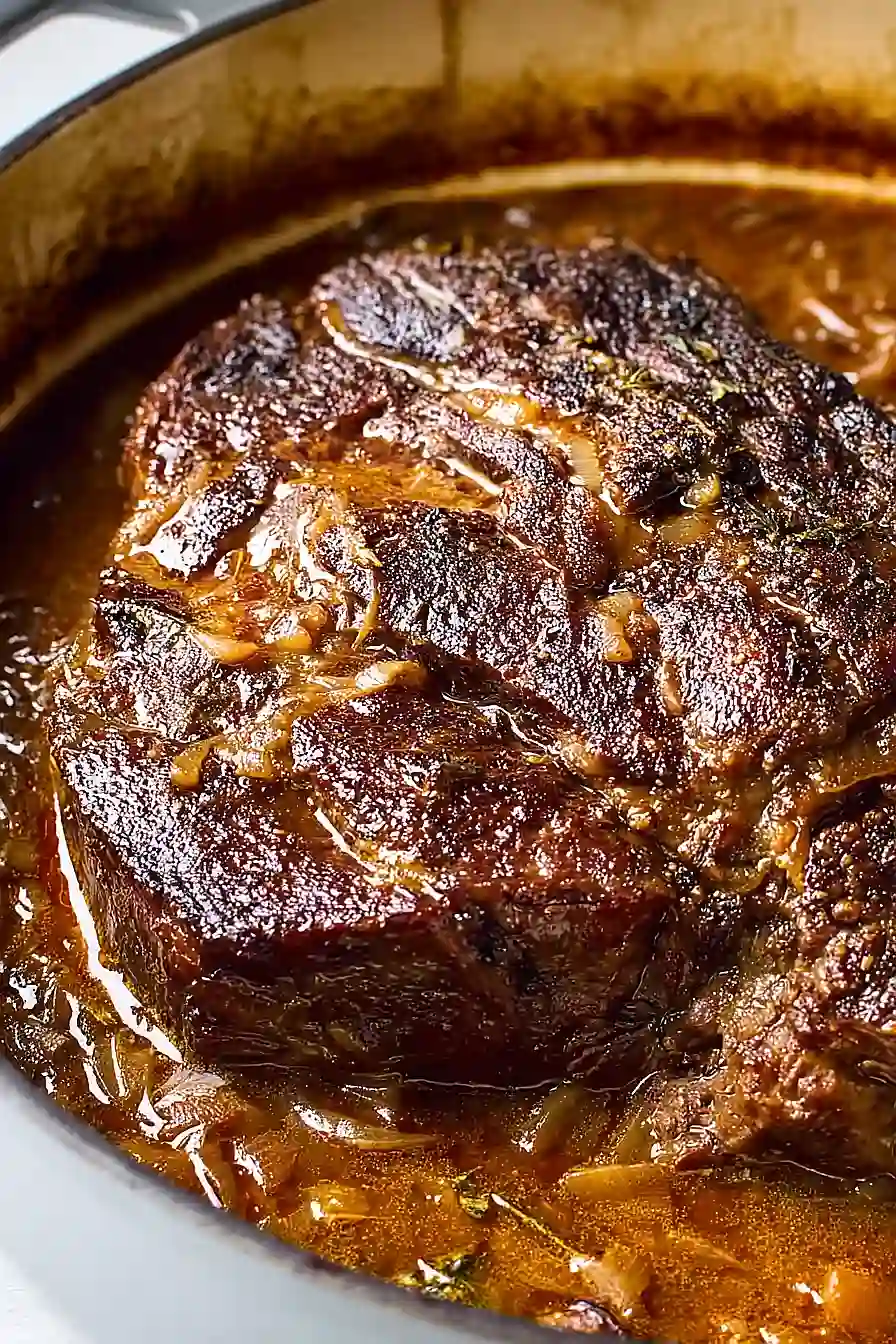
Getting a perfectly juicy and flavorful pork tenderloin can feel like an impossible task. Between busy weeknight dinners and trying to please everyone at the table, it’s easy to end up with meat that’s either too dry or lacking in taste. I’ve been there – staring at a beautiful cut of pork and wondering how to do it justice without spending hours in the kitchen.
That’s where this simple pork tenderloin brine comes in: it’s a foolproof way to get tender, flavorful results every time, requires just a handful of basic ingredients, and can be prepped ahead while you tackle other things on your to-do list.
Why You’ll Love This Pork Brine
- Foolproof method – This simple brine guarantees juicy, tender pork every time – no more dried out tenderloin!
- Just 4 ingredients – With basic pantry staples like water, salt, and garlic powder, you can transform your pork without any fancy ingredients or equipment.
- Make-ahead friendly – You can brine your pork ahead of time, making dinner prep much easier when you’re ready to cook.
- Customizable recipe – This basic brine recipe works perfectly as-is, but you can easily add your favorite herbs and spices to create different flavor profiles.
What Kind of Pork Tenderloin Should I Use?
When shopping for pork tenderloin, look for pieces that are pinkish-gray in color and feel firm to the touch. The standard size is about 1 to 1½ pounds each, and you’ll often find them sold in packages of two at the grocery store. Regular pork tenderloin works great here – no need for any fancy heritage breeds or specialty cuts. Just make sure you’re getting actual tenderloin and not pork loin, which is a different, larger cut that requires different cooking times. If there’s a silver skin (a tough, silvery membrane) on your tenderloin, you’ll want to remove it before brining since it can become chewy when cooked.
Options for Substitutions
While brining is a simple process, here are some helpful substitution tips to keep in mind:
- Kosher salt: If you don’t have kosher salt, you can use regular table salt, but reduce the amount to 2 tablespoons since table salt is more concentrated. Sea salt works too, using the same amount as kosher salt.
- Garlic powder: Feel free to skip the garlic powder or replace it with other dried seasonings like onion powder, dried herbs, or black peppercorns. You can also add fresh garlic cloves (4-5 smashed cloves) instead.
- Water: While plain water works great, you can replace 1 cup of the water with apple juice or chicken broth for extra flavor. Just make sure your liquid is cold when you add it.
- Pork tenderloin: This brine works well for other cuts of pork too, like pork chops or pork loin – just keep the same ratio of salt to water. Note that the brining time might need adjustment depending on the size and cut of meat.
Watch Out for These Mistakes While Brining
The biggest mistake when brining pork tenderloin is leaving it in the solution for too long – stick to 30 minutes to 2 hours max, as anything longer can make your meat too salty and give it an unpleasant, spongy texture. A common error is using table salt instead of kosher salt, which can throw off the salt-to-water ratio and over-season your meat (if using table salt, reduce the amount by half). To get the best results, make sure to pat your pork completely dry with paper towels after removing it from the brine, as excess moisture will prevent proper browning and can create steam instead of a nice crust. For extra flavor without overdoing it, try adding aromatics like peppercorns, bay leaves, or fresh herbs to your brine during the last 30 minutes.
What to Serve With Brined Pork Tenderloin?
Brined pork tenderloin pairs perfectly with classic comfort sides that can soak up those tasty meat juices. A simple mashed potato or roasted sweet potato makes an excellent base, while green vegetables like roasted Brussels sprouts or steamed asparagus add nice color and balance to the plate. For a complete meal, I love adding homemade applesauce or sautéed apples on the side – the sweet-tart flavor goes so well with pork. You could also keep it simple with a fresh garden salad and some crusty bread to round everything out.
Storage Instructions
Brine Time: Once you’ve mixed up your brine, you can keep the pork tenderloins soaking in it for 2-12 hours in the refrigerator. Just remember that brining longer than 12 hours might make your pork too salty. I usually aim for about 4-6 hours for the perfect balance.
Store: After cooking, let your pork tenderloin cool down, then wrap it well in aluminum foil or place it in an airtight container. It’ll stay good in the fridge for up to 3-4 days. The leftovers make great sandwiches!
Freeze: Cooked pork tenderloin freezes really well. Just wrap it tightly in plastic wrap, then foil, or place it in a freezer bag with the air squeezed out. It’ll keep its quality for up to 3 months in the freezer.
Warm Up: To keep your pork tenderloin juicy when reheating, warm it gently in the oven at 325°F, covered with foil, until it reaches your desired temperature. You can also slice it before reheating to help it warm up more quickly and evenly.
| Preparation Time | 10-15 minutes |
| Cooking Time | 0 minutes (not applicable for brining) |
| Total Time | 70-75 minutes |
| Level of Difficulty | Easy |
Estimated Nutrition
Estimated nutrition for the whole recipe (without optional ingredients):
- Calories: 800-900
- Protein: 120-130 g
- Fat: 40-45 g
- Carbohydrates: 0-5 g
Ingredients
- 4 cups cold water
- 1 tbsp garlic powder (optional, adds savory depth to the brine)
- 2 pork tenderloins (about 1 lb each, room temperature before brining)
- 4 tbsp kosher salt (Diamond Crystal preferred for even brining)
Step 1: Prepare the Brine Solution
- 4 cups cold water
- 4 tbsp kosher salt
- 1 tbsp garlic powder
Pour the cold water into a bowl large enough to hold both pork tenderloins.
Add the kosher salt and stir vigorously for about 1-2 minutes until the salt completely dissolves—you shouldn’t see any granules remaining.
If using garlic powder, sprinkle it in and stir to combine evenly.
The brine should taste noticeably salty, similar to seawater.
I prefer Diamond Crystal salt here because its larger crystals dissolve more predictably and give more even results than Morton’s.
Step 2: Brine the Pork Tenderloins
- 2 pork tenderloins
- brine solution from Step 1
Place the room-temperature pork tenderloins into the brine solution, making sure they are completely submerged—if needed, weigh them down with a small plate or bowl.
Cover the bowl with plastic wrap or a lid and transfer to the refrigerator.
Let the pork brine for exactly 1 hour.
The salt penetrates the meat relatively quickly at this size, and going longer than an hour can make the texture mushy.
Step 3: Remove, Dry, and Prepare to Cook
- brined pork tenderloins from Step 2
After 1 hour, remove the pork from the refrigerator and take the tenderloins out of the brine—discard the brine completely, you won’t need it again.
Pat the pork thoroughly dry using paper towels, working over both the surface and any crevices.
Do not rinse the meat under water, as this would wash away the salt that has absorbed into the surface and worked its way into the meat.
I like to let the dried pork sit at room temperature for about 10 minutes before cooking so it cooks more evenly throughout.
Step 4: Cook the Pork
- dried pork tenderloins from Step 3
Cook your pork tenderloins using your preferred method—searing in a hot skillet, roasting in the oven (around 400°F until internal temperature reaches 145°F), or grilling over medium-high heat.
The meat is already seasoned from the brine, so do not add any additional salt during cooking.
Cook to an internal temperature of 145°F for medium doneness, which keeps the meat juicy and tender.
Step 5: Rest and Serve
Once cooked, remove the pork from heat and let it rest for 5-10 minutes before slicing or serving.
This resting period allows the juices to redistribute throughout the meat, ensuring every bite stays moist and tender.