Making a coffee shop-quality matcha latte at home might seem intimidating, especially when you’re worried about getting that bitter, grassy taste that happens when things go wrong. Plus, those daily $6 matcha runs add up fast, and honestly, most cafes don’t even use good quality matcha powder anyway.
The good news is that this Japanese matcha latte is actually simple to make in your own kitchen, costs a fraction of the coffee shop price, and gives you complete control over the sweetness and creaminess levels to match exactly what you like.
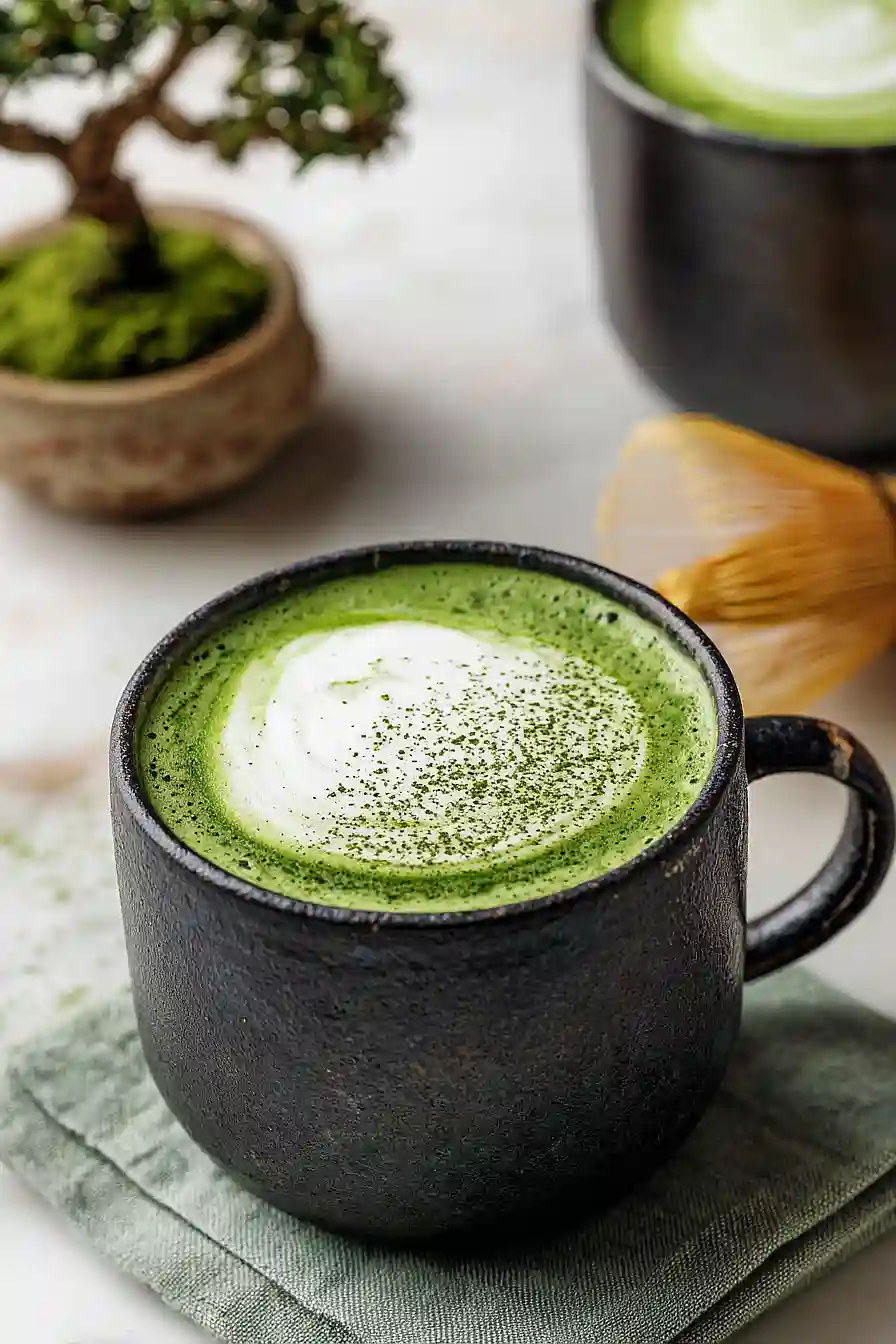
Why You’ll Love This Matcha Latte
- Ready in minutes – This matcha latte comes together in just 5 minutes, making it perfect for busy mornings when you need a quick caffeine boost.
- Simple ingredients – You only need four basic ingredients to make a café-quality drink at home.
- Budget-friendly – Skip the coffee shop and save money by making your own matcha latte for a fraction of the price.
- Customizable sweetness – You can easily adjust the sugar to match your taste preferences or swap it out for your favorite sweetener.
- Healthier alternative – Matcha is packed with antioxidants and gives you a smooth energy boost without the jitters you might get from coffee.
What Kind of Matcha Should I Use?
For a Japanese matcha latte, you’ll want to use culinary-grade matcha, which is specifically designed for mixing into drinks and recipes. Ceremonial-grade matcha is the highest quality option and will give you the smoothest, most refined flavor, but it’s pricier and honestly, culinary-grade works perfectly fine for lattes. Look for bright green matcha powder without any brown or yellowish tones, as this indicates freshness. Store your matcha in the fridge or freezer after opening to keep it from losing its color and flavor, since it can go stale pretty quickly once exposed to air.

Options for Substitutions
This simple matcha latte is easy to customize based on what you have in your kitchen:
- Matcha powder: Don’t substitute regular green tea here – matcha is essential for this drink’s signature flavor and creamy texture. However, you can use culinary grade matcha instead of ceremonial grade to save money, though the taste will be slightly more bitter.
- Milk: Any milk works great here! Try whole milk for the creamiest result, or swap in oat milk, almond milk, soy milk, or coconut milk for a dairy-free version. Oat milk froths particularly well if you’re looking for that coffee shop experience.
- Sugar: Feel free to use honey, maple syrup, or agave instead of sugar. Start with 1 teaspoon since liquid sweeteners taste sweeter than granulated sugar. You can also skip the sweetener entirely if you prefer the natural earthy taste of matcha.
- Hot water: Make sure your water isn’t boiling – it should be around 175°F. Boiling water can make the matcha taste bitter and destroy some of its beneficial properties.
Watch Out for These Mistakes While Making
The biggest mistake people make with matcha lattes is using water that’s too hot, which can scorch the delicate matcha powder and create a bitter, unpleasant taste – stick to water around 175°F or let boiling water cool for a minute before whisking.
Skipping the sifting step might seem like no big deal, but matcha clumps easily and you’ll end up with lumpy bits floating in your drink instead of a smooth, creamy latte.
When heating your milk, going past 140°F will break down the proteins and make it harder to create that nice foam, so use a thermometer if you have one or heat until it’s just steaming but not bubbling.
Finally, don’t rush the whisking process – take your time making those W motions until the matcha paste is completely smooth with no clumps, which usually takes about 20-30 seconds of steady whisking.

What to Serve With Matcha Latte?
A matcha latte pairs beautifully with Japanese-inspired breakfast items like mochi, rice cakes, or even a simple piece of toast with red bean paste. If you’re having it as an afternoon pick-me-up, try it alongside some butter cookies, shortbread, or almond biscotti that won’t overpower the earthy tea flavor. For a more filling option, matcha lattes go great with breakfast pastries like croissants or scones, especially ones with lemon or white chocolate. You could also enjoy it with a light fruit salad or some fresh berries to balance out the creamy richness of the drink.
Storage Instructions
Store: Matcha lattes are best enjoyed fresh, but if you have leftovers, you can keep them in the fridge in a sealed container for up to 24 hours. The matcha might settle at the bottom, so give it a good shake or stir before drinking.
Make Ahead: You can prep your matcha powder mixture ahead of time by sifting it into a small container and keeping it at room temperature for up to a week. When you’re ready for your latte, just add the hot water and whisk it up with your milk.
| Preparation Time | 5-10 minutes |
| Cooking Time | 0-5 minutes |
| Total Time | 5-15 minutes |
| Level of Difficulty | Easy |
| Servings | 1 cup of latte |
Estimated Nutrition
Estimated nutrition for the whole recipe (without optional ingredients):
- Calories: 70-110
- Protein: 3-5 g
- Fat: 2-4 g
- Carbohydrates: 8-12 g
Ingredients
- 2 tsp matcha (I recommend Ippodo ceremonial grade for the best color)
- 3 tbsp hot water (about 175°F to prevent bitterness)
- 1/2 tsp sugar
- 3/4 cup milk (I use Oatly Full Fat for a creamier texture)
- pinch of salt
Step 1: Prepare the Matcha Base
- 2 tsp matcha powder
- 1/2 tsp sugar
- pinch of salt
- 3 tbsp hot water
Sift the matcha powder into your serving cup to break up any clumps and aerate it—this prevents lumps when whisking.
Add the sugar and pinch of salt directly to the sifted matcha.
Pour the hot water (heated to about 175°F) over the matcha mixture.
Using a bamboo whisk or regular whisk, whisk in a gentle W or figure-8 motion for about 30-45 seconds until the matcha is completely dissolved and the mixture is smooth and slightly frothy.
I find that whisking in a W motion rather than circular motions helps incorporate air and prevents the powder from clumping against the bottom of the cup.
Step 2: Steam and Froth the Milk
- 3/4 cup milk
While the matcha base rests, heat your milk to about 140°F—this temperature is hot enough to create a creamy texture without scalding it, which would make the final drink taste bitter or burnt.
If you have a milk frother, use it to froth the milk for 10-15 seconds to create a light, airy microfoam.
If using a whisk or handheld frother, whisk vigorously for the same amount of time.
I prefer using a full-fat oat milk because it froths beautifully and adds a subtle sweetness that complements the earthy matcha without needing extra sugar.
Step 3: Combine and Finish
- steamed and frothed milk from Step 2
- matcha base from Step 1
- small pinch of matcha powder for dusting
Pour the steamed and frothed milk from Step 2 slowly into the matcha base from Step 1, stirring gently as you pour to integrate the two components smoothly.
The hot matcha mixture will blend beautifully with the warm milk.
Top with a light dusting of matcha powder for color and a hint of extra flavor, then serve immediately while the drink is at its best temperature and the foam is still fresh.

Homemade Japanese Matcha Latte
Ingredients
- 2 tsp matcha (I recommend Ippodo ceremonial grade for the best color)
- 3 tbsp hot water (about 175°F to prevent bitterness)
- 1/2 tsp sugar
- 3/4 cup milk (I use Oatly Full Fat for a creamier texture)
- pinch of salt
Instructions
- Sift the matcha powder into your serving cup to break up any clumps and aerate it—this prevents lumps when whisking. Add the sugar and pinch of salt directly to the sifted matcha. Pour the hot water (heated to about 175°F) over the matcha mixture. Using a bamboo whisk or regular whisk, whisk in a gentle W or figure-8 motion for about 30-45 seconds until the matcha is completely dissolved and the mixture is smooth and slightly frothy. I find that whisking in a W motion rather than circular motions helps incorporate air and prevents the powder from clumping against the bottom of the cup.
- While the matcha base rests, heat your milk to about 140°F—this temperature is hot enough to create a creamy texture without scalding it, which would make the final drink taste bitter or burnt. If you have a milk frother, use it to froth the milk for 10-15 seconds to create a light, airy microfoam. If using a whisk or handheld frother, whisk vigorously for the same amount of time. I prefer using a full-fat oat milk because it froths beautifully and adds a subtle sweetness that complements the earthy matcha without needing extra sugar.
- Pour the steamed and frothed milk from Step 2 slowly into the matcha base from Step 1, stirring gently as you pour to integrate the two components smoothly. The hot matcha mixture will blend beautifully with the warm milk. Top with a light dusting of matcha powder for color and a hint of extra flavor, then serve immediately while the drink is at its best temperature and the foam is still fresh.