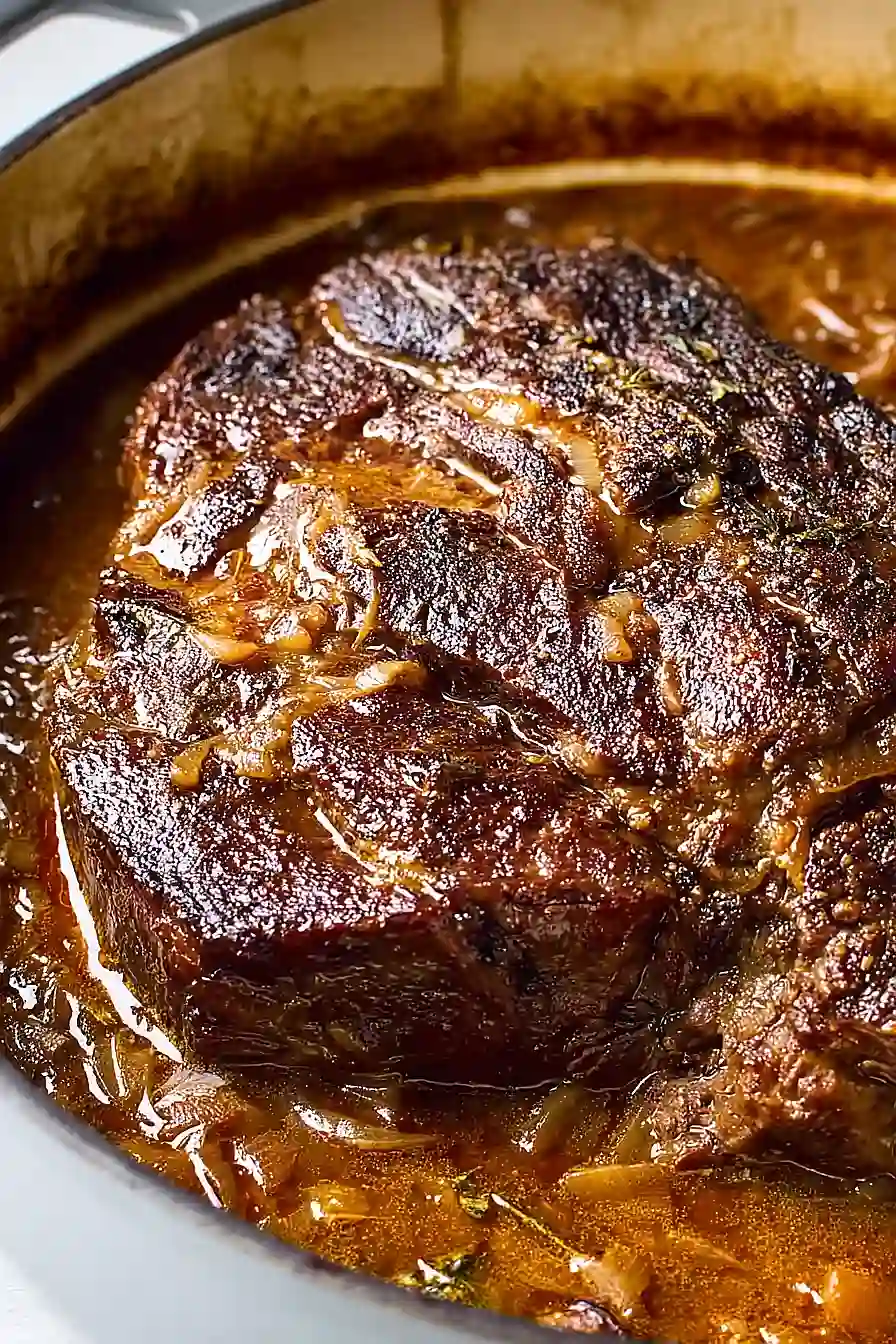
If you ask me, beef tenderloin is one of those cuts that deserves a really good marinade.
This recipe turns a simple roast into something special with a marinade that’s packed with savory flavors. Soy sauce and garlic form the base, while red wine vinegar adds tang and thyme brings an earthy note.
The marinade works its magic for hours before you sear the meat to perfection. A splash of hot sauce and beef broth round out the flavors without overpowering the quality of the beef.
It’s a straightforward approach to cooking tenderloin that makes the whole process feel manageable, perfect for when you want something impressive without the stress.
Why You’ll Love This Marinated Beef Tenderloin
- Restaurant-quality results at home – The overnight marinade infuses the beef with incredible flavor, giving you a tender, juicy roast that tastes like it came from a high-end steakhouse.
- Perfect for special occasions – This impressive main dish is ideal for holidays, dinner parties, or any time you want to treat yourself and your guests to something memorable.
- Simple ingredients, big flavor – You probably have most of these pantry staples on hand already, and they come together to create a marinade that really packs a punch.
- Easy preparation – Just mix the marinade, let the beef soak overnight, and roast it the next day. The marinade does most of the work for you while you sleep.
What Kind of Beef Tenderloin Should I Use?
When shopping for beef tenderloin, you’ll typically find it labeled as either a whole tenderloin or a center-cut tenderloin roast. The whole tenderloin includes the thinner tail end, which cooks faster than the thicker center portion, so if you go this route, you might want to tuck and tie the tail under to help it cook evenly. A center-cut roast is more uniform in thickness and will cook more consistently, making it a bit easier to work with if you’re newer to cooking tenderloin. You can buy it already trimmed and tied at the butcher counter, which saves you some prep work, or you can buy it untrimmed and do it yourself to save a few bucks. Either USDA Choice or Prime grade will work beautifully for this recipe, with Prime offering a bit more marbling and tenderness.
Options for Substitutions
This marinade is pretty forgiving, so here are some swaps you can make if you need to:
- Soy sauce: You can use tamari or coconut aminos if you’re looking for a gluten-free option. Worcestershire sauce mixed with a bit of water also works in a pinch, though the flavor will be slightly different.
- Beef broth: Chicken broth or vegetable broth will work just fine here. You could even use red wine for a richer marinade.
- Red wine vinegar: Balsamic vinegar, apple cider vinegar, or white wine vinegar all make good substitutes. Just stick with the same amount.
- Dried thyme: Fresh thyme works great – just use about 1 tablespoon of fresh leaves instead. Rosemary or oregano can also step in if you’re out of thyme.
- Hot pepper sauce: If you don’t have hot sauce, try a pinch of cayenne pepper or red pepper flakes. You can also leave it out entirely if you prefer a milder flavor.
- Beef tenderloin: This is the one ingredient I wouldn’t substitute. Tenderloin is special because of its tenderness and even cooking. Other cuts like sirloin or ribeye have different textures and would need different cooking times and methods.
Watch Out for These Mistakes While Cooking
The biggest mistake when cooking beef tenderloin is not bringing it to room temperature before cooking – cold meat straight from the fridge will cook unevenly, leaving you with an overcooked exterior and undercooked center.
Over-marinating can actually work against you here, as the soy sauce’s salt content can start to break down the meat’s texture after 24 hours, so stick to 4-8 hours for the best results.
Another common error is skipping the searing step – even though you’ve marinated the meat, a quick sear in a hot pan before roasting creates a flavorful crust that locks in juices.
Finally, don’t skip the resting period after cooking; let your tenderloin rest for at least 15 minutes before slicing, which allows the juices to redistribute throughout the meat instead of running all over your cutting board.
What to Serve With Marinated Beef Tenderloin?
Since beef tenderloin is such a rich and savory main course, I love pairing it with classic steakhouse sides like creamy mashed potatoes or roasted garlic potatoes that can soak up those delicious meat juices. Roasted vegetables like asparagus, green beans, or Brussels sprouts add a nice balance to the meal and bring some freshness to the plate. A simple arugula salad with a light vinaigrette works great too, especially since the beef is already packed with flavor from the soy sauce and garlic marinade. If you’re feeding a crowd, consider adding some dinner rolls or crusty bread on the side for a complete meal.
Storage Instructions
Store: Leftover beef tenderloin keeps really well in the fridge. Wrap it tightly in plastic wrap or store in an airtight container for up to 4 days. The meat actually tastes great cold, sliced thin for sandwiches or salads throughout the week.
Freeze: You can freeze cooked tenderloin for up to 3 months. Wrap it well in plastic wrap, then in foil to prevent freezer burn. I like to slice it before freezing so I can grab just what I need without thawing the whole thing.
Serve Chilled or Warm: To warm up leftovers, let the meat come to room temperature first, then gently reheat in a 250°F oven until just warmed through. Be careful not to overcook it or it’ll dry out. Honestly though, this beef is just as delicious served cold or at room temperature.
| Preparation Time | 15-20 minutes |
| Cooking Time | 55-60 minutes |
| Total Time | 16-24 hours |
| Level of Difficulty | Medium |
Estimated Nutrition
Estimated nutrition for the whole recipe (without optional ingredients):
- Calories: 3300-3600
- Protein: 380-410 g
- Fat: 220-250 g
- Carbohydrates: 25-35 g
Ingredients
For the marinade:
- 1/2 tsp salt
- 1 tsp coarsely ground pepper (freshly ground preferred)
- 2 tbsp red wine vinegar
- 1 cup soy sauce (I prefer Kikkoman)
- 5 garlic cloves (minced)
- 1 tsp dried thyme
- 1 bay leaf
- 1/2 cup olive oil (extra virgin)
- 1/2 tsp hot pepper sauce
- 3/4 cup beef broth
For the beef:
- 3.5 to 4 lb beef tenderloin roast (room temperature before searing)
Step 1: Prepare the Marinade and Marinate the Beef
- 1/2 tsp salt
- 1 tsp coarsely ground pepper
- 2 tbsp red wine vinegar
- 1 cup soy sauce
- 5 garlic cloves
- 1 tsp dried thyme
- 1 bay leaf
- 1/2 cup olive oil
- 1/2 tsp hot pepper sauce
- 3/4 cup beef broth
- 3.5 to 4 lb beef tenderloin roast
Combine the soy sauce, beef broth, olive oil, red wine vinegar, minced garlic, dried thyme, finely ground pepper, salt, and hot pepper sauce in a bowl and whisk well to create the marinade.
I like to taste the marinade here to ensure the seasoning is just right!
Reserve one cup of this marinade in a separate covered container and refrigerate; this will be for basting later.
Pour the remaining marinade into a dish with the bay leaf, add the beef tenderloin, ensuring it’s fully coated.
Cover the dish and refrigerate overnight to allow the flavors to penetrate the meat.
Step 2: Preheat Oven and Prepare Beef for Roasting
- 3.5 to 4 lb beef tenderloin roast
The next day, remove the beef tenderloin from the refrigerator at least 30-60 minutes before cooking to bring it to room temperature.
This step is crucial for even cooking!
Preheat your oven to 425°F (220°C).
Remove the beef from the marinade, discarding the used marinade and bay leaf.
Place the tenderloin on a rack set in a sturdy roasting pan.
Step 3: Roast and Baste the Tenderloin
Place the beef tenderloin in the preheated oven and roast uncovered for 55 to 60 minutes.
During this time, baste the beef every 15-20 minutes with the reserved marinade from the refrigerator.
Basting not only adds flavor but also helps create a beautiful crust.
I always keep an eye on the internal temperature; for medium-rare, aim for 130-135°F (54-57°C).
Step 4: Rest and Serve
Once the beef reaches your desired internal temperature, remove it from the oven.
Transfer the tenderloin to a cutting board and tent it loosely with foil.
Allow the meat to rest for at least 15 minutes before slicing.
Resting lets the juices redistribute throughout the meat, ensuring a tender and flavorful result.
Homemade Marinated Beef Tenderloin
Ingredients
For the marinade:
- 1/2 tsp salt
- 1 tsp coarsely ground pepper (freshly ground preferred)
- 2 tbsp red wine vinegar
- 1 cup soy sauce (I prefer Kikkoman)
- 5 garlic cloves (minced)
- 1 tsp dried thyme
- 1 bay leaf
- 1/2 cup olive oil (extra virgin)
- 1/2 tsp hot pepper sauce
- 3/4 cup beef broth
For the beef:
- 3.5 to 4 lb beef tenderloin roast (room temperature before searing)
Instructions
- Combine the soy sauce, beef broth, olive oil, red wine vinegar, minced garlic, dried thyme, finely ground pepper, salt, and hot pepper sauce in a bowl and whisk well to create the marinade. I like to taste the marinade here to ensure the seasoning is just right! Reserve one cup of this marinade in a separate covered container and refrigerate; this will be for basting later. Pour the remaining marinade into a dish with the bay leaf, add the beef tenderloin, ensuring it's fully coated. Cover the dish and refrigerate overnight to allow the flavors to penetrate the meat.
- The next day, remove the beef tenderloin from the refrigerator at least 30-60 minutes before cooking to bring it to room temperature. This step is crucial for even cooking! Preheat your oven to 425°F (220°C). Remove the beef from the marinade, discarding the used marinade and bay leaf. Place the tenderloin on a rack set in a sturdy roasting pan.
- Place the beef tenderloin in the preheated oven and roast uncovered for 55 to 60 minutes. During this time, baste the beef every 15-20 minutes with the reserved marinade from the refrigerator. Basting not only adds flavor but also helps create a beautiful crust. I always keep an eye on the internal temperature; for medium-rare, aim for 130-135°F (54-57°C).
- Once the beef reaches your desired internal temperature, remove it from the oven. Transfer the tenderloin to a cutting board and tent it loosely with foil. Allow the meat to rest for at least 15 minutes before slicing. Resting lets the juices redistribute throughout the meat, ensuring a tender and flavorful result.