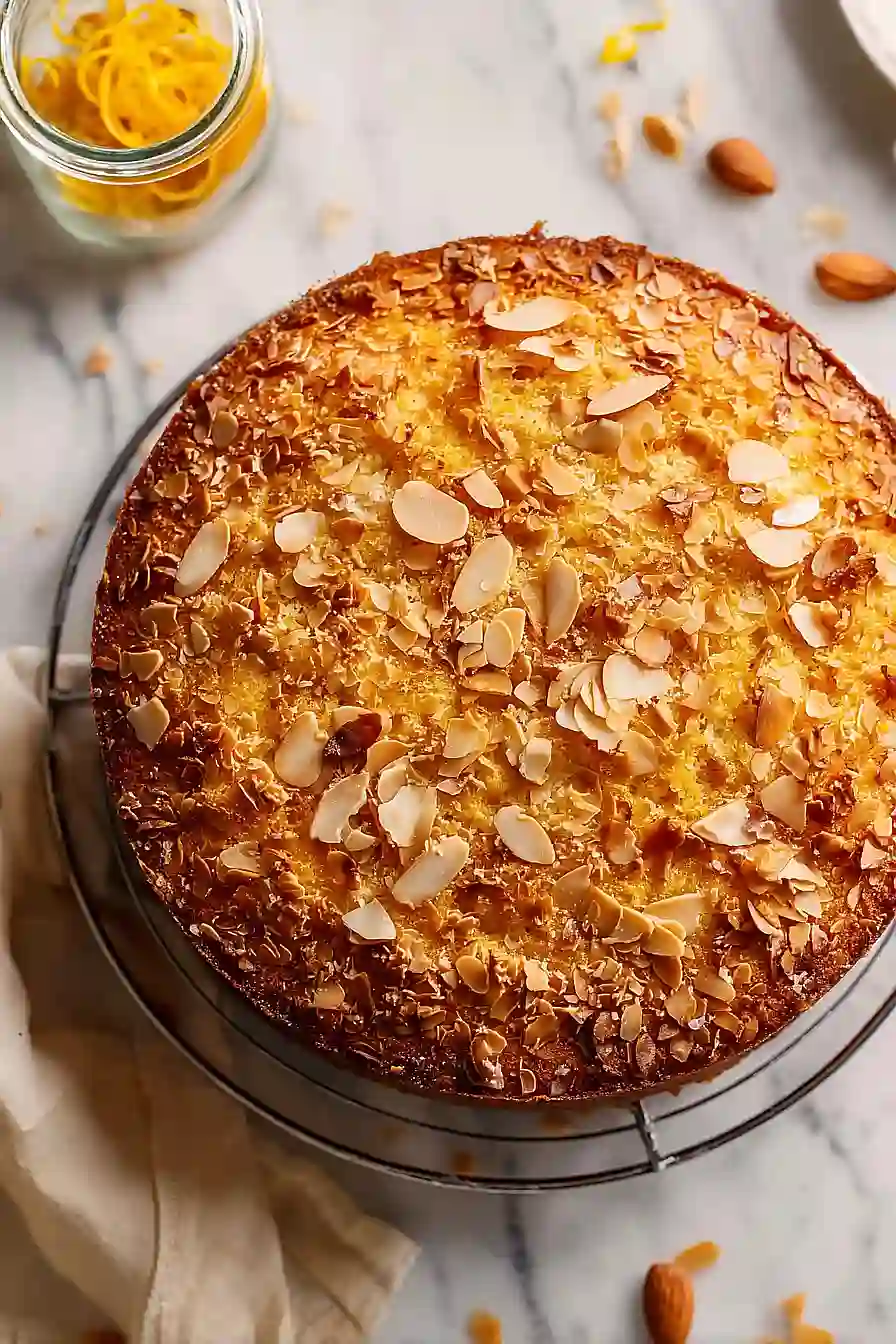
I’ll be honest—I used to think lemon and coconut was one of those flavor combinations that sounded better than it actually tasted. Like, sure, they’re both tropical-ish, but do they really belong in the same cake?
Turns out, they absolutely do. The bright zing of lemon zest cuts right through the sweetness of coconut in a way that just works. And when you use almond meal instead of regular flour, you get this moist, dense cake that’s more interesting than your typical sheet cake from a box. It’s the kind of thing that makes people ask for the recipe, even though it comes together with ingredients you probably already have in your pantry.
Why You’ll Love This Lemon Coconut Cake
- Naturally gluten-free – Made with almond meal instead of regular flour, this cake is perfect if you’re avoiding gluten or just looking for a healthier alternative.
- Bright, refreshing flavor – The combination of zesty lemon and tropical coconut creates a light, summery taste that’s not too sweet.
- Simple ingredients – You probably have most of these pantry staples on hand already, making it easy to whip up whenever a craving hits.
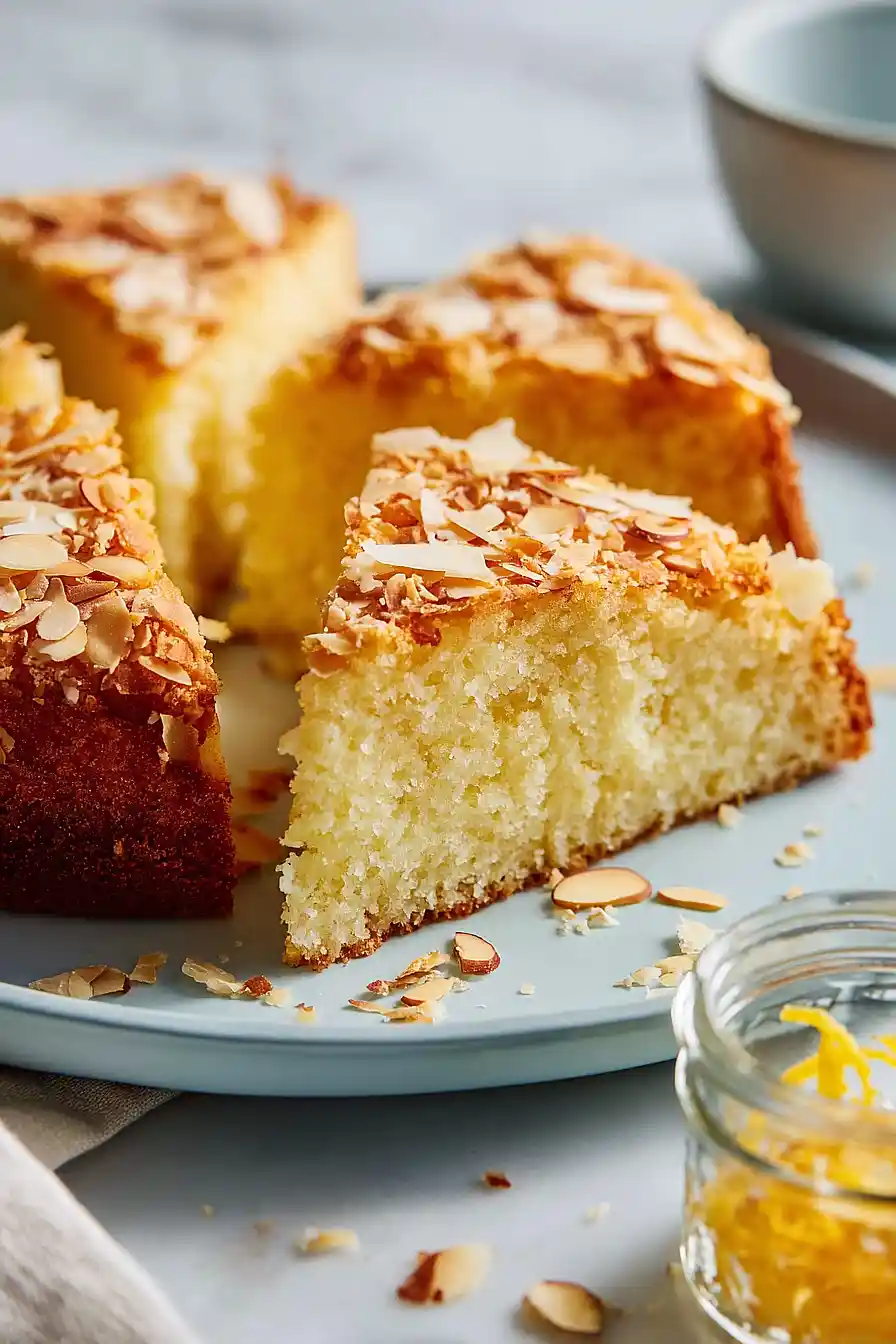
- Moist and tender texture – The almond meal and coconut keep this cake incredibly moist, so it stays fresh for days without drying out.
- Ready in just over an hour – From mixing bowl to your plate, this cake comes together quickly for an impressive dessert that doesn’t require all afternoon.
What Kind of Almond Meal Should I Use?
You can use either almond meal or almond flour for this lemon coconut cake, and both will give you great results. Almond meal is a bit coarser since it’s made from almonds with the skins still on, while almond flour is finer and made from blanched almonds. The meal will give you a slightly nuttier flavor and more rustic texture, whereas the flour creates a lighter, more cake-like crumb. If you’re buying from the store, just grab whichever one is available or fits your budget – honestly, most people won’t notice much difference in the final cake. Just make sure your almond meal is fresh and hasn’t gone rancid, which can happen if it’s been sitting in your pantry too long since almonds have natural oils that can spoil.
Options for Substitutions
This cake is pretty forgiving when it comes to swapping ingredients:
- Almond meal: This is the star of the cake and gives it that moist, dense texture, so I wouldn’t recommend substituting it. If you need a nut-free version, you could try sunflower seed meal, but the texture will be slightly different.
- Unsalted butter: You can use salted butter if that’s what you have – just skip the added salt in the recipe. Coconut oil also works well here and adds extra coconut flavor.
- Sugar: Regular white sugar works best, but you can use caster sugar for a finer texture. Coconut sugar will give you a slightly caramel-like flavor and darker color.
- Vanilla essence: Vanilla extract or vanilla bean paste both work great. You could also use almond extract for a stronger nutty flavor, but use only 1/2 teaspoon as it’s more concentrated.
- Coconut: Shredded or desiccated coconut both work fine. If you only have sweetened coconut, reduce the sugar by 2 tablespoons.
- Flaked almonds: These are just for topping, so feel free to use sliced almonds, extra coconut flakes, or skip them altogether.
Watch Out for These Mistakes While Baking
The biggest mistake with this lemon coconut cake is not letting the melted butter cool down before adding the eggs, which can scramble them and ruin your batter – wait until the butter is just warm to the touch.
Since almond meal is denser than regular flour, overmixing the batter can make your cake heavy and dense, so stir just until the ingredients are combined and no streaks remain.
Another common error is skipping the cooling time in the pan, which can cause this delicate cake to fall apart when you try to remove it – those 15 minutes help it firm up and hold together.
To get the most lemon flavor, make sure you’re zesting only the yellow part of the peel and not the bitter white pith underneath, and consider adding an extra half teaspoon of zest if you really love that citrus punch.
What to Serve With Lemon Coconut Cake?
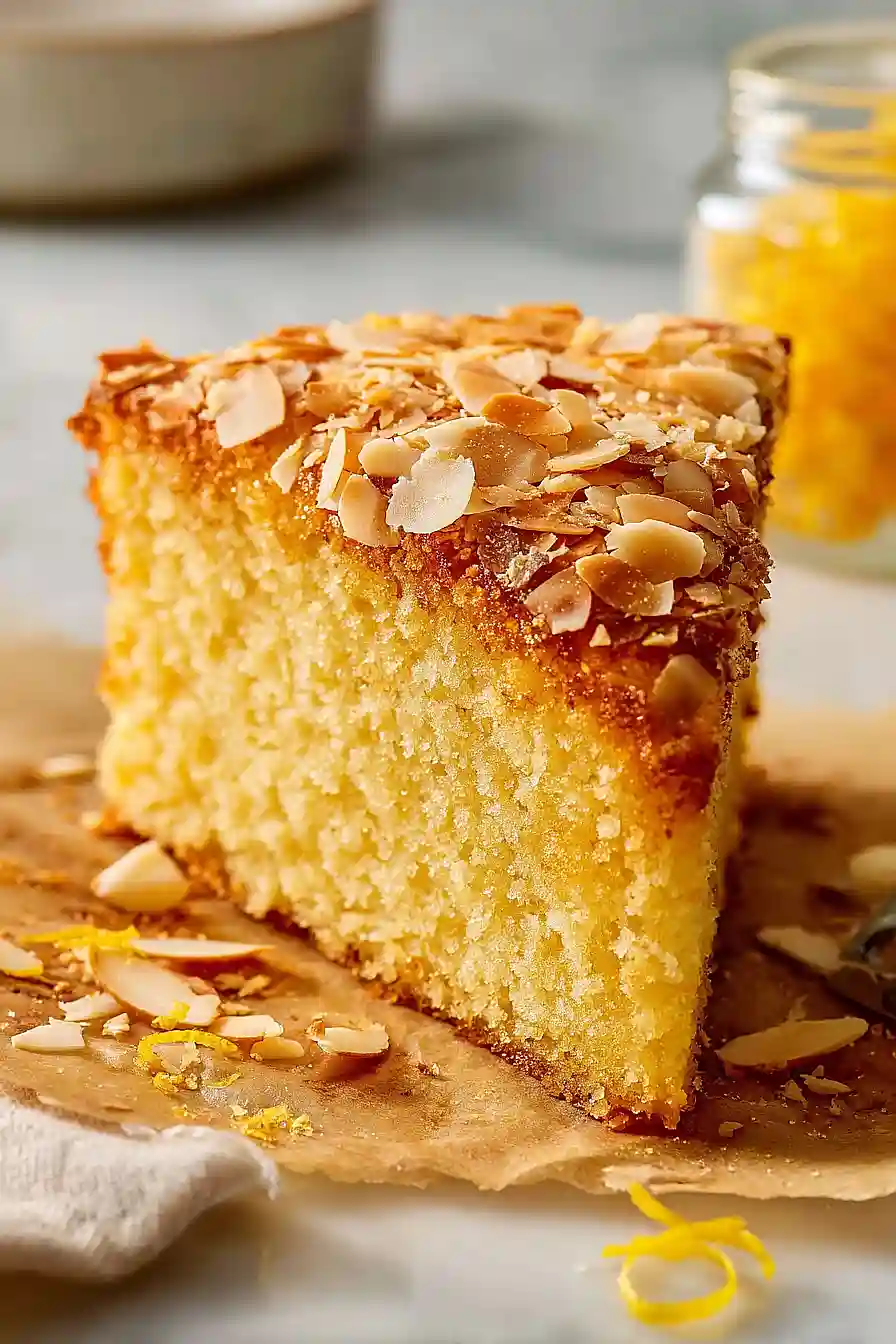
This cake is perfect on its own with a cup of tea or coffee, but I love serving it with a dollop of whipped cream or Greek yogurt to balance out the sweetness. Fresh berries like raspberries or blueberries are a great addition since their tartness pairs beautifully with the lemon and coconut flavors. If you’re serving this for a special occasion, a scoop of vanilla ice cream on the side turns it into a proper dessert, or you could drizzle some extra lemon glaze over the top for people who really love that citrus kick.
Storage Instructions
Store: This lemon coconut cake keeps really well at room temperature for about 2 days if you cover it with a cake dome or plastic wrap. For longer storage, pop it in an airtight container in the fridge where it’ll stay fresh for up to a week.
Freeze: You can freeze this cake for up to 3 months, either whole or in slices. Wrap it tightly in plastic wrap, then again in foil to prevent freezer burn. Individual slices are great because you can grab just what you need for a quick treat.
Serve: Let the cake come to room temperature before serving for the best flavor and texture. If you’ve frozen it, just thaw it in the fridge overnight or on the counter for a few hours. The coconut and almond flavors actually get even better after a day or two!
| Preparation Time | 15-30 minutes |
| Cooking Time | 40-45 minutes |
| Total Time | 70-85 minutes |
| Level of Difficulty | Easy |
| Servings | 8 slices |
Estimated Nutrition
Estimated nutrition for the whole recipe (without optional ingredients):
- Calories: 2500-2700
- Protein: 50-60 g
- Fat: 210-230 g
- Carbohydrates: 115-130 g
Ingredients
For the cake batter:
- 5.5 oz unsalted butter
- 4 large eggs
- 1.25 tsp vanilla
- 7/8 cup sugar
- 1 1/2 cups almond meal
- 1/4 tsp salt
- 1 tsp baking powder
- 3/4 cup coconut
- 2 tsp lemon zest
For the topping:
- 1/3 cup flaked almonds
Step 1: Prepare Pan and Oven
Preheat your oven to 350°F.
While it heats, line an 8×8 inch baking pan (or similar 2-quart capacity) with parchment paper, allowing some overhang on the sides for easy removal later.
This prevents sticking and makes cooling easier.
Step 2: Melt Butter and Combine Wet Ingredients
- 5.5 oz unsalted butter
- 4 large eggs
- 1.25 tsp vanilla
- 7/8 cup sugar
Cut the unsalted butter into chunks and melt it in a small bowl, then let it cool for a few minutes until it’s warm but not hot.
In a large mixing bowl, whisk together the cooled melted butter, eggs, vanilla, and sugar until the mixture is pale and well combined, about 2-3 minutes of whisking.
The sugar should begin to dissolve and the mixture will become lighter in color—this incorporates air and helps create a tender crumb.
Step 3: Fold in Dry Ingredients and Aromatics
- 1 1/2 cups almond meal
- 1/4 tsp salt
- 1 tsp baking powder
- 3/4 cup coconut
- 2 tsp lemon zest
Add the almond meal, salt, baking powder, coconut, and lemon zest to the wet mixture from Step 2.
Fold everything together gently with a spatula until just combined—don’t overmix, as this can make the cake dense.
The batter should come together smoothly with no visible streaks of dry ingredients.
I like to add the lemon zest at this stage rather than earlier so its fresh aroma and oils stay vibrant in the finished cake.
Step 4: Pour and Top with Almonds
- batter from Step 3
- 1/3 cup flaked almonds
Pour the batter from Step 3 into the prepared pan and spread it evenly into the corners.
Sprinkle the flaked almonds over the top in an even layer, pressing them down gently so they stick to the batter.
The almonds will toast slightly as the cake bakes and add wonderful texture and visual appeal.
Step 5: Bake Until Golden
Bake the cake in the preheated 350°F oven for 40 minutes, until the top is golden brown and a toothpick inserted into the center comes out clean or with just a few moist crumbs.
The edges should pull slightly away from the pan sides.
Step 6: Cool and Remove from Pan
Remove the cake from the oven and let it rest in the pan for 15 minutes—this allows the structure to set enough to handle safely.
Turn the cake out onto a wire cooling rack and let it cool completely for at least 1 hour before serving.
I find that waiting the full hour really improves the texture and makes slicing cleaner.
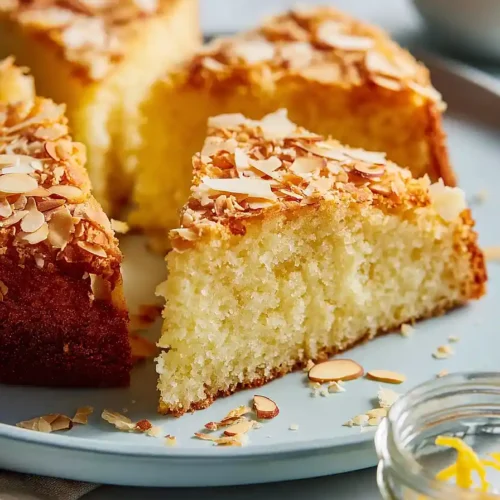
Irresistible Lemon Coconut Cake
Ingredients
For the cake batter::
- 5.5 oz unsalted butter
- 4 large eggs
- 1.25 tsp vanilla
- 7/8 cup sugar
- 1 1/2 cups almond meal
- 1/4 tsp salt
- 1 tsp baking powder
- 3/4 cup coconut
- 2 tsp lemon zest
For the topping::
- 1/3 cup flaked almonds
Instructions
- Preheat your oven to 350°F. While it heats, line an 8x8 inch baking pan (or similar 2-quart capacity) with parchment paper, allowing some overhang on the sides for easy removal later. This prevents sticking and makes cooling easier.
- Cut the unsalted butter into chunks and melt it in a small bowl, then let it cool for a few minutes until it's warm but not hot. In a large mixing bowl, whisk together the cooled melted butter, eggs, vanilla, and sugar until the mixture is pale and well combined, about 2-3 minutes of whisking. The sugar should begin to dissolve and the mixture will become lighter in color—this incorporates air and helps create a tender crumb.
- Add the almond meal, salt, baking powder, coconut, and lemon zest to the wet mixture from Step 2. Fold everything together gently with a spatula until just combined—don't overmix, as this can make the cake dense. The batter should come together smoothly with no visible streaks of dry ingredients. I like to add the lemon zest at this stage rather than earlier so its fresh aroma and oils stay vibrant in the finished cake.
- Pour the batter from Step 3 into the prepared pan and spread it evenly into the corners. Sprinkle the flaked almonds over the top in an even layer, pressing them down gently so they stick to the batter. The almonds will toast slightly as the cake bakes and add wonderful texture and visual appeal.
- Bake the cake in the preheated 350°F oven for 40 minutes, until the top is golden brown and a toothpick inserted into the center comes out clean or with just a few moist crumbs. The edges should pull slightly away from the pan sides.
- Remove the cake from the oven and let it rest in the pan for 15 minutes—this allows the structure to set enough to handle safely. Turn the cake out onto a wire cooling rack and let it cool completely for at least 1 hour before serving. I find that waiting the full hour really improves the texture and makes slicing cleaner.