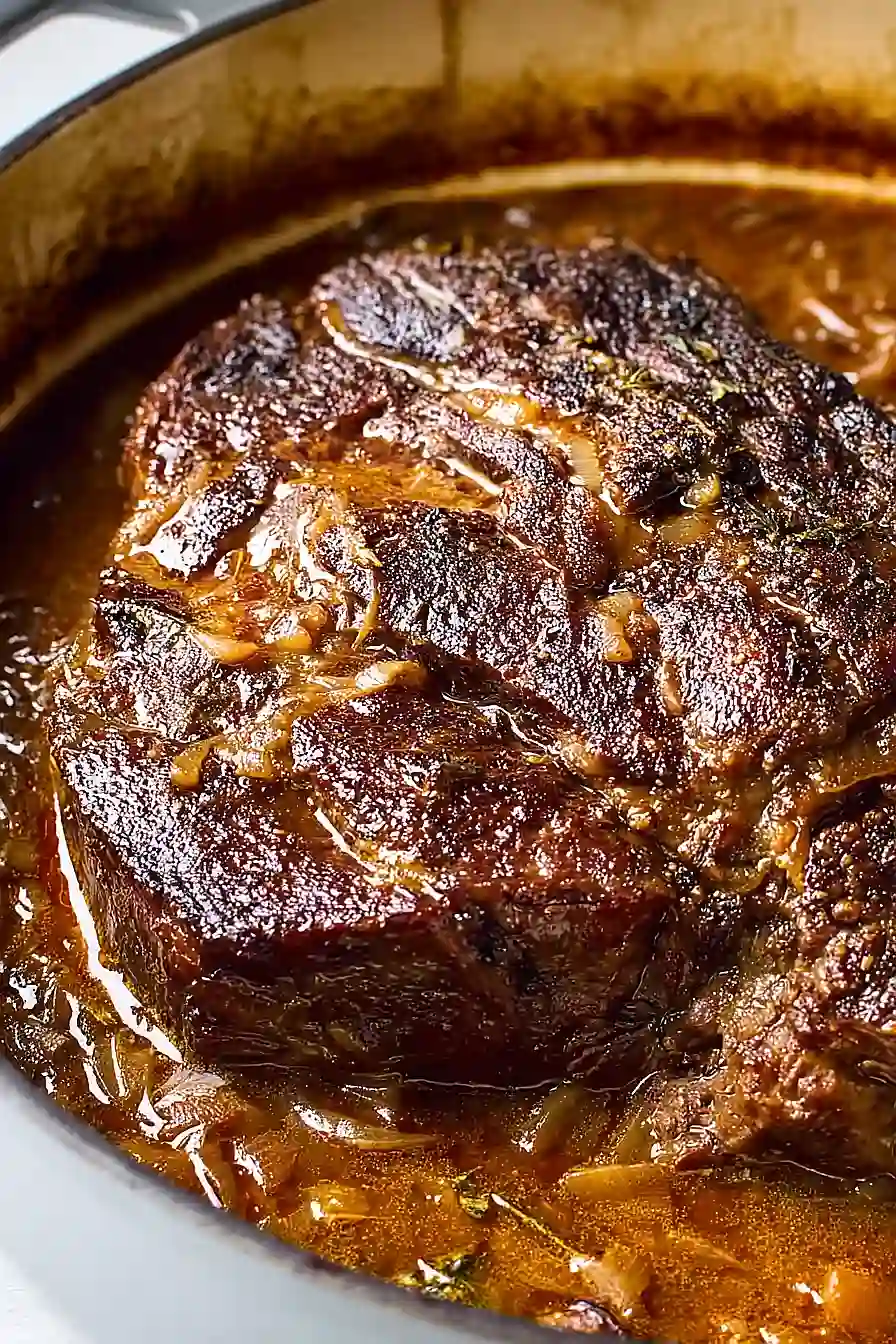
Here is my favorite orange marmalade glazed ham recipe, with a sweet and tangy glaze made from orange marmalade, whole-grain mustard, brown sugar, and warm spices that creates a beautiful caramelized coating on the outside.
This ham is what I make for Easter and Christmas dinner every year. The combination of citrusy marmalade and mustard gives it such a nice balance of sweet and savory, and it always disappears fast. Plus, it’s surprisingly easy to pull together!
Why You’ll Love This Orange Marmalade Glazed Ham
- Perfect for special occasions – This glazed ham makes an impressive centerpiece for holiday dinners, Easter brunch, or any celebration where you want to wow your guests without spending all day in the kitchen.
- Sweet and tangy glaze – The combination of orange marmalade, mustard, and brown sugar creates a sticky, flavorful coating that caramelizes beautifully and tastes incredible.
- Feeds a crowd – A 5-6 kg ham serves plenty of people, and you’ll likely have leftovers for sandwiches, soups, and breakfast scrambles throughout the week.
- Simple ingredients – You probably have most of these pantry staples on hand already, making this an easy recipe to pull together when you need it.
- Minimal hands-on time – Since you’re starting with a pre-cooked ham, you’re really just heating it through and applying the glaze, which means less work and more time with your family.
What Kind of Ham Should I Use?
For this recipe, you’ll want to grab a fully cooked bone-in leg ham from your butcher or grocery store. The bone-in variety is ideal because the bone helps keep the meat moist during baking and adds extra flavor throughout. Most hams you’ll find at the store are already cooked, which means you’re really just heating it through and adding that delicious glaze. If you can, look for a ham that’s labeled “spiral-cut” – it makes slicing so much easier when it’s time to serve, though a regular bone-in ham works just fine too. Just make sure whatever ham you choose is at room temperature before you start cooking, as this helps it heat evenly.
Options for Substitutions
This ham recipe is pretty forgiving, so here are some swaps you can make if needed:
- Orange marmalade: If you don’t have orange marmalade, apricot preserves or peach jam work really well. You can also use regular orange jam, though you’ll lose some of that nice bitter edge from the peel.
- Whole-grain mustard: Dijon mustard is a solid substitute here. If you only have yellow mustard, that’ll work too – just add a tiny splash of apple cider vinegar to give it more punch.
- Light brown sugar: Dark brown sugar will give you a deeper molasses flavor, or you can use regular white sugar mixed with a tablespoon of honey or maple syrup.
- Red wine vinegar: Apple cider vinegar or white wine vinegar both work perfectly as substitutes without changing the recipe at all.
- Ground coriander and allspice: If you’re missing these spices, you can skip them or use a pinch of cinnamon and nutmeg instead for a warm, sweet flavor profile.
Watch Out for These Mistakes While Cooking
The biggest mistake when glazing ham is applying the glaze too early, which causes it to burn and turn bitter before the ham is heated through – wait until the last 30-45 minutes of cooking to start brushing on your marmalade mixture.
Skipping the scoring step is another common error that prevents the glaze from penetrating the meat, so make sure to cut diagonal lines about 1/4 inch deep in a diamond pattern across the ham’s surface.
To avoid a glaze that slides right off, apply it in thin layers every 15 minutes during the final cooking time rather than dumping it all on at once, and keep an eye on the oven temperature – if it’s too high, the sugar in the marmalade will caramelize too quickly and blacken.
Finally, let your ham rest for at least 15 minutes after removing it from the oven, which allows the juices to redistribute and makes carving much cleaner and easier.
What to Serve With Orange Marmalade Glazed Ham?
This glazed ham is perfect for a holiday spread, so I like to keep the sides simple and let the ham be the star. Roasted vegetables like carrots, Brussels sprouts, or green beans work really well because they balance out the sweetness of the marmalade glaze. Creamy mashed potatoes or scalloped potatoes are always a crowd-pleaser and soak up any extra glaze that drips onto the plate. For something lighter, a fresh arugula salad with a citrus vinaigrette complements the orange flavors in the ham, or you can go with classic dinner rolls for making little ham sandwiches with any leftovers.
Storage Instructions
Store: Leftover ham keeps really well in the fridge for up to 5 days. Wrap it tightly in plastic wrap or aluminum foil, or store sliced pieces in an airtight container. The glaze might soften a bit in storage, but it still tastes great on sandwiches or alongside your favorite sides.
Freeze: You can freeze leftover ham for up to 2 months. I like to slice it first and wrap portions in plastic wrap, then place them in freezer bags so I can grab just what I need. The texture might be slightly different after freezing, but it works perfectly for soups, casseroles, or scrambled eggs.
Serve: Cold ham is delicious straight from the fridge for sandwiches or salads. If you want to warm it up, place slices in a baking dish with a splash of water or leftover glaze, cover with foil, and heat at 325°F for about 10-15 minutes until warmed through.
| Preparation Time | 15-20 minutes |
| Cooking Time | 2 hours |
| Total Time | 2 hours 15-20 minutes |
| Level of Difficulty | Medium |
Estimated Nutrition
Estimated nutrition for the whole recipe (without optional ingredients):
- Calories: 6700-7400
- Protein: 620-690 g
- Fat: 380-440 g
- Carbohydrates: 160-190 g
Ingredients
For the ham:
- 5 to 6 lb cooked bone-in ham (I prefer Smithfield for quality and flavor)
- 2 cups water
For the glaze:
- 1/4 cup whole-grain mustard (such as Maille or Grey Poupon)
- 2 tbsp red wine vinegar
- 1/2 tsp ground allspice
- 3/4 cup orange marmalade (Seville or bitter orange variety works best)
- 1/2 cup light brown sugar (packed)
- black pepper to taste
- 1 tsp ground coriander (freshly ground preferred for more flavor)
Step 1: Build the Glaze and Prepare the Ham
- 3/4 cup orange marmalade
- 1/2 cup light brown sugar
- 1/4 cup whole-grain mustard
- 2 tbsp red wine vinegar
- 1/2 tsp ground allspice
- 1 tsp ground coriander
- black pepper to taste
While your oven preheats to 320°F (160°C), combine the orange marmalade, light brown sugar, whole-grain mustard, red wine vinegar, ground allspice, ground coriander, and black pepper in a bowl, stirring until smooth and well combined.
The mustard and vinegar will create a balanced acidity that cuts through the richness of the ham.
Set this glaze aside.
Score the top of your ham with shallow crosshatch cuts about ¼-inch deep, spacing them roughly 1 inch apart—this allows the glaze to penetrate and caramelize into the meat, creating a beautiful textured crust.
Step 2: Braise the Ham Low and Slow
- 5 to 6 lb cooked bone-in ham
- 2 cups water
Place the scored ham cut-side down on a rack in a roasting pan and pour 2 cups of water into the pan around the ham—the water creates steam that keeps the meat moist during the initial cooking phase.
Cover the pan tightly with aluminum foil and place it in the preheated 320°F oven for 1 hour.
After 1 hour, carefully remove the foil (watch for hot steam), check that there’s still liquid in the pan, and add a splash more water if needed.
Return the ham to the oven, uncovered, for another hour until the meat becomes tender.
Step 3: Amplify the Glaze with Pan Juices
- 1/4 cup pan juices from braised ham
- glaze mixture from Step 1
Remove the ham from the oven and increase the oven temperature to 400°F (200°C).
Carefully pour off 1/4 cup of the flavorful pan juices into a small bowl and whisk them into the prepared glaze from Step 1.
This addition of savory, ham-infused liquid deepens the glaze’s complexity and helps it adhere better to the meat.
I like to taste this enriched glaze and adjust the seasoning with a pinch more black pepper if needed—it should taste bold and balanced.
Step 4: Glaze and Caramelize the Ham
- amplified glaze from Step 3
Using a pastry brush, generously coat the top and sides of the ham with half of the amplified glaze from Step 3, working it into the scored lines.
Return the ham to the 400°F oven and roast for 45 minutes.
Brush with the remaining glaze after 25 minutes and again at 40 minutes, allowing each layer to caramelize slightly before adding the next.
The higher heat creates a glossy, deeply browned exterior while the sugar and fruit in the glaze develop rich caramelized notes.
Step 5: Rest and Serve
Remove the ham from the oven and transfer it to a cutting board or serving platter.
Let it rest for 15 minutes—this allows the juices to redistribute throughout the meat, ensuring each slice stays moist and tender.
The glaze will also set slightly, creating a more structured crust.
Carve and serve warm, spooning any pan drippings over the sliced ham for extra flavor.
Irresistible Orange Marmalade Glazed Ham
Ingredients
For the ham:
- 5 to 6 lb cooked bone-in ham (I prefer Smithfield for quality and flavor)
- 2 cups water
For the glaze:
- 1/4 cup whole-grain mustard (such as Maille or Grey Poupon)
- 2 tbsp red wine vinegar
- 1/2 tsp ground allspice
- 3/4 cup orange marmalade (Seville or bitter orange variety works best)
- 1/2 cup light brown sugar (packed)
- black pepper to taste
- 1 tsp ground coriander (freshly ground preferred for more flavor)
Instructions
- While your oven preheats to 320°F (160°C), combine the orange marmalade, light brown sugar, whole-grain mustard, red wine vinegar, ground allspice, ground coriander, and black pepper in a bowl, stirring until smooth and well combined. The mustard and vinegar will create a balanced acidity that cuts through the richness of the ham. Set this glaze aside. Score the top of your ham with shallow crosshatch cuts about ¼-inch deep, spacing them roughly 1 inch apart—this allows the glaze to penetrate and caramelize into the meat, creating a beautiful textured crust.
- Place the scored ham cut-side down on a rack in a roasting pan and pour 2 cups of water into the pan around the ham—the water creates steam that keeps the meat moist during the initial cooking phase. Cover the pan tightly with aluminum foil and place it in the preheated 320°F oven for 1 hour. After 1 hour, carefully remove the foil (watch for hot steam), check that there's still liquid in the pan, and add a splash more water if needed. Return the ham to the oven, uncovered, for another hour until the meat becomes tender.
- Remove the ham from the oven and increase the oven temperature to 400°F (200°C). Carefully pour off 1/4 cup of the flavorful pan juices into a small bowl and whisk them into the prepared glaze from Step 1. This addition of savory, ham-infused liquid deepens the glaze's complexity and helps it adhere better to the meat. I like to taste this enriched glaze and adjust the seasoning with a pinch more black pepper if needed—it should taste bold and balanced.
- Using a pastry brush, generously coat the top and sides of the ham with half of the amplified glaze from Step 3, working it into the scored lines. Return the ham to the 400°F oven and roast for 45 minutes. Brush with the remaining glaze after 25 minutes and again at 40 minutes, allowing each layer to caramelize slightly before adding the next. The higher heat creates a glossy, deeply browned exterior while the sugar and fruit in the glaze develop rich caramelized notes.
- Remove the ham from the oven and transfer it to a cutting board or serving platter. Let it rest for 15 minutes—this allows the juices to redistribute throughout the meat, ensuring each slice stays moist and tender. The glaze will also set slightly, creating a more structured crust. Carve and serve warm, spooning any pan drippings over the sliced ham for extra flavor.