I’m always looking for ways to sneak more protein into dinner without making it feel like a chore. My family loves pasta night, but I used to feel guilty about serving something that left everyone hungry an hour later. Then I discovered the magic of cottage cheese as a pasta sauce base.
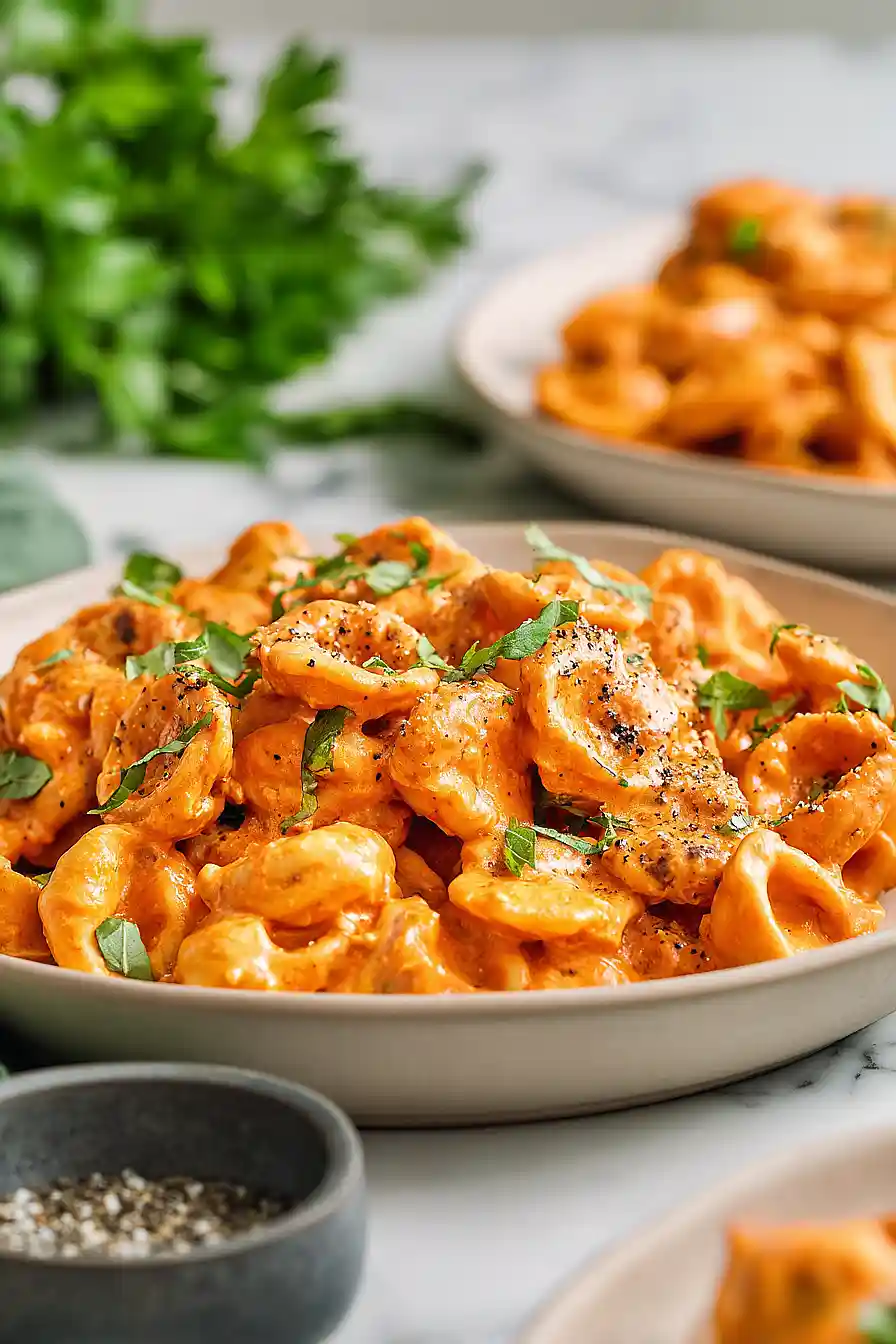
This cottage cheese pasta sauce has become my weeknight dinner shortcut. It’s creamy, packed with protein, and honestly tastes way fancier than the effort it takes. I blend cottage cheese with tomato sauce and fresh basil, then toss it with chickpea pasta and turkey sausage. The kids don’t even realize they’re eating something healthy, which is a win in my book.
The best part? It comes together in about the same time it takes to boil pasta. No standing over a pot stirring cream sauce or waiting for cheese to melt. Just blend, cook, and dinner is done.

Why You’ll Love This Cottage Cheese Pasta Sauce
- High-protein meal – Between the cottage cheese, chickpea pasta, and turkey sausage, you’re getting a serious protein boost that’ll keep you full and satisfied for hours.
- Quick weeknight dinner – This comes together in under 45 minutes, making it perfect for busy evenings when you want something homemade without spending all night in the kitchen.
- Creamy without the guilt – The cottage cheese creates a rich, creamy sauce that tastes indulgent but is actually packed with nutrients and lower in calories than traditional cream-based sauces.
- Simple ingredients – You probably have most of these items in your pantry and fridge already, so no need for a special grocery run.
- Healthier comfort food – This gives you all the cozy pasta vibes you crave while sneaking in extra protein and using wholesome ingredients your body will thank you for.
What Kind of Cottage Cheese Should I Use?
For this pasta sauce, you’ll want to grab a good quality cottage cheese that’s going to blend smoothly into your sauce. Full-fat cottage cheese is your best bet here since it creates a creamier, more luxurious texture when blended, though low-fat versions will work if that’s what you have on hand. Small curd cottage cheese tends to blend more easily than large curd, giving you a silkier sauce without any lumps. If you’re using large curd cottage cheese, just give it a quick whirl in your blender or food processor before adding it to the pasta, and you’ll end up with the same smooth, creamy result.
Options for Substitutions
This recipe is pretty forgiving when it comes to swaps, so feel free to work with what you have:
- Chickpea pasta: Regular pasta works perfectly fine here – use penne, rigatoni, or any short pasta shape you like. Whole wheat or lentil pasta are also good options if you want to keep it on the healthier side.
- Cottage cheese: This is the star of the sauce, so I’d recommend sticking with it. However, if you need a substitute, ricotta cheese will give you a similar creamy texture. Just blend it smooth before mixing into the sauce.
- Turkey sausage: Ground turkey, ground beef, or Italian pork sausage all work great. You can also make this vegetarian by leaving out the meat entirely or adding mushrooms for a meaty texture.
- Tomato sauce: Marinara sauce or crushed tomatoes can easily replace plain tomato sauce. If using crushed tomatoes, you might want to simmer them a bit longer to thicken up.
- Parmesan: Pecorino Romano or any hard Italian cheese will work just as well. In a pinch, you can skip it altogether since the cottage cheese already adds plenty of creaminess.
- Fresh basil: Dried basil works too – just use about 1 teaspoon instead of the fresh leaves. Add it earlier in the cooking process to let the flavors develop.
Watch Out for These Mistakes While Cooking
The biggest mistake people make with this recipe is not saving enough pasta water before draining – that starchy liquid is what helps the cottage cheese sauce cling to the pasta and creates a creamy consistency instead of a separated, clumpy mess.
Another common error is adding the cottage cheese sauce to a pan that’s too hot, which can cause it to break and become grainy, so make sure to lower the heat to medium-low before stirring in your blended sauce.
Don’t skip blending the cottage cheese completely smooth – any lumps will be noticeable in the final dish and won’t give you that silky texture you’re looking for.
Finally, if you’re using turkey sausage, break it into small pieces as it cooks rather than leaving large chunks, and make sure it’s fully browned before adding the sauce so you get good flavor throughout the dish.
What to Serve With Cottage Cheese Pasta Sauce?
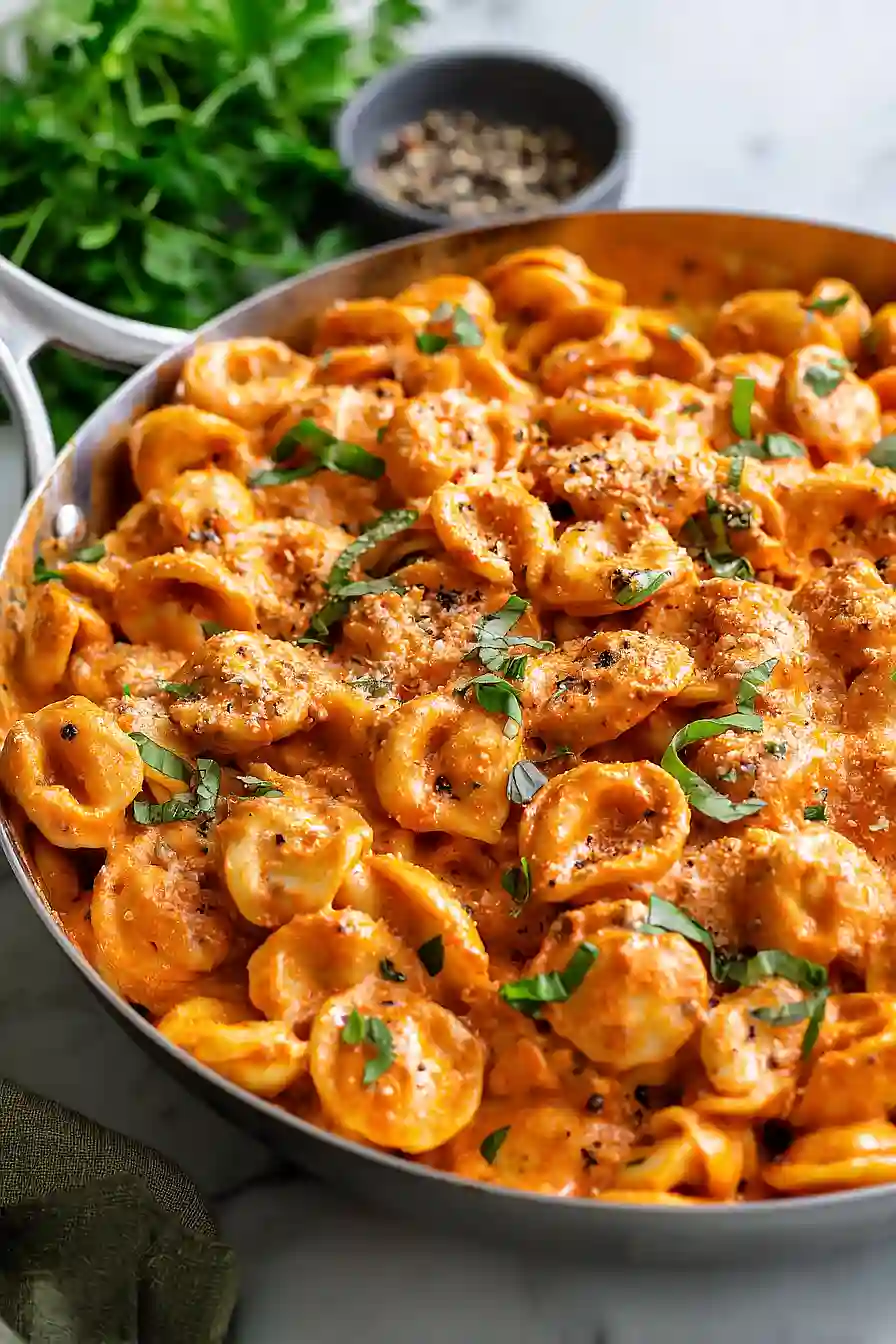
This pasta is pretty hearty on its own with the turkey sausage and chickpea pasta, so I like to keep the sides simple. A crisp green salad with a light lemon vinaigrette is perfect for cutting through the richness of the cottage cheese sauce. Garlic bread or a warm baguette is always a good call if you want something to mop up any extra sauce left in your bowl. If you’re feeding a crowd, roasted vegetables like zucchini, bell peppers, or broccoli make a nice addition without making the meal feel too heavy.
Storage Instructions
Store: This cottage cheese pasta sauce keeps well in the fridge for about 3-4 days in an airtight container. I like to store the sauce separately from any leftover pasta if possible, since the pasta can soak up the sauce and get a bit mushy over time.
Freeze: You can freeze the sauce portion for up to 2 months in a freezer-safe container. Just note that cottage cheese can sometimes separate a bit after freezing, but a quick stir while reheating usually brings it back together. I wouldn’t recommend freezing the cooked pasta though, as chickpea pasta doesn’t hold up as well in the freezer.
Reheat: Warm up your pasta and sauce on the stovetop over medium-low heat, adding a splash of water or broth to loosen it up if needed. You can also microwave individual portions for 1-2 minutes, stirring halfway through. Give it a good stir and maybe add a little extra Parmesan on top before serving.
| Preparation Time | 10-15 minutes |
| Cooking Time | 25-30 minutes |
| Total Time | 35-45 minutes |
| Level of Difficulty | Easy |
| Servings | 4 servings |
Estimated Nutrition
Estimated nutrition for the whole recipe (without optional ingredients):
- Calories: 1550-1750
- Protein: 115-130 g
- Fat: 45-55 g
- Carbohydrates: 150-170 g
Ingredients
For the pasta:
- 10 oz chickpea pasta (I always use Banza for the best texture)
For the sauce:
- 2.25 cups cottage cheese (I prefer Good Culture for a thicker sauce)
- 1 cup tomato sauce
- 10 basil leaves
For the meat and base:
- 1.5 tbsp olive oil
- 1 onion (finely diced into 1/4-inch pieces)
- 2 garlic cloves
- 0.75 lb turkey sausage (I like Honeysuckle White for this)
For the finishing touches:
- 0.5 cup parmesan (freshly grated for better melting)
- 2 tbsp parsley
- salt
- black pepper
Step 1: Prepare Mise en Place and Start the Pasta
- 1 onion, finely diced
- 2 garlic cloves, minced
- 10 oz chickpea pasta
- salt
Finely dice the onion into 1/4-inch pieces and mince the garlic cloves.
Measure out the cottage cheese, tomato sauce, and basil leaves.
Fill a large pot with salted water and bring it to a boil, then add the chickpea pasta and cook according to package directions.
While the pasta cooks, you’ll have time to prepare the sauce base.
Step 2: Blend the Cottage Cheese Sauce Base
- 2.25 cups cottage cheese
- 1 cup tomato sauce
- 10 basil leaves
While the pasta finishes cooking, combine the cottage cheese, tomato sauce, and basil leaves in a blender.
Blend until completely smooth—this creates a creamy, velvety base that will coat the pasta beautifully.
Set the blended sauce aside.
I find blending these together first ensures the basil flavor distributes evenly throughout rather than having little pieces scattered around.
Step 3: Build Flavor with Aromatics and Sausage
- 1.5 tbsp olive oil
- 1 onion, diced
- 2 garlic cloves, minced
- 0.75 lb turkey sausage
When the pasta is nearly done, heat the olive oil in a large skillet over medium heat.
Add the diced onion and cook for 2-3 minutes until softened and fragrant, then add the minced garlic and cook for another 30 seconds until aromatic.
Crumble the turkey sausage into the pan and cook for 5-6 minutes, breaking it apart as it browns, until it’s cooked through and beginning to caramelize slightly.
Step 4: Drain Pasta and Combine Components
- cooked pasta from Step 1
- blended cottage cheese sauce from Step 2
- reserved pasta water
Drain the cooked pasta in a colander, reserving 2 cups of the starchy pasta water—this water will help loosen the sauce and allow it to coat the pasta evenly.
Pour the blended cottage cheese sauce from Step 2 into the skillet with the cooked sausage and aromatics.
Stir gently to combine and warm through over medium heat for 1-2 minutes.
Step 5: Finish with Pasta, Cheese, and Fresh Herbs
- drained pasta from Step 4
- sauce mixture from Step 4
- reserved pasta water from Step 4
- 0.5 cup parmesan, freshly grated
- 2 tbsp parsley
- salt
- black pepper
Add the drained pasta to the sauce and toss to coat, adding pasta water a little at a time until you reach your desired consistency—the sauce should be creamy but not soupy.
Fold in the freshly grated parmesan and fresh parsley, then season with salt and black pepper to taste.
I like to reserve a bit of the parmesan to sprinkle on top of each serving for an extra burst of umami and texture.

Italian Cottage Cheese Pasta Sauce
Ingredients
For the pasta::
- 10 oz chickpea pasta (I always use Banza for the best texture)
For the sauce::
- 2.25 cups cottage cheese (I prefer Good Culture for a thicker sauce)
- 1 cup tomato sauce
- 10 basil leaves
For the meat and base::
- 1.5 tbsp olive oil
- 1 onion (finely diced into 1/4-inch pieces)
- 2 garlic cloves
- 0.75 lb turkey sausage (I like Honeysuckle White for this)
For the finishing touches::
- 0.5 cup parmesan (freshly grated for better melting)
- 2 tbsp parsley
- salt
- black pepper
Instructions
- Finely dice the onion into 1/4-inch pieces and mince the garlic cloves. Measure out the cottage cheese, tomato sauce, and basil leaves. Fill a large pot with salted water and bring it to a boil, then add the chickpea pasta and cook according to package directions. While the pasta cooks, you'll have time to prepare the sauce base.
- While the pasta finishes cooking, combine the cottage cheese, tomato sauce, and basil leaves in a blender. Blend until completely smooth—this creates a creamy, velvety base that will coat the pasta beautifully. Set the blended sauce aside. I find blending these together first ensures the basil flavor distributes evenly throughout rather than having little pieces scattered around.
- When the pasta is nearly done, heat the olive oil in a large skillet over medium heat. Add the diced onion and cook for 2-3 minutes until softened and fragrant, then add the minced garlic and cook for another 30 seconds until aromatic. Crumble the turkey sausage into the pan and cook for 5-6 minutes, breaking it apart as it browns, until it's cooked through and beginning to caramelize slightly.
- Drain the cooked pasta in a colander, reserving 2 cups of the starchy pasta water—this water will help loosen the sauce and allow it to coat the pasta evenly. Pour the blended cottage cheese sauce from Step 2 into the skillet with the cooked sausage and aromatics. Stir gently to combine and warm through over medium heat for 1-2 minutes.
- Add the drained pasta to the sauce and toss to coat, adding pasta water a little at a time until you reach your desired consistency—the sauce should be creamy but not soupy. Fold in the freshly grated parmesan and fresh parsley, then season with salt and black pepper to taste. I like to reserve a bit of the parmesan to sprinkle on top of each serving for an extra burst of umami and texture.