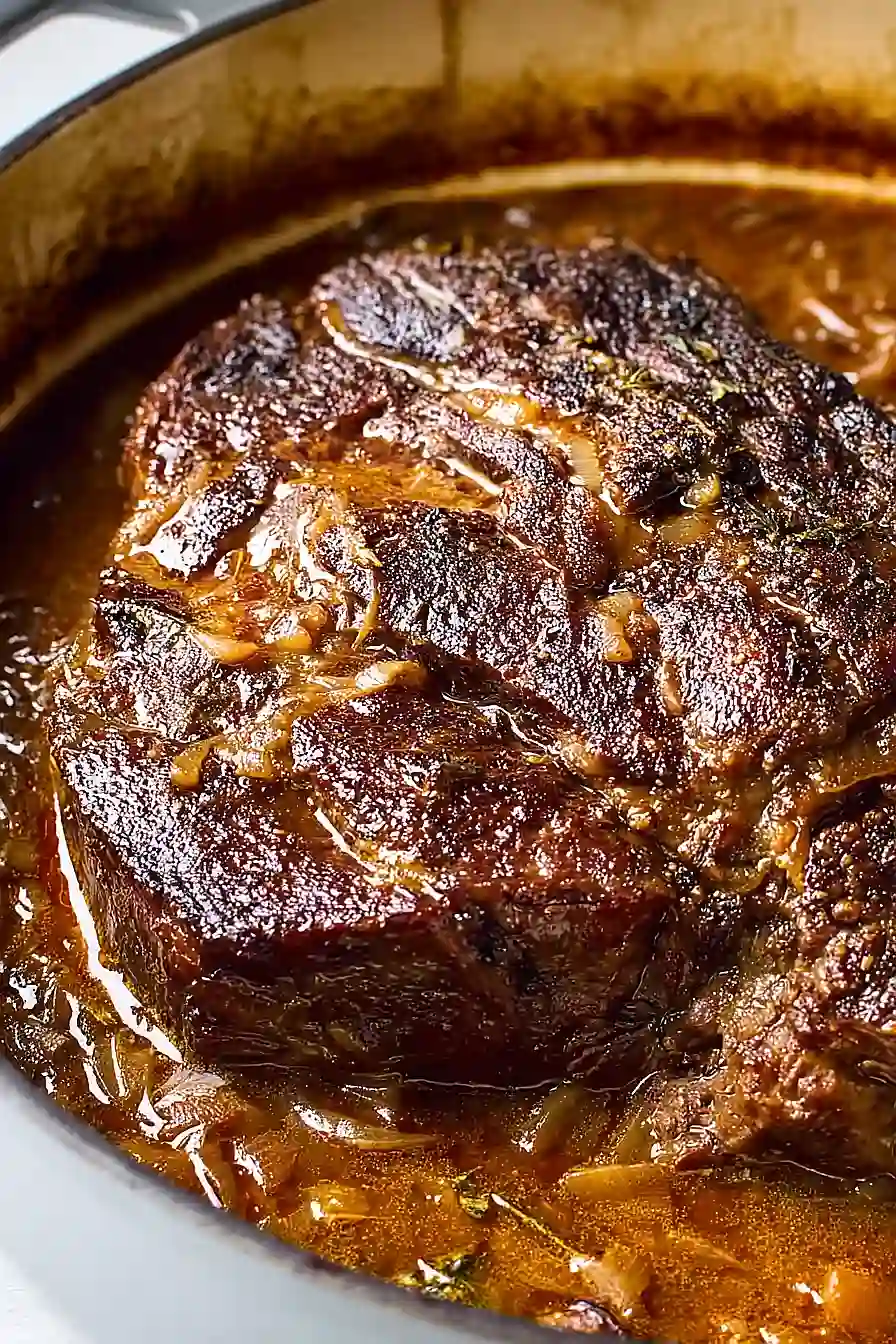
Fall dinners always make me happy, especially when I can make something that looks fancy but doesn’t stress me out. I love having people over, but I don’t want to spend the whole evening stuck in the kitchen missing all the fun conversations.
That’s why Cornish hens are perfect for dinner parties. They cook faster than a whole chicken, and everyone gets their own little bird, which always makes guests feel special. The cider and maple glaze gives them that cozy autumn flavor without any complicated steps.
Want something that impresses without the fuss? This recipe has your back. The prep is simple, and while they’re roasting, you can actually sit down and enjoy your wine with your guests.
Why You’ll Love This Cornish Hen
- Elegant presentation – These individual Cornish hens look fancy enough for special occasions but are surprisingly easy to make, giving you restaurant-quality results at home.
- Sweet and savory flavors – The combination of apple cider and maple syrup creates a beautiful glaze that perfectly balances the herbs and seasonings for a taste that screams fall comfort.
- Complete one-pan meal – Everything roasts together in one dish – the hens, potatoes, onions, and apples – making cleanup a breeze while the flavors meld together beautifully.
- Perfect portion control – Each person gets their own whole bird, which feels special and makes serving easy without any carving or guesswork about portions.
- Ready in about an hour – Despite looking like it took all day, this impressive meal comes together in just over an hour, making it doable for weeknight dinners or weekend entertaining.
What Kind of Cornish Hens Should I Use?
Fresh Cornish hens will give you the best flavor and texture, but frozen ones work just fine too if that’s what you have available. If you’re using frozen hens, make sure to thaw them completely in the refrigerator for 24-48 hours before cooking – this ensures even cooking throughout. Look for hens that weigh between 1-2 pounds each, as they’ll cook more evenly and serve perfectly for individual portions. When selecting your hens, check that the skin looks smooth and free of any tears or blemishes, and give them a quick rinse and pat dry before seasoning.
Options for Substitutions
This recipe is pretty forgiving when it comes to swaps, so here are some easy substitutions you can make:
- Cornish hens: If you can’t find Cornish hens, you can use a whole chicken (about 3-4 pounds) or even chicken thighs. Just adjust the cooking time – a whole chicken will need about 20-30 minutes longer.
- Dutch potatoes: Any waxy potato works great here – try red potatoes, fingerlings, or even baby potatoes. Russets can get a bit mushy, so if that’s all you have, cut them into larger chunks.
- Apple cider: Apple juice works in a pinch, though it’s sweeter than cider. You might want to reduce the maple syrup slightly if using juice. White wine or chicken broth mixed with a splash of apple juice also works.
- Pure maple syrup: Honey or brown sugar can step in for maple syrup. Use about 1/3 cup honey or 1/2 cup packed brown sugar instead.
- Fresh thyme: Dried thyme works fine – use about 1 teaspoon instead of the fresh sprigs. Rosemary or sage would also be tasty alternatives.
- Cornstarch: Flour works just as well for thickening – use double the amount (4 tablespoons) and whisk it with a bit of cold cider before adding to prevent lumps.
Watch Out for These Mistakes While Roasting
The biggest mistake when roasting Cornish hens is not checking the internal temperature – these small birds cook faster than regular chicken and can dry out quickly, so use a meat thermometer to ensure they reach 165°F in the thickest part of the thigh. Don’t skip patting the hens completely dry before seasoning, as any moisture on the skin will prevent that crispy, golden finish you’re after. Another common error is overcrowding the pan with vegetables – give your potatoes and onions enough space so they roast instead of steam, and consider starting them 15-20 minutes before adding the hens if you want them extra crispy. Finally, when making your cider maple glaze, whisk that cornstarch with a little cold cider first to prevent lumps, and remember to let the hens rest for 10 minutes after roasting so the juices redistribute properly.
What to Serve With Cornish Hen?
This cider maple roasted Cornish hen is already pretty much a complete meal with those roasted potatoes right in the pan, but I love adding a few simple sides to round things out. A crisp fall salad with mixed greens, dried cranberries, and toasted walnuts pairs beautifully with the sweet maple flavors, or you could go with roasted Brussels sprouts or green beans for something warm and cozy. Since the dish has such lovely autumn flavors, consider serving some crusty dinner rolls or cornbread to soak up that amazing cider maple sauce. For a special touch, roasted carrots or butternut squash would complement the seasonal theme perfectly.
Storage Instructions
Refrigerate: Store your leftover Cornish hen and vegetables in the fridge for up to 3-4 days in airtight containers. I like to separate the meat from the bones first to make it easier to reheat later. The cider maple sauce will thicken up even more as it cools, which is totally normal.
Freeze: You can freeze the cooked hen meat (removed from bones) and sauce for up to 3 months in freezer-safe containers. The potatoes don’t freeze as well, so I’d recommend eating those fresh or within a few days of cooking.
Warm Up: To enjoy your leftovers, gently warm the meat and sauce in a covered dish in the oven at 325°F for about 15-20 minutes, or use the microwave on medium power. Add a splash of apple cider or broth if the sauce seems too thick after reheating.
Estimated Nutrition
Estimated nutrition for the whole recipe (without optional ingredients):
- Calories: 1800-2100
- Protein: 110-130 g
- Fat: 60-75 g
- Carbohydrates: 220-260 g
Ingredients
For the main dish:
- 6 mushrooms, sliced (about 1/4-inch thick)
- 1/2 large apple, sliced (Granny Smith preferred for tartness)
- 2 tbsp extra virgin olive oil plus 1 tbsp for vegetables
- Fresh parsley and extra thyme leaves for garnish
- 1/2 to 1/3 yellow onion (cut into quarters)
- 2 Cornish hens (about 1.5 lbs each, pat dry before roasting)
- Coarse sea salt and fresh ground black pepper as needed
- 3 to 4 large yellow potatoes (cut into quarters, about 1-inch pieces)
- 2 fresh thyme sprigs
For the seasoning mix:
- 1/2 tsp dried parsley
- 1/2 tsp coarse sea salt
- 1/2 tsp dried rosemary (crushed to release oils)
- 1/4 tsp onion powder
- 1/4 tsp fresh ground black pepper (freshly ground preferred)
- 1/2 tsp garlic powder
- 1/4 tsp garlic salt
- 1/2 tsp dried thyme
For the apple cider glaze:
- 1/2 cup pure maple syrup
- 2 cups apple cider (I use Martinelli’s for consistent sweetness)
- 2 tbsp cornstarch (for glossy, smooth glaze)
Step 1: Prepare mise en place and season the hens
- 2 Cornish hens
- 1/2 tsp garlic powder
- 1/2 tsp dried thyme
- 1/2 tsp dried rosemary
- 1/2 tsp dried parsley
- 1/2 tsp coarse sea salt
- 1/4 tsp onion powder
- 1/4 tsp garlic salt
- 1/4 tsp fresh ground black pepper
Preheat your oven to 450°F.
While it heats, remove the giblets from both Cornish hens and pat them completely dry with paper towels—this is crucial for crispy skin.
In a small bowl, combine the garlic powder, dried thyme, crushed rosemary, dried parsley, coarse sea salt, onion powder, garlic salt, and freshly ground black pepper.
Rub this seasoning mixture generously all over both hens, inside and out, then let them rest for 10 minutes at room temperature.
This resting period allows the seasoning to adhere better and helps the hens cook more evenly.
Step 2: Prepare vegetables and start roasting
- 3 to 4 large yellow potatoes
- 1/2 to 1/3 yellow onion
- 2 fresh thyme sprigs
- 2 tbsp extra virgin olive oil plus 1 tbsp for vegetables
- seasoned hens from Step 1
While the hens rest, cut the potatoes into roughly 1-inch quarter pieces and cut the yellow onion into quarters.
Arrange the potatoes, onion quarters, and fresh thyme sprigs in the bottom of your roasting pan.
Place the seasoned hens breast-side up on top of the vegetables.
Drizzle 2 tablespoons of extra virgin olive oil over the hens and 1 tablespoon over the vegetables.
Transfer to the preheated 450°F oven and roast for 20 minutes.
Step 3: Build the maple glaze
- 2 cups apple cider
- 1/2 cup pure maple syrup
- 2 tbsp cornstarch
About 15 minutes into the roasting time, begin making your glaze.
Pour the apple cider and maple syrup into a saucepan and bring to a boil over medium-high heat.
Once boiling, reduce the heat and let it simmer for a few minutes to concentrate the flavors slightly.
In a small bowl, whisk the cornstarch with 2 tablespoons of cold water until smooth and lump-free, then slowly stir this slurry into the simmering glaze while whisking constantly.
Continue simmering until the glaze thickens to a glossy, sauce-like consistency—this should take 2-3 minutes.
Keep the glaze warm on low heat until needed.
I find this technique creates a beautifully glossy finish that clings perfectly to the hen skin.
Step 4: Apply glaze and add remaining components
- 6 mushrooms, sliced
- 1/2 large apple, sliced
- maple glaze from Step 3
- hens and vegetables from Step 2
After the initial 20 minutes of roasting, carefully remove the pan from the oven.
Brush or drizzle about 1/2 cup of the warm maple glaze over each hen.
Add the sliced mushrooms and half of the sliced apple to the roasting pan around the hens.
Cover the pan tightly with aluminum foil and return it to the oven for 20 minutes.
The foil traps steam and helps the hens cook through while the glaze begins to caramelize.
After 20 minutes, carefully remove the foil and return the pan to the oven for an additional 5 minutes.
Step 5: Finish with broil and final glaze
- Fresh parsley
- Extra thyme leaves
- Remaining apple slices
- remaining maple glaze from Step 3
- Coarse sea salt and fresh ground black pepper
- roasted hens and vegetables from Step 4
For the final touch, switch your oven to broil and broil the hens for 2-4 minutes, watching carefully to achieve golden, crispy skin without burning.
The high, direct heat will caramelize the glaze beautifully.
Remove the pan from the oven and drizzle the remaining maple glaze over the hens and roasted vegetables.
Scatter the fresh parsley, extra thyme leaves, and the remaining apple slices around the pan.
Taste the vegetables and glaze, then season with additional coarse sea salt and freshly ground black pepper as needed.
I always let the hens rest for 5 minutes before serving—this keeps the meat incredibly juicy and allows the glaze to set slightly.
Step 6: Optional: Make pan gravy (optional step)
- Pan drippings from Step 5
- remaining maple glaze
- Cornstarch and water
- Coarse sea salt and fresh ground black pepper
If you’d like to make a richer gravy, carefully pour the pan drippings into a saucepan, then whisk in any remaining maple glaze.
Heat this mixture over medium heat until it just starts to simmer.
In a small bowl, mix 1 tablespoon of cornstarch with 2 tablespoons of cold water until smooth, then slowly whisk this into the simmering liquid while stirring constantly until thickened.
Season with salt and pepper to taste.
Pour this gravy into a serving vessel to accompany the roasted hens and vegetables.