I’d never heard of frittata dolce until I married into an Italian family. Growing up, “frittata” meant eggs and vegetables for dinner—not this sweet, lemony dessert that my mother-in-law would make for special Sunday meals.
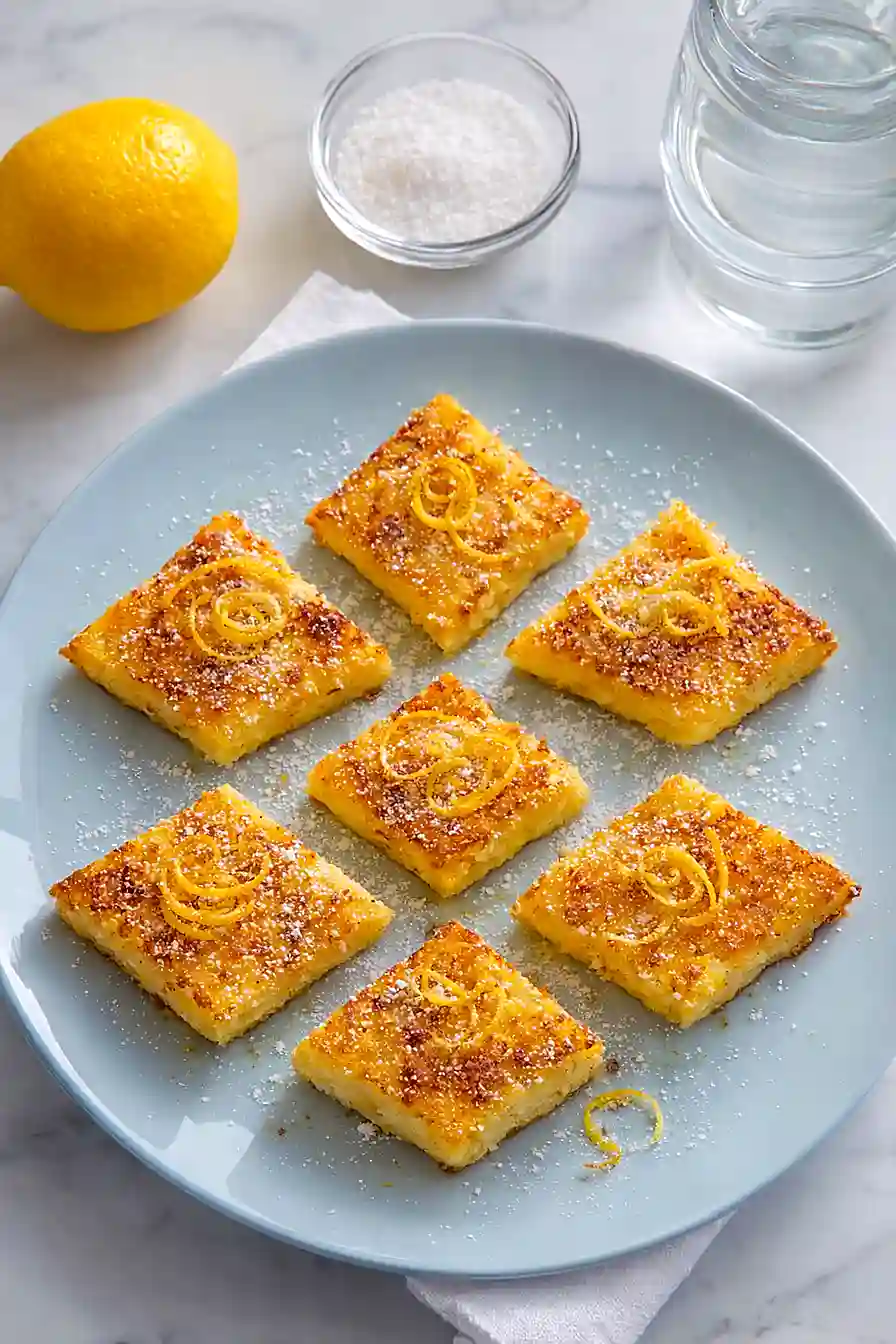
The first time she served it, I thought she’d made some kind of fancy cake. But it’s actually more like a creamy, set custard that gets pan-fried until golden. It’s made with farina (yeah, the hot cereal), milk, and lots of fresh lemon zest. The texture is somewhere between polenta and French toast, and the whole thing comes together in about thirty minutes once you know what you’re doing.
Why You’ll Love This Frittata Dolce
- Simple pantry ingredients – You probably already have most of these basics in your kitchen – milk, eggs, sugar, and a few other staples are all you need.
- Unique sweet breakfast option – This Italian-style sweet frittata is a nice change from your usual breakfast routine, offering something different that still feels comforting and familiar.
- Light and refreshing – The bright lemon flavor keeps this dish from being too heavy, making it perfect for a weekend brunch or special morning treat.
- Make-ahead friendly – You can prepare this ahead of time and serve it warm or at room temperature, which is great for entertaining or busy mornings.
What Kind of Farina Should I Use?
For this frittata dolce, regular farina (also known as Cream of Wheat) works perfectly fine and is what you’ll find at most grocery stores. You can use either the quick-cooking or regular variety, though the regular version will give you a slightly better texture since it’s less processed. If you can’t find farina, you can substitute with semolina flour, which is essentially the same thing but with a coarser grind. Just make sure whatever you choose is unflavored and unsweetened, since we’re adding our own sugar and lemon to create that classic Italian dessert flavor.
Options for Substitutions
This Italian sweet frittata is pretty straightforward, but here are some swaps you can make:
- Farina: Farina is really the backbone of this recipe, so I’d stick with it if possible. In a pinch, you could try Cream of Wheat (which is actually a brand of farina) or semolina flour, though the texture might be slightly different.
- Milk: Whole milk works best for a creamy texture, but you can use 2% if that’s what you have. For a dairy-free version, try oat milk or almond milk – just know the flavor will be a bit lighter.
- Lemon: If you’re out of lemons, orange zest and juice make a nice substitute with a sweeter citrus flavor. You could also use lime for a tangier twist.
- Bread crumbs: Plain or Italian-style bread crumbs both work fine here. You can also make your own by toasting bread and grinding it up, or use panko for a crunchier coating.
- Sugar: Regular white sugar is traditional, but you can swap it with the same amount of honey or maple syrup if you prefer. Just add it while the mixture is still warm so it dissolves properly.
Watch Out for These Mistakes While Cooking
The biggest mistake when making frittata dolce is not stirring constantly while the farina cooks, which can lead to lumps forming in your mixture – keep that whisk moving the entire time for a smooth, creamy texture.
Another common error is not letting the mixture refrigerate long enough to firm up properly, so give it at least 2-3 hours (or overnight) before trying to cut it into shapes, otherwise the pieces will fall apart when you try to bread them.
When frying, many people use too much butter or heat that’s too high, resulting in pieces that burn on the outside while staying cold inside – medium heat and just enough butter to coat the pan will give you an even golden crust.
Finally, make sure your egg wash isn’t too thin by using just a tablespoon of water per egg, which helps the bread crumbs stick better and creates a crispier coating.
What to Serve With Frittata Dolce?
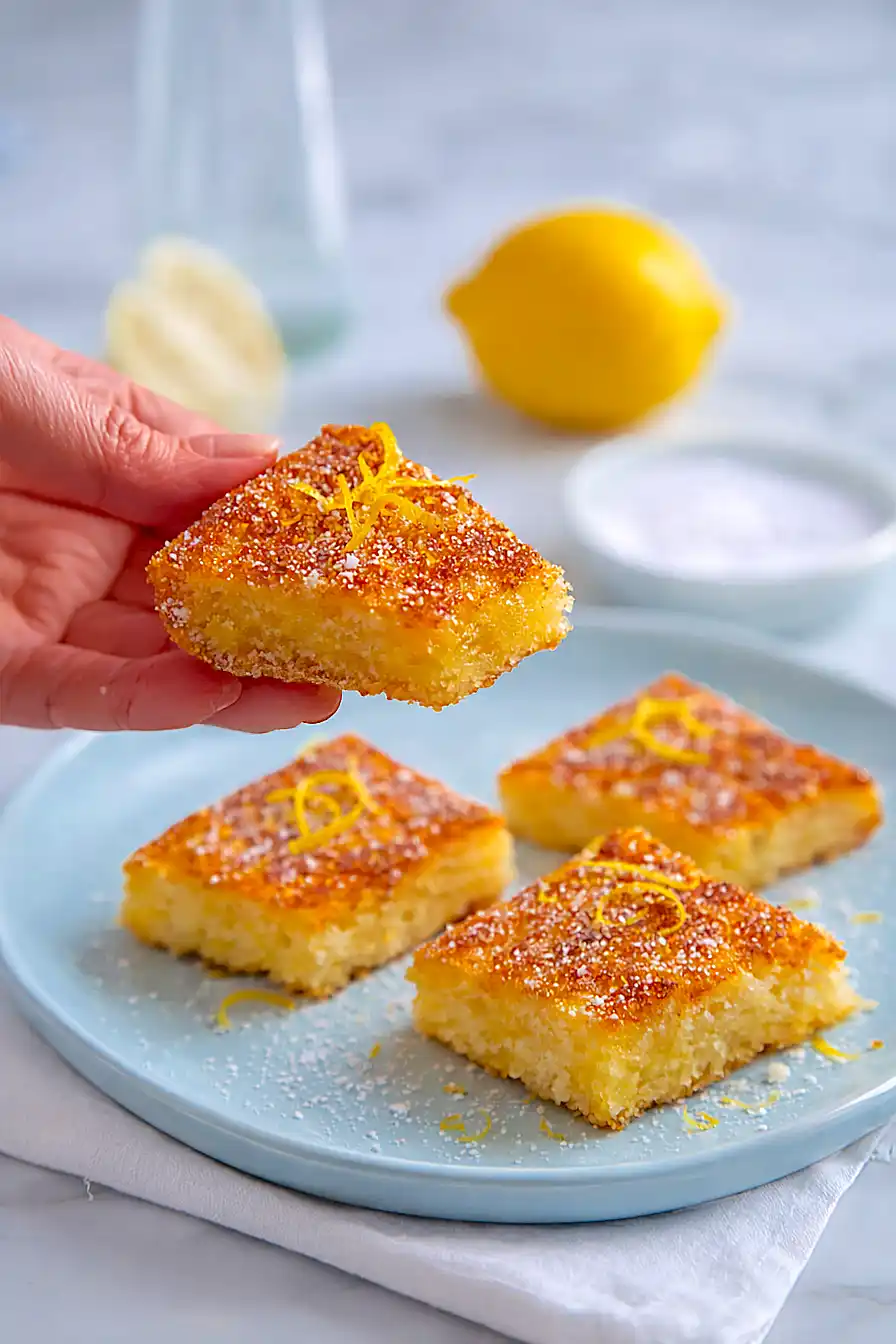
This sweet Italian frittata is perfect for breakfast or brunch alongside a strong cup of espresso or cappuccino. I love serving it with fresh berries like strawberries or blueberries on the side, which complement the lemon flavor beautifully. A dollop of whipped cream or a drizzle of honey on top makes it feel extra special, or you could dust it with powdered sugar for a simple finish. It’s also great paired with some crispy bacon or sausage if you want to balance out the sweetness with something savory.
Storage Instructions
Store: Keep your frittata dolce covered in the fridge for up to 3 days. I like to wrap it tightly in plastic wrap or store it in an airtight container. It’s actually pretty good cold straight from the fridge as a quick snack, or you can bring it to room temperature before serving.
Freeze: This sweet frittata freezes nicely for up to 2 months. Cut it into individual portions first, then wrap each piece in plastic wrap and place them in a freezer bag. That way you can grab just what you need without thawing the whole thing.
Serve: To enjoy leftover frittata dolce, let it sit at room temperature for about 20 minutes, or warm it gently in the oven at 300°F for 10-15 minutes. You can also heat individual slices in the microwave for about 30 seconds if you’re in a hurry.
| Preparation Time | 25-35 minutes |
| Cooking Time | 20-30 minutes |
| Total Time | 45-65 minutes |
| Level of Difficulty | Medium |
| Servings | 16 pieces |
Estimated Nutrition
Estimated nutrition for the whole recipe (without optional ingredients):
- Calories: 1050-1150
- Protein: 29-33 g
- Fat: 28-35 g
- Carbohydrates: 175-190 g
Ingredients
For the base:
- 3 1/4 cups milk (I like Organic Valley whole milk for a richer custard)
- 1 cup farina (I always use Bob’s Red Mill for a smooth texture)
- 1 pinch salt
- 3 tablespoons sugar
- 2 lemons (zested into long, thin strips)
- 1 lemon (freshly squeezed for about 2 tbsp juice)
- 1 teaspoon vanilla extract
For the coating and frying:
- 3 eggs (room temperature, about 70°F)
- 1 cup bread crumbs (sifted to remove large chunks for a fine coating)
- butter (I prefer Kerrygold unsalted butter for frying)
Step 1: Cook the Farina Custard Base
- 3 1/4 cups milk
- 1 cup farina
- 1 pinch salt
Combine milk, farina, and salt in a medium pot over medium-high heat, stirring frequently to prevent lumps from forming.
Once the mixture reaches a gentle boil, reduce heat to medium and continue cooking, stirring constantly, until the mixture becomes very thick and pulls away from the sides of the pot (about 8-10 minutes).
The texture should resemble polenta—thick enough that a spoon stands upright in it.
This slow, steady cooking develops the farina’s flavor and ensures a smooth, lump-free custard.
Step 2: Flavor the Custard with Lemon and Aromatics
- 3 tablespoons sugar
- 2 lemons
- 1 lemon
- 1 teaspoon vanilla extract
Remove the pot from heat and immediately stir in the sugar, lemon zest strips, fresh lemon juice, and vanilla extract.
Mix well to ensure all ingredients are evenly distributed throughout the hot custard.
The residual heat will infuse the lemon flavor into the mixture beautifully.
I like to add the lemon zest while the custard is hot so it releases its fragrant oils throughout the cream rather than just floating on top.
Step 3: Set the Custard and Chill
- farina custard mixture from Step 2
- butter
Pour the warm farina custard from Step 2 into a buttered 9×13 inch baking dish or similar size, spreading it evenly to about 1 inch thickness.
Let it cool to room temperature, then refrigerate for at least 2-3 hours until completely firm and set.
The custard will solidify as it cools, making it easy to cut into shapes for frying.
Step 4: Cut and Prepare for Coating
- set custard from Step 3
- 3 eggs
- 1 cup bread crumbs
Once the chilled custard is completely firm, use a sharp knife to cut it into 2-inch diamond shapes.
This creates attractive, elegant pieces that cook evenly.
In a shallow bowl, beat the room-temperature eggs with 1-2 tablespoons of water to create an egg wash.
Pour the sifted bread crumbs into another shallow bowl.
Set up your breading station with the custard diamonds, egg wash bowl, and bread crumb bowl in sequence—this assembly-line approach makes coating much faster and cleaner.
Step 5: Bread and Fry the Custard Pieces
- breaded custard pieces from Step 4
- butter
Working one piece at a time, dip each custard diamond into the egg wash from Step 4, coating all sides, then roll it in the sifted bread crumbs until fully covered.
Heat a large skillet over medium-high heat and add a generous amount of butter—I prefer Kerrygold unsalted butter because it has a lower water content and browns beautifully without burning.
Once the butter is foaming and fragrant, carefully place the breaded custard pieces in the pan in a single layer, working in batches if needed.
Fry for 2-3 minutes per side until the bread crumb coating is golden brown and crispy, turning once.
The custard inside will warm through while the outside develops a delicious golden crust.
Step 6: Serve Immediately
Transfer the hot frittata dolce pieces to a serving plate or individual bowls and serve immediately while they’re still warm and the bread crumb coating is at its crispiest.
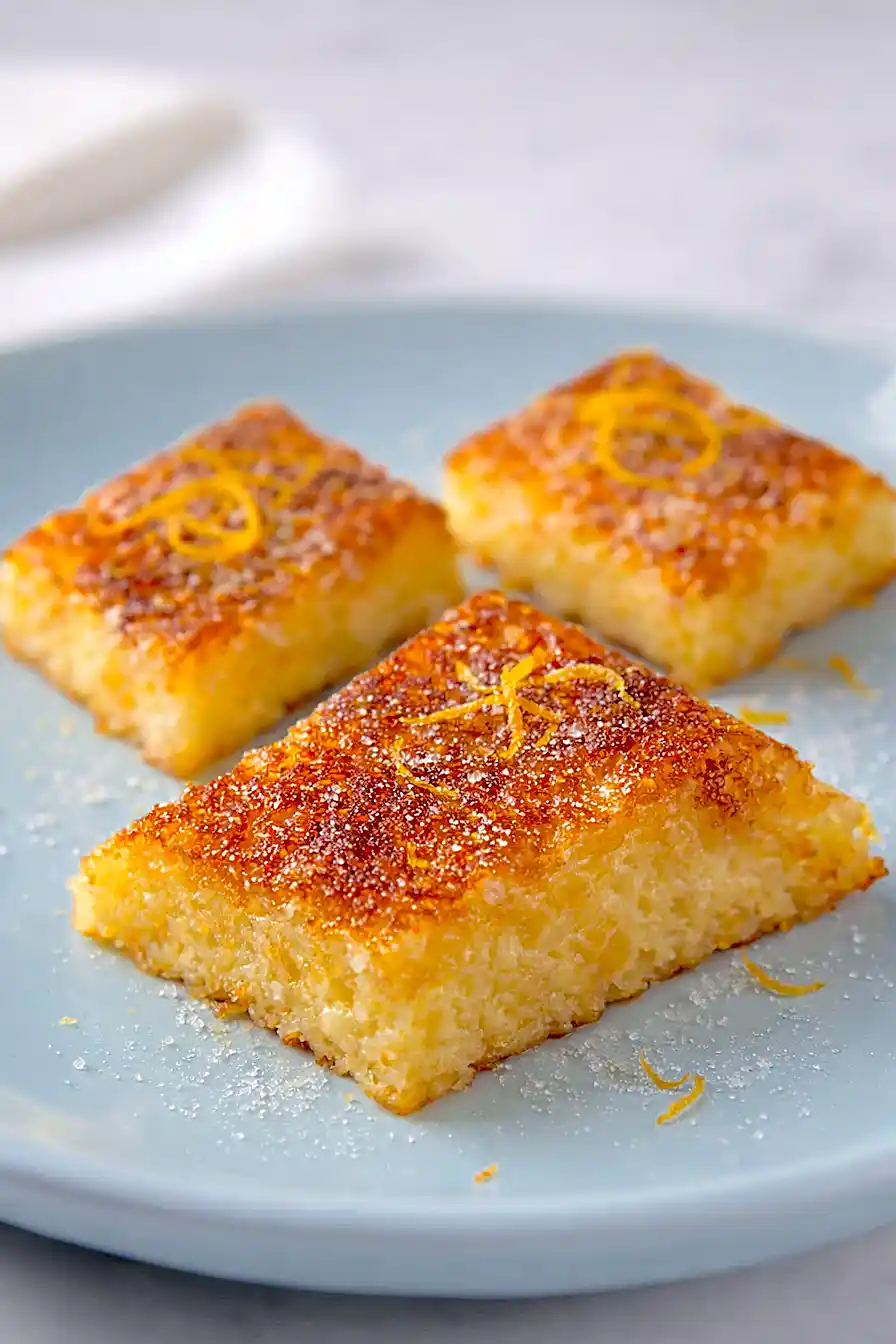
The contrast between the warm, custardy interior and the crispy exterior is essential to this dish’s charm.
I recommend serving these with a light dusting of powdered sugar or a drizzle of honey if you like extra sweetness, though they’re wonderful on their own.
Mouthwatering Frittata Dolce
Ingredients
For the base
- 3 1/4 cups milk (I like Organic Valley whole milk for a richer custard)
- 1 cup farina (I always use Bob's Red Mill for a smooth texture)
- 1 pinch salt
- 3 tablespoons sugar
- 2 lemons (zested into long, thin strips)
- 1 lemon (freshly squeezed for about 2 tbsp juice)
- 1 teaspoon vanilla extract
For the coating and frying
- 3 eggs (room temperature, about 70°F)
- 1 cup bread crumbs (sifted to remove large chunks for a fine coating)
- butter (I prefer Kerrygold unsalted butter for frying)
Instructions
- Combine milk, farina, and salt in a medium pot over medium-high heat, stirring frequently to prevent lumps from forming. Once the mixture reaches a gentle boil, reduce heat to medium and continue cooking, stirring constantly, until the mixture becomes very thick and pulls away from the sides of the pot (about 8-10 minutes). The texture should resemble polenta—thick enough that a spoon stands upright in it. This slow, steady cooking develops the farina's flavor and ensures a smooth, lump-free custard.
- Remove the pot from heat and immediately stir in the sugar, lemon zest strips, fresh lemon juice, and vanilla extract. Mix well to ensure all ingredients are evenly distributed throughout the hot custard. The residual heat will infuse the lemon flavor into the mixture beautifully. I like to add the lemon zest while the custard is hot so it releases its fragrant oils throughout the cream rather than just floating on top.
- Pour the warm farina custard from Step 2 into a buttered 9x13 inch baking dish or similar size, spreading it evenly to about 1 inch thickness. Let it cool to room temperature, then refrigerate for at least 2-3 hours until completely firm and set. The custard will solidify as it cools, making it easy to cut into shapes for frying.
- Once the chilled custard is completely firm, use a sharp knife to cut it into 2-inch diamond shapes. This creates attractive, elegant pieces that cook evenly. In a shallow bowl, beat the room-temperature eggs with 1-2 tablespoons of water to create an egg wash. Pour the sifted bread crumbs into another shallow bowl. Set up your breading station with the custard diamonds, egg wash bowl, and bread crumb bowl in sequence—this assembly-line approach makes coating much faster and cleaner.
- Working one piece at a time, dip each custard diamond into the egg wash from Step 4, coating all sides, then roll it in the sifted bread crumbs until fully covered. Heat a large skillet over medium-high heat and add a generous amount of butter—I prefer Kerrygold unsalted butter because it has a lower water content and browns beautifully without burning. Once the butter is foaming and fragrant, carefully place the breaded custard pieces in the pan in a single layer, working in batches if needed. Fry for 2-3 minutes per side until the bread crumb coating is golden brown and crispy, turning once. The custard inside will warm through while the outside develops a delicious golden crust.
- Transfer the hot frittata dolce pieces to a serving plate or individual bowls and serve immediately while they're still warm and the bread crumb coating is at its crispiest. The contrast between the warm, custardy interior and the crispy exterior is essential to this dish's charm. I recommend serving these with a light dusting of powdered sugar or a drizzle of honey if you like extra sweetness, though they're wonderful on their own.