When cold and flu season rolls around, finding natural ways to support your family’s health can feel overwhelming. Between work deadlines, school pickup schedules, and everything else on your plate, who has time to research complicated herbal remedies or make multiple trips to specialty stores?
That’s where this elderberry syrup with mullein comes in handy. It combines two time-tested herbs into one simple syrup that’s easy to make at home, gentle enough for kids, and much more affordable than store-bought versions.
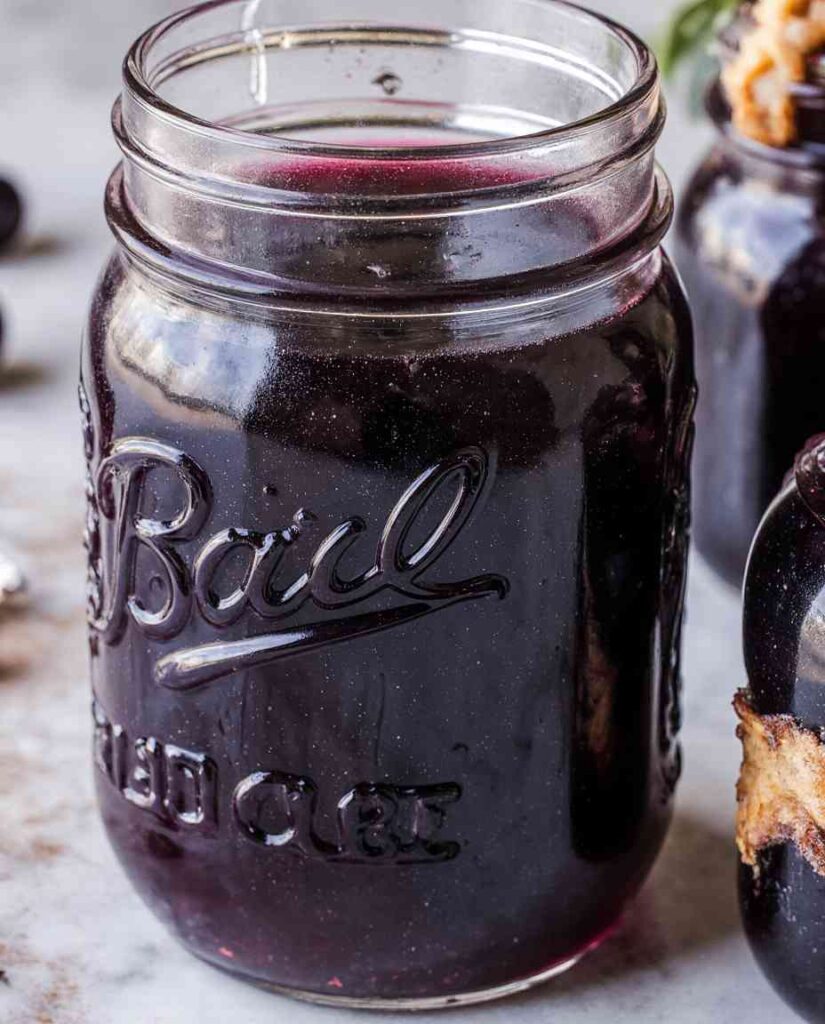
Why You’ll Love This Elderberry Syrup
- Natural immune support – This homemade syrup combines elderberries and mullein, two herbs traditionally used to support wellness during cold and flu season.
- Simple, wholesome ingredients – You’ll know exactly what goes into your syrup – just dried elderberries, warming spices, honey, and mullein leaf, with no artificial additives or preservatives.
- Cost-effective – Making your own elderberry syrup costs a fraction of what you’d pay for store-bought versions, and you get a much larger batch.
- Easy to customize – You can adjust the sweetness level or swap honey for your preferred sweetener to match your family’s taste preferences.
- Long shelf life – This homemade syrup keeps well in the fridge for weeks, so you can have it ready whenever you need a natural wellness boost.
What Kind of Elderberries Should I Use?
For this syrup, you’ll want to stick with dried elderberries rather than fresh ones, as they’re more concentrated and shelf-stable.
You can find dried elderberries at most health food stores, online, or you can dry your own if you have access to fresh elderberry clusters. Make sure you’re using Sambucus canadensis (American elderberry) or Sambucus nigra (European elderberry), as these are the safe varieties for consumption.
Avoid red elderberries completely, as they can be toxic. When shopping, look for berries that are deep purple-black in color and free from stems, since elderberry stems and bark contain compounds that can cause stomach upset.
Options for Substitutions
This healing syrup recipe offers some room for customization based on what you have available:
- Dried elderberries: Fresh elderberries can work too – just use about 2 cups instead of 4 cups dried. You can also substitute with dried blueberries or blackberries, though the immune-boosting properties won’t be quite the same.
- Fresh ginger: If you only have ground ginger, use 1 teaspoon instead of the 2 tablespoons fresh. Dried ginger root works well too – just use about 1 tablespoon.
- Raw honey: Maple syrup, agave nectar, or regular honey all work as sweeteners. Start with 3/4 cup and adjust to taste since sweetness levels vary.
- Mullein leaf: Don’t have mullein? You can leave it out entirely or substitute with marshmallow root or licorice root for similar soothing properties.
- Whole cloves: Ground cloves work fine – just use 1 teaspoon instead of the whole tablespoon. You could also swap with allspice berries for a similar warm spice note.
- Cinnamon sticks: Ground cinnamon is perfectly fine to use instead. The sticks just make straining easier, but the flavor will be the same.
Watch Out for These Mistakes While Cooking
The biggest mistake when making elderberry syrup is boiling the mixture too vigorously, which can destroy the beneficial compounds in both the elderberries and mullein – keep it at a gentle simmer to preserve their healing properties.
Another common error is adding honey while the mixture is still hot, as high temperatures can break down honey’s natural enzymes and reduce its health benefits, so always let your strained liquid cool to room temperature first.
Don’t skip the straining step or rush through it, because any leftover plant material can make your syrup bitter and gritty – use a fine mesh strainer or cheesecloth and press the solids gently to extract maximum liquid.
Finally, store your finished syrup in the refrigerator in a clean glass jar, as this natural remedy doesn’t contain preservatives and will only keep for about 2-3 months when properly stored.
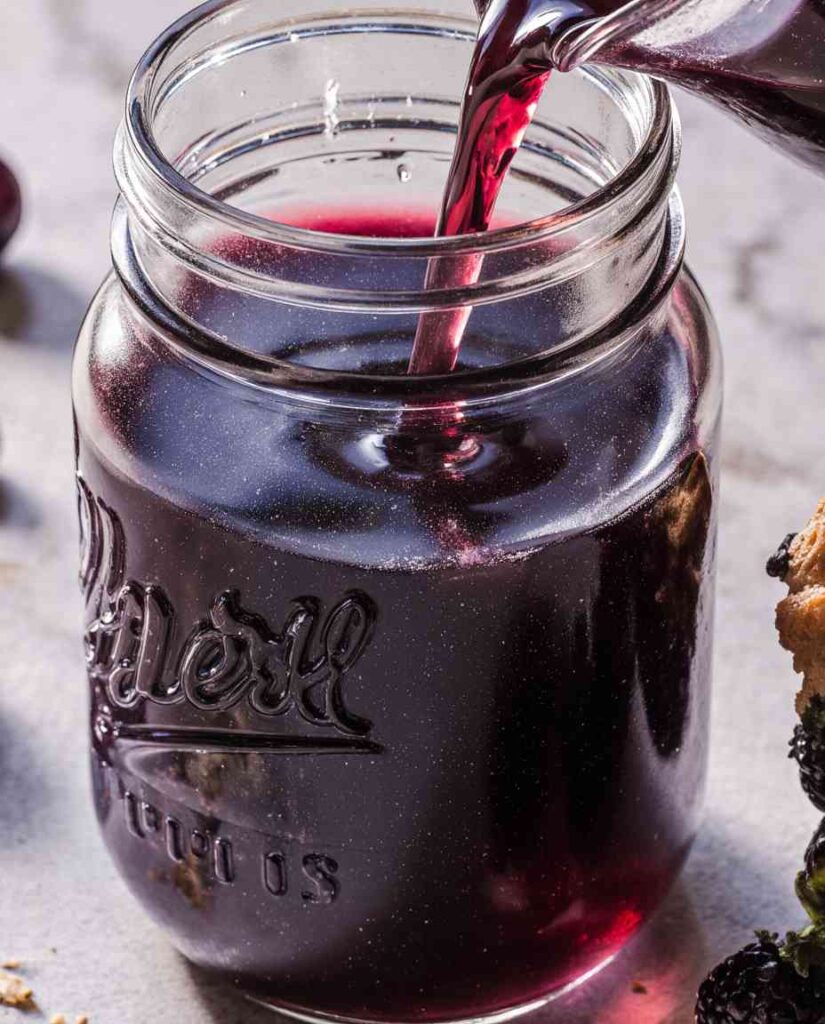
What to Serve With Elderberry Syrup?
This elderberry syrup is perfect for mixing into warm water or herbal tea when you’re feeling under the weather or just want a cozy drink.
You can also drizzle it over pancakes, waffles, or yogurt for a healthy breakfast boost with all those immune-supporting benefits.
I love adding a spoonful to sparkling water for a refreshing drink, or mixing it into smoothies for extra flavor and wellness support.
During cold season, try stirring it into hot lemon water with a bit of fresh ginger for the perfect soothing remedy.
Storage Instructions
Refrigerate: Your homemade elderberry syrup will keep fresh in the refrigerator for up to 2 months when stored in a clean glass jar or bottle. I like to use mason jars since they’re easy to pour from and you can see how much you have left. Just make sure to give it a gentle shake before each use since natural separation is totally normal.
Freeze: This syrup freezes really well if you want to make a big batch during elderberry season. Pour it into ice cube trays for easy single servings, or freeze in small glass jars leaving about an inch of headspace. It’ll keep in the freezer for up to 6 months and thaws quickly when you need it.
Portion: I love dividing my syrup into smaller jars right after making it – maybe 4-ounce jars that last about a week each. This way you’re not constantly opening and closing one big container, which helps keep it fresher longer. Plus, smaller jars are perfect for gifting to friends and family during cold season!
| Preparation Time | 15-20 minutes |
| Cooking Time | 45-60 minutes |
| Total Time | 60-80 minutes |
| Level of Difficulty | Easy |
Estimated Nutrition
Estimated nutrition for the whole recipe (without optional ingredients):
- Calories: 1200-1400
- Protein: 6-10 g
- Fat: 2-5 g
- Carbohydrates: 300-350 g
Ingredients
For the syrup base:
- 8 cups water (filtered water recommended)
- 1 tbsp whole cloves
- 4 cups dried elderberries (organic, high-quality berries give the best flavor)
- 1/2 cup mullein leaves (dried and crushed)
- 2 tbsp fresh ginger (grated, about 1-inch piece)
- Peel from 1 lemon (organic preferred to avoid pesticides)
- 3 cinnamon sticks (or 1/2 tbsp ground cinnamon if preferred)
For sweetening:
- 1 cup raw honey (choose from your local beekeeper for best results)
Step 1: Prepare Ingredients and Combine in Pot
- 4 cups dried elderberries
- 2 tbsp fresh ginger, grated
- 1 tbsp whole cloves
- Peel from 1 lemon
- 3 cinnamon sticks
- 1/2 cup mullein leaves, dried and crushed
- 8 cups filtered water
Gather all your ingredients and do a quick prep: grate the fresh ginger into small pieces, crush the dried mullein leaves between your fingers to break them up slightly (this increases surface area for flavor extraction), and use a microplane or vegetable peeler to remove the lemon peel in strips, avoiding the bitter white pith.
Pour the filtered water into a large pot, then add the dried elderberries, ginger, whole cloves, lemon peel, cinnamon sticks, and crushed mullein leaves.
Stir everything together to combine evenly.
Step 2: Simmer the Herbal Infusion
- herb and water mixture from Step 1
Bring the pot to a boil over medium-high heat, watching for the liquid to turn a deep purple-red color—this indicates the elderberries are releasing their beneficial compounds and color.
Once boiling, immediately reduce the heat to low, cover the pot with a lid, and let it simmer gently for 45 minutes.
The gentle heat allows the flavors and medicinal properties to fully infuse into the water without destroying heat-sensitive nutrients.
I prefer to leave the lid slightly ajar rather than completely sealed, which prevents the mixture from becoming too concentrated.
Step 3: Cool and Strain the Mixture
- cooled herb and water mixture from Step 2
Remove the pot from heat and let it cool to room temperature—this typically takes 30-45 minutes.
This cooling step is important because adding honey to a very hot liquid can damage its enzymatic properties and raw honey’s health benefits.
Once cooled, carefully pour the liquid through a fine-mesh strainer or cheesecloth into a bowl, pressing gently on the solids to extract all the flavorful liquid.
Discard the spent herbs and berries.
Step 4: Incorporate Honey and Bottle
- cooled, strained liquid from Step 3
- 1 cup raw local honey
Pour the cooled herbal liquid into a clean glass jar or bowl.
Add the raw local honey and stir gently but thoroughly until it’s completely dissolved into the syrup—this usually takes 2-3 minutes of steady stirring.
I like to use a wooden spoon rather than metal, as it feels gentler on the raw honey.
Once the honey is fully incorporated, transfer the finished syrup into clean glass jars with tight-fitting lids.
The syrup will keep in the refrigerator for several months, and the flavor actually deepens and mellows over time.



Dried or fresh mullein leaves? I’m guessing fresh since you don’t specify dried, but just checking 🙂
Dried
Can I use dried mullein or does it need to be fresh?
Does this syrup need to be diluted in a beverage or can you just take a spoonful straight to help support your immune system?
Can you use the dried mullein in mullein tea bags?