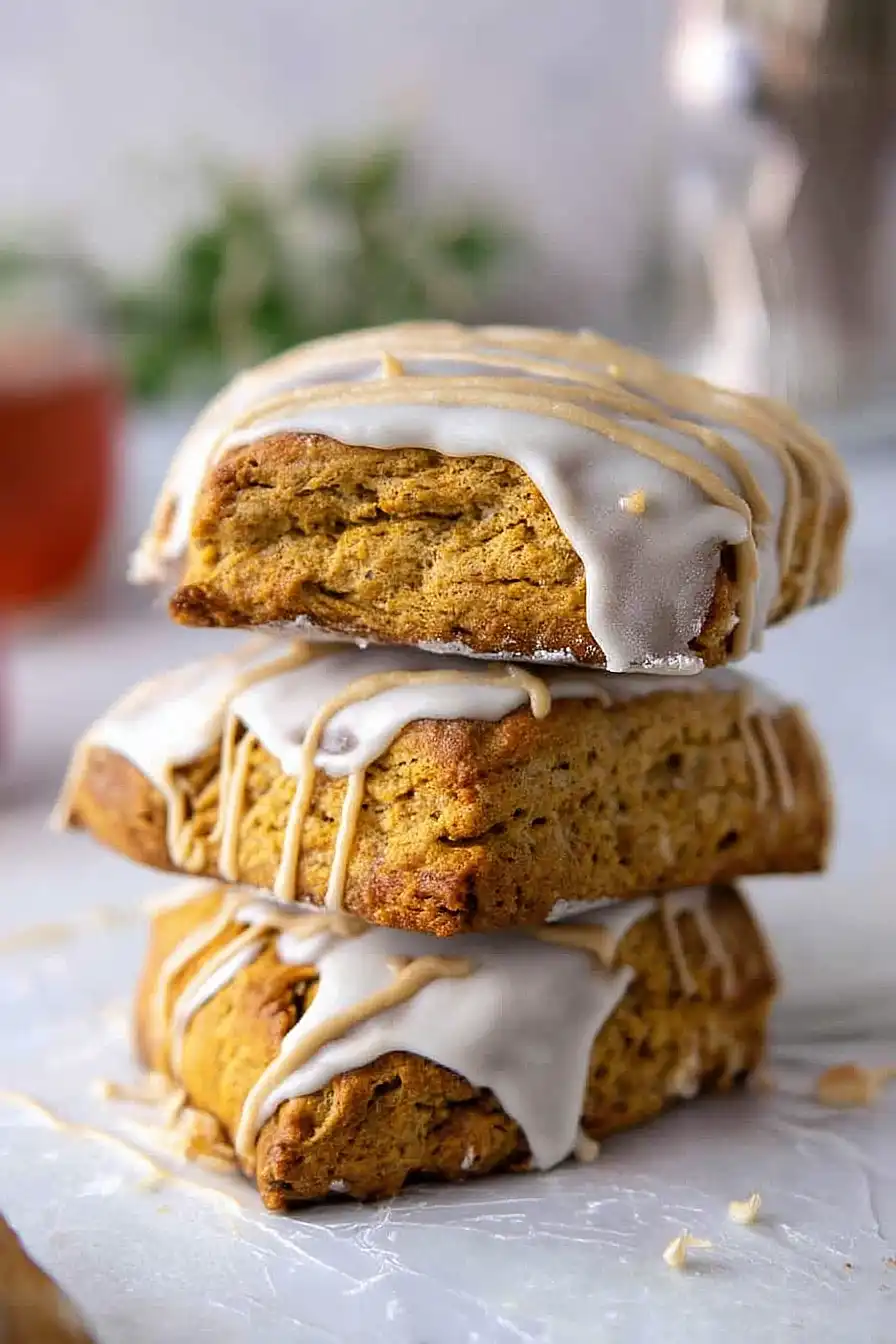
There’s something so comforting about the combination of oranges and almonds in a cake. Every time I make this orange almond butter cake, my kitchen fills with the most wonderful citrus aroma that reminds me of sunny weekend mornings. I’ve always been a fan of butter cakes – they’re reliable, crowd-pleasing, and somehow manage to be both simple and special at the same time.
What I really love about this recipe is how the orange zest brightens up the rich, buttery base, while the ground almonds add just the right amount of texture. It’s the kind of cake that works just as well for an afternoon coffee break as it does for dessert. And let me tell you, if you’re looking for a cake that stays fresh for a few days (if it lasts that long!), this is the one to try.
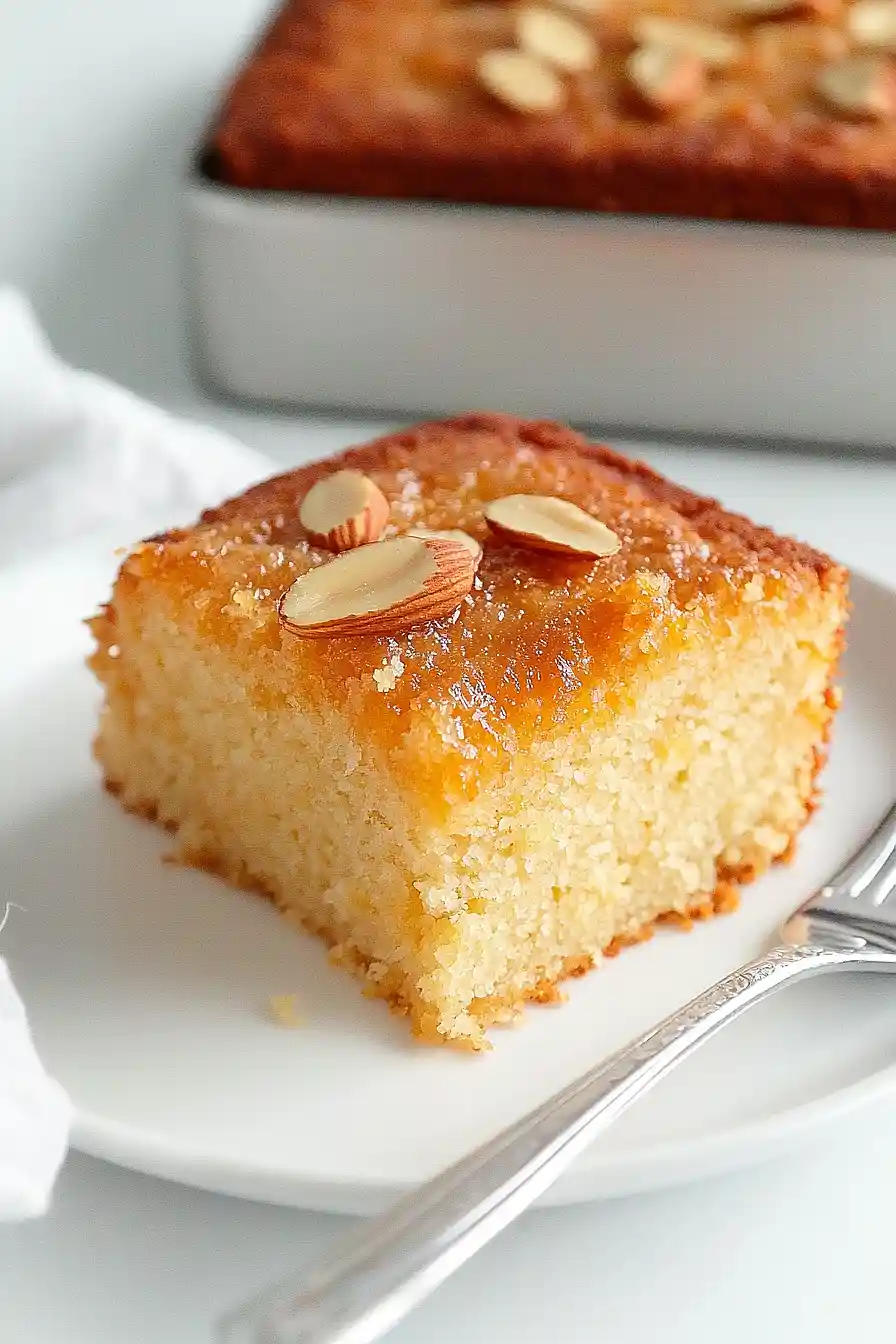
Why You’ll Love This Orange Almond Cake
- Rich, moist texture – The combination of almond meal and butter creates a wonderfully tender crumb that stays moist for days.
- Natural orange flavor – Fresh orange juice and zest give this cake a genuine citrus taste without any artificial flavoring.
- Make-ahead friendly – This cake actually tastes better the next day as the flavors have time to develop and meld together.
- Perfect for special occasions – The honey-almond topping and elegant orange-almond combination make this cake ideal for birthdays, brunches, or afternoon tea.
- Naturally gluten-light – With almond meal as a main ingredient, this cake uses less flour than traditional cakes, making it a lighter option that’s perfect for those watching their gluten intake.
What Kind of Almonds Should I Use?
This recipe calls for both almond meal/flour and sliced almonds, and getting the right type of each makes a difference in your final cake. For the cake batter, you can use either store-bought almond flour (which tends to be more finely ground and consistent) or make your own almond meal by grinding blanched almonds in a food processor. If you’re buying sliced almonds for the topping, look for ones that are fresh and pale in color – darker or yellowed almonds might mean they’re going stale. Just be careful not to store your almonds in the pantry for too long, since their natural oils can make them go rancid – keeping them in an airtight container in the fridge will help them stay fresh longer.
Options for Substitutions
While some ingredients are key to getting this cake just right, there are several substitutions you can try:
- Cake flour: If you don’t have cake flour, you can make your own by replacing 2 tablespoons of all-purpose flour per cup with cornstarch. For this recipe, measure out 130g all-purpose flour, remove 2 tablespoons, and add 2 tablespoons cornstarch.
- Almond meal/flour: This is pretty essential for the cake’s texture and flavor, but in a pinch, you can use hazelnut flour for a different but equally nice nutty flavor. I wouldn’t recommend substituting with regular flour as it would change the cake’s character completely.
- Orange juice and zest: You can swap these with lemon or mandarin for a different citrus twist. Just keep the same measurements.
- Sliced almonds: The topping can be made with chopped pistachios or hazelnuts instead. You could even use a mix of nuts if you like.
- Honey: Maple syrup or golden syrup work well as alternatives for the topping, though each will bring its own unique flavor.
Watch Out for These Mistakes While Baking
The success of this orange almond butter cake heavily depends on proper egg separation – even a tiny bit of yolk in your whites can prevent them from whipping to stiff peaks, so separate your eggs while they’re cold but let them come to room temperature before using. When folding the whipped egg whites into the batter, many bakers make the mistake of being too aggressive – use a gentle hand and fold with a figure-eight motion to maintain the air bubbles that will give your cake its lovely texture. Another common error is opening the oven door too early in the baking process, which can cause your cake to sink in the middle – resist checking until at least 80% through the baking time. For the best texture and flavor development, make sure all your ingredients (especially butter and eggs) are at room temperature before starting, and don’t skip the step of finely zesting the orange – larger pieces can create unpleasant bitter spots in your finished cake.
What to Serve With Orange Almond Butter Cake?
This sweet and nutty cake pairs perfectly with a variety of hot beverages – I especially love it with a cup of Earl Grey tea since the bergamot complements the orange flavors so nicely. For coffee lovers, try serving it with a creamy café au lait or cappuccino, which goes great with the almond notes. If you want to dress it up a bit, add a scoop of vanilla ice cream or a dollop of lightly whipped cream on the side, and maybe a few fresh berries for color and contrast. You could also drizzle each slice with a little extra honey just before serving to bring out the cake’s natural sweetness.
Storage Instructions
Keep Fresh: This orange almond butter cake stays moist and tasty when kept in an airtight container at room temperature for up to 3 days. If your kitchen is warm, you might want to pop it in the fridge instead, where it’ll keep for up to a week. Just make sure to wrap it well to prevent it from drying out!
Freeze: Want to save some for later? Cut the cake into individual slices, wrap them well in plastic wrap and aluminum foil, then freeze for up to 3 months. This way, you can grab a slice whenever you’re craving something sweet!
Thaw & Serve: When you’re ready to enjoy your frozen cake, let it thaw overnight in the fridge or for about 2-3 hours at room temperature. If you’d like it slightly warm, give it a quick 10-15 seconds in the microwave – it’ll taste almost like it’s freshly baked!
| Preparation Time | 20-30 minutes |
| Cooking Time | 45-60 minutes |
| Total Time | 65-90 minutes |
| Level of Difficulty | Medium |
Estimated Nutrition
Estimated nutrition for the whole recipe (without optional ingredients):
- Calories: 2400-2600
- Protein: 30-40 g
- Fat: 180-200 g
- Carbohydrates: 200-220 g
Ingredients
- 227g unsalted butter
- 90g sugar
- 5 medium egg yolks
- 130g cake flour
- 100g finely ground almond meal or almond flour
- 1 teaspoon double action baking powder
- 5 tablespoons orange juice
- 1 teaspoon orange zest
- 1/4 teaspoon salt
- 5 medium egg whites
- 90g sugar
- 90g sliced almonds
- 50g honey
- 30g butter
Step 1: Prepare the Dry and Wet Ingredients
Start by sifting the cake flour and baking powder together in a bowl and set aside.
In a separate mixing bowl, combine the unsalted butter and sugar.
Beat them together until the mixture becomes light and creamy.
Add the egg yolks one at a time, making sure to beat well after each addition.
To this mixture, add the almond flour, a pinch of salt, and orange zest.
Mix until everything is well combined.
Step 2: Combine Batters
Add the previously sifted cake flour and baking powder to the butter mixture.
Pour in the orange juice and mix until the ingredients are fully combined.
Set this batter aside while you prepare the egg whites.
Step 3: Beat Egg Whites
In a clean, large bowl, beat the egg whites until they become foamy.
Gradually add in the sugar and continue to beat until soft peaks form, indicating the mixture is ready.
Step 4: Incorporate the Egg Whites
Take a portion of the beaten egg whites and use a hand whisk to stir it into the cake batter.
This will help lighten the batter and make it easier to fold in the remaining egg whites.
With a spatula, gently fold the rest of the egg whites into the batter until everything is well combined, being careful not to deflate the mixture.
Step 5: Bake the Cake
Spoon the prepared batter into a cake pan lined with parchment paper and lightly greased to prevent sticking.
Bake in a preheated oven at 180°C (350°F) for approximately 45 minutes, or until the cake is cooked through and a toothpick inserted into the center comes out clean.
Step 6: Prepare the Honey Almond Crust
While the cake is baking, prepare the honey almond crust.
In a shallow saucepan, combine butter, honey, and almond slices.
Heat the mixture until the butter and honey melt, stirring to ensure the almond slices are well coated.
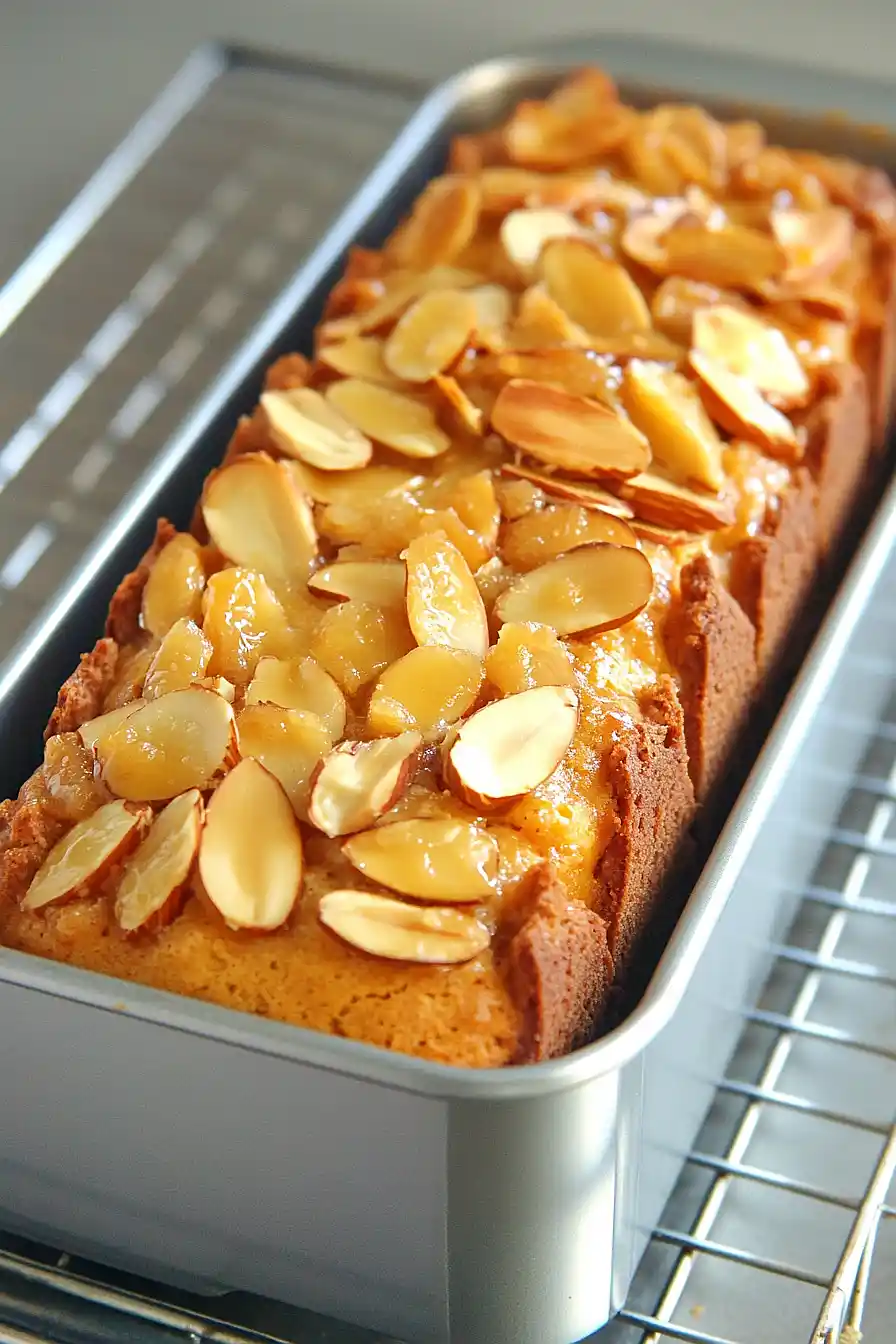
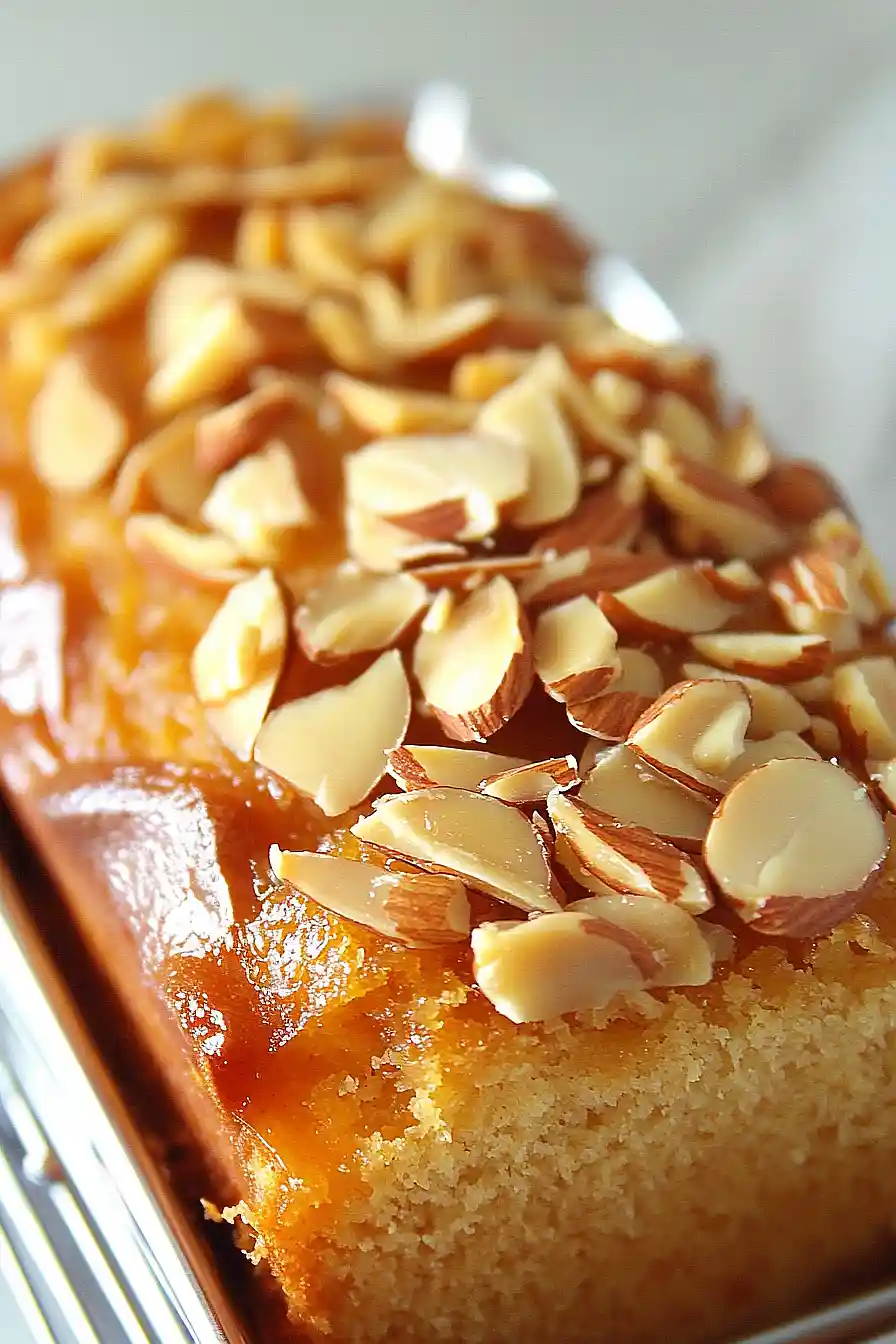
Once the cake is done, you can spread this crust on top before serving, allowing it to cool and set slightly.