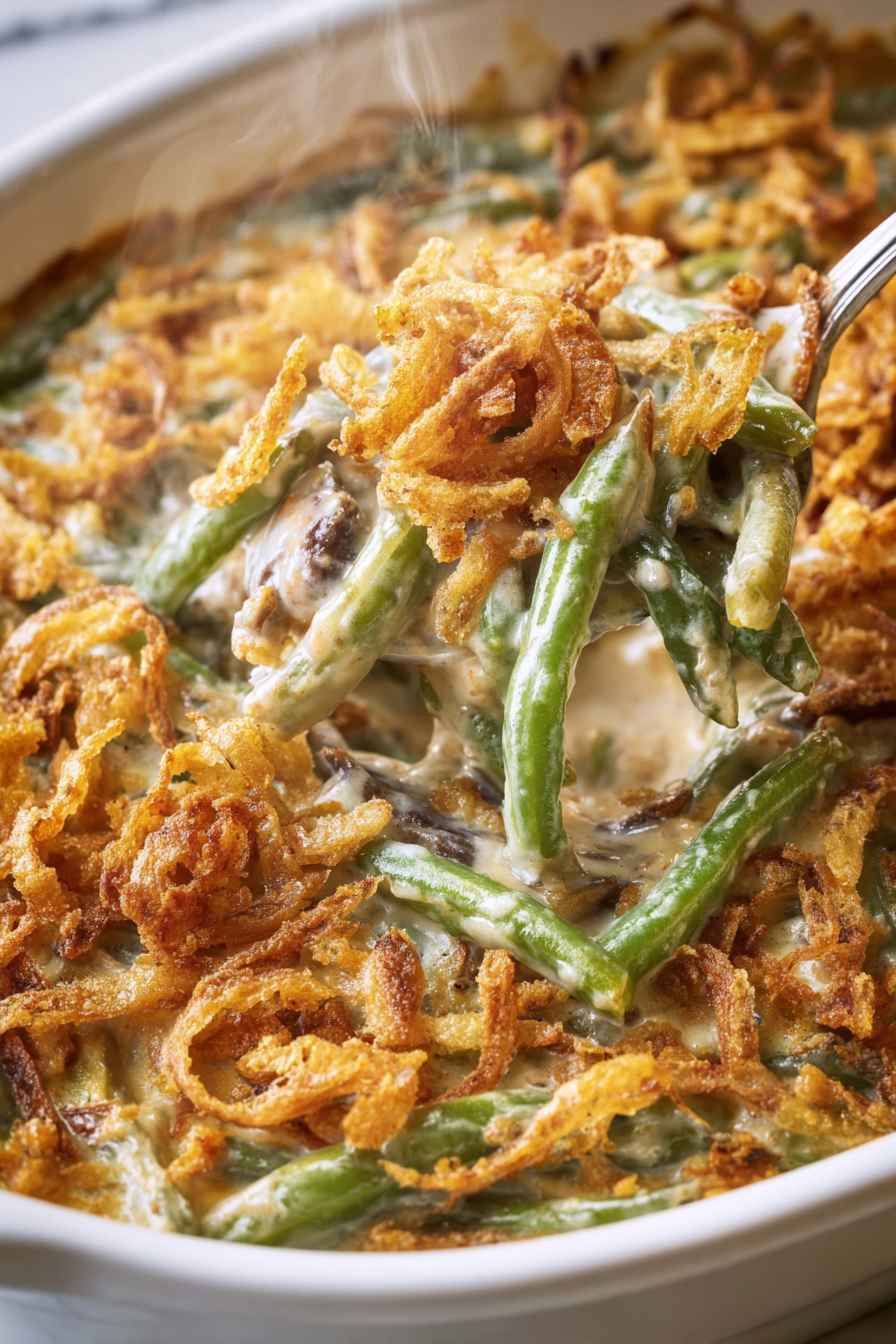
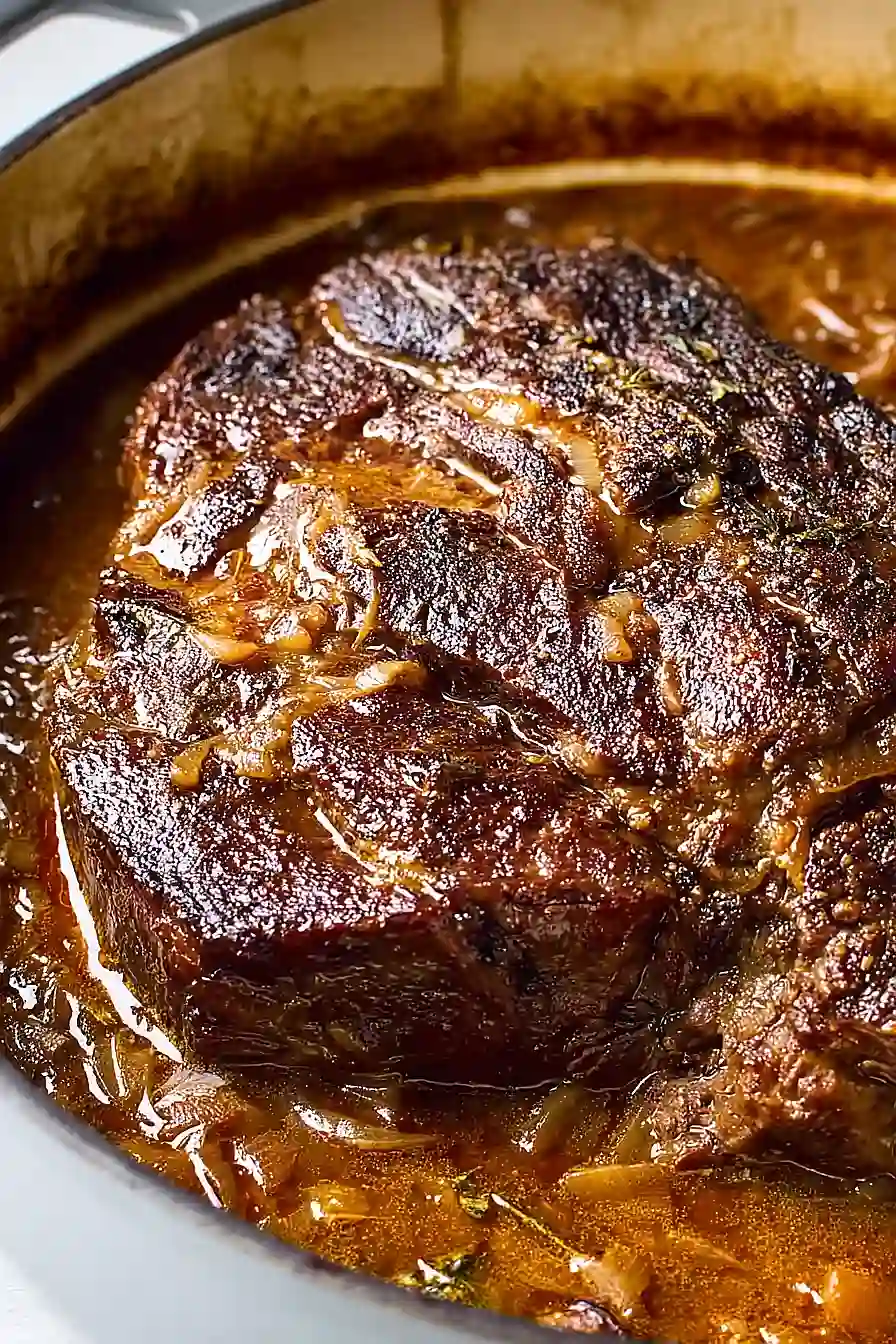
Pork tenderloin is one of those cuts that makes me feel like a fancy chef without all the fuss. It cooks quickly, stays tender, and always looks impressive on the dinner table. But sometimes I want to take it up a notch without spending hours in the kitchen or breaking the bank.
That’s where stuffing comes in. A simple mix of apples and walnuts turns regular pork tenderloin into something that feels like a special occasion meal. The sweet apples pair perfectly with the savory pork, and the walnuts add just the right amount of crunch. Plus, that red currant sauce? It’s easier to make than you think.
This recipe has become my go-to when I want to impress guests or just treat my family to something a little different. It looks complicated but honestly takes about the same time as any other weeknight dinner. And the best part? Most of the ingredients are things I already have on hand.

Why You’ll Love This Stuffed Pork Tenderloin
- Restaurant-quality presentation – This stuffed pork tenderloin looks fancy enough for special occasions but is totally doable for home cooks who want to impress their guests.
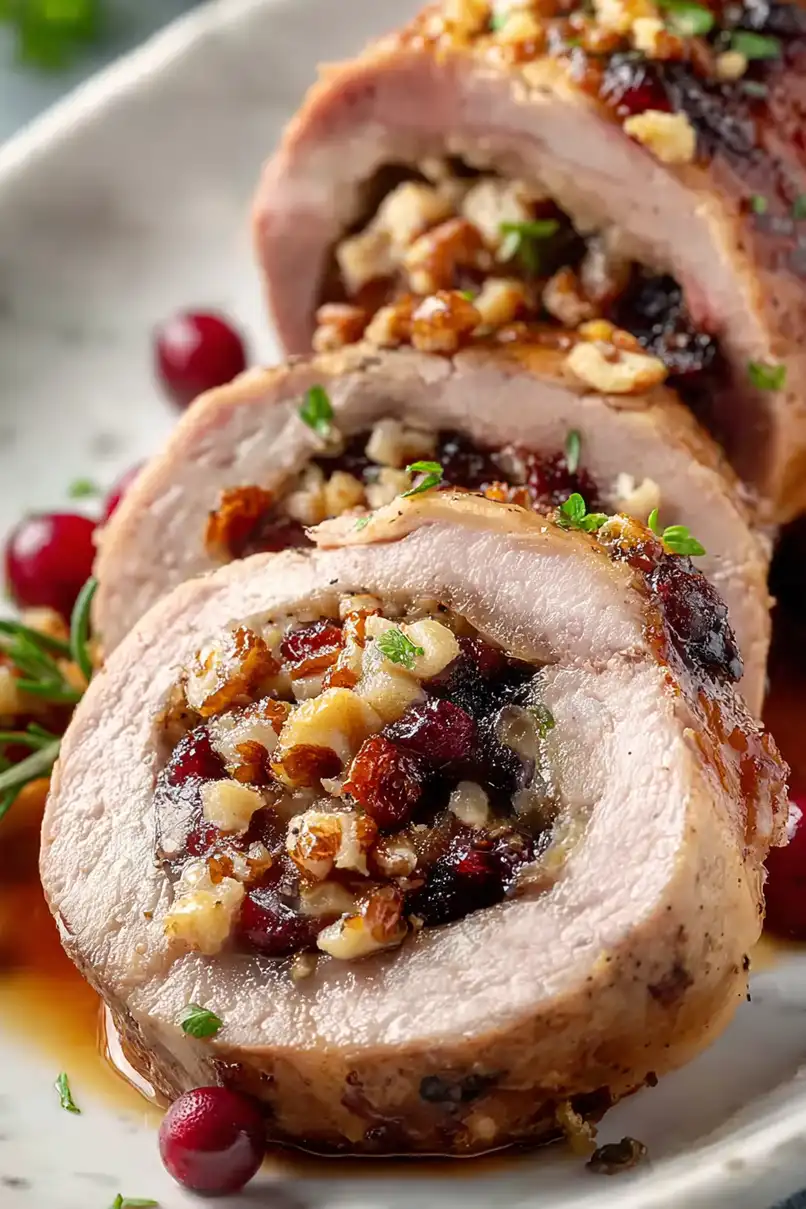
- Sweet and savory flavor combination – The apple and walnut stuffing paired with the tangy red currant sauce creates a perfect balance that makes every bite interesting and delicious.
- Make-ahead friendly – You can stuff the pork tenderloin earlier in the day and even prep the sauce components ahead of time, making dinner party hosting much easier.
- Lean protein option – Pork tenderloin is naturally lean and healthy, so you can enjoy this indulgent-tasting meal without the guilt.
- Perfect for fall entertaining – The seasonal flavors of apple, cranberries, and walnuts make this an ideal centerpiece for autumn dinner parties or holiday meals.
What Kind of Pork Tenderloin Should I Use?
When shopping for pork tenderloin, look for one that’s about 1 to 1½ pounds – this size works perfectly for stuffing and will feed about 4 people. You’ll want to choose a tenderloin that’s pale pink in color with minimal marbling, and make sure it feels firm to the touch. Most grocery stores sell pork tenderloin in vacuum-sealed packages, and that’s totally fine to use. Just be sure to remove the silver skin (that thin, shiny membrane) before you start stuffing – it’s tough and won’t break down during cooking, so your butcher can do this for you or you can carefully trim it off at home with a sharp knife.
Options for Substitutions
This stuffed pork tenderloin is pretty forgiving when it comes to swaps – here are some easy substitutions:
- Walnuts: Don’t have walnuts? Try pecans, almonds, or even pine nuts for a different nutty flavor. Toasted breadcrumbs work too if you need a nut-free option.
- Dried cranberries: Swap these with chopped dried apricots, raisins, or dried cherries. Fresh cranberries work too, but add an extra teaspoon of honey to the stuffing to balance the tartness.
- Apple butter: If you don’t have apple butter, mix 1/3 cup applesauce with 1 tablespoon brown sugar and a pinch of cinnamon. It won’t be quite as thick, but it’ll give you that sweet apple flavor.
- Red currant jelly: This is pretty specific, but grape jelly, apricot preserves, or even cranberry sauce make good substitutes for the sauce. You might need to strain chunky preserves first.
- Ground coriander: No coriander? Try ground cumin, fennel seeds, or just add a bit more salt and skip it entirely – the dish will still be delicious.
- Shallot: A small yellow onion or 2-3 green onions (white parts only) work perfectly in place of the shallot.
- Cranberry juice: Apple juice, pomegranate juice, or even red wine will work in the sauce. Just keep the same amount.
Watch Out for These Mistakes While Cooking
The biggest mistake when making stuffed pork tenderloin is not butterflying the meat evenly, which leads to uneven cooking and difficulty rolling – aim for a consistent thickness of about 1/2 inch by pounding gently with a meat mallet if needed.
Overcooking pork tenderloin is another common error that results in dry, tough meat, so use a meat thermometer and remove it from the oven when it reaches 145°F, then let it rest for 5 minutes to reach the safe temperature of 150°F.
Don’t skip securing the stuffed tenderloin with kitchen twine at 2-inch intervals, as this prevents the filling from spilling out during cooking and helps maintain an even shape.
For the red currant sauce, avoid cooking it on high heat which can cause the jelly to break down and become grainy – keep it at a gentle simmer and whisk frequently for a smooth, glossy finish.
What to Serve With Apple and Walnut Stuffed Pork Tenderloin?
This fancy pork tenderloin pairs beautifully with roasted root vegetables like carrots, parsnips, and Brussels sprouts that complement the apple and walnut flavors. I love serving it alongside creamy mashed potatoes or wild rice pilaf to soak up that gorgeous red currant sauce. A simple arugula salad with a light vinaigrette helps cut through the richness of the dish, while roasted sweet potatoes bring out the natural sweetness from the apple stuffing. For a complete fall dinner, add some sautéed green beans or roasted asparagus to round out the plate.
Storage Instructions
Refrigerate: This stuffed pork tenderloin keeps really well in the fridge for up to 3 days when wrapped tightly in foil or stored in an airtight container. The red currant sauce can be stored separately in a covered container for up to a week. I actually think the flavors get even better after a day or two!
Freeze: You can freeze the cooked pork tenderloin for up to 3 months, but I’d recommend freezing it without the sauce since that freezes better separately. Wrap it well in plastic wrap and then foil to prevent freezer burn. The sauce can be frozen in ice cube trays for easy portioning.
Reheat: To warm up your leftover pork, slice it and reheat gently in a covered dish in the oven at 325°F until heated through, about 15-20 minutes. You can also reheat individual slices in the microwave on medium power. Warm the sauce separately on the stovetop over low heat, stirring occasionally.
| Preparation Time | 20-30 minutes |
| Cooking Time | 67-79 minutes |
| Total Time | 87-109 minutes |
| Level of Difficulty | Medium |
Estimated Nutrition
Estimated nutrition for the whole recipe (without optional ingredients):
- Calories: 1850-2050
- Protein: 85-95 g
- Fat: 90-105 g
- Carbohydrates: 185-210 g
Ingredients
For the stuffing:
- 1 garlic clove, finely minced (about 1 tsp)
- 1 tbsp minced parsley (fresh)
- 1 cup chopped walnuts (toasted preferred for deeper flavor)
- 1 tbsp olive oil
- 3 tbsp dried cranberries
- 1 medium apple, peeled and finely diced (about 1/4-inch pieces)
- 1 tbsp butter (unsalted, for richness)
For the pork:
- 1/2 tsp ground coriander (freshly ground for best flavor)
- 1/3 cup apple butter
- 1.5 lb pork tenderloin (room temperature before cooking)
- 1/2 tsp salt
For the sauce:
- 1 cup red currant jelly (I use Stonewall Kitchen)
- 2 tbsp honey
- 1 shallot, finely diced (about 1/4-inch pieces)
- 1 tbsp apple cider vinegar (adds brightness to balance sweetness)
- 1 tbsp dried currants
- 2 tbsp cranberry juice
Step 1: Prepare the Stuffing Base
- 1 tbsp butter
- 1 cup chopped walnuts
- 1 medium apple, peeled and finely diced
Melt butter in a medium skillet over medium heat and add the toasted walnuts, cooking for about 2 minutes to deepen their flavor.
Add the finely diced apple and cook for just 1 minute more to slightly soften it while maintaining some texture.
Transfer the walnut-apple mixture to a bowl and let it cool to room temperature—this prevents the mixture from becoming mushy and allows you to work with it more easily.
Step 2: Finish the Stuffing Mixture
- 1/2 cup walnut-apple mixture
- 3 tbsp dried cranberries
- 1 tbsp minced parsley
- 1 tbsp olive oil
- 1 garlic clove, finely minced
Reserve 1/2 cup of the cooled walnut-apple mixture for garnish.
Transfer the remaining half to a food processor and add the dried cranberries, fresh parsley, olive oil, and minced garlic.
Pulse the mixture until it reaches a coarse, chunky consistency—you want texture here, not a smooth paste.
This texture will provide nice pockets of flavor throughout the pork and prevent the stuffing from compacting during cooking.
Step 3: Butterfly and Prepare the Pork
- 1.5 lb pork tenderloin
Place the room-temperature pork tenderloin on a cutting board and carefully cut a horizontal slit along its length, about 1 inch from the top, cutting three-quarters of the way through but not completely in half.
Open the pork flat like a book, then place it between two pieces of plastic wrap and gently pound it with a meat mallet until it reaches an even 1/2-inch thickness.
This creates a large, uniform surface for the stuffing and ensures even cooking throughout.
Step 4: Stuff and Season the Pork
- butterflied pork from Step 3
- 1/3 cup apple butter
- stuffing mixture from Step 2
- 1/2 tsp salt
- 1/2 tsp ground coriander
Spread the apple butter evenly across the flattened pork tenderloin, leaving a small border around the edges.
Layer the coarse stuffing mixture from Step 2 over the apple butter, distributing it evenly.
Tightly roll the pork up, starting from one long side, and secure it with kitchen twine at 2-inch intervals—I tie it firmly but not so tight that I squeeze out the filling.
Rub the exterior generously with salt and ground coriander, ensuring an even coating on all sides for a flavorful crust.
Step 5: Roast the Pork Tenderloin
- seasoned pork from Step 4
Preheat your oven to 350°F.
Place the tied and seasoned pork on a baking sheet or in a roasting pan and roast for 55 to 65 minutes, until the internal temperature reaches 145°F (measured in the thickest part of the meat).
Remove the pork from the oven and let it rest on a cutting board for 10 minutes without cutting into it—this resting period allows the juices to redistribute throughout the meat, keeping it moist and tender when sliced.
Step 6: Build the Red Currant Sauce
- 1 cup red currant jelly
- 1 shallot, finely diced
- 2 tbsp cranberry juice
- 2 tbsp honey
- 1 tbsp dried currants
- 1 tbsp apple cider vinegar
While the pork rests, combine the red currant jelly, finely diced shallot, cranberry juice, honey, dried currants, and apple cider vinegar in a medium saucepan.
Bring the mixture to a boil over medium-high heat, stirring occasionally, then reduce to a simmer and cook for 12 to 14 minutes until the sauce thickens and coats the back of a spoon.
The vinegar adds brightness that beautifully balances the sweetness of the jelly and fruit—taste it before serving and adjust the acid if needed for your preference.
Step 7: Slice and Plate
- rested pork from Step 5
- red currant sauce from Step 6
- 1/2 cup reserved walnut-apple mixture from Step 1
Remove the kitchen twine from the rested pork and slice it into 1/2-inch thick rounds.
Arrange the slices on a serving platter or individual plates, drizzle generously with the warm red currant sauce, and top each slice with a portion of the reserved toasted walnut-apple mixture from Step 1.
The contrast of the warm, juicy pork against the sweet-tart sauce and the crunchy, nutty garnish creates a beautifully balanced dish.