I used to think pork tenderloin was one of those fancy cuts you only ordered at restaurants. My mom always stuck to pork chops or ground pork, so tenderloin felt intimidating. But here’s what I learned after years of accidentally turning it into shoe leather—it’s actually one of the easiest cuts to work with.
The secret is keeping it moist, and that’s where applesauce comes in. Not just as a side dish like I grew up eating, but mixed right into a glaze that keeps the meat juicy and adds a hint of sweetness. It’s the kind of dinner that looks impressive but doesn’t require any special skills.
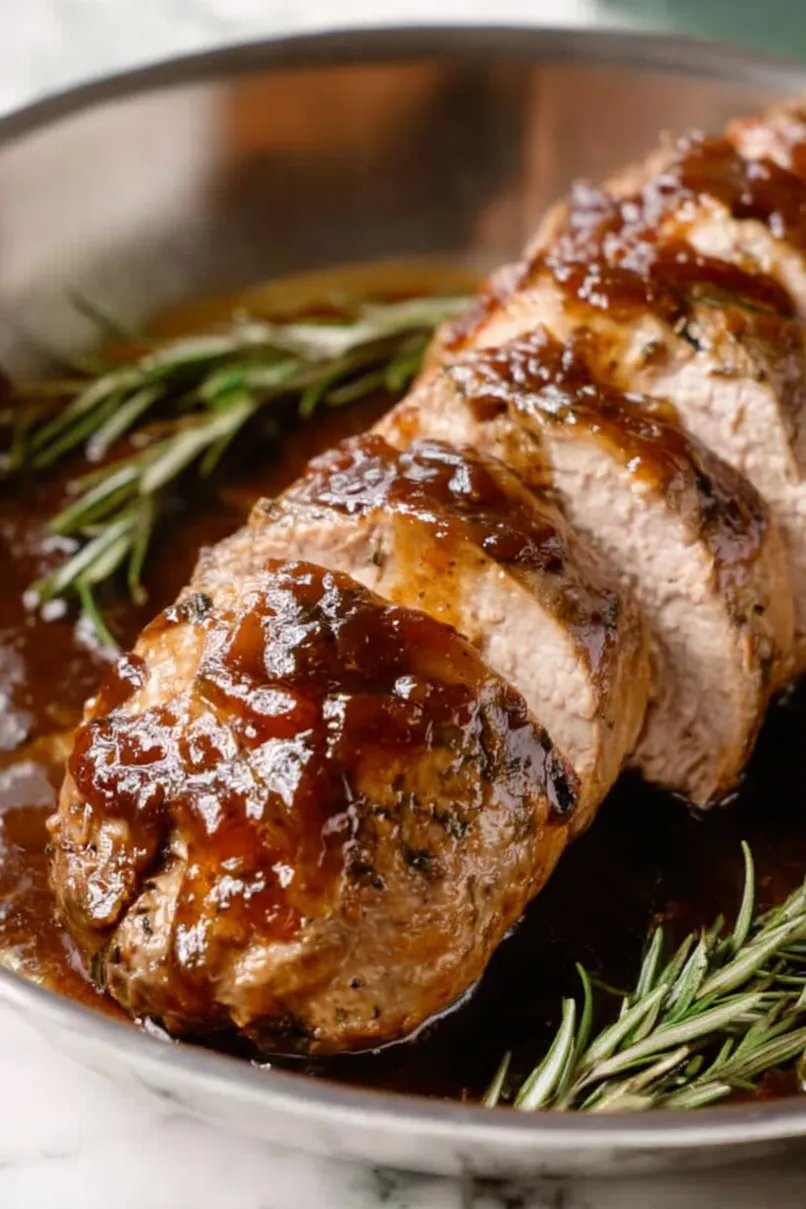
Why You’ll Love This Applesauce Pork Tenderloin
- Quick weeknight dinner – Ready in under an hour, this recipe is perfect for busy evenings when you want something special without spending all night in the kitchen.
- Sweet and savory flavors – The combination of applesauce, brown sugar, and Dijon mustard creates a sauce that’s both comforting and sophisticated, making ordinary pork tenderloin taste restaurant-quality.
- Simple ingredients – You probably already have most of these pantry staples at home, and the fresh rosemary adds just the right touch of elegance.
- Lean and healthy protein – Pork tenderloin is one of the leanest cuts of pork, making this a nutritious dinner option that doesn’t sacrifice flavor.
- Impressive presentation – This dish looks and tastes fancy enough for company, but it’s easy enough to make any night of the week.
What Kind of Pork Tenderloin Should I Use?
When shopping for pork tenderloin, you’ll want to look for pieces that are similar in size so they cook evenly – most tenderloins at the grocery store come in packages of two. Fresh pork tenderloin is your best bet, but frozen will work too if you thaw it completely in the refrigerator overnight. Look for meat that’s pinkish-red in color without any gray spots, and make sure to trim off the thin silver skin (called silverskin) that runs along the outside before cooking. If your butcher hasn’t already done this, just slide a sharp knife under it and peel it away – it won’t break down during cooking and can make the meat tough.
Options for Substitutions
This recipe is pretty forgiving when it comes to swaps, so here are some easy substitutions you can make:
- Pork tenderloin: You can use pork loin instead, but you’ll need to adjust the cooking time since it’s a larger cut. Chicken breasts or thighs also work well with this sweet and tangy sauce.
- Unsweetened applesauce: If you only have sweetened applesauce, just reduce the brown sugar by half. You can also make your own by cooking down peeled, chopped apples with a splash of water until soft.
- Dijon mustard: Yellow mustard or whole grain mustard work fine here. Start with a bit less since yellow mustard can be milder, then taste and adjust.
- Brown sugar: Maple syrup, white sugar, or even honey can replace brown sugar. If using liquid sweeteners like maple syrup, reduce the honey slightly to keep the sauce from getting too thin.
- Fresh rosemary: Dried rosemary works too – just use about 1 teaspoon instead of the fresh sprigs. Thyme or sage are also nice alternatives that pair well with pork and apples.
- Vegetable oil: Olive oil, canola oil, or even butter will work for searing the pork. Just make sure whatever you use can handle medium-high heat.
Watch Out for These Mistakes While Cooking
The biggest mistake when cooking pork tenderloin is overcooking it, which turns this naturally tender cut into a dry, chewy disappointment – use a meat thermometer and remove the pork when it reaches 145°F, then let it rest for 5 minutes to reach the perfect temperature.
Another common error is not searing the tenderloin properly before adding the sauce, so make sure to get a nice golden-brown crust on all sides in hot oil before proceeding with the recipe.
Don’t add the applesauce mixture too early in the cooking process, as the sugars can burn and create a bitter taste – it’s better to add the sauce during the last 15-20 minutes of cooking.
Finally, always let your pork rest after cooking, which allows the juices to redistribute and keeps every slice moist and flavorful.
What to Serve With Applesauce Pork Tenderloin?
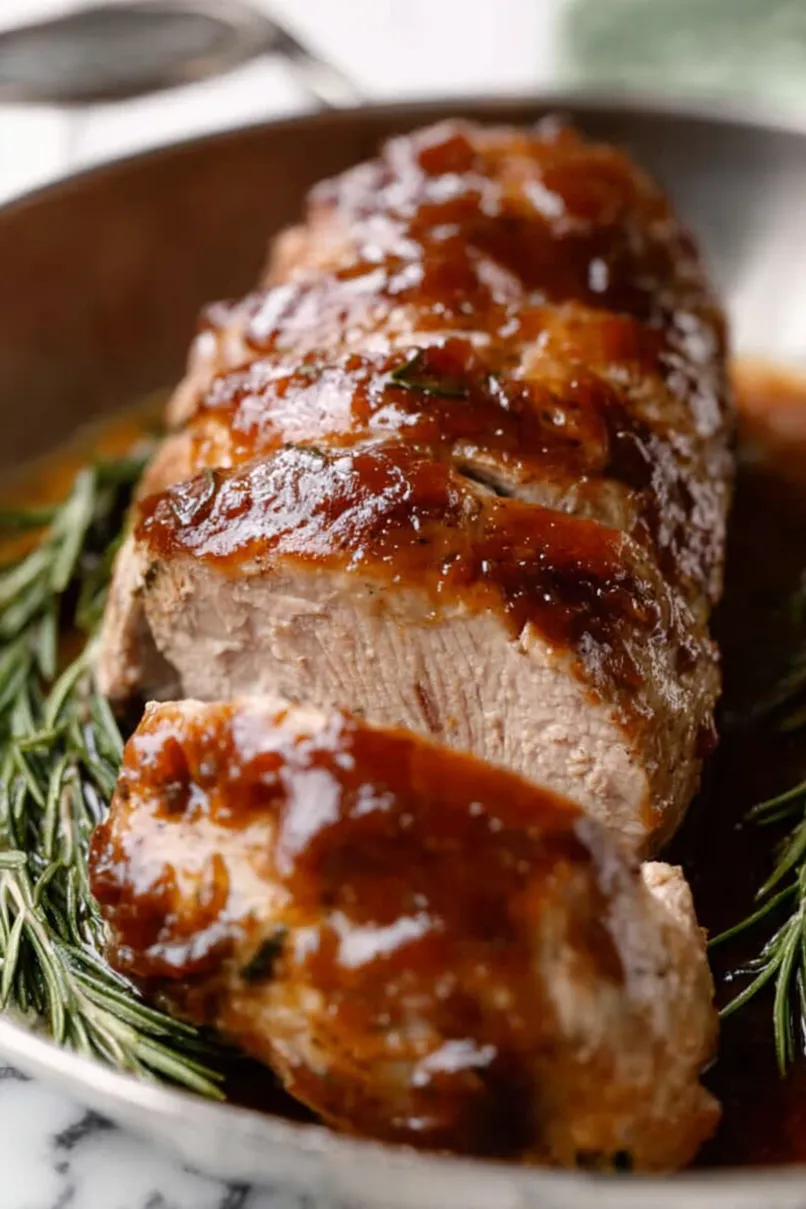
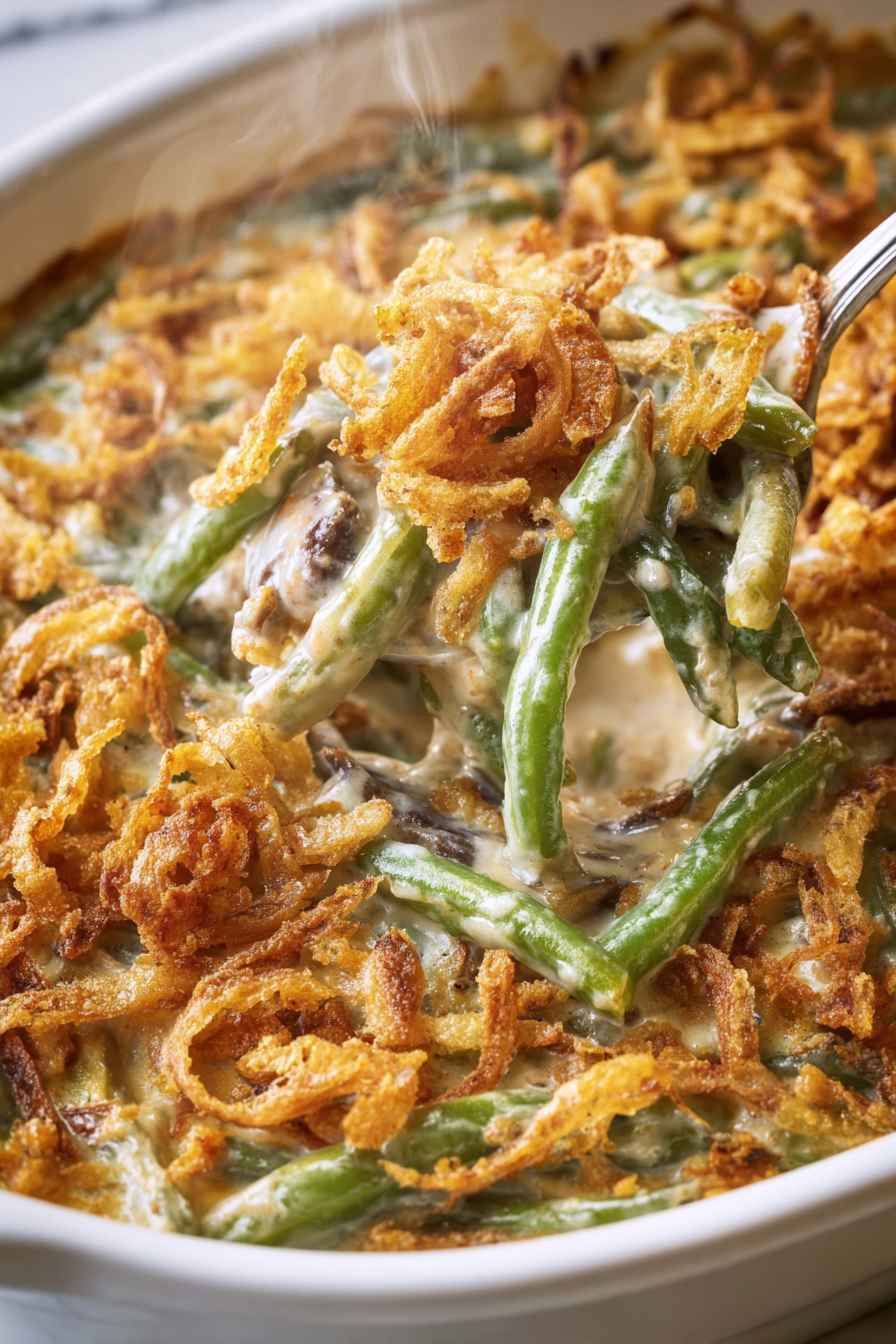
This sweet and savory pork pairs beautifully with roasted vegetables like Brussels sprouts, carrots, or sweet potatoes that can cook right alongside the tenderloin in the oven. Mashed potatoes or creamy polenta make excellent sides to soak up that delicious applesauce glaze, while a simple rice pilaf works great too. For something fresh, try a crisp apple and walnut salad or steamed green beans to balance out the rich flavors of the pork. Don’t forget some crusty dinner rolls to round out this cozy, fall-inspired meal!
Storage Instructions
Refrigerate: Leftover pork tenderloin keeps really well in the fridge for up to 4 days when stored in an airtight container. I like to slice it up and store it with some of that delicious applesauce glaze on the side. It makes for great lunch meat or quick dinner additions throughout the week.
Freeze: You can freeze cooked pork tenderloin for up to 3 months in freezer-safe bags or containers. I recommend slicing it first and wrapping portions individually in plastic wrap before freezing. This way you can thaw just what you need without having to defrost the whole thing.
Reheat: To warm up your pork tenderloin, use the oven at 325°F for about 10-15 minutes, or until heated through. Cover it with foil to keep it from drying out, and maybe brush on a little extra applesauce mixture if you have it. The microwave works too, just use medium power and heat in short intervals.
| Preparation Time | 10-15 minutes |
| Cooking Time | 30-40 minutes |
| Total Time | 40-55 minutes |
| Level of Difficulty | Easy |
Estimated Nutrition
Estimated nutrition for the whole recipe (without optional ingredients):
- Calories: 1300-1500
- Protein: 120-140 g
- Fat: 40-48 g
- Carbohydrates: 75-90 g
Ingredients
For the pork tenderloin:
- 2 tbsp vegetable oil (or any neutral oil like canola)
- 1/2 tsp salt
- 2 lb pork tenderloin (room temperature before cooking)
- 1/4 tsp black pepper (freshly ground preferred)
For the glaze:
- 1/4 cup brown sugar (packed)
- 2 sprigs fresh rosemary (finely chopped for even distribution)
- 2 tbsp honey (brings subtle sweetness and shine)
- 3 tbsp Dijon mustard (adds tangy depth to glaze)
- 1 cup unsweetened applesauce (I use Mott’s)
Step 1: Prepare the Applesauce Glaze and Season the Pork
- 1 cup unsweetened applesauce
- 1/4 cup brown sugar
- 3 tbsp Dijon mustard
- 2 tbsp honey
- 2 sprigs fresh rosemary
- 1/2 tsp salt
- 1/4 tsp black pepper
While your oven preheats to 350°F, whisk together the applesauce, brown sugar, Dijon mustard, honey, and chopped fresh rosemary in a bowl until well combined.
This glaze will develop deeper flavor as it cooks with the pork.
Pat the pork tenderloin dry with paper towels—this is crucial for achieving a good sear.
Season generously all over with salt and freshly ground black pepper, making sure to coat the ends and sides evenly.
Step 2: Sear the Pork Tenderloin
- 2 tbsp vegetable oil
- seasoned pork tenderloin from Step 1
Heat the vegetable oil in a large oven-safe skillet over medium-high heat until it shimmers.
Once hot, carefully place the seasoned pork in the pan and sear for 2-3 minutes on each side until a golden-brown crust forms on all surfaces.
I like to sear the ends of the tenderloin too—about 1 minute per end—for a complete, caramelized exterior that adds depth to the final dish.
Don’t move the meat around; let it sit undisturbed so it browns properly.
Step 3: Glaze and Bake Until Cooked Through
- applesauce glaze mixture from Step 1
- seared pork tenderloin from Step 2
Pour the applesauce glaze from Step 1 over the seared pork, ensuring it’s evenly coated on top and sides.
Transfer the skillet to the preheated 350°F oven and bake for 30-40 minutes, or until the pork reaches an internal temperature of 155°F when measured with a meat thermometer at the thickest part.
I always check the temperature about 5 minutes before the estimated time to avoid overcooking—pork tenderloin can dry out quickly once it passes 160°F.
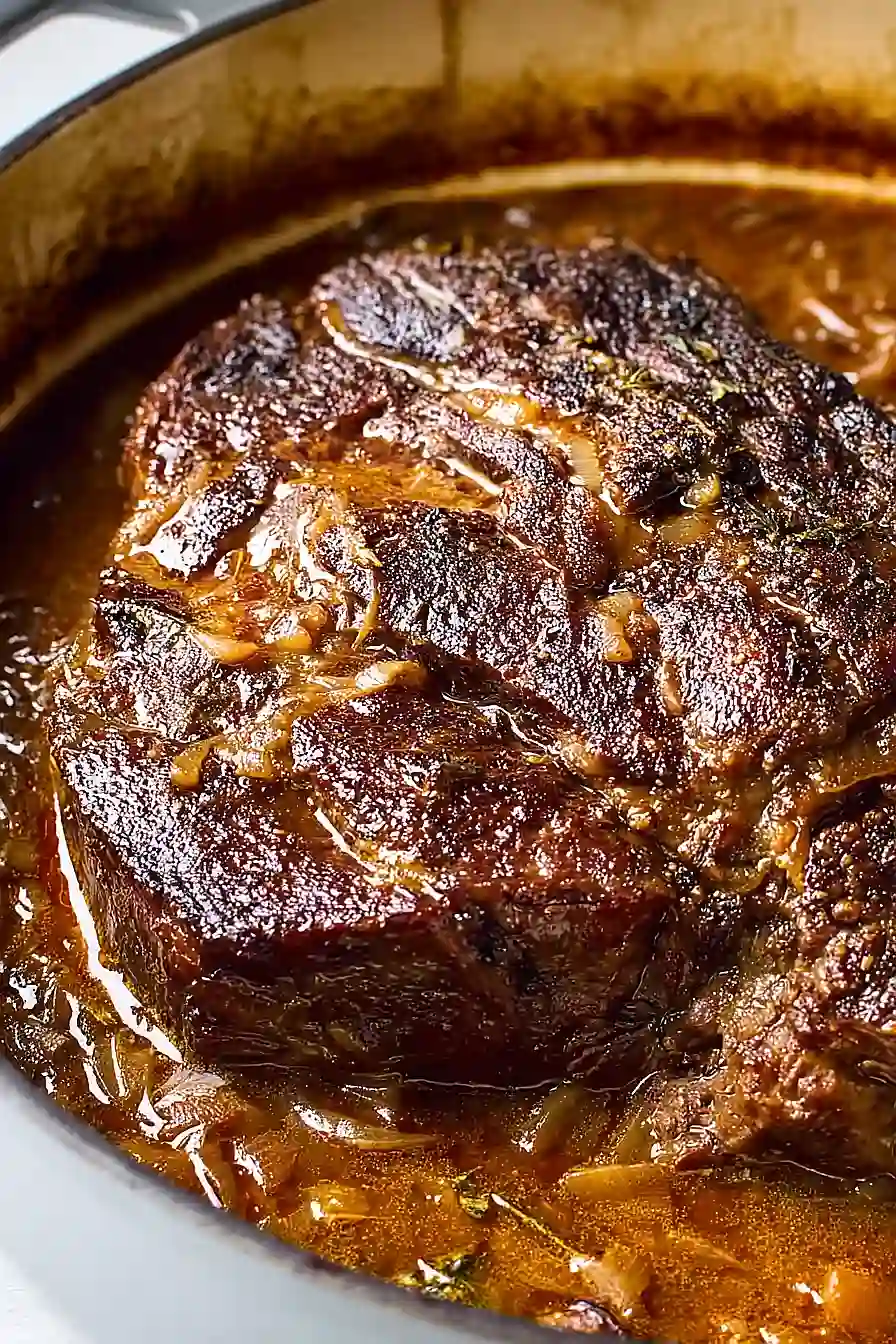
The glaze will caramelize slightly during baking, creating a beautiful mahogany coating.
Step 4: Rest and Slice
- cooked pork tenderloin from Step 3
Remove the pork from the oven and let it rest in the skillet for 10 minutes before slicing.
This resting period allows the juices to redistribute throughout the meat, keeping it moist and tender when you cut into it.
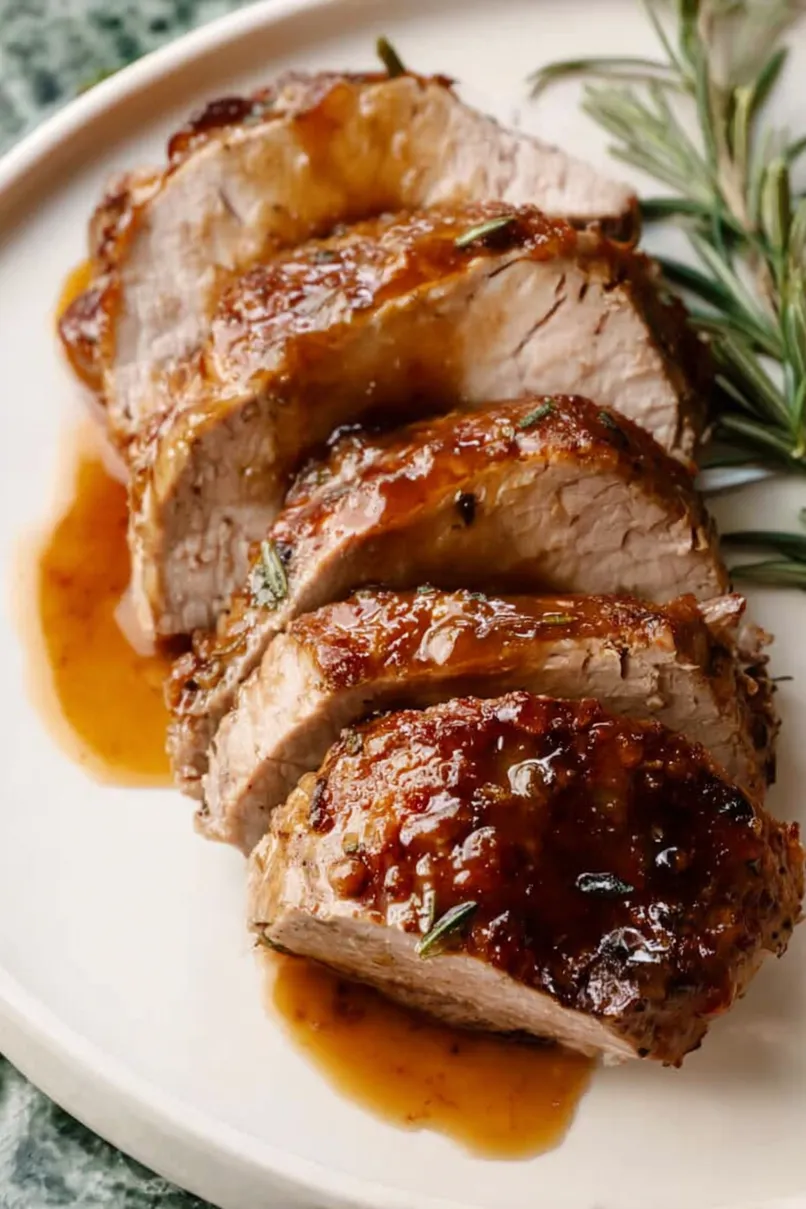
Slice the pork tenderloin into 1/2-inch thick pieces and serve with the caramelized applesauce glaze spooned over the top.






There seems to be conflicting directions about when to add applesauce glaze. Can you confirm this. Should it be covered when baking?