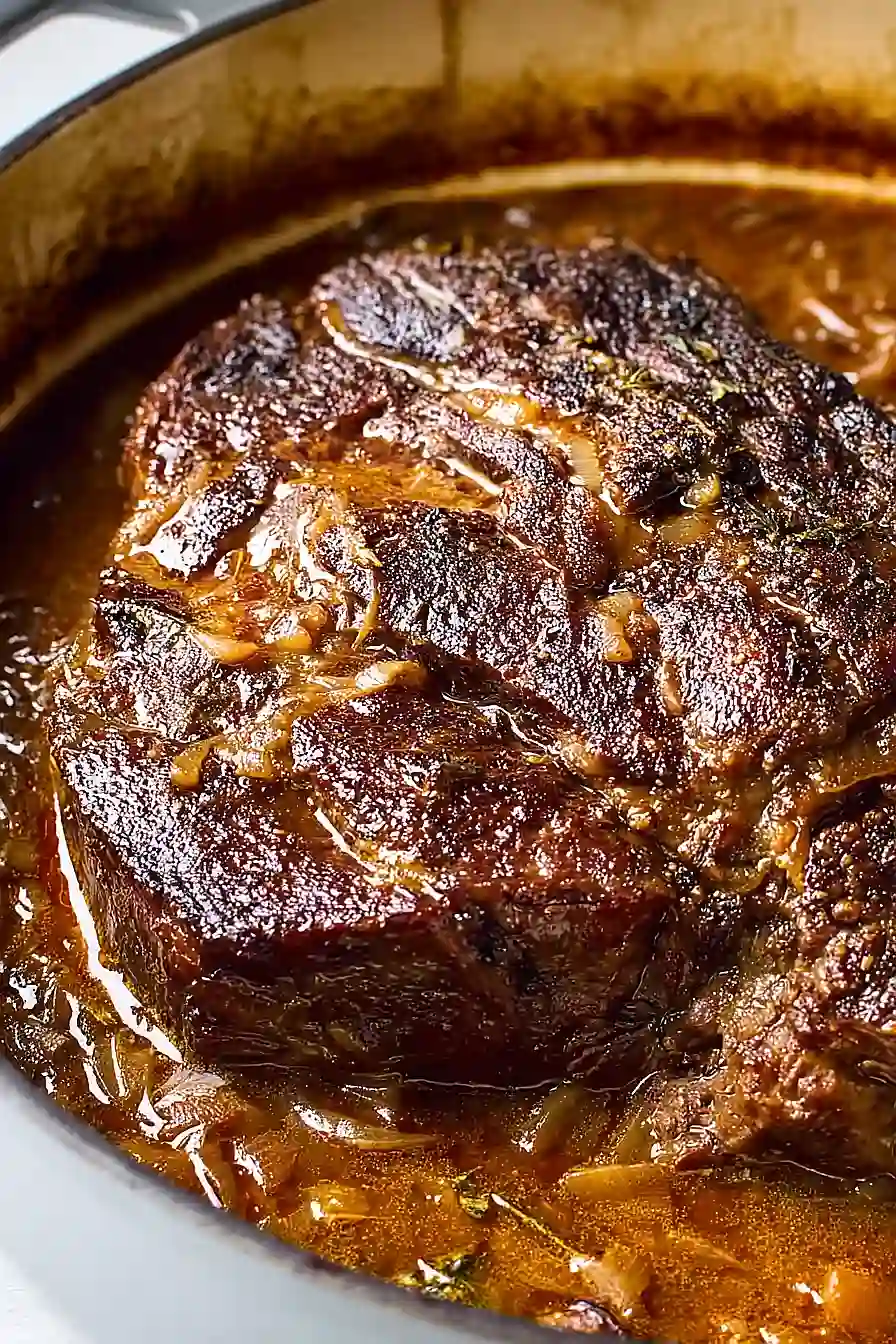
Here is my favorite dry brine spatchcock turkey recipe, with simple steps for cutting out the backbone, flattening the bird, and using a salt rub that keeps the meat juicy and gives you crispy, golden skin.
This turkey method has become my go-to for Thanksgiving and any time I want to roast a turkey faster than the traditional way. My family loves how it cooks in almost half the time, which means I’m not stuck in the kitchen all day and we actually get to eat at a reasonable hour.
Why You’ll Love This Spatchcock Turkey
- Faster cooking time – Spatchcocking cuts your roasting time nearly in half compared to a traditional whole turkey, so you can get dinner on the table quicker.
- Crispy skin all over – The flattened bird means every bit of skin gets exposed to the oven’s heat, giving you that golden, crispy texture everyone fights over.
- Juicy, evenly cooked meat – The dry brine keeps the turkey moist while the flat cooking surface ensures the breast and thighs finish at the same time—no more dry white meat or undercooked dark meat.
- Simple technique – Don’t let the fancy name intimidate you. Spatchcocking just means removing the backbone with kitchen shears, and it’s easier than you think.
- Perfect for special occasions – This method delivers an impressive centerpiece for Thanksgiving or any holiday gathering without the stress of traditional turkey roasting.
What Kind of Turkey Should I Use?
For this recipe, you’ll want to pick up a fresh or frozen turkey in the 12-14 pound range – anything larger can be tricky to spatchcock and might not cook as evenly. If you’re going with a frozen bird, make sure to give it plenty of time to thaw in the refrigerator (usually about 24 hours for every 4-5 pounds). Avoid pre-brined or self-basting turkeys since we’re already doing a dry brine here, and you don’t want to end up with an overly salty bird. A natural, unbrined turkey is your best bet, and if you can find one from a local farm or butcher, even better – they tend to have great flavor and the quality really shines through with this simple preparation method.
Options for Substitutions
This recipe is pretty straightforward, but here are a few swaps you can make if needed:
- Kosher sea salt: Don’t substitute the Kosher salt with table salt – it’s much finer and you’ll end up with an overly salty turkey. If you only have table salt, use about half the amount, but Kosher salt really is best for dry brining.
- Baking powder: The baking powder is key for getting that crispy skin, so try not to skip it. If you absolutely must, you can leave it out, but your skin won’t be quite as crispy.
- Fresh herbs: If you don’t have fresh rosemary and thyme, you can use dried herbs instead. Just use about 1 teaspoon of each since dried herbs are more concentrated than fresh.
- Maple syrup: Honey works great as a substitute for maple syrup in the butter mixture. You can also use brown sugar mixed with a tiny bit of water if that’s all you have.
- Unsalted butter: Salted butter will work fine here – just reduce the salt in your dry brine by about 1 tablespoon to compensate.
- Garlic cloves: In a pinch, you can use 1 teaspoon of garlic powder mixed into the butter instead of fresh minced garlic.
Watch Out for These Mistakes While Cooking
The biggest mistake when dry brining a spatchcock turkey is not giving it enough time in the fridge – you need at least 12 hours (ideally 24) for the salt to penetrate the meat and work its magic, so plan ahead and don’t rush this step.
Using table salt instead of kosher salt will make your turkey way too salty since table salt is much finer and more concentrated, so stick with kosher salt and measure it properly.
Make sure to pat the turkey completely dry with paper towels before applying the dry brine, as any moisture on the skin will prevent it from getting that crispy, golden finish you’re looking for.
When it comes to roasting, keep your oven temperature steady at 425°F and use a meat thermometer to check that the thickest part of the breast reaches 160°F (it’ll coast up to 165°F while resting), because even a spatchcocked turkey can dry out if overcooked.
What to Serve With Spatchcock Turkey?
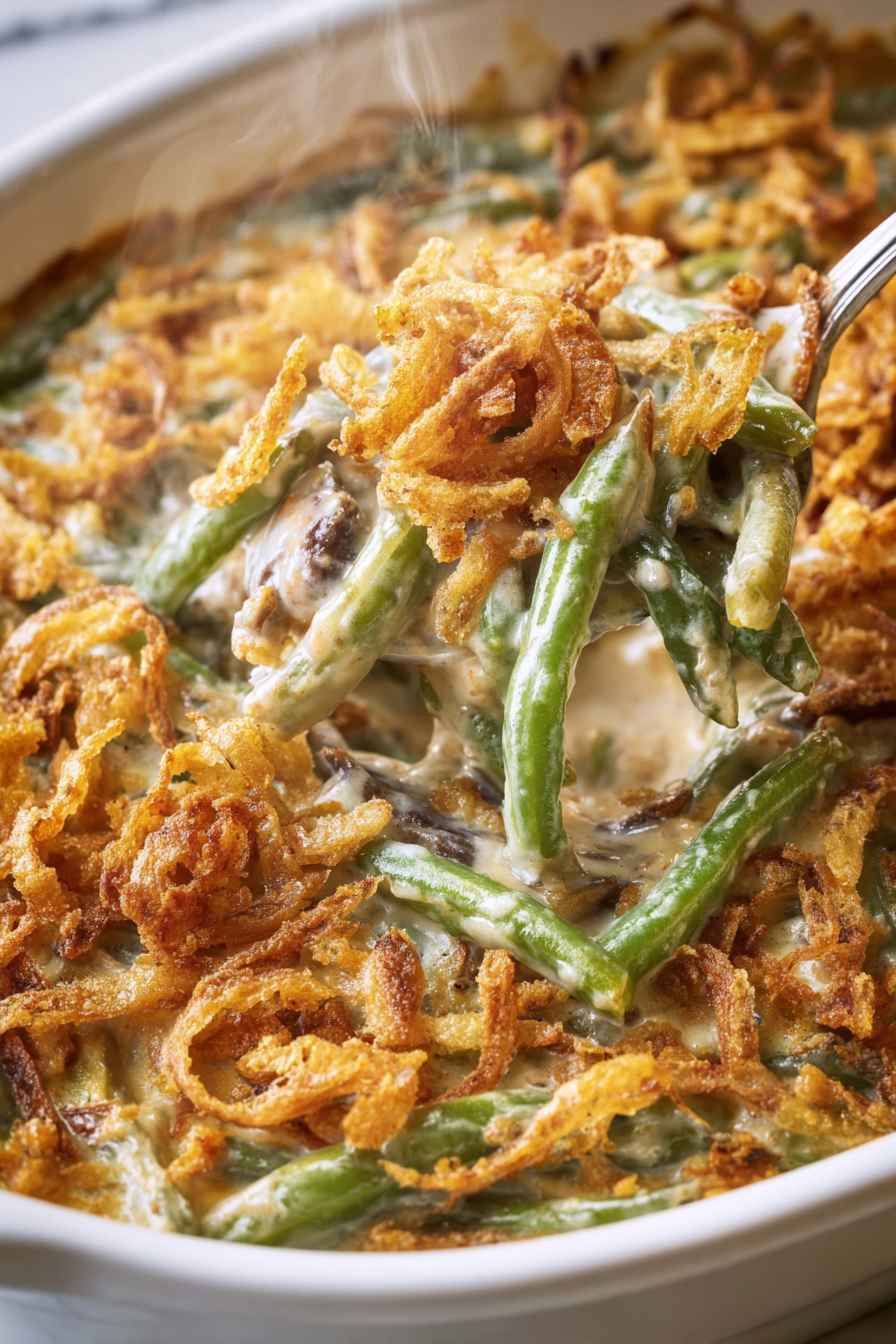
A spatchcock turkey deserves all the classic Thanksgiving sides, so think creamy mashed potatoes, herb stuffing, and roasted vegetables like Brussels sprouts or carrots. The maple and herb flavors in this turkey pair really well with sweet potato casserole or cranberry sauce, which balance out the savory garlic and rosemary. Don’t forget to make gravy from the pan drippings – it’s packed with flavor from the herbs and will tie everything together on your plate. A simple green bean casserole or sautéed green beans with almonds also work great alongside this turkey.
Storage Instructions
Store: Leftover turkey keeps really well in the fridge for up to 4 days. I like to slice or shred the meat and store it in airtight containers or zip-top bags. Keep the dark meat and white meat separate if you can, since they reheat a bit differently.
Freeze: Turkey freezes great for up to 3 months. Portion it out into meal-sized amounts in freezer bags, pressing out as much air as possible. I usually freeze some sliced for sandwiches and some shredded for soups or casseroles.
Reheat: To keep the turkey moist when reheating, add a splash of chicken broth or water to your container. Warm it gently in the microwave on medium power or in a covered dish in a 325°F oven for about 20 minutes. Low and slow is the key to keeping it from drying out.
| Preparation Time | 15-30 minutes |
| Cooking Time | 75-105 minutes |
| Total Time | 12-24 hours (including brining), 90-135 minutes (cooking and resting) |
| Level of Difficulty | Medium |
Estimated Nutrition
Estimated nutrition for the whole recipe (without optional ingredients):
- Calories: 7200-8400
- Protein: 950-1100 g
- Fat: 340-420 g
- Carbohydrates: 50-65 g
Ingredients
For the turkey:
- 12 to 14 lb whole turkey (thawed if frozen, about 24 hours in refrigerator)
For the dry brine:
- 1/2 cup kosher salt (Diamond Crystal preferred for better coverage)
- 2 tbsp baking powder (aluminum-free, creates crispier skin)
For the herb butter:
- 3 garlic cloves (minced into paste)
- 1 tbsp fresh rosemary (finely chopped)
- 2 tbsp maple syrup (pure grade for better flavor)
- 1/4 cup unsalted butter (softened to room temperature)
- 1 tbsp fresh thyme (finely chopped)
Step 1: Prepare the Turkey for Cooking
- 12 to 14 lb whole turkey
Remove the turkey backbone by placing it breast-side up and using kitchen shears or a sharp knife to cut along both sides of the backbone, then reserve it for stock if desired.
Flip the turkey over and press down firmly on the breastbone to flatten it into a spatchcock position—you’ll hear a crack as the breastbone breaks.
Pat the entire turkey completely dry with paper towels, paying special attention to the skin and any crevices, as moisture prevents crisping.
This is a crucial step that takes a few minutes but makes a real difference in achieving that golden, crackling skin.
Step 2: Create and Apply the Dry Brine
- 1/2 cup kosher salt
- 2 tbsp baking powder
Combine the kosher salt and aluminum-free baking powder in a small bowl, mixing thoroughly to break up any lumps.
Generously rub this mixture all over the dried turkey, working it into the skin, under the wings, and into any gaps—don’t be shy with coverage.
The baking powder is the secret ingredient here; I like using it because it reacts with the salt to create an incredibly crispy exterior.
Place the rubbed turkey on a rimmed baking sheet, cover it loosely with plastic wrap, and refrigerate for 12 to 24 hours.
The salt will dissolve slightly and penetrate the meat, seasoning it deeply while the dry brine draws out moisture that helps the skin crisp up during roasting.
Step 3: Prepare the Herb Butter Mixture
- 1/4 cup unsalted butter
- 3 garlic cloves
- 2 tbsp maple syrup
- 1 tbsp fresh rosemary
- 1 tbsp fresh thyme
While the turkey brines (or up to a few hours before roasting), combine the softened butter, minced garlic paste, maple syrup, fresh rosemary, and fresh thyme in a small bowl.
Mix until well combined into a smooth, fragrant paste.
Set this mixture aside at room temperature so it stays spreadable—it will go under the turkey skin for added flavor and richness during roasting.
Step 4: Apply Herb Butter and Set Up for Roasting
- herb butter mixture from Step 3
Remove the turkey from the refrigerator about 30 minutes before roasting to allow it to come closer to room temperature—this ensures more even cooking.
Preheat your oven to 450°F.
Using your fingers or a small spoon, carefully lift the skin on the turkey’s breasts and thighs and spread the herb butter mixture directly underneath, distributing it evenly across the meat.
Be gentle to avoid tearing the skin.
Place the prepared turkey skin-side up on a rimmed baking sheet, ready for roasting.
Step 5: Roast the Turkey in Two Stages
- turkey from Step 4
Place the turkey in the preheated 450°F oven and roast for 30 minutes to get aggressive, high-heat browning on the skin.
After 30 minutes, reduce the oven temperature to 350°F and continue roasting for 45 to 75 minutes more, depending on the turkey’s size and your oven’s characteristics—larger birds need the longer time.
Check the internal temperature in the thickest part of the thigh (without touching bone) using a meat thermometer; the turkey is done when it reaches 165°F.
The high initial heat blast gets the skin crispy, then the lower temperature gentles the cooking to prevent the outside from burning while the inside finishes.
Step 6: Rest and Serve
Transfer the roasted turkey to a cutting board and let it rest, loosely tented with foil, for at least 20 minutes before carving.
This resting period is essential—it allows the juices to redistribute throughout the meat, keeping every bite moist and tender.
After resting, carve and serve with any pan drippings or gravy.