Here is my favorite french toast recipe, with simple ingredients you probably already have in your kitchen, and no vanilla required for a delicious breakfast that’s quick and easy.
This french toast is perfect for those mornings when you’re craving something special but don’t have vanilla extract on hand. My kids love it just as much as the regular version, and it’s become our go-to weekend breakfast.
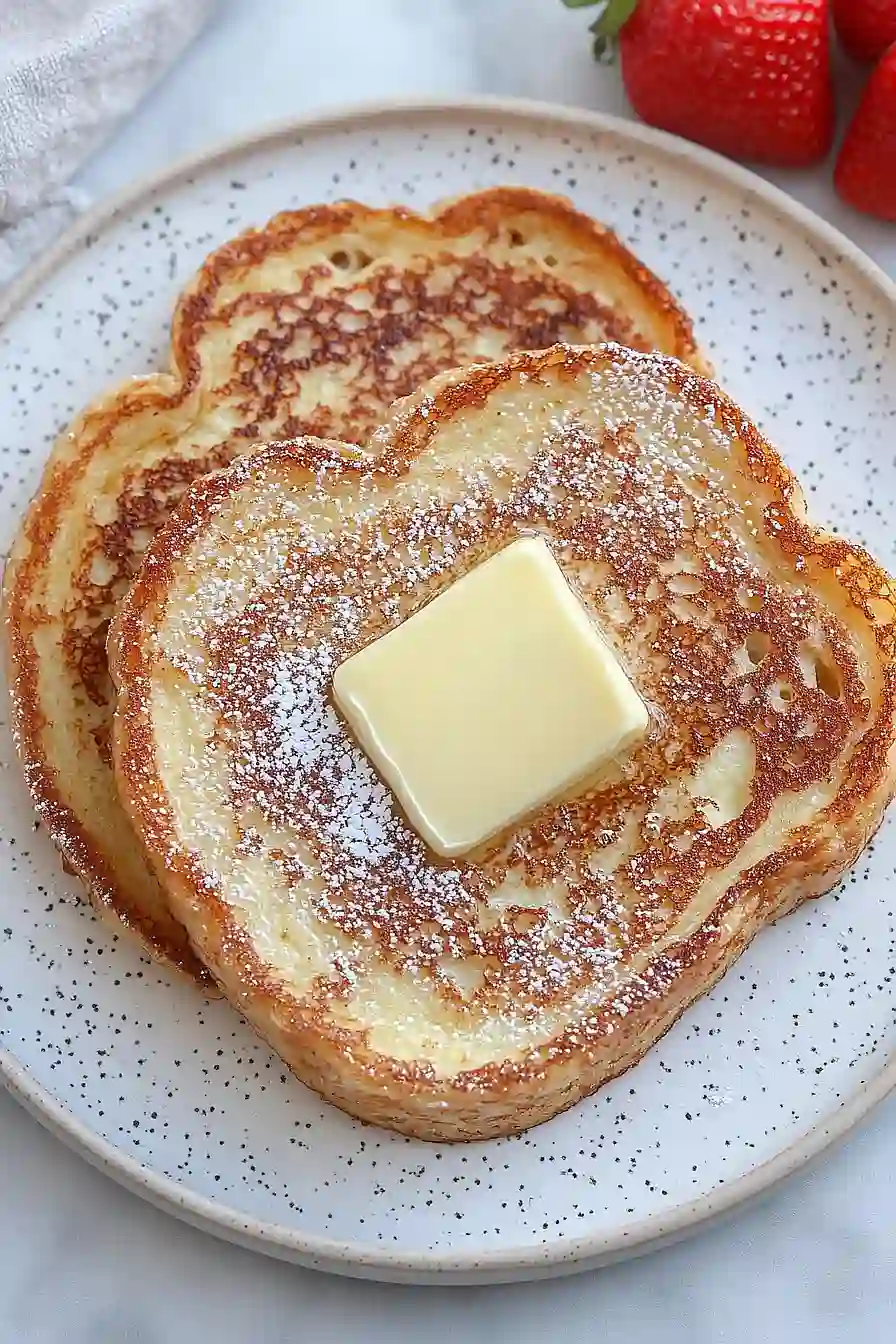
Why You’ll Love This French Toast
- No vanilla required – This recipe proves you don’t need vanilla extract to make delicious french toast – the cinnamon and syrup provide all the flavor you need.
- Quick breakfast – Ready in just 20-30 minutes, this is perfect for weekend mornings when you want something special without spending hours in the kitchen.
- Simple pantry ingredients – You probably have everything you need already – just bread, eggs, milk, and a few basic staples that most people keep on hand.
- Rich and creamy texture – The combination of milk and heavy cream creates an extra-rich custard base that makes each slice incredibly tender and flavorful.
- Perfect for any occasion – Whether it’s a lazy Sunday morning or you’re hosting brunch guests, this french toast hits the spot every time.
What Kind of Bread Should I Use?
The bread you choose can really make or break your French toast, so it’s worth picking the right one. Thick-cut bread works best since it can soak up the egg mixture without falling apart – think brioche, challah, or even day-old sandwich bread that’s about ¾ inch thick. Fresh bread tends to get too soggy, so if your bread is super fresh, let it sit out for a few hours or lightly toast it first. Avoid thin sandwich bread since it’ll just turn to mush when you dip it in the egg mixture.
Options for Substitutions
This simple French toast recipe is pretty forgiving when it comes to swaps:
- Bread: While thick slices of brioche or challah make amazing French toast, regular sandwich bread, sourdough, or even day-old bread work great too. Just avoid anything too thin or it might fall apart.
- Heavy cream: If you don’t have heavy cream, you can use all milk instead – just bump it up to ½ cup total. Half-and-half also works nicely as a middle ground.
- Milk: Any milk works here – whole milk gives the richest results, but 2%, almond milk, or oat milk will do the job. You might need to adjust the liquid amounts slightly with non-dairy options.
- Sugar: Brown sugar adds a nice caramel flavor, or you can use maple syrup (reduce the separate syrup in the recipe by half if you do this). Honey works too.
- Ground cinnamon: Try nutmeg, pumpkin pie spice, or a pinch of cardamom for different flavor profiles. You can also skip the spices entirely for plain French toast.
- Syrup: The small amount of syrup in the batter adds sweetness, but you can leave it out and just serve with syrup on top, or substitute with a bit of honey.
Watch Out for These Mistakes While Cooking
The biggest mistake when making French toast is using bread that’s too fresh, which will fall apart when you dip it in the custard mixture – day-old bread or even slightly stale slices work much better since they hold their shape.
Another common error is not letting the bread soak long enough in the egg mixture, so give each slice at least 30 seconds per side to absorb the custard for that perfect creamy interior.
Keep your pan at medium heat rather than high heat, as this prevents the outside from burning while the inside stays raw, and make sure to add a little butter or oil to the pan between batches to prevent sticking.
Finally, don’t skip letting the cooked French toast rest for a minute or two before serving – this helps the custard set properly and prevents it from being too runny when you cut into it.

What to Serve With French Toast?
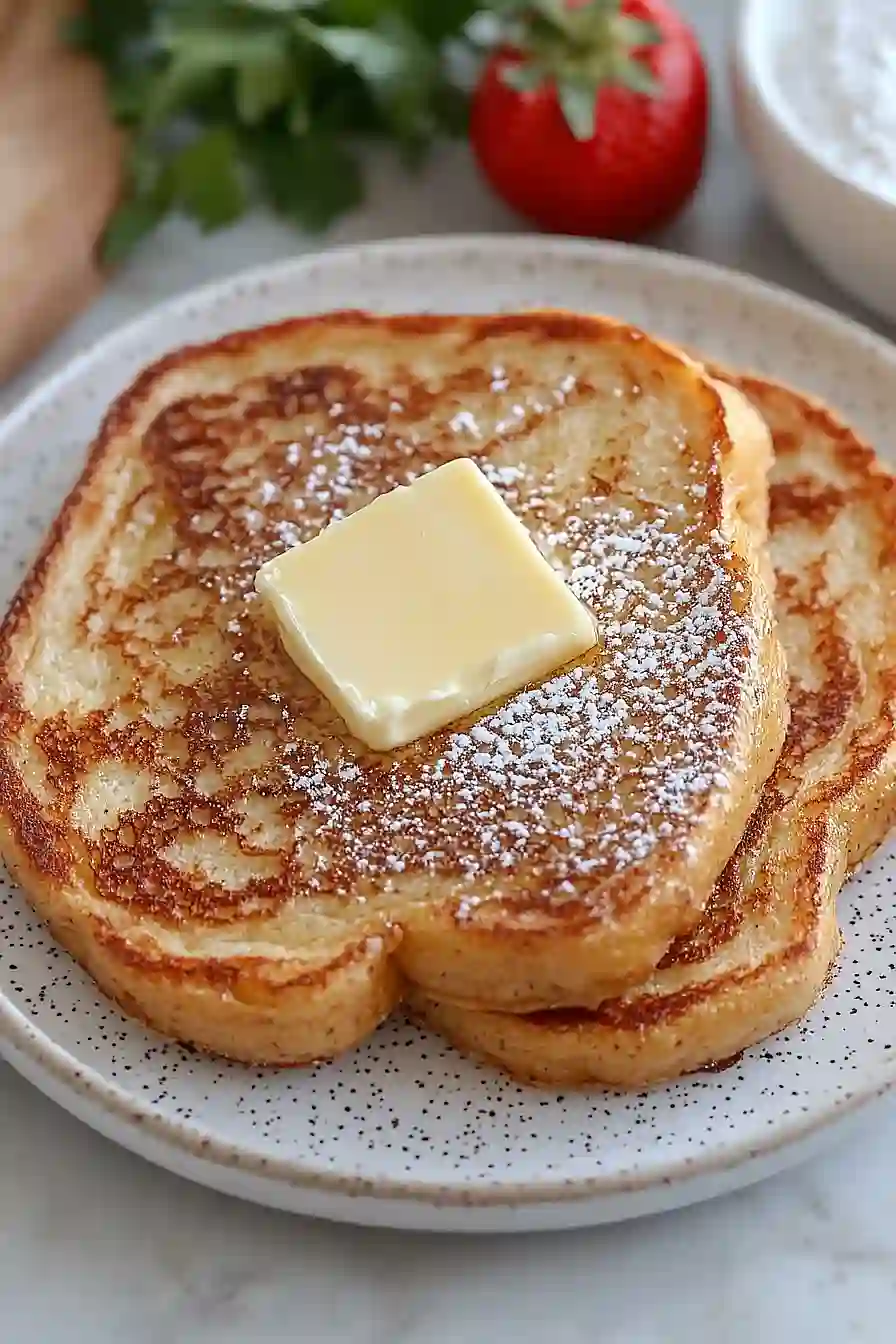
French toast is perfect on its own, but I love adding fresh berries like strawberries, blueberries, or sliced bananas on top for a fruity touch. A drizzle of maple syrup is pretty much essential, and a pat of butter melting on those warm slices makes everything even better. If you want to make it a more filling breakfast, crispy bacon or breakfast sausage on the side creates that sweet and savory combo that’s hard to beat. For something a little fancy, try dusting your french toast with powdered sugar or serving it with a dollop of whipped cream.
Storage Instructions
Refrigerate: Leftover French toast keeps well in the fridge for up to 3 days when stored in an airtight container. I like to layer pieces between parchment paper so they don’t stick together. It’s actually great for meal prep since you can make a big batch on Sunday and have breakfast ready all week!
Freeze: French toast freezes really well for up to 2 months. Just let it cool completely, then place pieces in a single layer on a baking sheet to freeze for about an hour before transferring to a freezer bag. This prevents them from sticking together and makes it easy to grab just what you need.
Warm Up: To enjoy your stored French toast, pop it in the toaster or toaster oven for a few minutes until it’s heated through and crispy again. You can also warm it in a 350°F oven for about 5-7 minutes. From frozen, just add an extra minute or two – no need to thaw first!
| Preparation Time | 10-15 minutes |
| Cooking Time | 10-15 minutes |
| Total Time | 20-30 minutes |
| Level of Difficulty | Easy |
Estimated Nutrition
Estimated nutrition for the whole recipe (without optional ingredients):
- Calories: 900-1050
- Protein: 25-30 g
- Fat: 30-38 g
- Carbohydrates: 125-140 g
Ingredients
- 1/4 cup heavy cream (makes it extra rich and creamy)
- 6 slices sandwich bread (use day-old bread for better texture and absorption)
- 2 large eggs (room temperature)
- 1/2 tsp ground cinnamon (freshly ground preferred)
- 1 tsp maple syrup (pure maple syrup for best flavor)
- 1/4 cup whole milk
- 1 tbsp sugar
Step 1: Prepare the Custard Mixture
- 2 large eggs
- 1 tbsp sugar
- 1 tsp maple syrup
- 1/4 cup whole milk
- 1/4 cup heavy cream
- 1/2 tsp ground cinnamon
In a shallow bowl or dish, whisk together the eggs, sugar, maple syrup, and ground cinnamon until well combined and the sugar begins to dissolve.
Pour in the milk and heavy cream, whisking gently to incorporate without creating too many bubbles.
Let the mixture sit for a moment so the cinnamon fully distributes.
I prefer to use a shallow dish rather than a deep bowl because it makes dipping the bread easier and more controlled.
Step 2: Heat the Skillet and Prepare Bread
- 6 slices sandwich bread
- Butter for the skillet
While the custard mixture rests, place a large skillet over medium heat and add a knob of butter, allowing it to melt and foam slightly—this indicates the pan is ready.
As the skillet heats, lay out your day-old bread slices on the counter.
Day-old bread is crucial here because it’s slightly drier and will absorb the custard mixture without becoming soggy, creating that perfect balance of crispy exterior and custardy interior.
Step 3: Dip and Cook the French Toast
- custard mixture from Step 1
- 6 slices sandwich bread
- Butter in skillet from Step 2
Working with one slice at a time, dip each piece of bread into the custard mixture from Step 1, ensuring both sides are well coated but not oversaturated—about one second per side is ideal.
Place the coated bread directly into the hot skillet and cook for 2 to 3 minutes until the bottom is golden brown and slightly crispy.
Flip carefully and cook the other side for another 2 to 3 minutes until it matches the first side.
I find that medium heat gives you the best results because it allows the egg custard to cook through while the bread toasts to a beautiful golden color without burning.
Step 4: Finish and Serve
- Cooked French toast from Step 3
Transfer each piece of cooked French toast to a warm plate or serving platter as it finishes cooking.
Serve immediately while the interior is still warm and creamy.
The French toast is best enjoyed right off the skillet when the contrast between the crispy exterior and soft, custardy interior is at its peak.






The instructions for dipping the bread are conflicting. First it says dip for 30 secs per side. Further on it says 1 sec per side. Please correct!