Finding a carrot cake recipe that’s actually moist and flavorful without being overly dense or dry can feel impossible. Most versions either turn out heavy as a brick or lack that signature spice-forward flavor we all crave, and don’t even get me started on frostings that are either too sweet or too runny to spread properly.
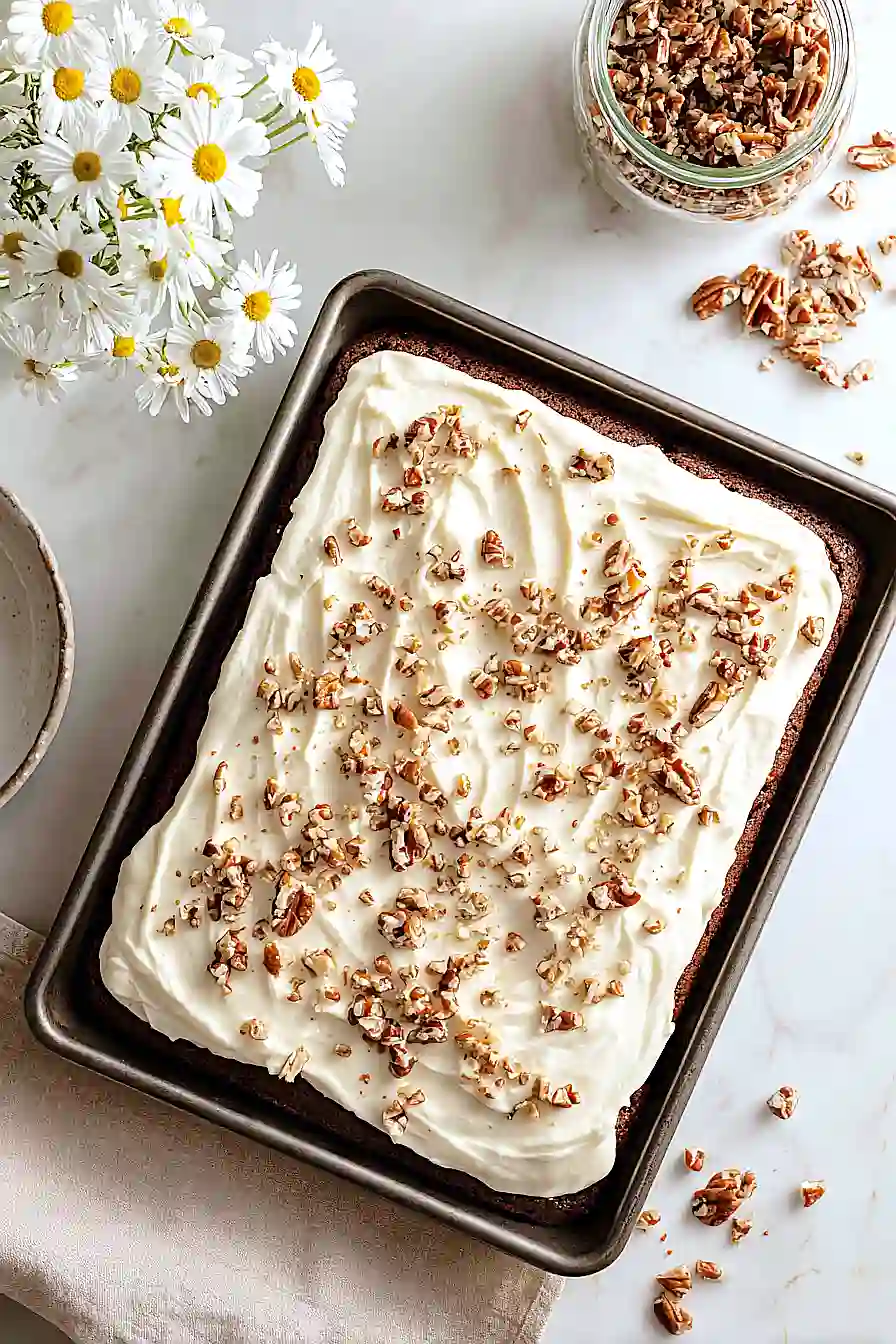
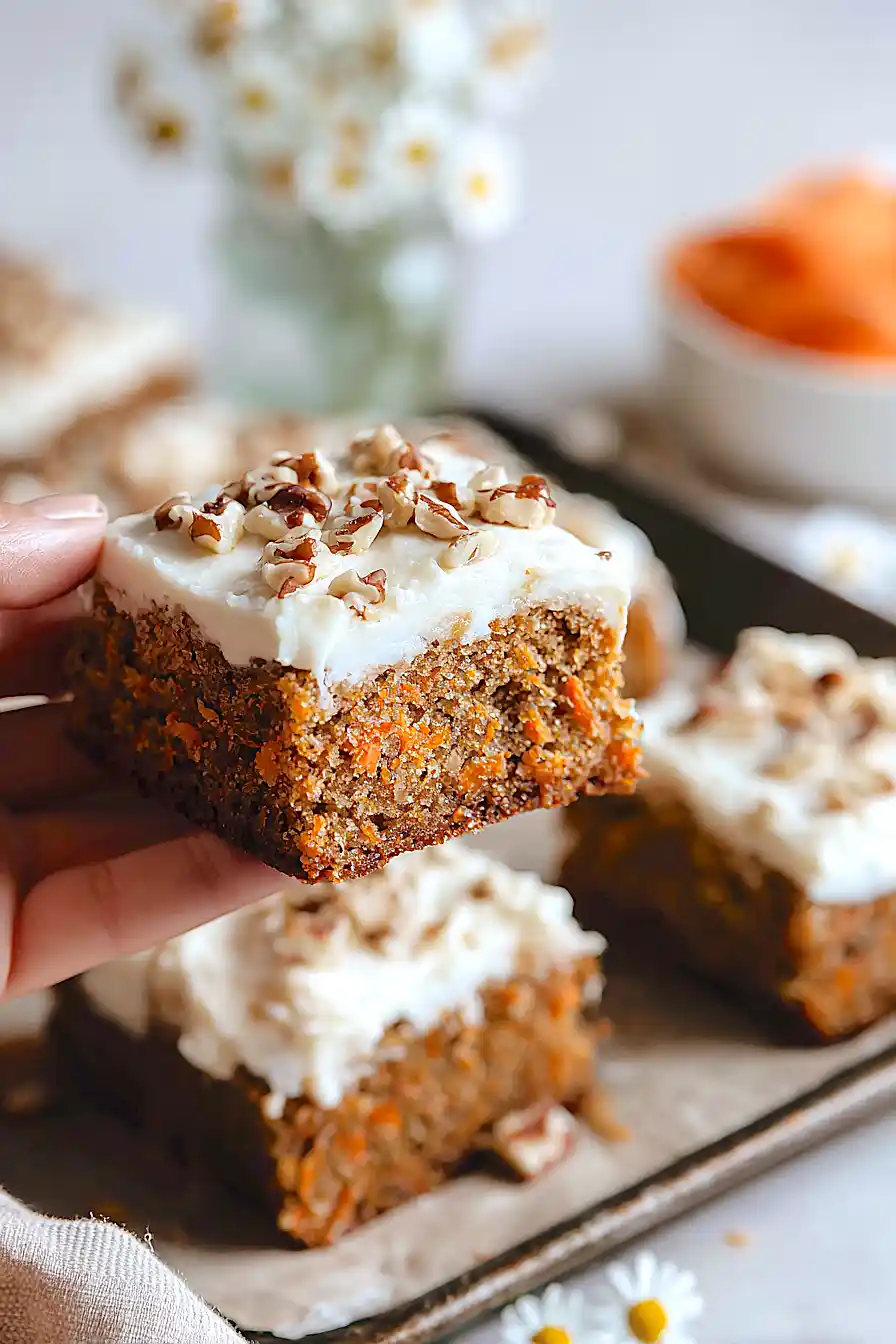
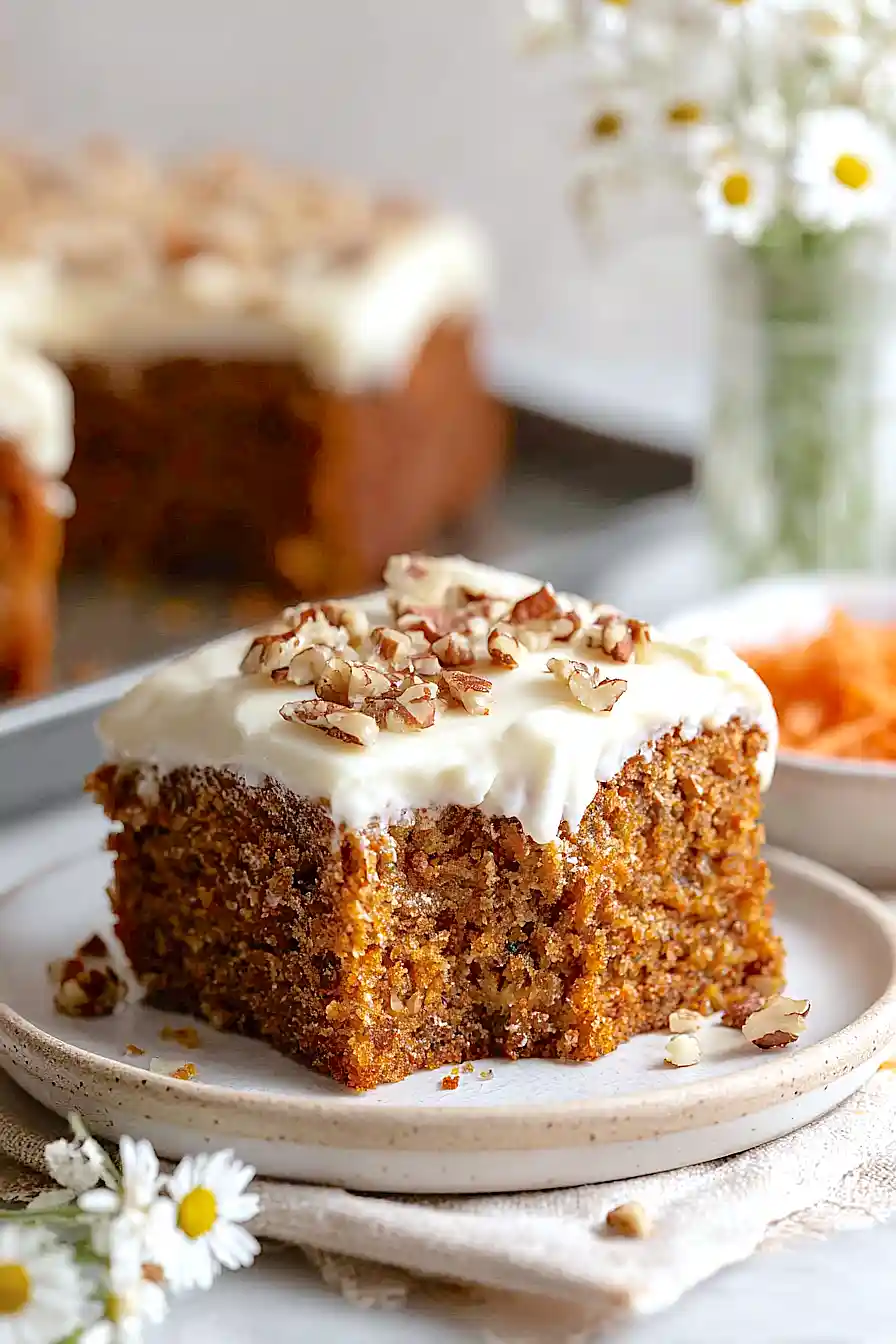
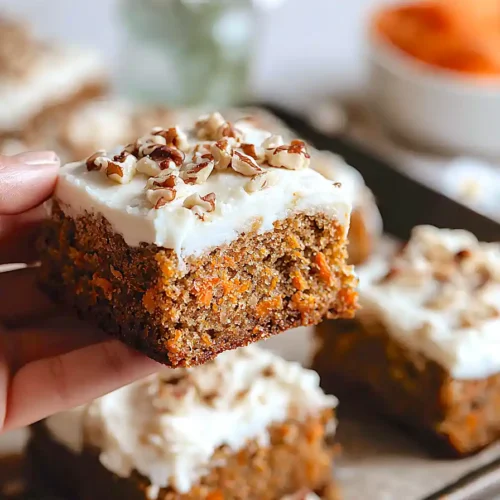
That’s where this Greek yogurt carrot cake comes in: the yogurt keeps it incredibly moist without weighing it down, the freshly grated carrots and toasted pecans add great texture, and the cream cheese frosting strikes the perfect balance between tangy and sweet.
Why You’ll Love This Greek Yogurt Carrot Cake
- Moist and tender texture – The Greek yogurt keeps this carrot cake incredibly soft and adds a subtle tang that balances the sweetness perfectly.
- Healthier twist on a classic – Using Greek yogurt means you get extra protein and moisture without needing as much oil as traditional recipes.
- Perfect for any occasion – Whether it’s a birthday celebration, holiday gathering, or just because you’re craving something sweet, this cake fits the bill every time.
- Ready in about an hour – From mixing bowl to frosted cake, you can have this homemade dessert ready in just over an hour, making it doable even on busy days.
- Crowd-pleasing flavor – The warm spices, crunchy pecans, and creamy frosting make this a cake that everyone asks for seconds of.
What Kind of Yogurt Should I Use?
For this carrot cake, plain Greek yogurt is your best bet since it adds moisture and a slight tang without making the cake too heavy. You can use full-fat, low-fat, or even fat-free Greek yogurt depending on what you have on hand, though full-fat will give you the richest texture. If you don’t have Greek yogurt, regular plain yogurt works too, but Greek yogurt is thicker and helps create a more tender crumb. Just make sure to use plain, unflavored yogurt – you don’t want vanilla or fruit flavors competing with the warm spices and carrots in your cake.
Options for Substitutions
This carrot cake recipe is pretty forgiving when it comes to swaps:
- Greek yogurt: Regular yogurt works just fine here, or you can use sour cream or even applesauce for a similar moist texture. If using applesauce, you might want to reduce the sugar slightly since it adds sweetness.
- Vegetable oil: Canola oil, melted coconut oil, or even melted butter can replace the vegetable oil. Keep in mind that butter will give you a slightly denser cake.
- Pecans: Walnuts are the classic swap for pecans in carrot cake. You can also leave them out entirely if you have nut allergies or just prefer a nut-free cake.
- Cream cheese: For the frosting, cream cheese is pretty essential to get that classic tangy flavor, so I’d recommend keeping it as is. However, you can use reduced-fat cream cheese if you prefer.
- Spices: Don’t have nutmeg? Add a pinch of ground ginger or allspice instead. You can also add a bit of ground cloves for extra warmth.
- Sugar: You can reduce the sugar in the cake by up to 1/4 cup if you prefer a less sweet cake, but I wouldn’t recommend substituting it entirely as it affects the texture.
Watch Out for These Mistakes While Baking
The biggest mistake with carrot cake is over-mixing the batter once you add the dry ingredients to the wet, which develops too much gluten and creates a dense, tough cake instead of a tender crumb – mix just until the flour disappears.
Another common error is not grating your carrots finely enough, as large chunks won’t distribute evenly and can create dry pockets in the cake, so use the smaller holes on your box grater for the best texture.
Don’t skip the toothpick test at 35 minutes, since ovens vary and overbaking will dry out your cake – it should come out with just a few moist crumbs attached, not completely clean.
Finally, make sure your cake is completely cool before frosting, otherwise the cream cheese frosting will melt and slide right off, turning your beautiful cake into a messy situation.
What to Serve With Greek Yogurt Carrot Cake?
Carrot cake is pretty rich on its own with that cream cheese frosting, so I like to keep things simple and serve it with a hot cup of coffee or tea. If you’re having people over for dessert, a scoop of vanilla ice cream on the side is always a crowd-pleaser, especially if you serve the cake slightly warm. You could also pair it with some fresh berries like strawberries or raspberries to cut through the sweetness, or even a dollop of extra Greek yogurt if you want to play up that tangy flavor. For a brunch setting, this cake works great alongside scrambled eggs and bacon for a sweet and savory spread.
Storage Instructions
Store: Keep your carrot cake covered in the fridge since it has cream cheese frosting. It’ll stay moist and delicious for up to 5 days. I actually think it tastes even better the next day once all the flavors have had time to settle in together.
Freeze: You can freeze this cake for up to 3 months, either frosted or unfrosted. If you’re freezing it with frosting, pop it in the freezer uncovered for about an hour first so the frosting firms up, then wrap it well in plastic wrap and foil. For unfrosted cake, just wrap the layers individually and frost when you’re ready to serve.
Thaw: Let frozen cake thaw in the fridge overnight, still wrapped, to prevent any condensation from making it soggy. Bring it to room temperature about 30 minutes before serving for the best flavor and texture.
| Preparation Time | 20-30 minutes |
| Cooking Time | 35-40 minutes |
| Total Time | 55-70 minutes |
| Level of Difficulty | Medium |
| Servings | 12 slices |
Estimated Nutrition
Estimated nutrition for the whole recipe (without optional ingredients):
- Calories: 4700-5100
- Protein: 55-65 g
- Fat: 240-270 g
- Carbohydrates: 590-640 g
Ingredients
For the cake:
- 2 1/4 cups flour (I always use King Arthur all-purpose flour for a consistent crumb)
- 2 1/2 tsp cinnamon
- 2 tsp baking soda
- 1/2 tsp salt
- 1/2 tsp nutmeg
- 1/4 tsp ground ginger
- 1/4 tsp baking powder
- 1 3/4 cups sugar
- 4 eggs (room temperature, about 70°F, to help the batter emulsify)
- 2/3 cup vegetable oil
- 1/2 cup yogurt (I recommend Fage 5% Greek yogurt for extra richness)
- 2 tsp vanilla
- 2 2/3 cups carrots (freshly grated on the small holes of a box grater)
For the frosting and topping:
- 1 cup pecans (toasted and chopped into 1/4-inch pieces for better crunch)
- 8 oz cream cheese (softened to room temperature to prevent lumps)
- 1/2 cup butter (I like Kerrygold unsalted butter for this frosting)
- 3 cups powdered sugar (sifted to remove lumps before mixing)
- 1 tsp vanilla
Step 1: Toast Pecans and Prepare the Pan
- 1 cup pecans
- butter or oil for greasing pan
Preheat your oven to 350°F and grease a 9×13 inch baking dish (or similar 13-cup capacity pan).
While the oven heats, spread the pecans on a separate baking sheet and toast them for 8 to 12 minutes, stirring halfway through, until fragrant and lightly browned.
Remove from the oven and let cool completely on the baking sheet—this prevents them from continuing to cook and becoming bitter.
Once cooled, chop them into roughly 1/4-inch pieces and set aside.
Step 2: Combine Dry Ingredients and Prepare Carrots
- 2 1/4 cups flour
- 2 1/2 tsp cinnamon
- 2 tsp baking soda
- 1/2 tsp salt
- 1/2 tsp nutmeg
- 1/4 tsp ground ginger
- 1/4 tsp baking powder
- 2 2/3 cups carrots
In a medium bowl, whisk together the flour, cinnamon, baking soda, salt, nutmeg, baking powder, and ginger.
This ensures the leavening agents and spices are evenly distributed throughout the cake.
While you’re doing this, use a box grater’s small holes to grate the carrots, measuring out 2 2/3 cups.
I like to grate them just before mixing so they stay fresh and release their moisture at the right time.
Step 3: Create the Wet Ingredient Base
- 1 3/4 cups sugar
- 4 eggs
- 2/3 cup vegetable oil
- 1/2 cup Greek yogurt
- 2 tsp vanilla
In a large mixing bowl, whisk together the sugar and room-temperature eggs until well combined and slightly pale, about 1 to 2 minutes.
This helps aerate the batter and creates a lighter crumb.
Whisk in the vegetable oil, Greek yogurt, and vanilla until fully incorporated and smooth.
The room-temperature eggs are essential—they emulsify much better than cold eggs and create a more cohesive batter.
Step 4: Combine and Fold in Ingredients
- dry ingredient mixture from Step 2
- wet ingredient mixture from Step 3
- grated carrots from Step 2
- toasted pecans from Step 1
Add the dry ingredient mixture from Step 2 to the wet ingredients from Step 3 and stir until just combined—don’t overmix, as this can develop too much gluten and make the cake tough.
Fold in the grated carrots and toasted pecans from Step 1 with a final few gentle folds to distribute them evenly.
Pour the batter into your prepared pan and smooth the top gently.
Step 5: Bake the Cake
Bake at 350°F for 35 to 40 minutes, until a toothpick inserted in the center comes out with just a few moist crumbs (not wet batter).
The cake should be golden brown and spring back lightly when touched.
Remove from the oven and let it cool completely in the pan before frosting—this prevents the frosting from melting and sliding off.
Step 6: Prepare the Cream Cheese Frosting
- 8 oz cream cheese
- 1/2 cup butter
- 3 cups powdered sugar
- 1 tsp vanilla
While the cake cools, make the frosting by beating the softened cream cheese and butter together in a medium bowl with an electric mixer for about 2 minutes until smooth and creamy.
Gradually add the sifted powdered sugar and vanilla, beating on medium speed until light and fluffy, about 3 to 4 minutes.
I always sift the powdered sugar before adding it to prevent lumps—this extra step makes the frosting silky smooth and easier to spread.
Step 7: Frost and Garnish the Cake
- cream cheese frosting from Step 6
- toasted pecans from Step 1
Once the cooled cake is ready, spread the frosting evenly over the top using an offset spatula or the back of a spoon.
Sprinkle the toasted pecans from Step 1 over the frosting, pressing them gently so they stick.
Cut into squares and serve at room temperature or refrigerated, depending on your preference.
Simple Greek Yogurt Carrot Cake
Ingredients
For the cake::
- 2 1/4 cups flour (I always use King Arthur all-purpose flour for a consistent crumb)
- 2 1/2 tsp cinnamon
- 2 tsp baking soda
- 1/2 tsp salt
- 1/2 tsp nutmeg
- 1/4 tsp ground ginger
- 1/4 tsp baking powder
- 1 3/4 cups sugar
- 4 eggs (room temperature, about 70°F, to help the batter emulsify)
- 2/3 cup vegetable oil
- 1/2 cup yogurt (I recommend Fage 5% Greek yogurt for extra richness)
- 2 tsp vanilla
- 2 2/3 cups carrots (freshly grated on the small holes of a box grater)
For the frosting and topping::
- 1 cup pecans (toasted and chopped into 1/4-inch pieces for better crunch)
- 8 oz cream cheese (softened to room temperature to prevent lumps)
- 1/2 cup butter (I like Kerrygold unsalted butter for this frosting)
- 3 cups powdered sugar (sifted to remove lumps before mixing)
- 1 tsp vanilla
Instructions
- Preheat your oven to 350°F and grease a 9x13 inch baking dish (or similar 13-cup capacity pan). While the oven heats, spread the pecans on a separate baking sheet and toast them for 8 to 12 minutes, stirring halfway through, until fragrant and lightly browned. Remove from the oven and let cool completely on the baking sheet—this prevents them from continuing to cook and becoming bitter. Once cooled, chop them into roughly 1/4-inch pieces and set aside.
- In a medium bowl, whisk together the flour, cinnamon, baking soda, salt, nutmeg, baking powder, and ginger. This ensures the leavening agents and spices are evenly distributed throughout the cake. While you're doing this, use a box grater's small holes to grate the carrots, measuring out 2 2/3 cups. I like to grate them just before mixing so they stay fresh and release their moisture at the right time.
- In a large mixing bowl, whisk together the sugar and room-temperature eggs until well combined and slightly pale, about 1 to 2 minutes. This helps aerate the batter and creates a lighter crumb. Whisk in the vegetable oil, Greek yogurt, and vanilla until fully incorporated and smooth. The room-temperature eggs are essential—they emulsify much better than cold eggs and create a more cohesive batter.
- Add the dry ingredient mixture from Step 2 to the wet ingredients from Step 3 and stir until just combined—don't overmix, as this can develop too much gluten and make the cake tough. Fold in the grated carrots and toasted pecans from Step 1 with a final few gentle folds to distribute them evenly. Pour the batter into your prepared pan and smooth the top gently.
- Bake at 350°F for 35 to 40 minutes, until a toothpick inserted in the center comes out with just a few moist crumbs (not wet batter). The cake should be golden brown and spring back lightly when touched. Remove from the oven and let it cool completely in the pan before frosting—this prevents the frosting from melting and sliding off.
- While the cake cools, make the frosting by beating the softened cream cheese and butter together in a medium bowl with an electric mixer for about 2 minutes until smooth and creamy. Gradually add the sifted powdered sugar and vanilla, beating on medium speed until light and fluffy, about 3 to 4 minutes. I always sift the powdered sugar before adding it to prevent lumps—this extra step makes the frosting silky smooth and easier to spread.
- Once the cooled cake is ready, spread the frosting evenly over the top using an offset spatula or the back of a spoon. Sprinkle the toasted pecans from Step 1 over the frosting, pressing them gently so they stick. Cut into squares and serve at room temperature or refrigerated, depending on your preference.