I used to think pork tenderloin was one of those fancy cuts of meat that only restaurants could cook properly. Every time I tried it at home, it came out either dry as cardboard or undercooked in the middle.
Turns out I was just overthinking it. Pork tenderloin is actually one of the easiest cuts to work with once you know the basics. The key is understanding that this lean cut cooks fast and needs just a little attention to turn out juicy and tender every time.
Why You’ll Love This Pork Tenderloin
- Quick weeknight dinner – Ready in under an hour, this pork tenderloin is perfect when you want something special but don’t have all day to cook.
- Simple seasoning blend – With just a handful of pantry staples like paprika, Italian seasoning, and lemon, you’ll create a flavorful main dish without any fuss.
- Tender, juicy results – Pork tenderloin is naturally lean and cooks quickly in the oven, giving you perfectly moist meat every time when you follow the right technique.
- Impressive but easy – This recipe looks fancy enough for company but is simple enough for a regular Tuesday night dinner with the family.
- Healthy protein option – Lean pork tenderloin is packed with protein and pairs well with roasted vegetables or a simple salad for a balanced meal.
What Kind of Pork Tenderloin Should I Use?
When shopping for pork tenderloin, you’ll want to look for pieces that are similar in size so they cook evenly – most tenderloins at the grocery store come in packages of two. Fresh pork tenderloin is your best bet, but frozen works too as long as you thaw it completely in the refrigerator before cooking. Look for meat that’s pinkish-red in color without any gray spots, and make sure to trim off the thin silver skin that runs along the outside before seasoning. If your tenderloin has a thicker end and a thinner end, you can tuck the thin end under itself to create more even thickness for consistent cooking.
Options for Substitutions
This simple pork tenderloin recipe is pretty forgiving when it comes to swaps:
- Pork tenderloin: If you can’t find tenderloin, pork loin works too – just adjust your cooking time since it’s a thicker cut. Chicken breast or turkey tenderloin are also good alternatives if you prefer poultry.
- Italian seasoning: No Italian seasoning blend? Mix together dried basil, oregano, thyme, and rosemary in equal parts. Or use herbs de Provence for a slightly different flavor profile.
- Paprika: Regular paprika can be swapped with smoked paprika for a deeper flavor, or use garlic powder if you don’t have any paprika on hand.
- Lemon juice: Fresh lemon is best, but bottled lemon juice works in a pinch. You can also substitute with lime juice or white wine vinegar for that acidic brightness.
- Butter: If you’re out of butter, use additional olive oil or try ghee for a nutty flavor. The butter helps with browning and richness, so don’t skip the fat entirely.
- Olive oil: Any neutral cooking oil like vegetable or canola oil will work just fine for searing the meat.
Watch Out for These Mistakes While Cooking
The biggest mistake when cooking pork tenderloin is overcooking it, which turns this naturally tender cut into a dry, chewy disappointment – always use a meat thermometer and remove it from the oven when it hits 145°F, then let it rest for 5 minutes to reach the safe temperature of 160°F.
Don’t skip searing the tenderloin in a hot oven-safe skillet before transferring to the oven, as this step creates a golden crust that locks in juices and adds flavor.
Another common error is not letting the meat rest after cooking – cutting into it immediately causes all those precious juices to run out onto your cutting board instead of staying in the meat.
For even better results, try brining the pork for 2-4 hours before cooking, or if you’re short on time, let it sit with the seasoning rub for at least 30 minutes to allow the flavors to penetrate the meat.
What to Serve With Pork Tenderloin?
This juicy pork tenderloin pairs beautifully with roasted vegetables like Brussels sprouts, carrots, or asparagus that can cook right alongside it in the oven. Mashed potatoes or garlic mashed cauliflower make perfect sides to soak up those tasty pan juices, while a simple rice pilaf or wild rice also works great. For something fresh, try a crisp apple and arugula salad with a light vinaigrette to balance out the rich, savory flavors of the pork. Don’t forget some crusty dinner rolls or garlic bread to round out the meal!
Storage Instructions
Refrigerate: Leftover pork tenderloin keeps really well in the fridge for up to 4 days when stored in an airtight container. I like to slice it up before storing since it makes it easier to grab for quick lunches or dinner additions. It’s perfect for adding to salads or making sandwiches throughout the week.
Freeze: You can freeze cooked pork tenderloin for up to 3 months in freezer-safe bags or containers. I recommend slicing it first and laying the pieces flat in freezer bags with parchment paper between slices. This way you can thaw just what you need instead of the whole thing.
Warm Up: To reheat, place slices in a covered dish with a splash of broth or water and warm in the oven at 325°F until heated through. You can also use the microwave on medium power, but be careful not to overcook it since pork can dry out quickly when reheated.
| Preparation Time | 10-15 minutes |
| Cooking Time | 30-35 minutes |
| Total Time | 40-50 minutes |
| Level of Difficulty | Easy |
Estimated Nutrition
Estimated nutrition for the whole recipe (without optional ingredients):
- Calories: 1500-1700
- Protein: 180-200 g
- Fat: 85-95 g
- Carbohydrates: 3-5 g
Ingredients
- 1/2 tsp smoked paprika (adds depth and color)
- 1 lemon, juiced (about 3 tbsp fresh juice)
- 1 tbsp olive oil (I use extra virgin for better flavor)
- 1 tsp ground black pepper (freshly ground for more flavor)
- 2 lb pork tenderloin (trimmed of silver skin for tender texture)
- 1 tsp Italian herb blend (or dried oregano and basil mixed)
- 1 tsp salt (kosher salt preferred for even seasoning)
- 4 tbsp unsalted butter (I like Kerrygold for richness)
Step 1: Prepare the Pork and Create the Seasoning Blend
- 2 lb pork tenderloin
- 1/2 tsp smoked paprika
- 1 tsp Italian herb blend
- 1 tsp salt
- 1 tsp ground black pepper
Start by preheating your oven to 400°F.
While it heats, pat the trimmed pork tenderloin dry with paper towels—this helps the seasoning adhere better and promotes even cooking.
In a small bowl, combine the smoked paprika, Italian herb blend, salt, and freshly ground black pepper.
Mix these spices together thoroughly so they’re evenly distributed; this creates a more balanced flavor profile than sprinkling them separately.
Step 2: Season and Layer Flavors on the Pork
- seasoning blend from Step 1
- 1 tbsp olive oil
- 1 lemon, juiced
Place the pork tenderloin on a large piece of heavy-duty foil (or a foil-lined sheet pan).
Drizzle the olive oil over the entire surface and rub it in with your hands to coat evenly—the oil creates a barrier that helps the pork stay moist during cooking.
Sprinkle the seasoning blend from Step 1 generously over all sides of the pork, pressing gently so it adheres.
Pour the fresh lemon juice over the top, which will add brightness and help tenderize the meat.
I like to use fresh-squeezed lemon juice rather than bottled because it makes a noticeable difference in the final flavor.
Step 3: Wrap and Bake the Pork
- 4 tbsp unsalted butter
Dot the top of the pork with small pieces of butter—I use about 3 tablespoons scattered across the surface—which will melt during cooking and create a rich, flavorful sauce.
Wrap the pork tightly in the foil, sealing all edges completely to trap steam and moisture inside.
Place the foil packet on a baking sheet and transfer it to your preheated 400°F oven.
Bake for 25-30 minutes until the internal temperature reaches 145°F when measured at the thickest part with a meat thermometer.
Remember that pork continues to cook slightly after removal, so don’t overcook it or it will become dry.
Step 4: Finish with a Golden Broil and Serve
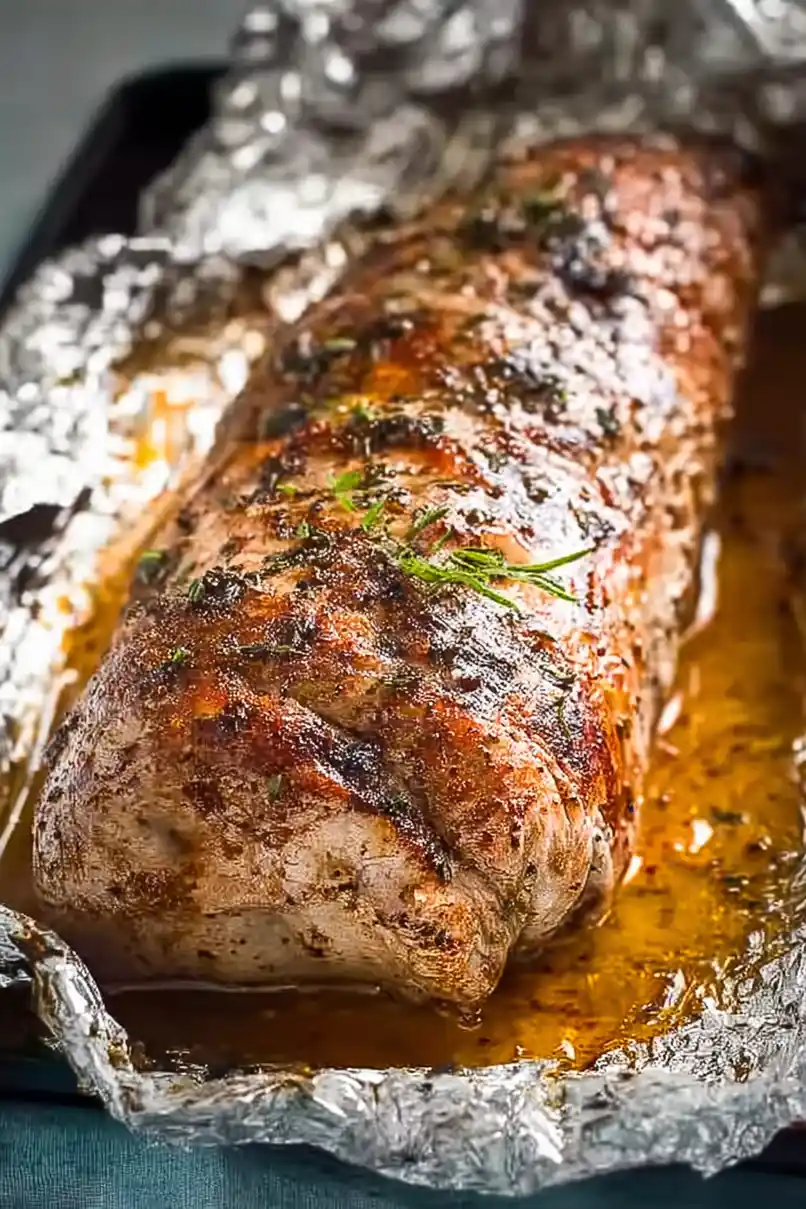
Carefully open the foil packet (watch out for the hot steam) and transfer the pork to a broiler-safe pan or leave it on the baking sheet.
Broil on high for 3-4 minutes to give the top a golden, caramelized crust and deepen the paprika’s color—this finishing step adds visual appeal and a slight textural contrast.
Remove from the broiler and let the pork rest for 5 minutes before slicing; this allows the juices to redistribute throughout the meat, keeping each slice tender and juicy.
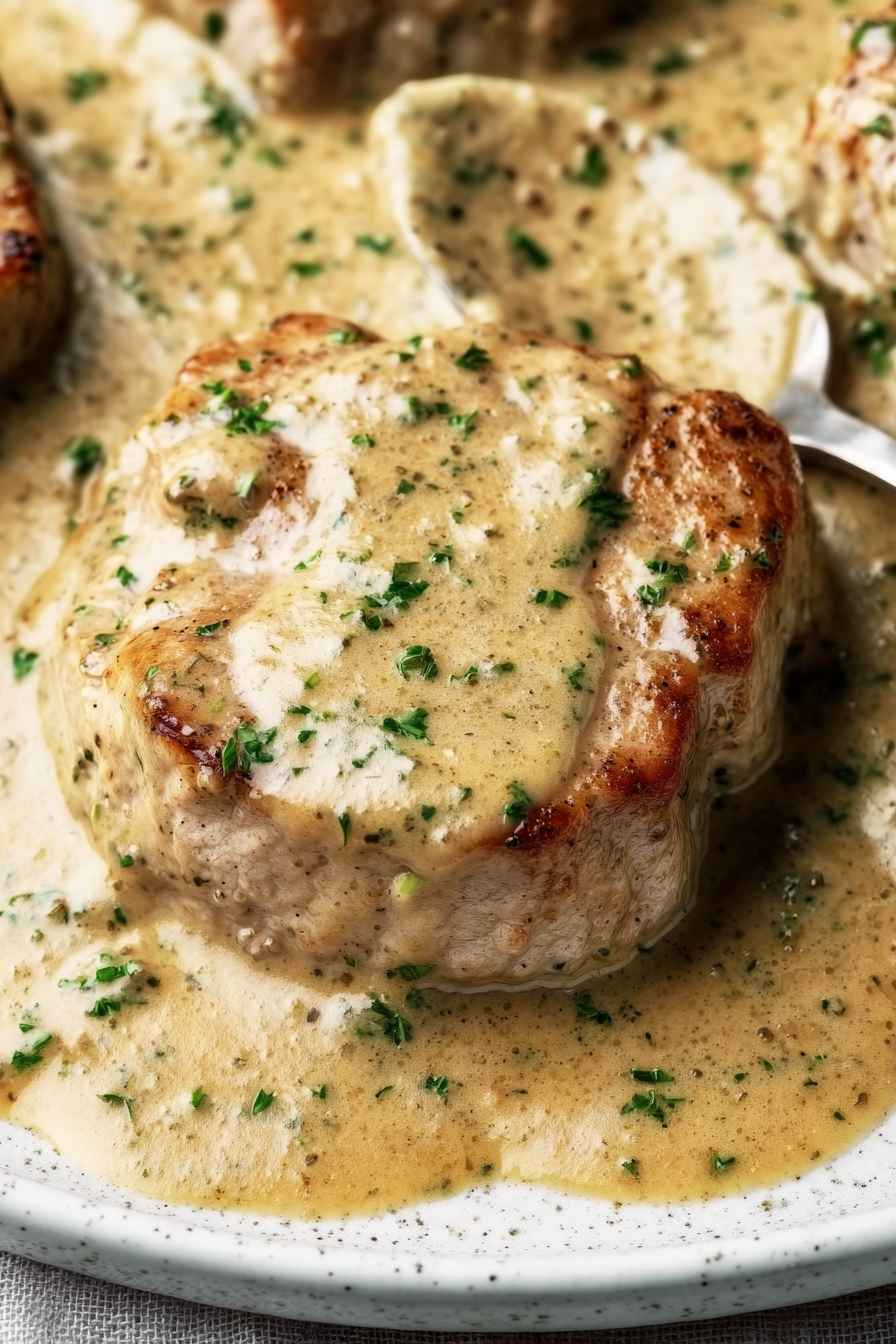
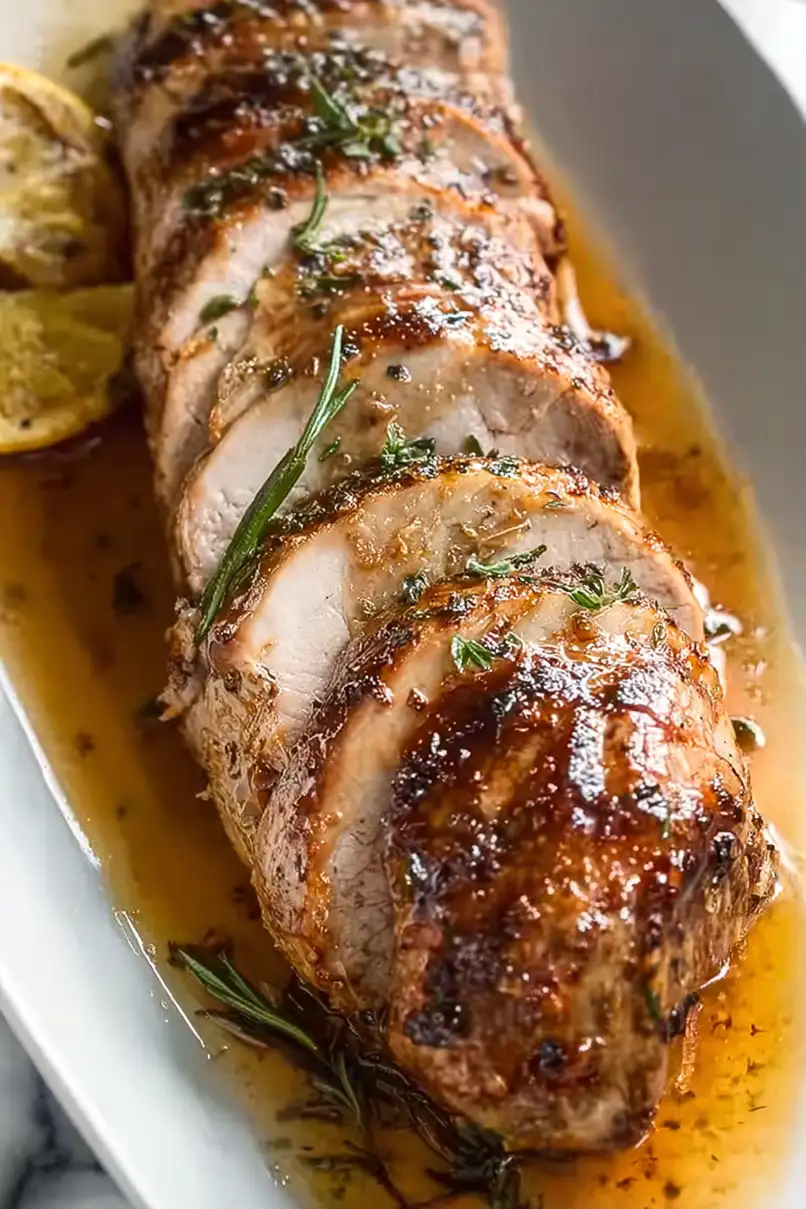
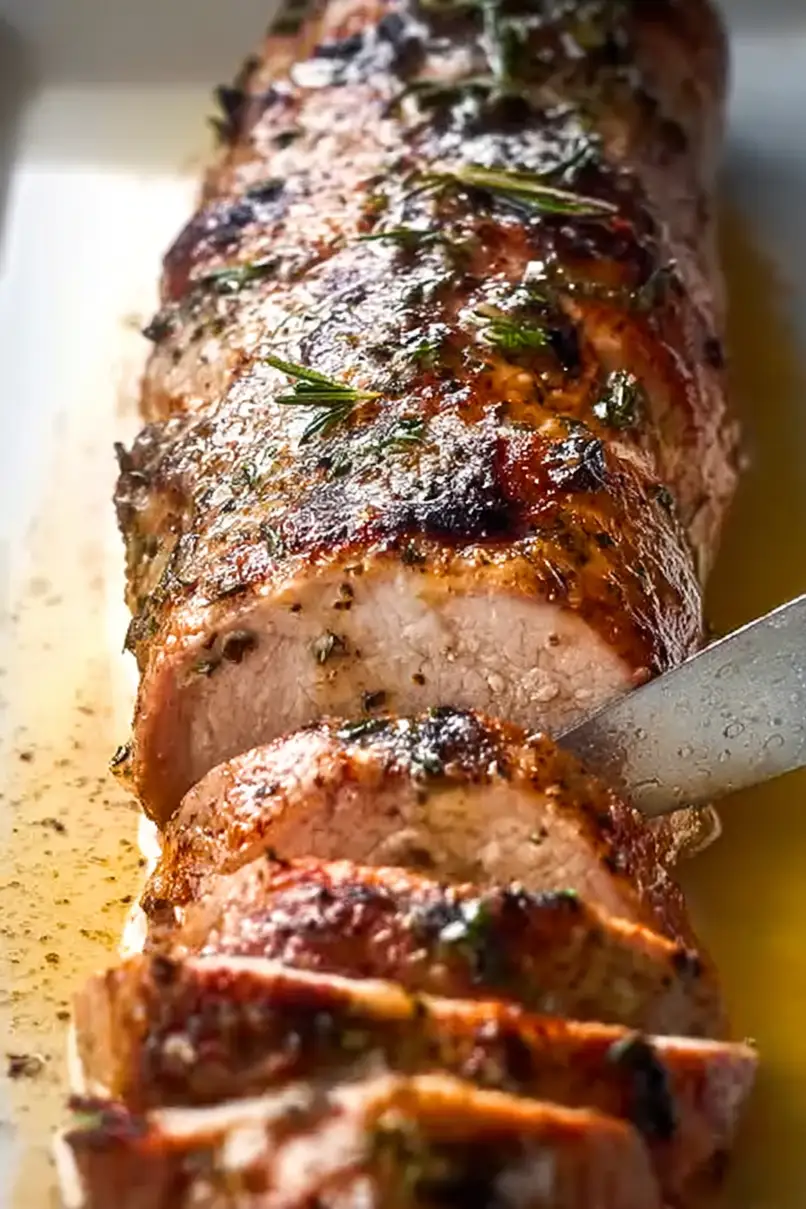
Slice against the grain into half-inch-thick pieces and serve with the pan juices drizzled over top.