Making your own sandwich rolls might seem like something best left to professional bakers, especially when you’re juggling work deadlines and family commitments. After all, most of us barely find time to grab dinner on busy weeknights, let alone tackle homemade bread projects – and that sourdough discard in your fridge isn’t making things any easier.
But these sourdough discard hoagie rolls are a game-changer: they’re straightforward to make, help reduce food waste, and give you that fresh-baked bread experience without requiring expert-level baking skills or hours of hands-on time.
Why You’ll Love These Hoagie Rolls
- No-waste baking – These rolls put your sourdough discard to good use, so you never have to throw away excess starter again.
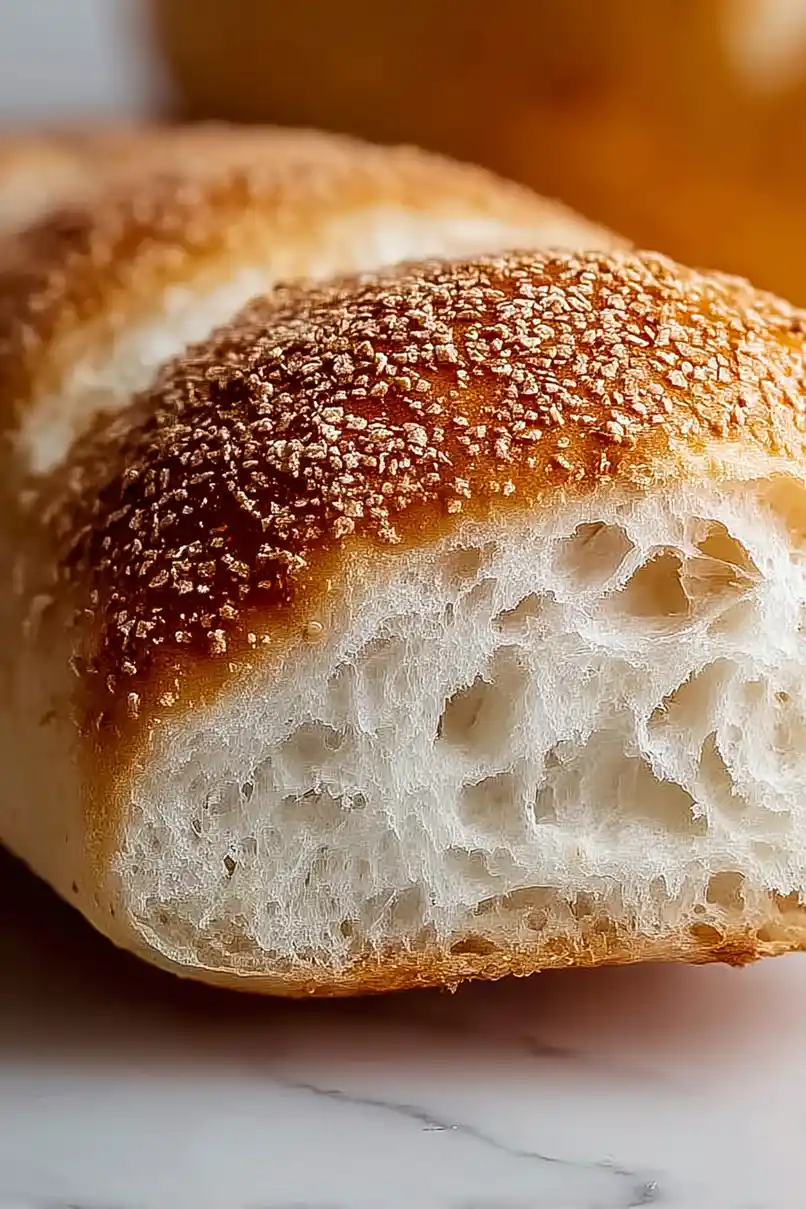
- Perfect sandwich texture – The combination of bread flour and all-purpose flour creates rolls with a chewy crust and soft interior that’s ideal for any sandwich filling.
- Quick turnaround time – Unlike traditional sourdough recipes that take days, these rolls are ready in just 2 hours while still giving you that wonderful sourdough flavor.
- Cost-effective – Making your own hoagie rolls at home costs a fraction of what you’d pay at the bakery, and they taste even better fresh from your oven.
- Customizable – The basic recipe works great as is, but you can easily add different toppings like sesame seeds or poppy seeds instead of corn grits.
What Kind of Sourdough Discard Should I Use?
When it comes to sourdough discard, you’ve got plenty of flexibility for this recipe. You can use discard that’s been stored in the fridge for up to a week, or even freshly discarded starter that hasn’t been fed – both will work great since we’re also using commercial yeast here. The discard doesn’t need to be at peak activity since it’s mainly adding flavor rather than providing the rise. Just make sure your discard isn’t too old or showing any signs of mold, and give it a quick stir before measuring as the liquid tends to separate when stored. If you’re new to sourdough, don’t stress too much about the exact timing of when you last fed your starter before using the discard in this recipe.
Options for Substitutions
While some ingredients are key for these rolls, there’s still room for some helpful substitutions:
- Sourdough discard: This is pretty important for the flavor and texture, but if you’re completely out, you can replace it with 1 cup of Greek yogurt or buttermilk. Keep in mind this will change the classic sourdough taste.
- Bread flour: For best results, don’t skip the bread flour – it’s crucial for that chewy hoagie texture. But in a pinch, you can use all all-purpose flour; just know your rolls won’t be quite as chewy.
- Vegetable oil: Feel free to swap this with any neutral oil like canola, sunflower, or even light olive oil. Melted butter works too, though it might make the rolls slightly richer.
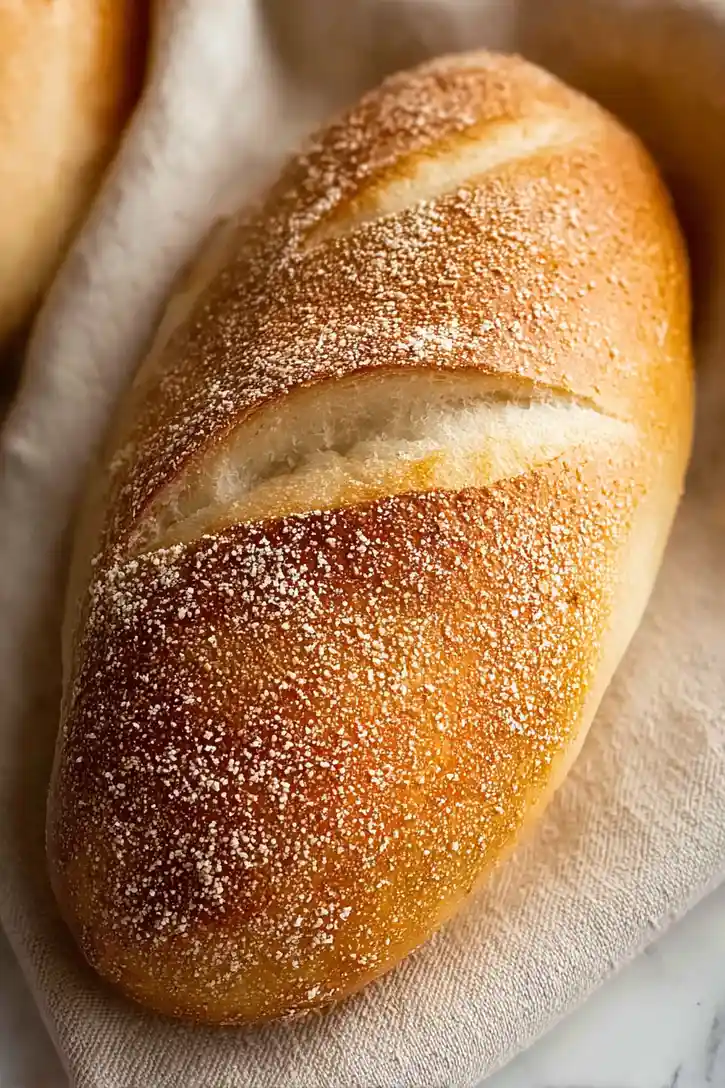
- Corn grits: For the topping, you can use cornmeal, semolina, or even sesame seeds instead. Or skip the topping altogether – the rolls will still be great!
- Active dry yeast: You can use instant yeast instead – just reduce the amount to 1½ tablespoons and skip the proofing step in warm water.
Watch Out for These Mistakes While Baking
The temperature of your water is crucial when making these hoagie rolls – too hot will kill the yeast, while too cold won’t activate it properly, so aim for water that feels warm but not hot to the touch (around 105-110°F). Working with sourdough discard can be tricky, but make sure your discard is at room temperature before mixing it into the dough, as cold discard can slow down the fermentation process and affect the final texture of your rolls. When shaping the rolls, avoid the common mistake of not creating enough surface tension – proper shaping with a tight outer skin will help your rolls hold their shape and rise upward instead of spreading outward during baking. For the best crust development, don’t skip creating steam in your oven by placing a pan of hot water on the bottom rack while baking, and resist the urge to cut into the rolls right away – letting them cool for at least 20 minutes allows the crumb structure to set properly.
What to Serve With Hoagie Rolls?
Fresh hoagie rolls are perfect for creating all kinds of tasty sandwiches! Load them up with classic Italian cold cuts, provolone cheese, shredded lettuce, tomatoes, and a drizzle of oil and vinegar for a traditional Italian sub. These rolls are also great for hot sandwiches – try filling them with meatballs and marinara sauce, or make a Philly cheesesteak with sautéed onions and melted cheese. For a simple lunch option, you can slice them in half and serve them alongside a bowl of soup or a fresh garden salad. The slightly tangy flavor from the sourdough discard makes these rolls extra special no matter how you use them.
Storage Instructions
Keep Fresh: These hoagie rolls stay fresh at room temperature for up to 2 days when stored in a paper bag or bread box. The paper bag helps maintain that perfect crusty exterior while keeping the inside soft. If you’re not planning to eat them within 2 days, it’s best to freeze them.
Freeze: These rolls are perfect for freezing! Let them cool completely, then pop them into a freezer bag, squeeze out the air, and freeze for up to 3 months. I like to slice them before freezing so they’re ready to go when I need them for sandwiches.
Refresh: To bring back that fresh-baked taste, just pop a frozen roll in a 350°F oven for about 5-7 minutes. If you’re using room temperature rolls that have gotten a bit firm, sprinkle them with a little water and heat for 3-5 minutes – they’ll taste almost like fresh-baked!
| Preparation Time | 15-20 minutes |
| Cooking Time | 18-20 minutes |
| Total Time | 1.5-2 hours |
| Level of Difficulty | Medium |
Estimated Nutrition
Estimated nutrition for the whole recipe (without optional ingredients):
- Calories: 2100-2300
- Protein: 40-50 g
- Fat: 80-90 g
- Carbohydrates: 350-370 g
Ingredients
- 2 1/2 cups all-purpose flour (I use King Arthur all-purpose)
- 1/4 cup sugar
- 1/3 cup vegetable oil (or neutral oil like canola)
- 2 tbsp active dry yeast (or instant yeast for faster rise)
- corn grits for topping (creates a crispy, rustic crust)
- 2 cups warm water (110°F for optimal yeast activation)
- 2 1/2 cups bread flour (for better structure and chew)
- 2 tsp salt
- 1 cup sourdough starter discard (room temperature)
Step 1: Bloom the Yeast and Combine Wet Ingredients
- 2 tbsp active dry yeast
- 1/4 cup sugar
- 2 cups warm water
- 1 cup sourdough starter discard
- 1/3 cup vegetable oil
In a large mixing bowl, combine the warm water with the active dry yeast and sugar, stirring gently to dissolve.
Let this mixture sit for about 5 minutes to allow the yeast to activate and become foamy—this ensures your yeast is alive and ready to work.
Add the room-temperature sourdough starter discard and vegetable oil to the bloomed yeast mixture, stirring until well combined.
I find that letting the yeast bloom separately gives you a safety net to verify it’s active before committing all your ingredients.
Step 2: Mix and Knead the Dough
- wet ingredient mixture from Step 1
- 2 1/2 cups all-purpose flour
- 2 1/2 cups bread flour
- 2 tsp salt
Add both flours and salt to the wet ingredients in your mixer bowl.
Using a dough hook attachment, mix on low speed for about 1 minute to bring everything together into a shaggy mass, then increase speed to medium and knead for 5 minutes until the dough becomes smooth, elastic, and pulls away from the sides of the bowl.
The dough should be slightly sticky but manageable—this indicates proper gluten development.
I like to do this in a stand mixer since the dough is quite wet, but you can also knead by hand if you prefer.
Step 3: First Rise and Bulk Fermentation
- dough from Step 2
Transfer the kneaded dough to a lightly oiled bowl, turning it to coat all sides with oil to prevent drying.
Cover the bowl with plastic wrap or a damp towel and let it rise at room temperature for 1 to 1.5 hours, until doubled in size.
During this time, the yeast ferments the dough and develops flavor while the gluten continues to strengthen, creating a more open crumb structure.
Step 4: Divide, Shape, and Prepare for Second Rise
- risen dough from Step 3
Turn the risen dough out onto a lightly floured surface and gently divide it into 8 equal portions using a bench scraper or knife.
Working with one piece at a time, gently press out excess air and shape each piece into an oblong hoagie roll shape, about 5-6 inches long, by rolling and tucking the dough under to create tension on the surface.
Arrange the shaped rolls on parchment-lined baking sheets, spacing them about 2 inches apart to allow for expansion.
Step 5: Second Rise with Toppings
- shaped rolls from Step 4
- corn grits for topping
Cover the shaped rolls loosely with plastic wrap or a damp towel and let them rise for 45 minutes at room temperature until puffy and nearly doubled.
Meanwhile, preheat your oven to 400°F.
About 5 minutes before baking, brush each roll generously with water using a pastry brush, then sprinkle corn grits over the top to create that crispy, rustic crust texture.
Using a sharp knife or bread lame, make a single decisive slash down the center of each roll at a slight angle—this controls how the bread expands and creates a beautiful bakery appearance.
Step 6: Bake Until Golden Brown
- prepared rolls from Step 5
Bake the rolls at 400°F for 18-20 minutes, until they’re deeply golden brown on top and sound hollow when tapped on the bottom.
The rolls should have good color and the corn grits should be crispy and adhered to the crust.
If they’re browning too quickly, you can tent them loosely with foil for the last few minutes, though this is rarely necessary.
Step 7: Cool and Enjoy
- baked rolls from Step 6
Transfer the baked hoagie rolls to a wire cooling rack immediately after removing them from the oven.
Let them cool for at least 10-15 minutes before slicing or serving—this allows the interior crumb to set and gives you a better texture.
The residual heat continues to evaporate moisture and firms up the crust, giving you that satisfying crunch when you bite into them.






Is this dough supposed to be super sticky? I had a hard time shaping due to it sticking all over my hands! Otherwise really really good!!
What other oil besides vegetable oil can I use
What do you mean by website
I’m wondering if many others needed to add flour as mine was very sticky? I added another half cup of flour and it’s still very sticky…