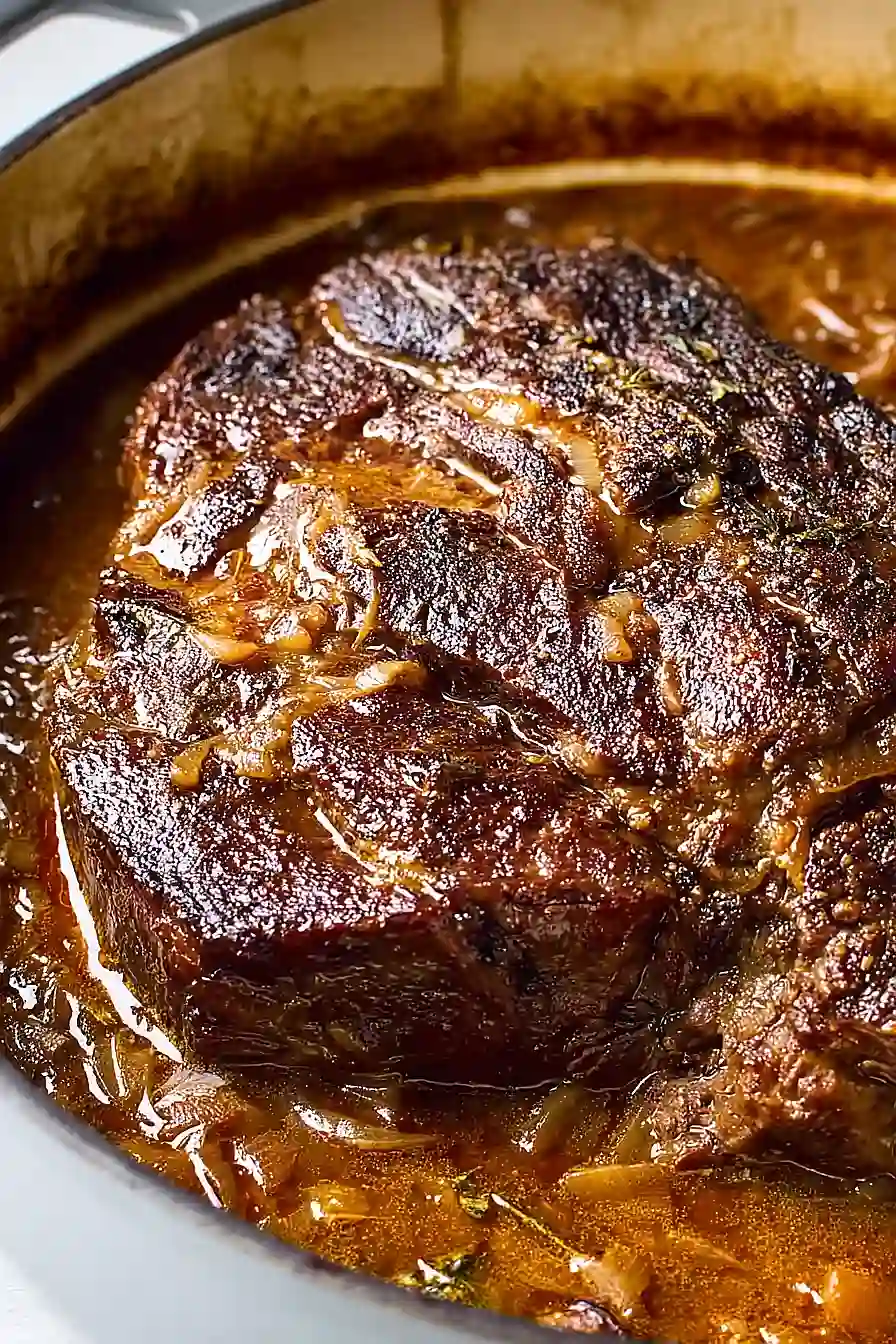
Fall dinners are some of my favorite meals to make. There’s something about the cooler weather that makes me want to spend more time in the kitchen. But I don’t want to be stuck cooking for hours when my family is hungry and ready to eat.
That’s why this apple cider pork tenderloin is my go-to recipe when I want something that tastes fancy but doesn’t take all day. The pork cooks quickly, and the apple cider creates this amazing sauce that makes the whole house smell like autumn. I can get dinner on the table in about 30 minutes, which leaves me more time to actually enjoy the meal with my kids.
Want something cozy but not complicated? This recipe has you covered. Prefer your fall flavors sweet or savory? This hits both notes perfectly. Honestly, it’s become our new Sunday dinner tradition.
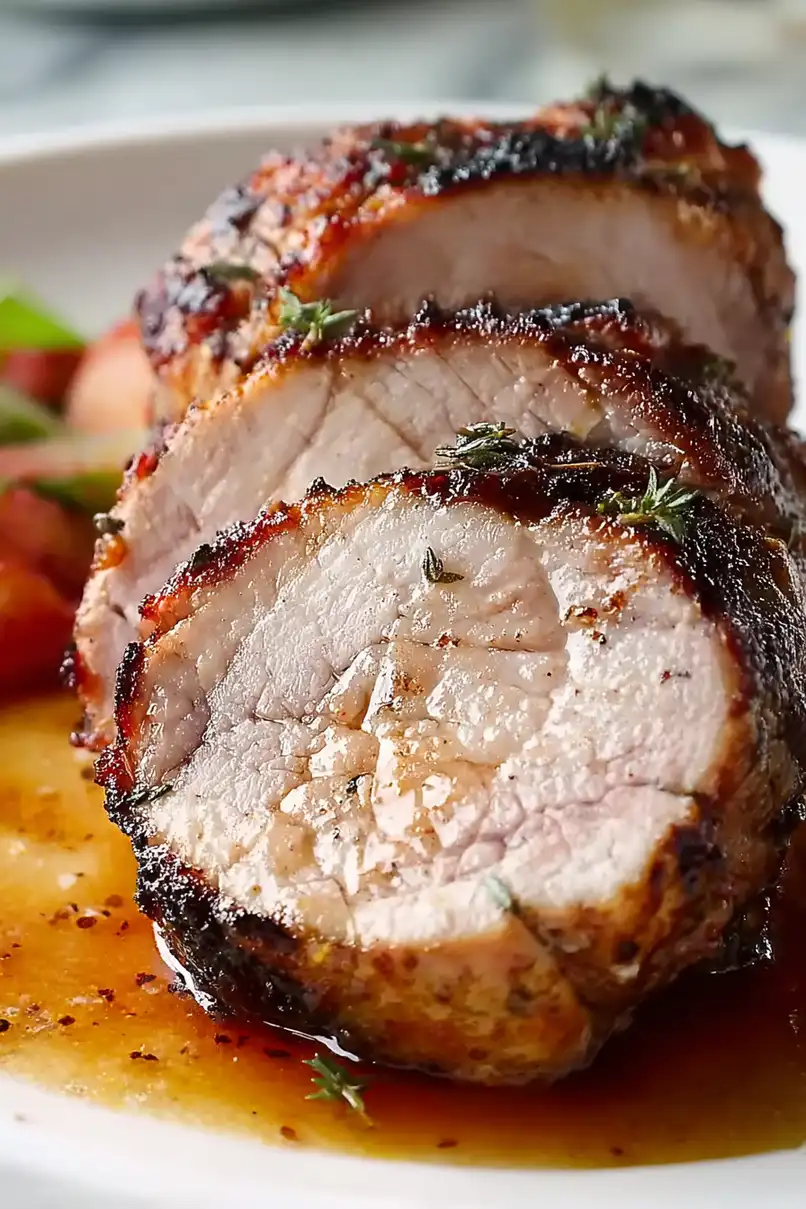
Why You’ll Love This Apple Cider Pork Tenderloin
- Sweet and savory flavor combination – The apple cider and brown sugar create a perfect balance with the Dijon mustard, giving you a restaurant-quality taste at home.
- Tender, juicy results – The long marinating and cooking process ensures your pork tenderloin comes out incredibly tender and full of flavor every single time.
- Simple ingredient list – You probably have most of these pantry staples already, making this an easy recipe to add to your dinner rotation.
- Perfect for meal prep – Since it takes time to marinate anyway, you can prep this ahead of time and have a fancy dinner ready with minimal effort on busy weeknights.
- Impressive presentation – This dish looks and tastes like something you’d order at a nice restaurant, making it perfect for entertaining guests or special family dinners.
What Kind of Pork Tenderloin Should I Use?
When shopping for pork tenderloin, you’ll want to look for pieces that are roughly the same size so they cook evenly – most tenderloins at the grocery store come in packages with two pieces that weigh about 1 to 1.5 pounds total. Fresh pork tenderloin is your best bet, but frozen works too as long as you thaw it completely in the refrigerator overnight. Make sure to trim off any visible silver skin (that thin, shiny membrane) before cooking, as it can make the meat tough. If you can only find smaller tenderloins, just adjust your cooking time accordingly since thinner pieces will cook faster.
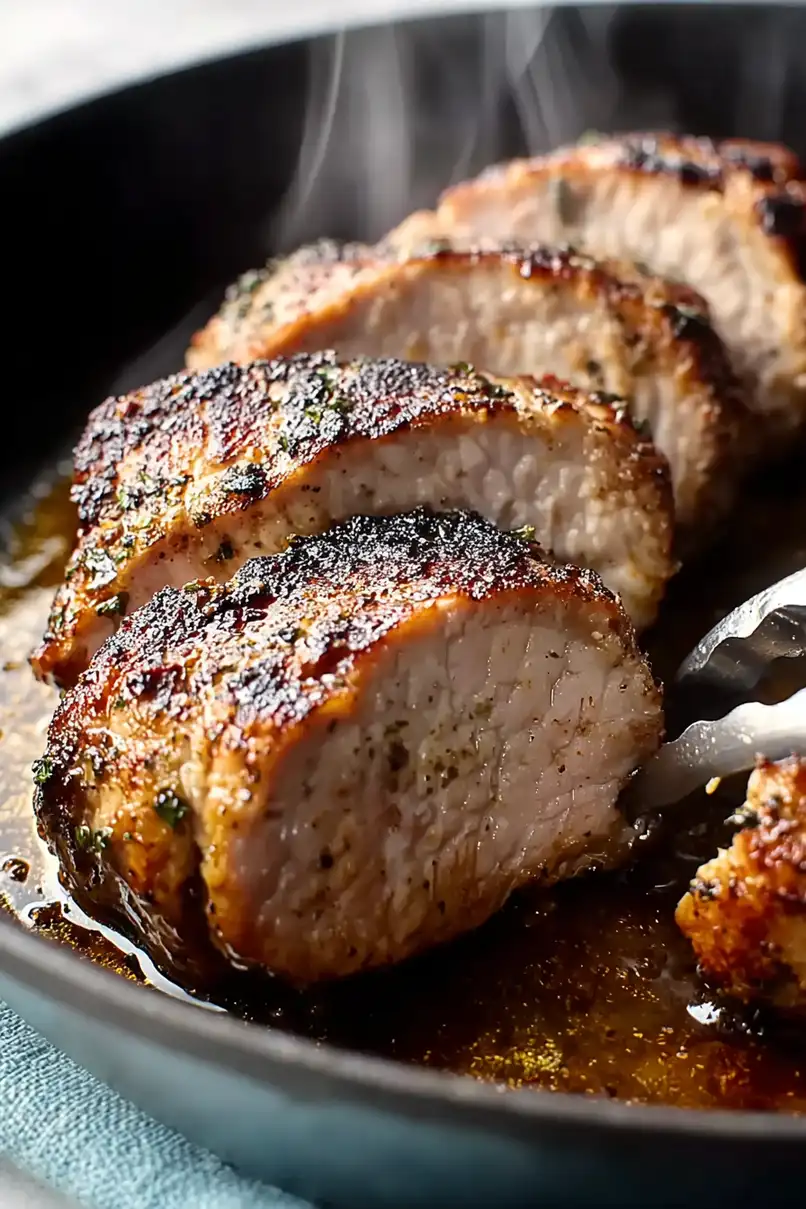
Options for Substitutions
This recipe is pretty forgiving when it comes to swaps, so here are some options if you need them:
- Apple cider: If you can’t find apple cider, apple juice works fine – just add a splash of lemon juice to brighten it up. You could also try white wine or chicken broth with a tablespoon of apple cider vinegar.
- Dijon mustard: Regular yellow mustard or whole grain mustard can step in here. If using yellow mustard, you might want to add a pinch of white wine vinegar to get that tangy kick.
- Brown sugar: White sugar mixed with a teaspoon of molasses works great, or you can use maple syrup (reduce the liquid slightly) or honey for a different flavor profile.
- Pork tenderloin: Don’t substitute this one! Pork tenderloin cooks quickly and stays tender – other cuts like pork chops or loin would need different cooking times and methods.
- All purpose flour: Cornstarch works as a thickener too – just use half the amount and mix it with a little cold water before adding to the pan.
Watch Out for These Mistakes While Cooking
The biggest mistake when cooking pork tenderloin is overcooking it, which turns this naturally tender cut into a dry, chewy disappointment – always use a meat thermometer and remove the pork when it reaches 145°F, then let it rest for 5 minutes to reach the safe temperature of 160°F.
Another common error is not properly searing the tenderloin first, so make sure your pan is hot and the oil is shimmering before adding the meat to get that golden-brown crust that locks in flavor.
When reducing your apple cider glaze, keep the heat at medium to prevent the sugars from burning, and if the sauce gets too thick, simply whisk in a tablespoon of water or more cider to loosen it up.
Don’t forget to let the meat rest for at least 5 minutes after cooking – this allows the juices to redistribute throughout the tenderloin, giving you perfectly moist slices every time.
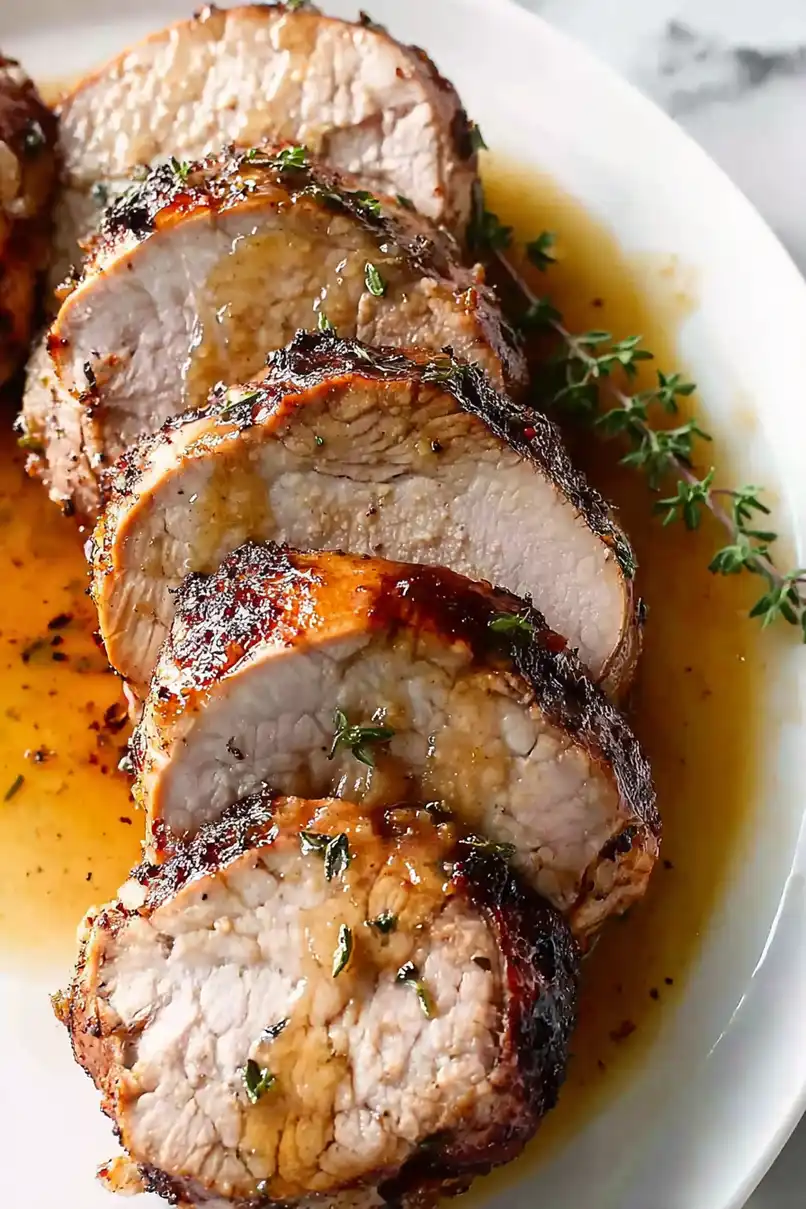
What to Serve With Apple Cider Pork Tenderloin?
This sweet and savory pork pairs beautifully with roasted fall vegetables like Brussels sprouts, carrots, or butternut squash that can cook right alongside the meat. Creamy mashed potatoes or garlic mashed cauliflower make a perfect base to soak up that delicious apple cider glaze. For something lighter, try a simple arugula salad with dried cranberries and walnuts, or roasted sweet potatoes that complement the apple flavors in the dish. Don’t forget some crusty dinner rolls or cornbread to round out this cozy, autumn-inspired meal.
Storage Instructions
Refrigerate: Leftover pork tenderloin keeps really well in the fridge for up to 4 days when stored in an airtight container. I like to slice it up and store it with any extra pan sauce – it makes for amazing sandwiches or quick dinner additions throughout the week.
Freeze: You can freeze cooked pork tenderloin for up to 3 months in freezer-safe bags or containers. I recommend slicing it first and freezing in meal-sized portions so you can thaw just what you need. Don’t forget to label it with the date!
Warm Up: To reheat, thaw frozen pork overnight in the fridge first. Then warm it gently in a covered skillet over medium-low heat with a splash of apple cider or broth to keep it moist. You can also use the microwave on 50% power, checking every 30 seconds to avoid overcooking.
| Preparation Time | 480-1440 minutes |
| Cooking Time | 30-35 minutes |
| Total Time | 510-1475 minutes |
| Level of Difficulty | Medium |
Estimated Nutrition
Estimated nutrition for the whole recipe (without optional ingredients):
- Calories: 1350-1500
- Protein: 90-100 g
- Fat: 35-40 g
- Carbohydrates: 145-160 g
Ingredients
For the marinade and sauce:
- 1/2 cup brown sugar
- 2 cups apple cider (unfiltered preferred for deeper flavor)
- 3 garlic cloves (smashed and peeled)
- 3 tbsp dijon mustard (I use Grey Poupon)
- 1 tsp salt
For the pork:
- 1 1/2 lb pork tenderloin (center cut, room temperature before cooking)
- 2 tbsp extra virgin olive oil
To finish the sauce:
- 2 tsp all-purpose flour (cornstarch also works well)
Step 1: Prepare the Marinade and Marinate the Pork
- 2 cups apple cider
- 3 tbsp dijon mustard
- 1/2 cup brown sugar
- 1 tsp salt
- 3 garlic cloves, smashed and peeled
- 1 1/2 lb pork tenderloin
Whisk together the apple cider, Dijon mustard, brown sugar, and salt in a bowl until the sugar is completely dissolved and the mixture is smooth.
Smash and peel the garlic cloves, then add them to the marinade.
Place the room-temperature pork tenderloin in a large zip-top bag or shallow container, pour the marinade over it, and seal or cover.
Refrigerate for at least 8 hours, preferably 24 hours, to allow the flavors to penetrate the meat and tenderize it.
I find that marinating overnight gives you a much more flavorful and tender result than the minimum time.
Step 2: Remove Pork and Prepare for Cooking
- marinated pork tenderloin from Step 1
- reserved marinade from Step 1
Remove the pork tenderloin from the marinade about 1 hour before cooking to allow it to come closer to room temperature—this ensures even cooking throughout.
Carefully pour the marinade into a separate container and set it aside; you’ll use this to make the sauce.
Pat the pork tenderloin completely dry with paper towels, removing any excess moisture.
Drying the surface is crucial because it allows the meat to brown properly and develop a flavorful crust when seared.
Step 3: Sear and Roast the Pork Tenderloin
- dried pork tenderloin from Step 2
- 2 tbsp extra virgin olive oil
Preheat your oven to 400°F (200°C).
Heat a large oven-safe skillet over medium-high heat until very hot, then add the olive oil.
Once the oil is shimmering, carefully place the dried pork tenderloin in the pan and sear it for 2-3 minutes on each side until it develops a deep golden-brown crust on all surfaces.
Transfer the seared pork to a sheet pan or return it to the skillet if it’s oven-safe, and roast in the preheated oven until the internal temperature reaches 150°F (about 15-20 minutes), which will give you a tender, slightly pink center.
I always use a meat thermometer to avoid overcooking—pork tenderloin can dry out quickly if you go even 5 degrees too far.
Step 4: Build the Apple Cider Pan Sauce
- reserved marinade from Step 2
- 2 tsp all-purpose flour
While the pork roasts, pour the reserved marinade into a saucepan and bring it to a boil over medium-high heat.
Let it boil for 5-10 minutes to reduce slightly and concentrate the flavors, then turn the heat down to medium.
In a small bowl, whisk together the flour with about 2 tablespoons of water to create a smooth slurry, then slowly stir this into the simmering marinade, whisking constantly to avoid lumps.
Continue simmering for 2-3 minutes until the sauce thickens to your desired consistency—it should coat the back of a spoon lightly.
Taste and adjust seasoning with additional salt if needed, then strain the sauce through a fine-mesh sieve if you prefer a completely smooth sauce, pressing on any solids to extract maximum flavor.
Step 5: Rest, Slice, and Serve
- rested pork tenderloin from Step 3
- apple cider pan sauce from Step 4
Remove the cooked pork tenderloin from the oven and transfer it to a cutting board.
Let it rest for 5-10 minutes—this allows the juices to redistribute throughout the meat, ensuring each slice stays tender and moist.
Slice the pork tenderloin into 1/2-inch thick pieces and arrange on a serving platter or individual plates.
Drizzle the warm apple cider pan sauce from Step 4 over the sliced pork and serve immediately.