If you ask me, meatloaf is one of those comfort foods that never gets old.
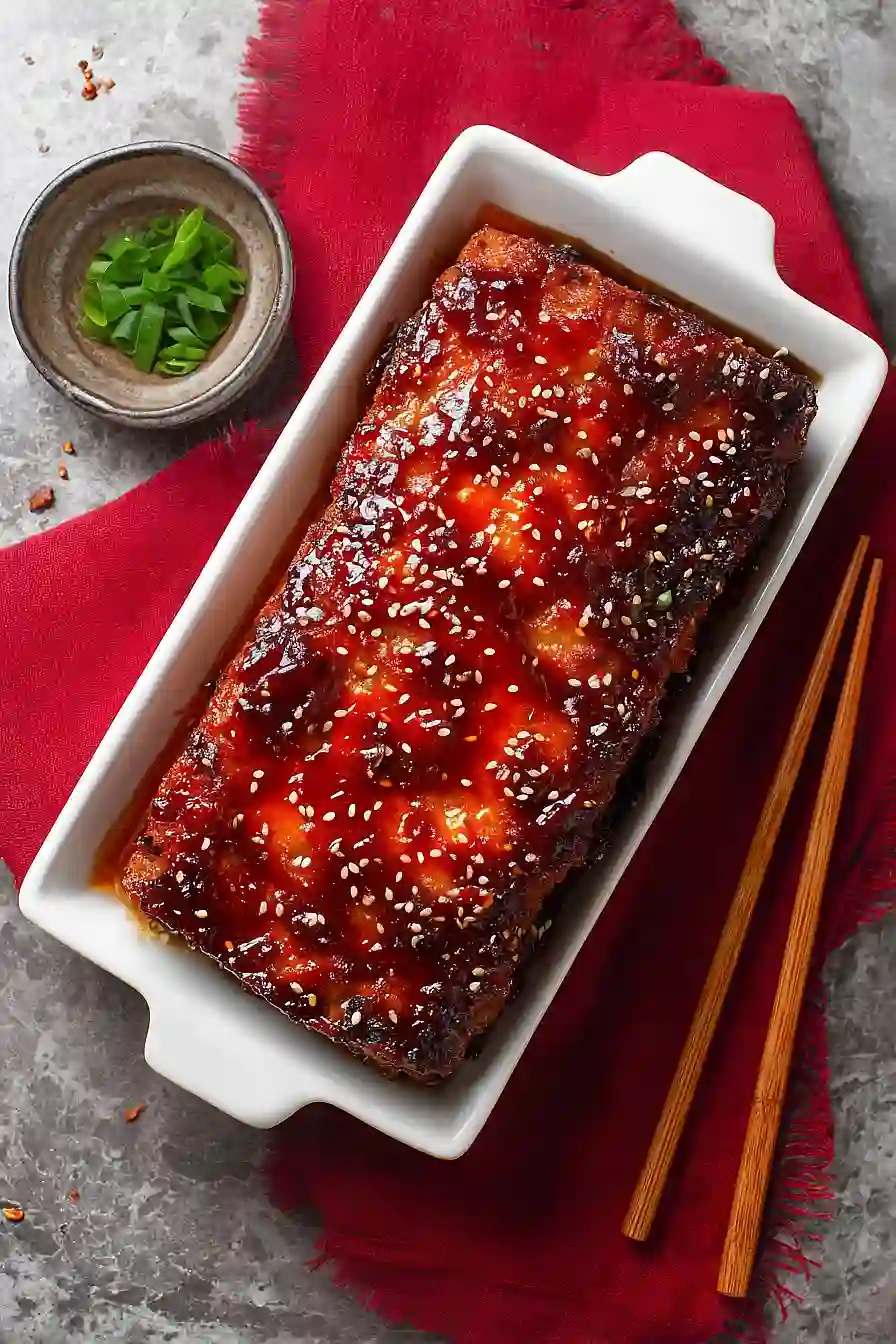
This Korean-inspired version takes the classic American dinner and gives it a spicy, sweet twist. Ground pork mixed with gochujang and garlic creates a savory base with just the right amount of heat.
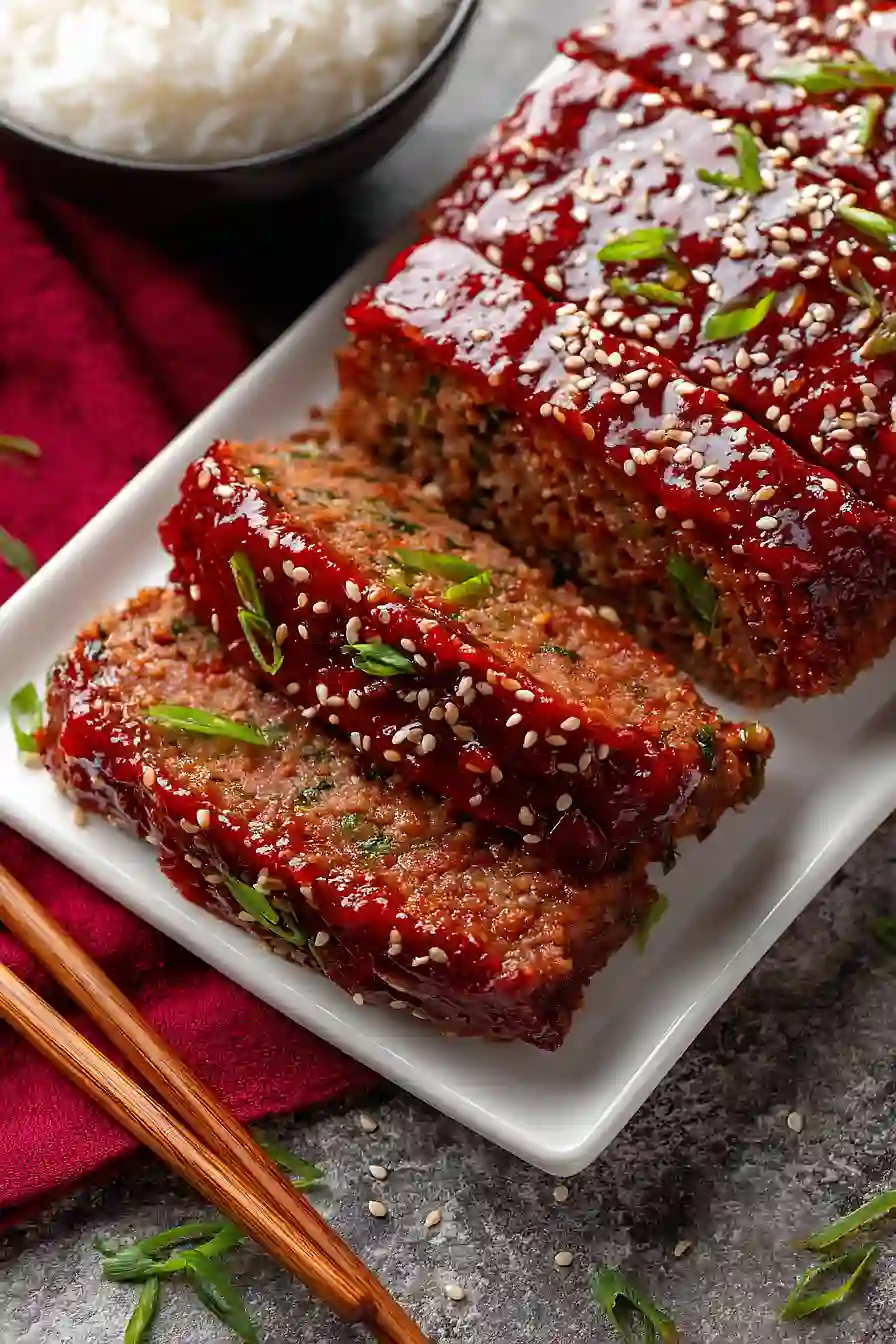
It’s topped with a sticky glaze made from apricot jam, honey, and more gochujang that caramelizes in the oven. Sesame seeds and green onions add a nice finishing touch.
It’s a fun weeknight dinner that brings something different to the table without being complicated.
Why You’ll Love This Korean Meatloaf
- Exciting twist on a classic – This isn’t your grandma’s meatloaf. The gochujang and sesame flavors give it a Korean-inspired kick that makes dinner way more interesting.
- Sweet and spicy glaze – The apricot jam and gochujang glaze creates the perfect balance of sweet heat that caramelizes beautifully on top.
- Simple ingredients – Most of these are pantry staples or easy to find at your regular grocery store, so no hunting down specialty items.
- Perfect for meal prep – This meatloaf reheats really well and tastes even better the next day, making it great for leftovers throughout the week.
- Ready in just over an hour – From mixing bowl to dinner table, you’ll have this flavorful meal done in about 65-75 minutes.
What Kind of Ground Pork Should I Use?
For this Korean meatloaf, you’ll want to look for ground pork with a fat content around 80/20 or 85/15 – this gives you enough fat to keep the meatloaf moist without it becoming greasy. If you can only find leaner ground pork, don’t worry too much, but keep an eye on it while baking so it doesn’t dry out. Some grocery stores offer different grinds of pork, and a medium grind works perfectly here since it holds together well while still staying tender. You can also ask your butcher to grind pork shoulder for you if you want to get fancy, which tends to have great flavor and the right amount of fat for a juicy meatloaf.
Options for Substitutions
This Korean-inspired meatloaf is pretty forgiving when it comes to swaps:
- Ground pork: You can use ground beef, turkey, or chicken instead, or do a mix of pork and beef for a different flavor. Keep in mind that leaner meats like turkey or chicken might make the meatloaf a bit drier, so consider adding an extra egg or a splash of milk.
- Panko bread crumbs: Regular bread crumbs work fine here, or you can use crushed crackers or even oats if that’s what you have on hand. The texture will be slightly different but still good.
- Gochujang: This Korean chili paste is really what gives the dish its signature flavor, so I’d recommend keeping it if possible. But if you’re in a pinch, you can use sriracha mixed with a bit of miso paste, though the flavor will be different.
- Apricot jam: Peach preserves, orange marmalade, or even a sweet chili sauce can work as substitutes in the glaze. You’re just looking for something sweet and sticky.
- Rice wine vinegar: Apple cider vinegar or white wine vinegar will do the job just fine in the glaze.
- Sesame oil: If you don’t have sesame oil, you can skip it or use a tiny bit of toasted sesame seeds for flavor, though the nutty taste won’t be quite as strong.
Watch Out for These Mistakes While Cooking
Overmixing the meat mixture is a fast track to a dense, tough meatloaf – once you add the eggs and breadcrumbs to the pork, mix just until everything is combined and stop there.
The glaze can easily burn under the broiler if you’re not watching carefully, so apply it during the last 15-20 minutes of baking at regular oven temperature instead of cranking up the heat at the end.
Make sure your meatloaf reaches an internal temperature of 160°F in the center, but pull it out right when it hits that mark since carryover cooking will bring it up a few more degrees while it rests.
Let the meatloaf rest for at least 10 minutes before slicing – this allows the juices to redistribute throughout the meat, preventing everything from falling apart when you cut into it.
What to Serve With Korean Meatloaf?
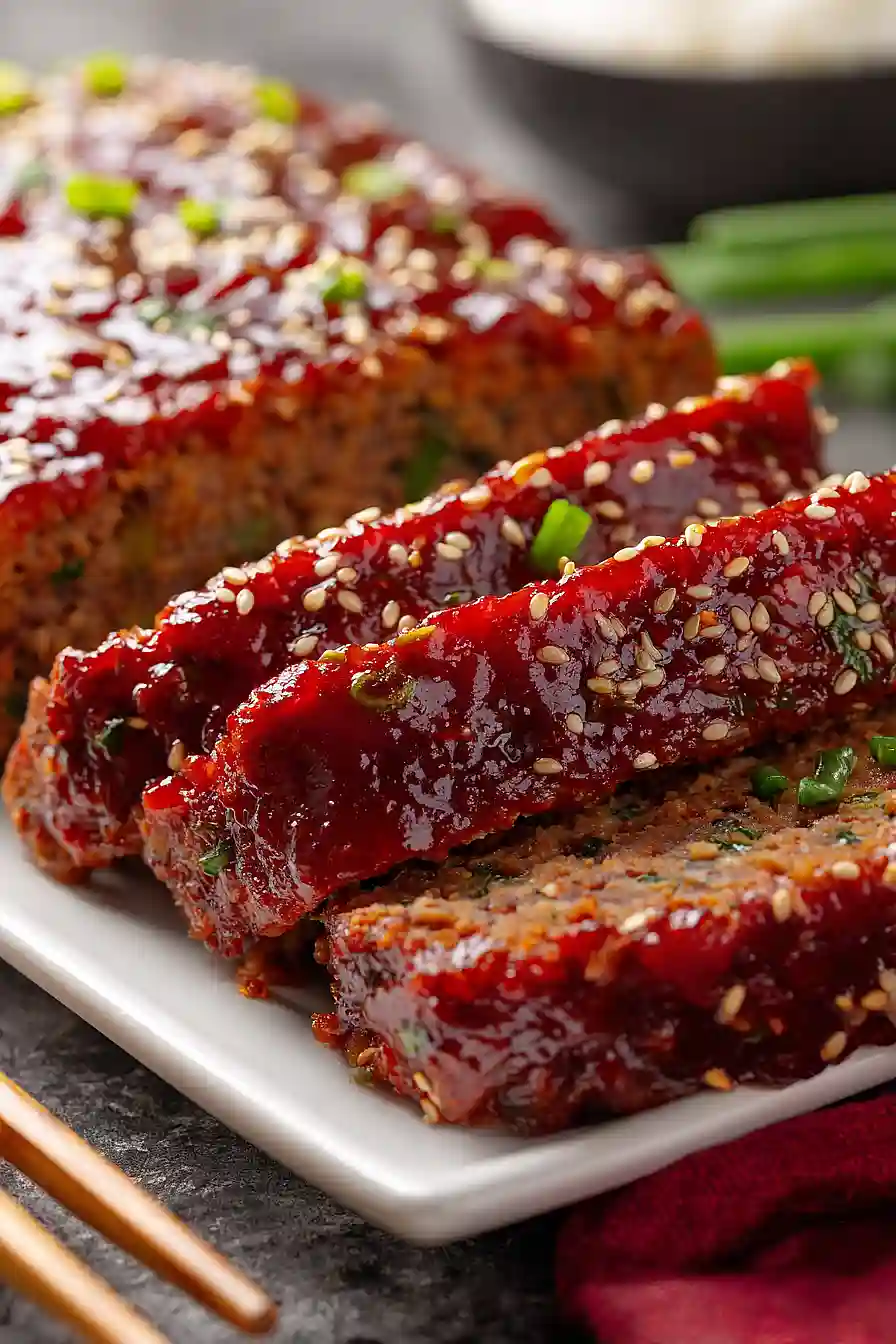
Korean meatloaf pairs perfectly with steamed white rice or fried rice to soak up all that spicy-sweet glaze. I love serving it alongside some quick pickled cucumbers or kimchi to cut through the richness of the pork, plus they add a nice crunchy contrast. A simple side of sautéed bok choy or green beans with garlic keeps things balanced, or you could go with roasted sesame broccoli for something easy. If you want to make it more of a complete meal, add some miso soup on the side or even wrap slices of the meatloaf in lettuce leaves with extra gochujang for a fun, hands-on dinner.
Storage Instructions
Store: Leftover Korean meatloaf keeps really well in the fridge for up to 4 days. Just wrap it tightly in foil or store it in an airtight container. I actually think it tastes even better the next day once all those gochujang flavors have had time to settle in!
Freeze: This meatloaf freezes great for up to 3 months. You can freeze the whole loaf wrapped tightly in plastic wrap and foil, or slice it up first so you can grab individual portions. I like to freeze slices separated by parchment paper for easy weeknight dinners.
Reheat: Warm up slices in the microwave for about 1-2 minutes, or heat them in a 350°F oven for 15-20 minutes until heated through. If you’re reheating the whole loaf, cover it with foil and give it about 30 minutes in the oven so it doesn’t dry out.
| Preparation Time | 15-20 minutes |
| Cooking Time | 50-55 minutes |
| Total Time | 65-75 minutes |
| Level of Difficulty | Medium |
Estimated Nutrition
Estimated nutrition for the whole recipe (without optional ingredients):
- Calories: 3200-3500
- Protein: 140-160 g
- Fat: 210-230 g
- Carbohydrates: 170-190 g
Ingredients
For the meatloaf:
- sesame seeds (for garnish, optional but recommended)
- 2 tbsp gochujang (Korean red chili paste)
- 8 garlic cloves (freshly minced)
- 1.5 cups panko bread crumbs (I use Progresso panko)
- 2 tsp kosher salt
- 2 large eggs (room temperature)
- 2 lbs ground pork (freshly ground preferred for better texture)
- 1 large onion (finely diced, about 1/2-inch pieces)
- 2 tsp vegetable oil
- 5 green onions (thinly sliced, whites and greens separated)
For the glaze:
- 3 tbsp apricot jam (or any fruit jam for sweetness and shine)
- 1 tbsp honey
- 2 tbsp gochujang
- 1 tsp sesame oil (for authentic Korean flavor)
- 1/2 tsp garlic powder
- 2 tsp soy sauce (I use Kikkoman)
- 1 tbsp rice wine vinegar (adds brightness to the glaze)
Step 1: Prepare Mise en Place and Preheat
- 8 garlic cloves
- 5 green onions
- 1 large onion
- 2 large eggs
Preheat your oven to 350°F and prepare a 9.5×5 inch loaf pan.
While the oven heats, mince the garlic cloves, thinly slice the green onions (keeping whites and greens separate), finely dice the onion into about 1/2-inch pieces, and allow the eggs to come to room temperature if they aren’t already.
Having everything prepared and measured before you start cooking will make the process much smoother and help you build flavors more intentionally.
Step 2: Bloom the Aromatics to Build Flavor Base
- 2 tsp vegetable oil
- 1 large onion, finely diced
- 8 garlic cloves, minced
Heat 2 teaspoons of vegetable oil in a skillet over medium heat.
Add the diced onions and cook for about 10 minutes, stirring occasionally, until they become translucent and slightly softened—this builds a sweet, caramelized foundation.
Add the minced garlic and cook for another 2 minutes until fragrant.
I like to let the garlic bloom just briefly so it releases its flavor without burning, which would make it bitter.
Transfer this aromatic mixture to a bowl and place it in the refrigerator for about 10 minutes to cool slightly; this prevents the eggs from scrambling when you mix everything together.
Step 3: Build the Meatloaf Binding Mixture
- cooled onion-garlic mixture from Step 2
- green onion whites
- 2 tbsp gochujang
- 2 large eggs, room temperature
- 2 tsp kosher salt
In a medium bowl, combine the cooled onion-garlic mixture from Step 2 with the white parts of the sliced green onions, 2 tablespoons gochujang, the room-temperature eggs, and 2 teaspoons of kosher salt.
Mix gently with a fork or your hands until just combined—you want to incorporate the ingredients without overmixing, which can lead to a dense, tough meatloaf.
This mixture acts as your binder and flavor base, and by keeping the green onion greens separate for now, you’ll add them fresh at the end for a bright, herbaceous note.
Step 4: Combine and Shape the Meatloaf
- 2 lbs ground pork
- 1.5 cups panko bread crumbs
- binding mixture from Step 3
- green onion greens
In a large bowl, add the 2 pounds of ground pork and 1.5 cups of panko bread crumbs.
Pour the binding mixture from Step 3 over the pork and breadcrumbs, then gently fold everything together with your hands or a large spoon until just combined.
I find using my hands gives me better control and helps me avoid overworking the meat, which keeps the texture tender.
Fold in the reserved green onion greens at the very end.
Press the mixture firmly into your prepared 9.5×5 inch loaf pan, making sure it’s evenly distributed with no air pockets.
Step 5: First Cook: Build Internal Temperature to 140°F
- 3 tbsp apricot jam
- 2 tbsp gochujang
- 1 tbsp honey
- 1 tsp sesame oil
- 1/2 tsp garlic powder
- 2 tsp soy sauce
- 1 tbsp rice wine vinegar
Place the meatloaf pan in your preheated 350°F oven and bake for approximately 40 minutes, until the internal temperature reaches 140°F when measured with a meat thermometer in the thickest part.
While the meatloaf cooks, prepare your glaze by whisking together 3 tablespoons apricot jam, 2 tablespoons gochujang, 1 tablespoon honey, 1 teaspoon sesame oil, 1/2 teaspoon garlic powder, 2 teaspoons soy sauce, and 1 tablespoon rice wine vinegar in a small bowl until smooth and well combined.
The rice wine vinegar adds a subtle brightness that balances the sweetness of the jam and the heat of the gochujang beautifully.
Step 6: Glaze and Final Cook to 160°F
- glaze mixture from Step 5
Remove the meatloaf from the oven when it reaches 140°F.
Using a spoon, generously spread or spoon the glaze mixture from Step 5 evenly over the top of the meatloaf.
Return it to the oven and continue cooking for another 10 to 15 minutes, until the internal temperature reaches 160°F (the safe endpoint for pork).
The glaze will caramelize slightly and create a beautiful mahogany-colored crust with a slightly sticky, glossy finish.
Step 7: Rest and Garnish
- sesame seeds
Remove the meatloaf from the oven and let it rest in the pan for 5 minutes before slicing; this allows the juices to redistribute and keeps each slice moist and tender.
Sprinkle the top with sesame seeds for garnish and serve directly from the loaf pan or transfer to a cutting board for slicing.
Asian-Inspired Korean Meatloaf
Ingredients
For the meatloaf:
- sesame seeds (for garnish, optional but recommended)
- 2 tbsp gochujang (Korean red chili paste)
- 8 garlic cloves (freshly minced)
- 1.5 cups panko bread crumbs (I use Progresso panko)
- 2 tsp kosher salt
- 2 large eggs (room temperature)
- 2 lbs ground pork (freshly ground preferred for better texture)
- 1 large onion (finely diced, about 1/2-inch pieces)
- 2 tsp vegetable oil
- 5 green onions (thinly sliced, whites and greens separated)
For the glaze:
- 3 tbsp apricot jam (or any fruit jam for sweetness and shine)
- 1 tbsp honey
- 2 tbsp gochujang
- 1 tsp sesame oil (for authentic Korean flavor)
- 1/2 tsp garlic powder
- 2 tsp soy sauce (I use Kikkoman)
- 1 tbsp rice wine vinegar (adds brightness to the glaze)
Instructions
- Preheat your oven to 350°F and prepare a 9.5x5 inch loaf pan. While the oven heats, mince the garlic cloves, thinly slice the green onions (keeping whites and greens separate), finely dice the onion into about 1/2-inch pieces, and allow the eggs to come to room temperature if they aren't already. Having everything prepared and measured before you start cooking will make the process much smoother and help you build flavors more intentionally.
- Heat 2 teaspoons of vegetable oil in a skillet over medium heat. Add the diced onions and cook for about 10 minutes, stirring occasionally, until they become translucent and slightly softened—this builds a sweet, caramelized foundation. Add the minced garlic and cook for another 2 minutes until fragrant. I like to let the garlic bloom just briefly so it releases its flavor without burning, which would make it bitter. Transfer this aromatic mixture to a bowl and place it in the refrigerator for about 10 minutes to cool slightly; this prevents the eggs from scrambling when you mix everything together.
- In a medium bowl, combine the cooled onion-garlic mixture from Step 2 with the white parts of the sliced green onions, 2 tablespoons gochujang, the room-temperature eggs, and 2 teaspoons of kosher salt. Mix gently with a fork or your hands until just combined—you want to incorporate the ingredients without overmixing, which can lead to a dense, tough meatloaf. This mixture acts as your binder and flavor base, and by keeping the green onion greens separate for now, you'll add them fresh at the end for a bright, herbaceous note.
- In a large bowl, add the 2 pounds of ground pork and 1.5 cups of panko bread crumbs. Pour the binding mixture from Step 3 over the pork and breadcrumbs, then gently fold everything together with your hands or a large spoon until just combined. I find using my hands gives me better control and helps me avoid overworking the meat, which keeps the texture tender. Fold in the reserved green onion greens at the very end. Press the mixture firmly into your prepared 9.5x5 inch loaf pan, making sure it's evenly distributed with no air pockets.
- Place the meatloaf pan in your preheated 350°F oven and bake for approximately 40 minutes, until the internal temperature reaches 140°F when measured with a meat thermometer in the thickest part. While the meatloaf cooks, prepare your glaze by whisking together 3 tablespoons apricot jam, 2 tablespoons gochujang, 1 tablespoon honey, 1 teaspoon sesame oil, 1/2 teaspoon garlic powder, 2 teaspoons soy sauce, and 1 tablespoon rice wine vinegar in a small bowl until smooth and well combined. The rice wine vinegar adds a subtle brightness that balances the sweetness of the jam and the heat of the gochujang beautifully.
- Remove the meatloaf from the oven when it reaches 140°F. Using a spoon, generously spread or spoon the glaze mixture from Step 5 evenly over the top of the meatloaf. Return it to the oven and continue cooking for another 10 to 15 minutes, until the internal temperature reaches 160°F (the safe endpoint for pork). The glaze will caramelize slightly and create a beautiful mahogany-colored crust with a slightly sticky, glossy finish.
- Remove the meatloaf from the oven and let it rest in the pan for 5 minutes before slicing; this allows the juices to redistribute and keeps each slice moist and tender. Sprinkle the top with sesame seeds for garnish and serve directly from the loaf pan or transfer to a cutting board for slicing.