Here is my favorite Thanksgiving stuffing recipe, with a simple bread base, classic herbs like sage and thyme, plenty of butter, and a mix of celery and onions for that perfect holiday flavor.
This stuffing is what my family looks forward to most every Thanksgiving. I always make extra because it disappears so fast, and honestly, leftover stuffing makes the best next-day turkey sandwiches.
Why You’ll Love This Thanksgiving Stuffing
- Classic holiday comfort – This traditional stuffing brings all the warm, familiar flavors that make Thanksgiving special, with perfectly seasoned bread cubes that soak up all the savory goodness.
- Simple, wholesome ingredients – Made with basic pantry staples like bread, butter, onions, and celery, this recipe uses ingredients you likely already have on hand for the holidays.
- Perfect texture every time – The combination of chicken broth and eggs creates that ideal stuffing consistency – moist and flavorful on the inside with a golden, slightly crispy top.
- Crowd-pleasing side dish – This recipe makes enough to feed a large gathering and pairs beautifully with turkey, gravy, and all your other holiday favorites.
- Make-ahead friendly – You can prep this stuffing earlier in the day and just pop it in the oven when you’re ready, making your holiday cooking schedule much more manageable.
What Kind of Bread Should I Use?
The bread you choose really makes or breaks your stuffing, so it’s worth putting some thought into it. Day-old or slightly stale bread works best because it holds up better when you add the broth without turning to mush. White sandwich bread, sourdough, or even a mix of different breads like cornbread and white bread can give you great flavor and texture. If your bread is fresh, you can cube it and let it sit out overnight to dry out, or pop it in a low oven for about 10 minutes to remove some moisture. Just avoid anything too dense or heavy, as it won’t absorb the seasonings and broth as well as you’d want.
Options for Substitutions
This classic stuffing recipe is pretty forgiving when it comes to swaps and substitutions:
- Bread cubes: While day-old white bread works great, you can mix things up with sourdough, whole wheat, or even cornbread for extra flavor. Just make sure whatever bread you use is completely dried out – fresh bread will make your stuffing mushy.
- Butter: You can substitute with olive oil or vegetable oil if needed, but butter really does give the best flavor. If using oil, start with about 6 tablespoons and add more if the mixture seems dry.
- Chicken broth: Vegetable broth works perfectly for a vegetarian version, or you can use turkey broth if you have it on hand. Even water with extra bouillon will do in a pinch.
- Fresh herbs: If you only have dried herbs, use about half the amount called for. The poultry seasoning is really the star here, so don’t skip that one – it’s what gives stuffing its classic taste.
- Eggs: The eggs help bind everything together, but if you’re out, you can skip them and just add a bit more broth to keep the stuffing moist. It won’t be quite as cohesive, but it’ll still taste great.
Watch Out for These Mistakes While Cooking
The biggest mistake people make with stuffing is using fresh bread instead of properly dried cubes, which leads to a mushy texture – make sure your bread cubes are completely dry by leaving them out overnight or toasting them lightly in the oven.
Another common error is adding too much broth at once, so start with just one cup and gradually add more until the mixture feels moist but not soggy when you squeeze a handful.
Don’t skip sautéing the onions and celery until they’re soft and translucent, as raw vegetables will release water during baking and make your stuffing watery instead of fluffy.
Finally, resist the urge to pack the stuffing too tightly in your baking dish – it needs room to expand and get crispy on top while staying tender inside.
What to Serve With Thanksgiving Stuffing?
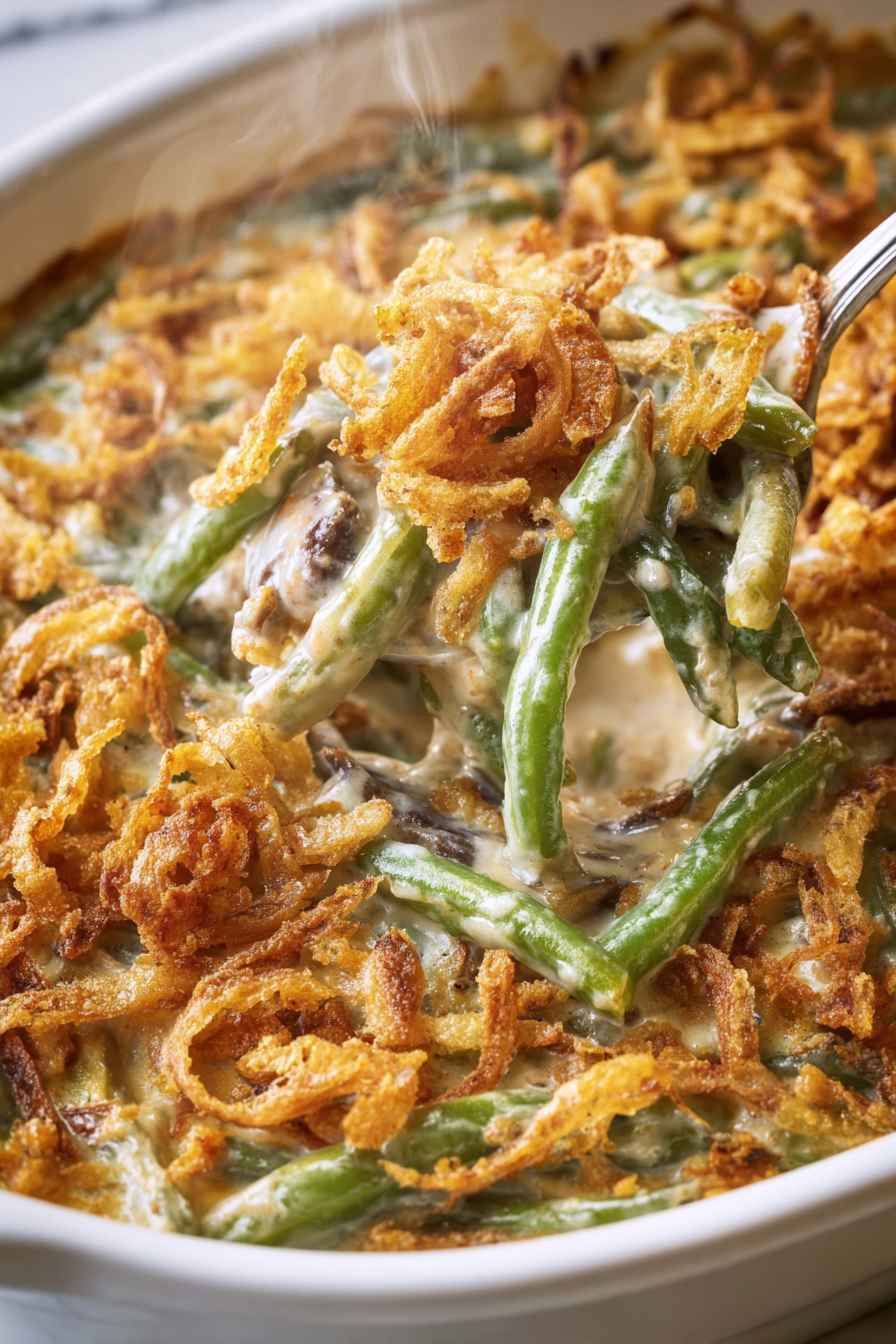
Thanksgiving stuffing is obviously perfect alongside your holiday turkey, but it’s also amazing with roasted chicken, pork tenderloin, or even as a hearty side for weeknight dinners. I love pairing it with cranberry sauce because the tart sweetness cuts through the savory herbs and butter beautifully. For a complete comfort meal, serve it with mashed potatoes, green bean casserole, and some roasted Brussels sprouts or carrots. Don’t forget to drizzle some turkey gravy over the top – it soaks right into those bread cubes and makes everything even more delicious.
Storage Instructions
Refrigerate: Leftover stuffing keeps really well in the fridge for up to 4 days in a covered container. I actually think it tastes even better the next day when all those flavors have had time to meld together! It’s perfect for making turkey sandwiches or just enjoying as a side dish throughout the week.
Freeze: You can absolutely freeze this stuffing for up to 3 months in a freezer-safe container or wrapped tightly in foil. I like to portion it out into family-sized servings before freezing so I can thaw just what I need. It’s a great way to save some of that Thanksgiving goodness for later!
Reheat: To warm up your stuffing, cover it with foil and bake at 350°F for about 20-25 minutes until heated through. You can also microwave individual portions, but I find the oven gives you that nice crispy top again. Add a splash of chicken broth if it seems a bit dry after storing.
| Preparation Time | 30-45 minutes |
| Cooking Time | 105-120 minutes |
| Total Time | 135-165 minutes |
| Level of Difficulty | Medium |
Estimated Nutrition
Estimated nutrition for the whole recipe (without optional ingredients):
- Calories: 3400-3700
- Protein: 70-80 g
- Fat: 110-125 g
- Carbohydrates: 510-550 g
Ingredients
For the stuffing:
- 1/2 tsp dried sage
- 2 cups diced celery (about 4-5 stalks, 1/2-inch pieces)
- 1 1/2 cups chicken broth (or vegetable broth)
- 1 tsp salt
- 2 cups diced onion (about 2 medium onions, 1/2-inch pieces)
- 2 large eggs (room temperature, beaten)
- 1/2 tsp dried thyme
- 3 tsp poultry seasoning
- 16 cups dry bread cubes (day-old, cut into 3/4-inch pieces)
- 1/2 tsp ground black pepper (freshly ground preferred)
- 1/2 cup unsalted butter (I use Kerrygold for richness)
For the garnish:
- 1 tbsp fresh parsley (finely chopped, for color)
Step 1: Prepare and Dry the Bread
- 16 cups dry bread cubes
Cut the day-old bread into 3/4-inch cubes and spread them on a baking sheet.
Bake at 250°F for about 1 hour, stirring halfway through, until the bread is completely dried out but not browned.
This step is crucial because it prevents the stuffing from becoming soggy—the dry bread will absorb the liquid properly without turning into mush.
Once done, set the bread aside and increase your oven temperature to 350°F for the final baking.
Step 2: Sauté the Aromatics and Build the Base
- 1/2 cup unsalted butter
- 2 cups diced onion
- 2 cups diced celery
- 3 tsp poultry seasoning
- 1/2 tsp dried thyme
- 1/2 tsp dried sage
- 1 tsp salt
- 1/2 tsp ground black pepper
- 1 1/2 cups chicken broth
Melt the butter in a large pot over medium heat, then add the diced onions and celery.
Sauté for about 8 minutes, stirring occasionally, until the vegetables are softened and fragrant—this develops their natural sweetness and flavor foundation.
Once softened, stir in the poultry seasoning, thyme, sage, salt, and pepper, cooking for another 30 seconds until the spices become aromatic.
I like to use fresh pepper rather than pre-ground because it has so much more flavor and really makes a difference in a dish as simple as stuffing.
Pour in the chicken broth and remove from heat.
Step 3: Temper and Incorporate the Eggs
- 2 large eggs
- sautéed vegetable and broth mixture from Step 2
In a small bowl, whisk the room-temperature eggs until well combined.
Slowly stir the beaten eggs into the warm (but not hot) onion and broth mixture, stirring constantly as you add them.
Adding room-temperature eggs gradually prevents them from scrambling, creating a smooth, cohesive binding agent rather than visible egg pieces throughout the stuffing.
The residual heat will gently cook the eggs without curdling them.
Step 4: Combine Bread with Wet Mixture
- dried bread cubes from Step 1
- wet ingredient mixture from Step 3
Place the dried bread cubes from Step 1 into a large bowl.
Pour the entire warm mixture from Step 3 over the bread, including all the vegetables, broth, and eggs.
Gently fold everything together until the bread is evenly moistened throughout—use a large spoon or your hands to avoid crushing the bread cubes.
If the mixture seems too dry and some bread pieces aren’t absorbing liquid, add a splash more chicken broth, a quarter cup at a time, until you reach the desired consistency.
I find that the texture should be moist but not wet—the bread should hold together gently when squeezed but not be mushy.
Step 5: Assemble and Bake the Stuffing
- bread and vegetable mixture from Step 4
Spray a 9×13-inch baking dish (or similar 3-quart dish) with cooking spray to prevent sticking.
Transfer the bread mixture into the prepared dish, spreading it evenly.
Bake at 350°F for 45-60 minutes, stirring gently every 15-20 minutes to ensure even cooking and to prevent the edges from browning too quickly.
The stuffing is done when the top is golden brown and a thermometer inserted in the center reads 160°F (the safe temperature for the eggs).
The stirring is important—it redistributes the moisture and prevents the top from drying out while the center stays undercooked.
Step 6: Finish and Serve
- 1 tbsp fresh parsley
Remove the stuffing from the oven and let it rest for 5 minutes.
Sprinkle the fresh parsley over the top for color and a fresh herbal note, then serve immediately while still warm.