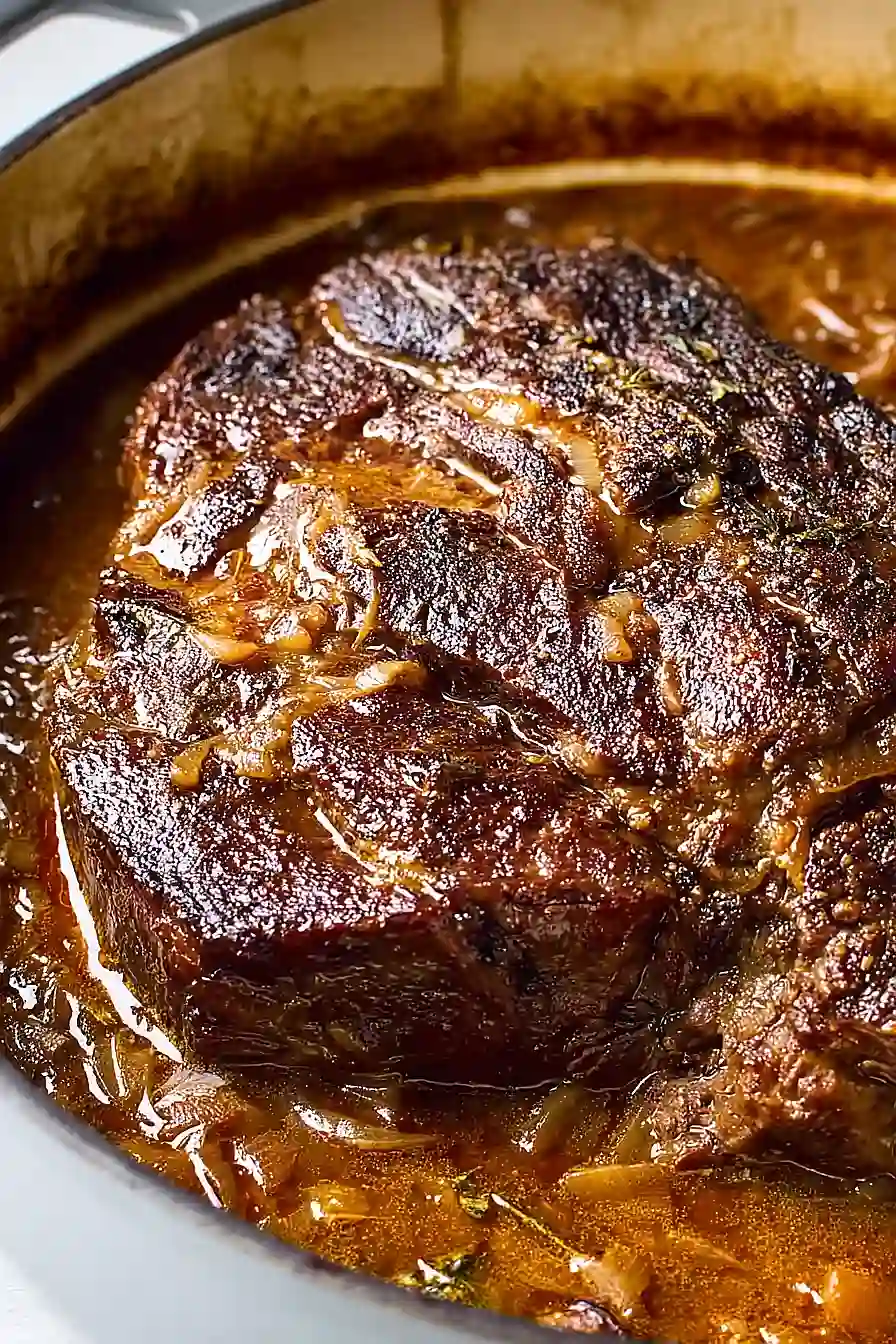
Nothing says special occasion quite like a perfectly cooked filet mignon, but let’s be honest – sometimes the price tag makes us save it for only the most important celebrations. And when you do splurge on those tender cuts, the pressure to cook them just right can feel a bit overwhelming.
That’s where bacon-wrapped filet mignon comes to the rescue. The bacon acts like a safety net, keeping the meat moist while adding incredible flavor, and it gives you a little more room for error if you’re nervous about nailing the perfect temperature. Plus, everything’s better with bacon, right?
Why You’ll Love This Bacon-Wrapped Filet Mignon
- Restaurant-quality at home – You can create an impressive steakhouse-style dinner right in your own kitchen without paying those high restaurant prices.
- Quick and easy preparation – With just 25-35 minutes from start to finish, this elegant dish comes together faster than you’d expect for such a special meal.
- Simple ingredients – You only need five basic ingredients that you can easily find at any grocery store, making this recipe accessible for any home cook.
- Perfect for special occasions – The bacon adds extra flavor and keeps the filet moist while creating an impressive presentation that’s perfect for date nights or celebrations.
- Foolproof results – The bacon wrapping helps protect the tender filet from overcooking, giving you juicy, perfectly cooked steak every time.
What Kind of Filet Mignon Should I Use?
When shopping for filet mignon, look for steaks that are about 1 to 1.5 inches thick – this gives you the perfect balance of a nice sear on the outside while keeping the inside tender and juicy. You can find filet mignon at most grocery stores, but if you want the best quality, consider visiting a local butcher who can cut them fresh for you. The steaks should have a deep red color and minimal marbling since filet mignon is naturally a lean cut. If your steaks are much thicker than 1.5 inches, you might need to adjust your cooking time to make sure they cook evenly all the way through.
Options for Substitutions
While filet mignon is the star here, you can make a few tweaks if needed:
- Filet mignon: This cut is really what makes this dish special, so I’d recommend sticking with it if possible. However, if you’re looking for a more budget-friendly option, try thick-cut ribeye or New York strip steaks – they’ll still taste great wrapped in bacon.
- Bacon: Regular bacon works perfectly, but you can also use thick-cut bacon for extra flavor, or even pancetta for a slightly different taste. Just make sure whatever you choose can wrap around your steaks nicely.
- Chicago steak seasoning: Don’t have this specific blend? Mix together salt, black pepper, garlic powder, onion powder, and a pinch of red pepper flakes. Montreal steak seasoning is another good substitute that’s widely available.
- Olive oil: You can swap this with vegetable oil or canola oil for cooking. Avocado oil is also great since it has a high smoke point, which is perfect for searing steaks.
- Butter: Regular unsalted butter is best, but salted butter works too – just go easy on any additional salt in your seasoning.
Watch Out for These Mistakes While Cooking
The biggest mistake when making bacon-wrapped filet mignon is not partially cooking the bacon first, which leaves you with raw, chewy bacon while your steak overcooks trying to crisp it up. Start by cooking the bacon for 2-3 minutes per side before wrapping it around the filets, so both components finish at the same time. Don’t skip using an instant-read thermometer either – filet mignon is expensive and easy to overcook, so aim for 125°F for medium-rare and remove it from heat immediately. Another common error is moving the steaks around too much in the pan, when you should let them sear undisturbed for 3-4 minutes per side to develop that perfect crust. Finally, always let your steaks rest for 5-10 minutes after cooking, which allows the juices to redistribute and keeps your expensive cut tender and juicy.
What to Serve With Bacon-Wrapped Filet Mignon?
Since bacon-wrapped filet mignon is such a rich and indulgent main course, I love pairing it with sides that balance out all that delicious flavor. Creamy mashed potatoes or roasted garlic potatoes are always a hit, and they soak up any pan juices beautifully. For vegetables, try roasted asparagus, sautéed green beans, or a simple arugula salad with lemon vinaigrette to cut through the richness of the beef and bacon. A glass of red wine like cabernet sauvignon or malbec rounds out this restaurant-quality meal perfectly.
Storage Instructions
Refrigerate: Leftover filet mignon keeps well in the fridge for up to 3 days when stored in an airtight container. I like to slice it thin and use it for steak salads or sandwiches the next day. Just make sure to let it cool completely before putting it away.
Freeze: You can freeze cooked filet mignon for up to 3 months, though the texture won’t be quite the same as fresh. Wrap individual portions tightly in plastic wrap, then place in a freezer bag. This works great if you accidentally made too much for a special dinner.
Warm Up: To reheat your filet mignon without overcooking it, let it come to room temperature first, then warm it gently in a low oven at 250°F for about 10-15 minutes. You can also slice it cold and add it to warm dishes like pasta or risotto where the heat will gently warm the meat.
| Preparation Time | 10-15 minutes |
| Cooking Time | 15-20 minutes |
| Total Time | 25-35 minutes |
| Level of Difficulty | Medium |
Estimated Nutrition
Estimated nutrition for the whole recipe (without optional ingredients):
- Calories: 1100-1300
- Protein: 90-110 g
- Fat: 85-100 g
- Carbohydrates: 2-4 g
Ingredients
- 2 filet mignon steaks (1 lb total, about 1.5 inches thick)
- 2 strips bacon (I use Oscar Mayer center-cut bacon)
- 2 tbsp Weber Chicago steak seasoning (freshly ground preferred for more flavor)
- 1 tbsp unsalted butter (melted)
- 2 tbsp olive oil (or any neutral oil like avocado oil)
Step 1: Prepare the Steaks and Season
- 2 filet mignon steaks
- 2 strips bacon
- 2 tbsp Weber Chicago steak seasoning
Pat the filet mignon steaks dry with paper towels—this is crucial for getting a good sear later.
Wrap one strip of bacon around the circumference of each steak and secure with either kitchen twine or toothpicks, ensuring the bacon stays snug as it cooks.
Pour the Weber Chicago steak seasoning onto a plate and roll each bacon-wrapped steak in the seasoning, coating all sides evenly.
Set the seasoned steaks aside on a clean plate while you prepare your cooking equipment.
Step 2: Preheat and Set Up Your Cooking Station
- 2 tbsp olive oil
- 1 tbsp unsalted butter
Heat your oven to 450°F and place an oven-safe skillet inside to preheat.
While the oven warms, measure out your olive oil and melt the butter in a small bowl or ramekin—having everything ready before you start cooking ensures smooth timing and prevents the pan from cooling down while you’re scrambling to prepare ingredients.
Step 3: Sear the Steaks
- seasoned steaks from Step 1
- melted butter from Step 2
- oil in preheated skillet
Carefully remove the hot skillet from the oven and place it on the stovetop over medium-high heat.
Add the olive oil and let it shimmer for about 30 seconds.
Gently place the seasoned steaks in the skillet—they should sizzle immediately.
Brush the top side of each steak with half of the melted butter from Step 2, then let them sear undisturbed for 2-3 minutes until a deep brown crust forms.
Flip the steaks carefully, brush the newly-exposed side with the remaining melted butter, and sear for another 2-3 minutes.
I like to tilt the skillet slightly and use a spoon to baste the sides of the steaks with the pan drippings—this helps the bacon cook evenly and adds extra flavor.
Step 4: Finish in the Oven
- seared steaks from Step 3
Once both sides are seared, carefully transfer the skillet (with the steaks still in it) to the preheated 450°F oven.
Roast for 6-8 minutes, depending on your desired doneness—aim for 6 minutes if you prefer medium-rare, which is perfect for filet mignon’s tender texture.
The internal temperature should reach about 130-135°F for medium-rare when you check with an instant-read thermometer.
Step 5: Rest and Serve
- cooked steaks from Step 4
Remove the skillet from the oven and transfer the steaks to a cutting board or warm plate.
Tent them loosely with foil and let them rest for 5 minutes—this allows the juices to redistribute throughout the meat, ensuring each bite stays tender and juicy.
After resting, they’re ready to serve immediately.
I always serve them on warm plates to keep the temperature perfect right up until the first bite.