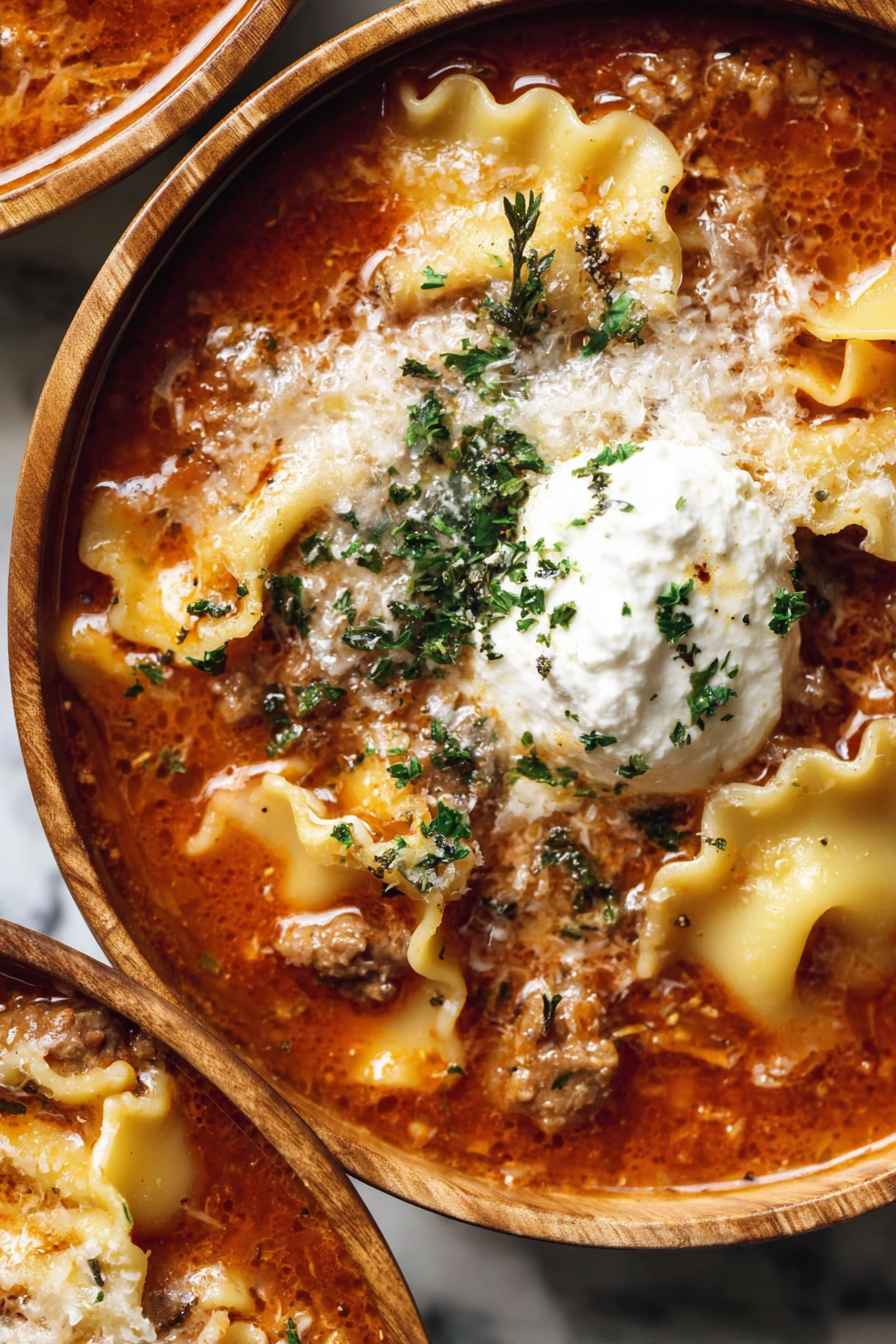
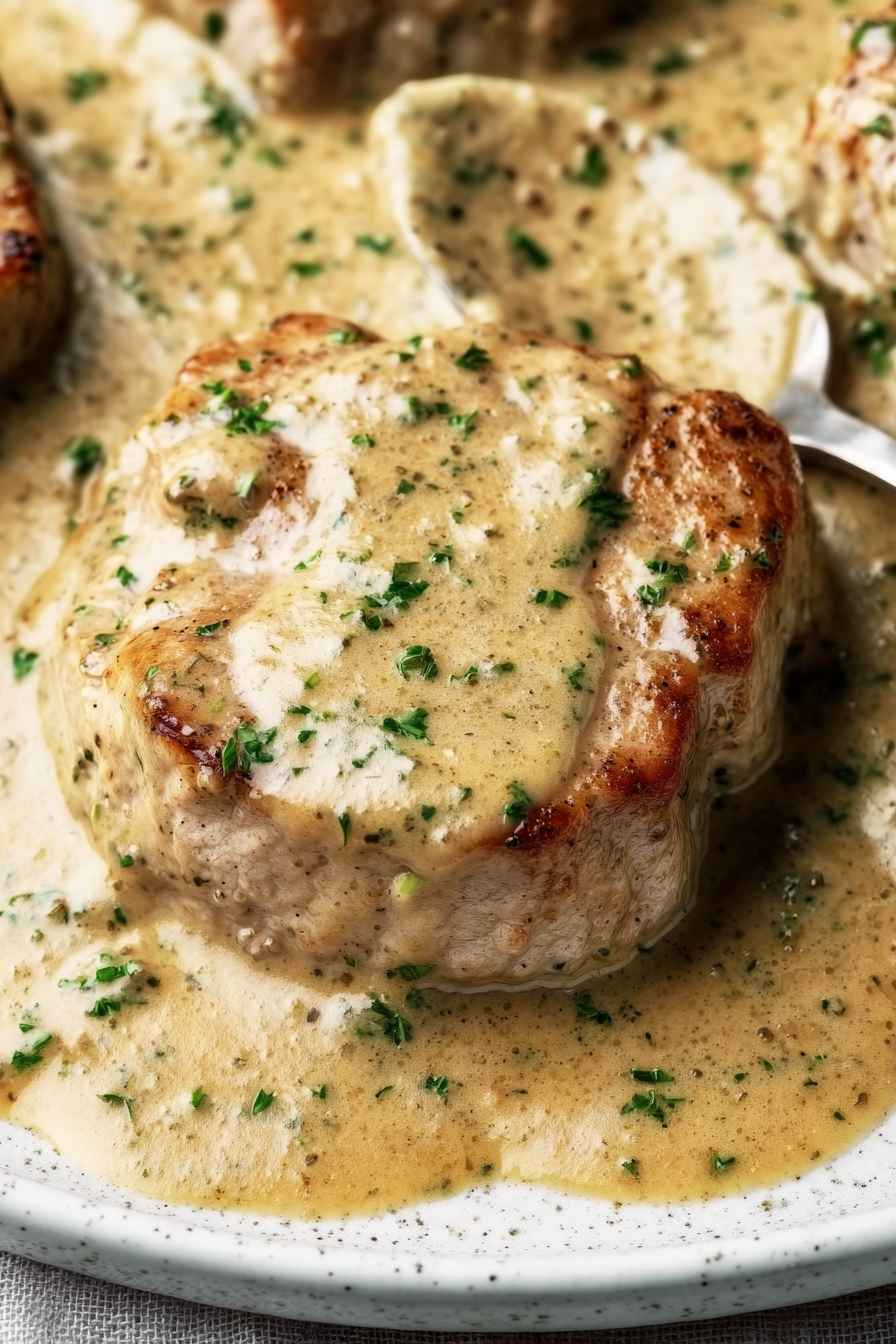
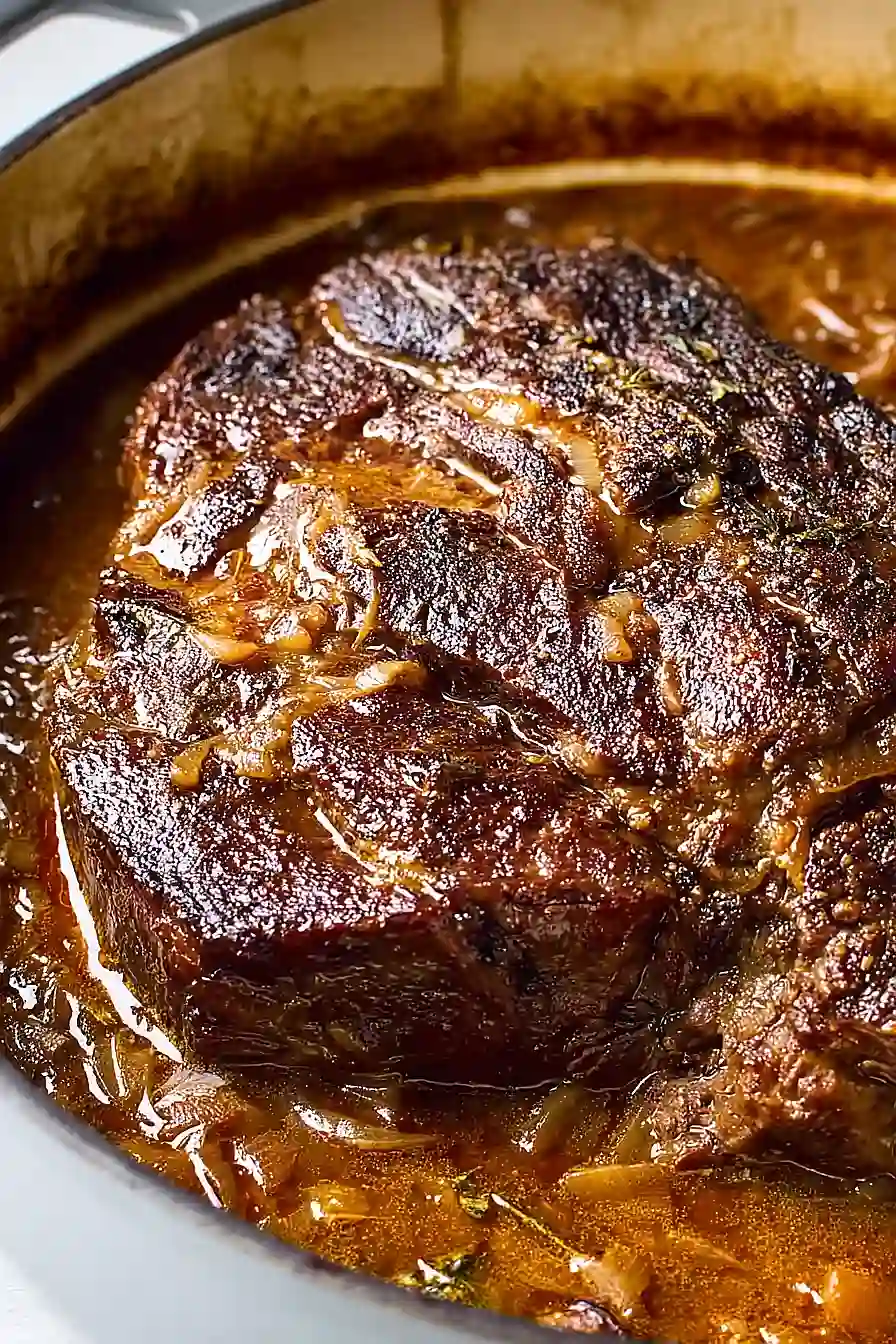
I used to think making a lighter alfredo sauce meant sacrificing that rich, creamy taste I loved. Then I tried swapping in cottage cheese, and honestly, I was surprised at how good it turned out.
The trick is blending it smooth so you don’t end up with weird lumps in your pasta. I add regular milk and parmesan to keep that classic alfredo flavor, but the cottage cheese bumps up the protein without making the sauce heavy. It’s one of those swaps that actually works—not just something that tastes “healthy” in a bad way.
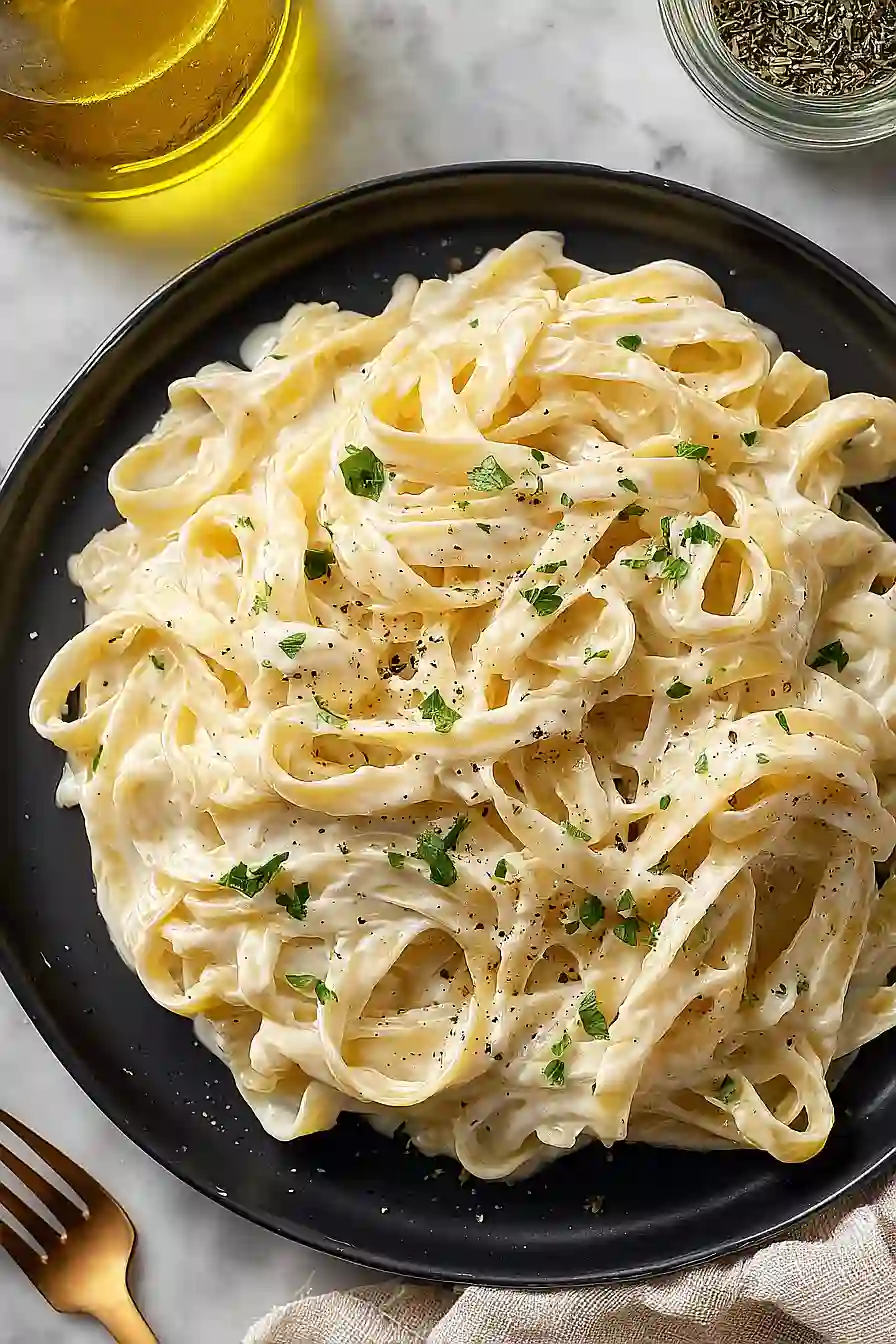
Why You’ll Love This Cottage Cheese Alfredo
- High-protein twist on a classic – The cottage cheese adds extra protein to traditional alfredo sauce, making it more filling and nutritious without sacrificing that creamy texture you crave.
- Ready in under 30 minutes – This quick weeknight dinner comes together faster than ordering takeout, perfect for those busy evenings when you need something satisfying on the table fast.
- Lighter than traditional alfredo – Using cottage cheese instead of heavy cream cuts down on calories and fat while still delivering that rich, indulgent sauce you love.
- Simple pantry ingredients – You probably already have most of these staples in your kitchen, making this an easy go-to recipe when you need dinner ideas.
- Customizable and flexible – Add your favorite protein like chicken or shrimp, toss in whatever vegetables you have on hand, and make it your own every time you cook it.
What Kind of Cottage Cheese Should I Use?
Any cottage cheese you have in your fridge will work for this alfredo sauce, whether it’s full-fat, low-fat, or even fat-free. The beauty of this recipe is that the cottage cheese gets blended smooth, so you don’t have to worry about whether you’re using small curd or large curd – it all disappears into a creamy sauce. That said, full-fat cottage cheese will give you the richest, creamiest result, while low-fat versions will make a lighter sauce that’s still plenty satisfying. If you want the smoothest possible sauce, give your cottage cheese a quick blend in a food processor or blender before adding it to the pan with the other ingredients.
Options for Substitutions
This lighter alfredo sauce is pretty forgiving when it comes to swaps:
- Cottage cheese: This is the star of the recipe and really shouldn’t be substituted – it’s what makes this a healthier alfredo alternative. For the smoothest sauce, use full-fat cottage cheese and blend it well.
- Milk: Any milk works here – whole milk gives you the creamiest result, but 2% or even unsweetened almond milk can work if you’re looking for fewer calories. Just keep in mind that lower fat options will make a slightly thinner sauce.
- Cornstarch: If you’re out of cornstarch, use 2 tablespoons of all-purpose flour instead. Mix it with the milk before adding to prevent lumps.
- Parmesan: Freshly grated parmesan is best, but pre-shredded works too. In a pinch, you can use pecorino romano for a sharper, saltier flavor – just reduce the added salt a bit.
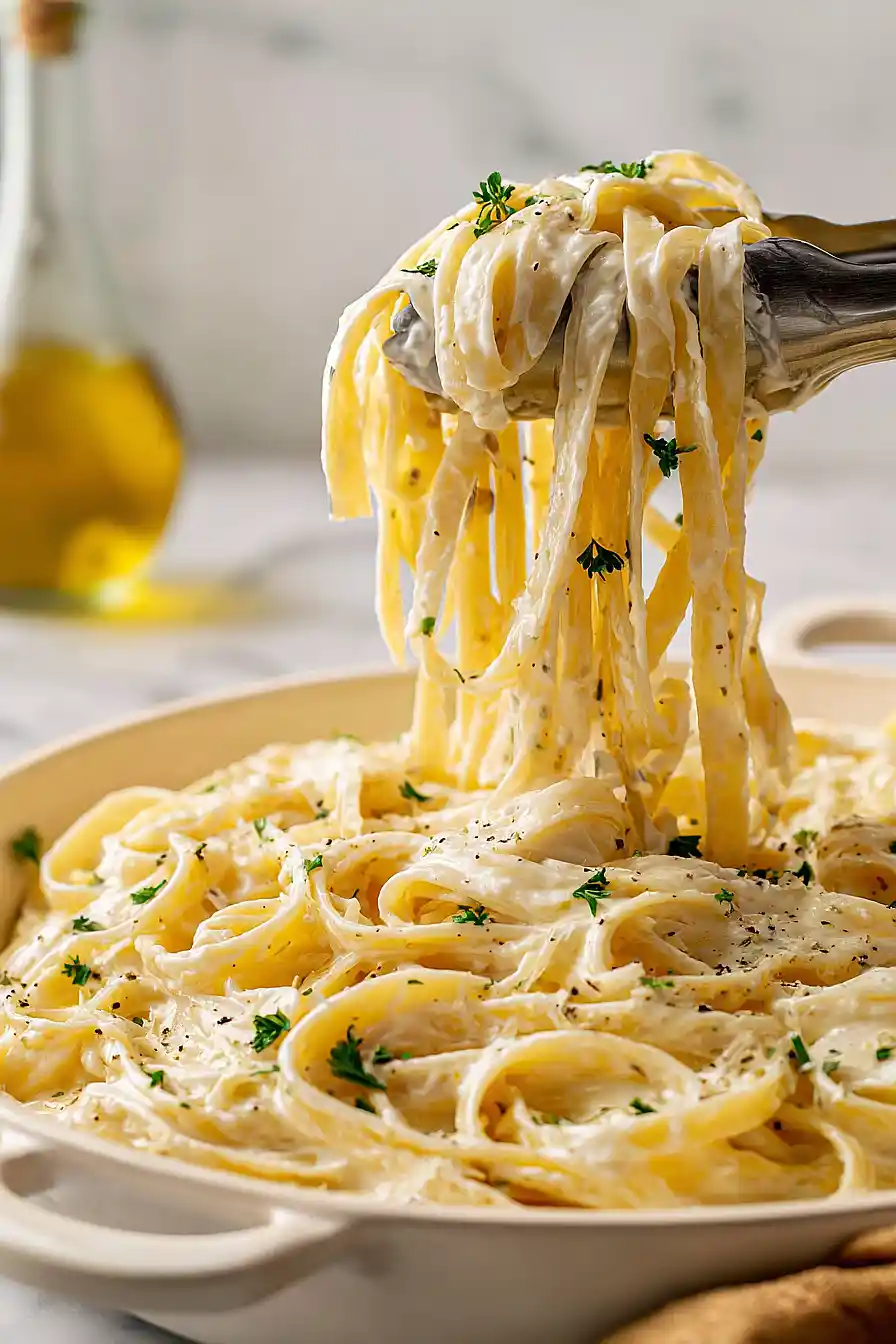
- Pasta: Any pasta shape works with this sauce. Fettuccine is classic, but penne, rigatoni, or even spaghetti are all great choices.
- Herbs: Fresh or dried basil and oregano both work fine. If using dried, use about 1/2 teaspoon of each since dried herbs are more concentrated than fresh.
Watch Out for These Mistakes While Cooking
The biggest mistake when making cottage cheese alfredo is cooking the sauce over high heat, which can cause it to break and become grainy – stick to medium-low heat and be patient while it thickens.
Many people skip blending the cottage cheese long enough, leaving lumps in the sauce, so make sure to blend for at least 30-45 seconds until it’s completely smooth before adding it to the pot.
Another common error is adding the pasta directly to the sauce without reserving some pasta water – keep about half a cup of that starchy water on hand to thin the sauce if it gets too thick, since it helps the alfredo coat the pasta better.
Finally, don’t let the sauce sit on the heat after it thickens, as it will continue to thicken and can turn pasty, so turn off the heat once it reaches your desired consistency and add the pasta right away.

What to Serve With Cottage Cheese Alfredo?
This cottage cheese alfredo is already pretty filling on its own, but I love serving it with a simple side salad tossed with Italian dressing and some crusty garlic bread for scooping up any extra sauce. If you want to make it a complete meal, grilled chicken breast or sautéed shrimp work great mixed right into the pasta, and you can toss in some roasted broccoli or spinach for added veggies. A glass of white wine and some freshly cracked black pepper on top make this feel like a restaurant-quality dinner at home. For a lighter option, serve it alongside roasted asparagus or green beans with a squeeze of lemon.
Storage Instructions
Store: Keep your cottage cheese alfredo in an airtight container in the fridge for up to 3 days. The sauce might thicken up a bit as it sits, which is totally normal. I find it tastes best when stored separately from the pasta if you can, but it’s fine mixed together too.
Freeze: This alfredo sauce can be frozen for up to 2 months, though cream-based sauces sometimes separate a bit when thawed. If you’re planning to freeze it, I’d recommend freezing just the sauce without the pasta for better results.
Reheat: Warm it up gently on the stovetop over low heat, stirring often and adding a splash of milk to bring back that creamy texture. You can also microwave it in 30-second intervals, stirring between each one. If the sauce looks separated, just whisk it vigorously or add a bit more milk while heating.
| Preparation Time | 5-10 minutes |
| Cooking Time | 10-15 minutes |
| Total Time | 15-30 minutes |
| Level of Difficulty | Easy |
| Servings | 4 servings |
Estimated Nutrition
Estimated nutrition for the whole recipe (without optional ingredients):
- Calories: 380-430
- Protein: 32-36 g
- Fat: 14-18 g
- Carbohydrates: 28-34 g
Ingredients
For the sauce:
- 1.25 cups milk (I use Fairlife for higher protein and creaminess)
- 1/2 cup cottage cheese (I prefer Good Culture for a thicker texture)
- 1.5 tbsp cornstarch
- 1/4 tsp salt
- 1/8 tsp pepper
- 1/4 tsp garlic powder
- 1/8 tsp onion powder
- 1/2 cup parmesan (freshly grated from a block for a smoother melt)
- basil
- oregano
For the base and toppings:
- pasta (cooked al dente to prevent it from becoming mushy)
- meat
- vegetables
- parsley
Step 1: Prepare the Sauce Base by Blending Creamy Ingredients
- 1.25 cups milk
- 1/2 cup cottage cheese
- 1.5 tbsp cornstarch
- 1/4 tsp salt
- 1/8 tsp pepper
- 1/4 tsp garlic powder
- 1/8 tsp onion powder
- 1/2 cup parmesan, freshly grated
In a blender, combine the milk, cottage cheese, cornstarch, salt, pepper, garlic powder, onion powder, and freshly grated parmesan.
Blend on high speed until completely smooth and creamy—this is crucial because the cottage cheese must be fully incorporated so the sauce has a silky texture rather than lumpy.
I always blend for at least 30-45 seconds to ensure there are no cottage cheese curds visible, which makes a big difference in the final result.
Step 2: Cook and Thicken the Sauce with Herbs
- blended sauce mixture from Step 1
- basil
- oregano
Pour the blended mixture into a medium pot and place over medium-low heat, stirring frequently to prevent sticking on the bottom.
As it heats, stir in the basil and oregano.
Once small bubbles form around the edges and the sauce begins to steam, reduce the heat to low and simmer for 5 minutes, stirring occasionally.
The cornstarch will gradually thicken the sauce during this time.
Taste and adjust seasoning with extra salt, pepper, or herbs as needed—I like to add a touch more fresh basil at the end for brightness.
Step 3: Combine with Cooked Pasta and Finish
- thickened sauce from Step 2
- pasta, cooked al dente
Add the cooked al dente pasta directly to the pot and stir gently for 2-3 minutes over low heat until the pasta is well coated and heated through.
The residual heat will finish warming everything without overcooking the pasta.
If the sauce seems too thick, you can add a splash of milk to loosen it to your desired consistency.
Step 4: Plate and Serve with Accompaniments
- plated pasta from Step 3
- meat, cooked
- vegetables, prepared
- parsley, fresh for garnish
Divide the pasta into bowls or plates and serve immediately while hot.
Top or serve alongside your cooked meat and prepared vegetables, then garnish with fresh parsley for color and freshness.

Best Cottage Cheese Alfredo
Ingredients
For the sauce
- 1.25 cups milk (I use Fairlife for higher protein and creaminess)
- 1/2 cup cottage cheese (I prefer Good Culture for a thicker texture)
- 1.5 tbsp cornstarch
- 1/4 tsp salt
- 1/8 tsp pepper
- 1/4 tsp garlic powder
- 1/8 tsp onion powder
- 1/2 cup parmesan (freshly grated from a block for a smoother melt)
- basil
- oregano
For the base and toppings
- pasta (cooked al dente to prevent it from becoming mushy)
- meat
- vegetables
- parsley
Instructions
- In a blender, combine the milk, cottage cheese, cornstarch, salt, pepper, garlic powder, onion powder, and freshly grated parmesan. Blend on high speed until completely smooth and creamy—this is crucial because the cottage cheese must be fully incorporated so the sauce has a silky texture rather than lumpy. I always blend for at least 30-45 seconds to ensure there are no cottage cheese curds visible, which makes a big difference in the final result.
- Pour the blended mixture into a medium pot and place over medium-low heat, stirring frequently to prevent sticking on the bottom. As it heats, stir in the basil and oregano. Once small bubbles form around the edges and the sauce begins to steam, reduce the heat to low and simmer for 5 minutes, stirring occasionally. The cornstarch will gradually thicken the sauce during this time. Taste and adjust seasoning with extra salt, pepper, or herbs as needed—I like to add a touch more fresh basil at the end for brightness.
- Add the cooked al dente pasta directly to the pot and stir gently for 2-3 minutes over low heat until the pasta is well coated and heated through. The residual heat will finish warming everything without overcooking the pasta. If the sauce seems too thick, you can add a splash of milk to loosen it to your desired consistency.
- Divide the pasta into bowls or plates and serve immediately while hot. Top or serve alongside your cooked meat and prepared vegetables, then garnish with fresh parsley for color and freshness.