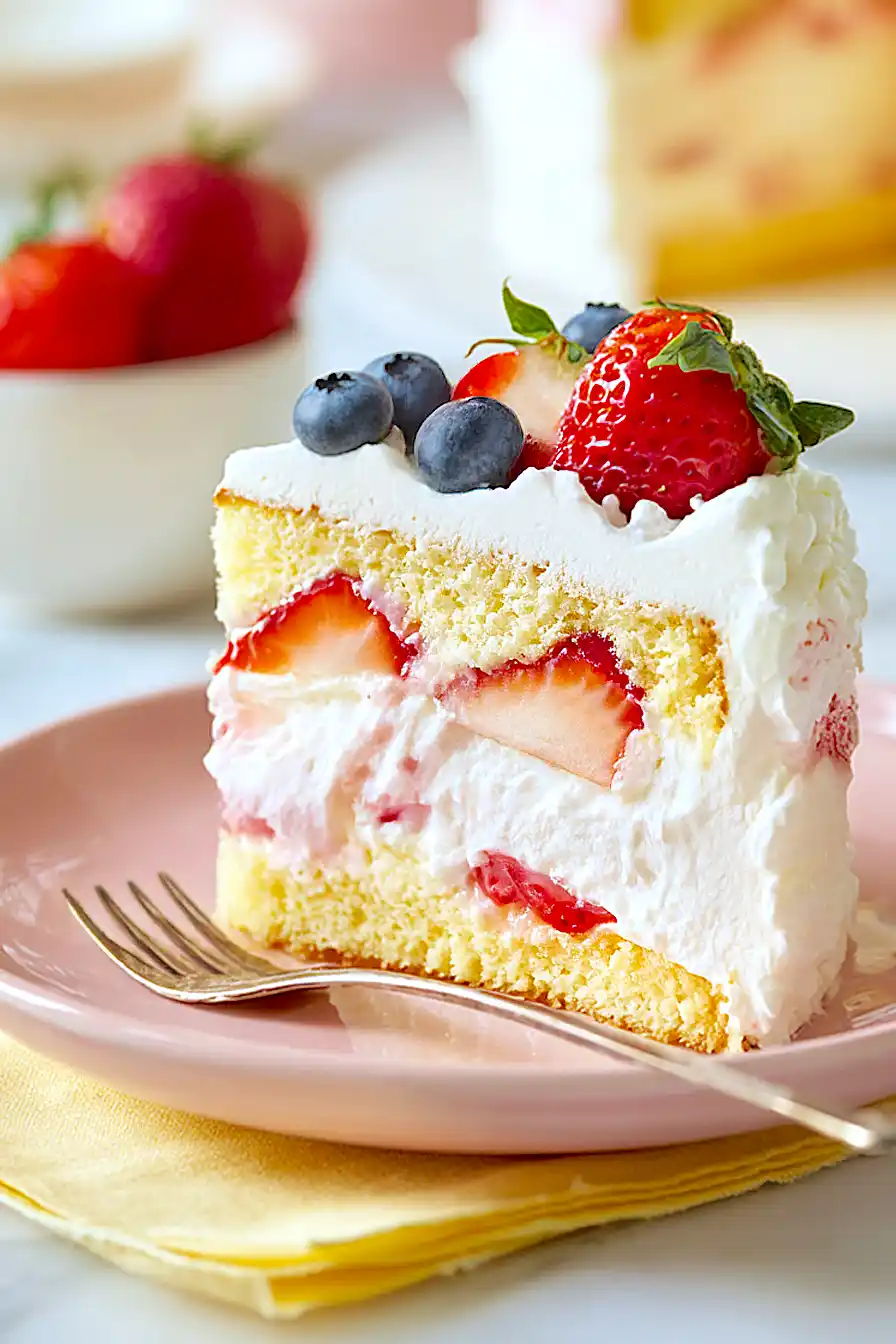
There’s something about Japanese strawberry shortcake that makes me feel like I’m doing something special, even though it’s surprisingly simple to make. The first time I tried it at a little bakery, I couldn’t believe how different it was from the dense, overly sweet American version I grew up with. It’s lighter, more cream than cake, and the strawberries actually taste like strawberries.
I know what you’re thinking—making a layer cake sounds like a weekend project. But here’s the thing: this cake comes together faster than you’d expect, and most of it is just waiting for things to cool. The actual hands-on time? Maybe an hour. I like to make it when I want to impress without spending all day in the kitchen.
The best part is how fresh it tastes. You get fluffy sponge cake, clouds of whipped cream, and juicy strawberries in every bite. It’s the kind of dessert that looks fancy but won’t stress you out.
Why You’ll Love This Japanese Strawberry Shortcake
- Light and airy texture – This cake is incredibly fluffy and delicate, making it feel less heavy than traditional American layer cakes while still being satisfying.
- Fresh and not overly sweet – The whipped cream frosting and fresh strawberries balance perfectly, so you get a treat that’s refreshing rather than sugar-loaded.
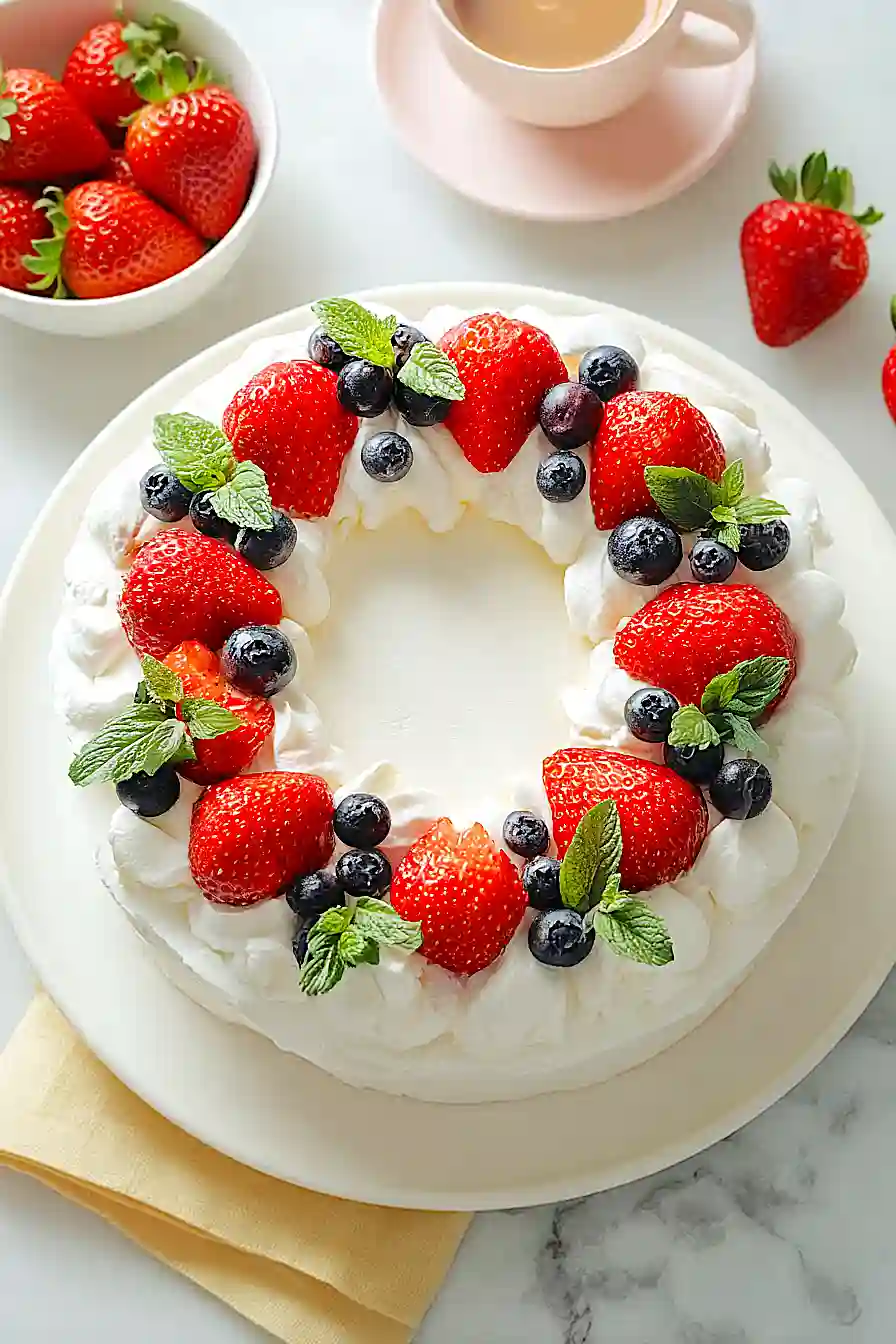
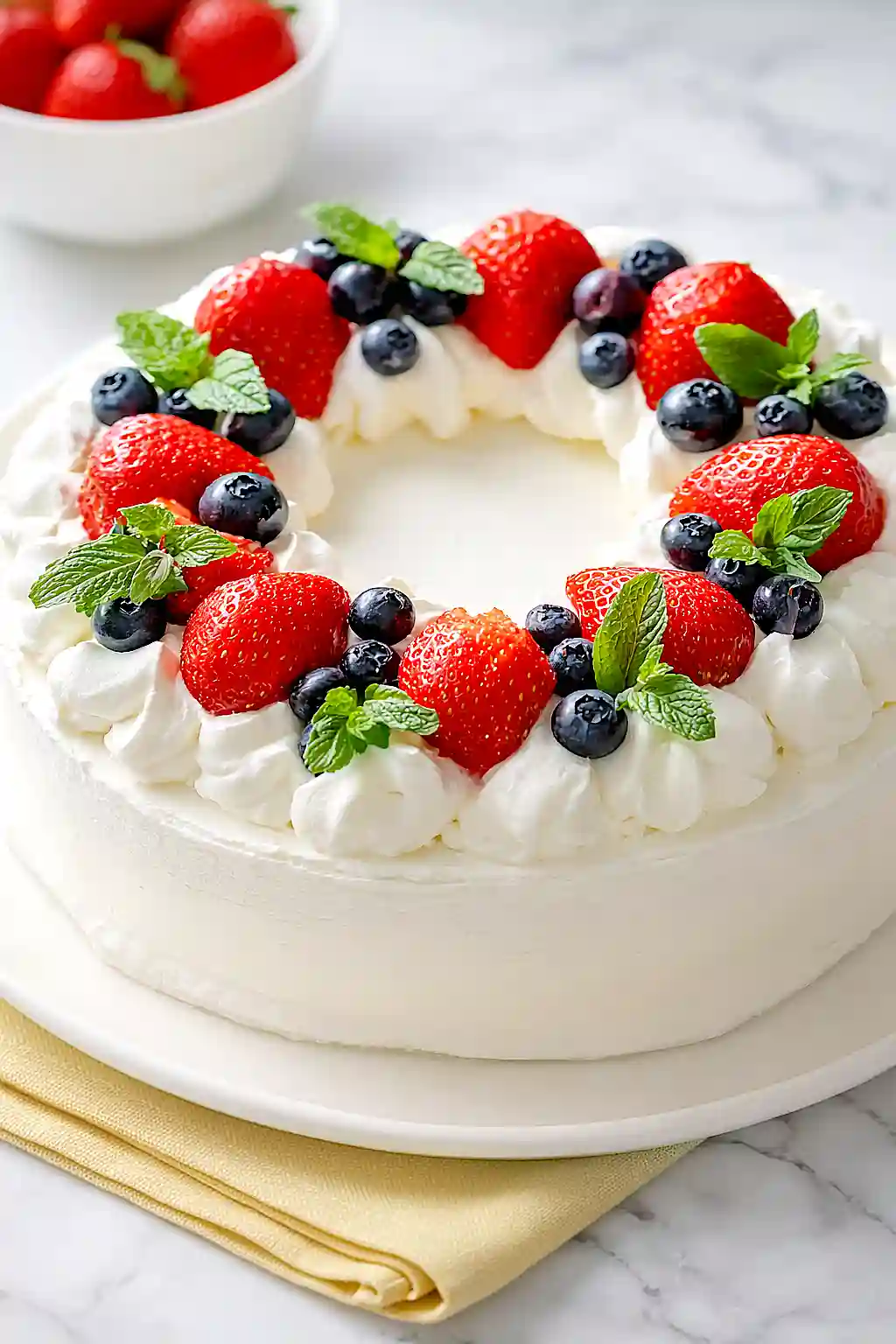
- Impressive presentation – This cake looks like it came straight from a fancy bakery, making it perfect for birthdays, celebrations, or when you want to treat yourself to something special.
- Simple ingredients – You probably have most of these pantry staples at home already, and the fresh strawberries are easy to find year-round.
What Kind of Strawberries Should I Use?
Fresh strawberries are really the star of this cake, so you’ll want to pick the best ones you can find. Look for berries that are bright red all the way through with no white or green spots near the stem, and make sure they’re firm to the touch without any soft or mushy areas. Smaller to medium-sized strawberries actually work better for this recipe since they’re easier to slice evenly and layer nicely in the cake. If you can only find larger strawberries, that’s totally fine – just slice them a bit thinner so they distribute evenly throughout your layers.
Options for Substitutions
This delicate cake has some room for swaps, though a few ingredients are best left as-is:
- Cake flour: Don’t have cake flour? You can make your own by measuring 1 cup of all-purpose flour, removing 2 tablespoons, and replacing it with 2 tablespoons of cornstarch. Sift it together a few times to get that light texture.
- Liquor: Traditional recipes use kirsch or rum, but you can use vanilla extract, almond extract, or even skip it entirely. If using extract, use just 1 teaspoon instead of a tablespoon.
- Heavy cream: For the whipped cream frosting, you really need heavy whipping cream with at least 36% fat content. Light cream or half-and-half won’t whip up properly, so this is one ingredient worth keeping as listed.
- Strawberries: While strawberries are traditional for this cake, you can use other berries like raspberries or sliced peaches during their peak season. Just make sure whatever fruit you choose isn’t too watery.
- Blueberries and mint: These are just for decoration, so feel free to skip them or use whatever garnish you prefer.
- Eggs: The eggs are essential for this sponge cake’s structure, so don’t try to substitute them. Make sure they’re at room temperature for the best results.
Watch Out for These Mistakes While Baking
The biggest mistake when making Japanese strawberry shortcake is overbeating your sponge cake batter after adding the flour, which can deflate all those air bubbles you worked hard to create and result in a dense, flat cake instead of a light, fluffy one.
Another common error is skipping the ribbon stage test – when you lift the whisk, the batter should fall in thick ribbons that hold their shape on the surface for a few seconds before disappearing.
Be careful not to overwhip your cream past soft peaks, as it can quickly turn grainy and butter-like, making it difficult to spread smoothly on your cake layers.
Finally, make sure your cake is completely cooled before assembling, otherwise the whipped cream will melt and slide right off, turning your beautiful dessert into a messy disaster.
What to Serve With Japanese Strawberry Shortcake?
Japanese strawberry shortcake is pretty much a complete dessert on its own, but a cup of green tea or coffee makes a perfect pairing to balance out the sweetness. If you’re serving this at a party or special occasion, consider adding some vanilla ice cream on the side for guests who want an extra indulgent treat. A light fruit salad with melon and kiwi can also work nicely if you want something refreshing alongside the cake. Since this cake is already rich with cream and berries, keep any sides simple so the delicate sponge cake and fresh strawberries remain the star of the show.
Storage Instructions
Store: This cake is best enjoyed the same day you make it, but you can keep it in the fridge for up to 2 days. Cover it loosely with plastic wrap or keep it in a cake container to prevent the whipped cream from absorbing any fridge odors. The strawberries will release some juice over time, so the cake gets a bit softer as it sits.
Make Ahead: You can bake the cake layers a day in advance and wrap them tightly in plastic wrap at room temperature. Just wait to assemble with the cream and strawberries until a few hours before serving. The whipped cream and fresh berries are really best added close to when you plan to eat it.
Serve: Let the cake sit at room temperature for about 10-15 minutes before serving if it’s been in the fridge. This helps the cream soften up a bit and brings out the flavors. The cake tastes amazing when it’s not super cold!
| Preparation Time | 60-70 minutes |
| Cooking Time | 20-25 minutes |
| Total Time | 80-95 minutes |
| Level of Difficulty | Medium |
| Servings | 8 slices |
Estimated Nutrition
Estimated nutrition for the whole recipe (without optional ingredients):
- Calories: 2200-2400
- Protein: 35-40 g
- Fat: 120-130 g
- Carbohydrates: 260-280 g
Ingredients
For the sponge cake:
- 1.5 tbsp butter (to grease the pan for easy release)
- 3.5 tbsp unsalted butter (I prefer Kerrygold for a richer flavor)
- 3 tbsp milk (room temperature, about 70°F)
- 4 large eggs
- 1/2 cup sugar
- 1 tsp vanilla extract
- 1 cup cake flour (I always use King Arthur for a light, airy crumb)
For the syrup:
- 2 tbsp water
- 3 tbsp sugar
- 1 tbsp liquor (Kirsch or Grand Marnier adds a sophisticated floral note)
For the frosting and assembly:
- 2 cups heavy cream (very cold, makes it extra creamy and stable)
- 3.5 tbsp sugar
- 1.25 lbs strawberries (hulled and sliced into 1/4-inch segments)
- 10 blueberries
- 2 sprigs mint leaves
Step 1: Prepare the Pan and Mise en Place
- 1.5 tbsp butter
- 1 cup cake flour
Preheat your oven to 350°F.
While it heats, grease a 9-inch round cake pan with the 1.5 tbsp butter, then line it with parchment paper for easy release.
Sift the cake flour twice into a separate bowl to aerate it—this is crucial for the light, fluffy crumb that defines a proper Japanese shortcake.
Set aside all your ingredients measured and ready before you begin the batter, as the subsequent steps move quickly.
Step 2: Create the Egg Foam Base
- 4 large eggs
- 1/2 cup sugar
Fill a large bowl with hot water (around 140°F) and place a smaller heatproof bowl on top, ensuring it doesn’t touch the water.
Add the 4 eggs and 1/2 cup sugar to the smaller bowl and whisk constantly until the mixture reaches about 104°F—this gentle heat expands the eggs and helps them incorporate more air.
Once warm, remove the bowl from heat and continue whisking on high speed for 2 minutes, then switch to low speed and beat until the mixture reaches the ribbon stage (it should fall from the whisk in a ribbon and briefly hold its shape).
Step 3: Prepare the Butter Mixture and Combine
- 3.5 tbsp unsalted butter
- 3 tbsp milk
- 1 tsp vanilla extract
- sifted cake flour from Step 1
- egg foam from Step 2
While the eggs are beating, melt the 3.5 tbsp unsalted butter in a small heatproof bowl over hot water, then stir in the 3 tbsp room-temperature milk to cool it slightly.
Once your egg foam reaches ribbon stage, gently fold in the sifted cake flour from Step 1 in two parts using a spatula, being careful not to deflate the foam.
Take one scoop of the batter and stir it into the butter-milk mixture to temper it, then gently fold this lightened mixture back into the main batter.
I find this technique prevents the butter from sinking to the bottom and creates an incredibly moist, tender crumb.
Step 4: Bake the Cake Layers
- batter from Step 3
Pour the batter into the prepared pan from Step 1 and tap the bottom firmly on the counter a few times to release large air bubbles.
Bake at 350°F for 20-25 minutes until a toothpick inserted in the center comes out clean and the top is pale golden.
As soon as it comes out, drop the pan from about 4 inches onto a heat-safe surface to shock it—this helps the cake cool evenly and prevent doming.
Turn the cake out onto a wire rack and immediately cover it with a damp towel as it cools; this keeps the exterior tender and prevents it from drying out.
Step 5: Prepare the Syrup and Whipped Cream
- 1.25 lbs strawberries
- 2 tbsp water
- 3 tbsp sugar
- 1 tbsp liquor
- 2 cups heavy cream
- 3.5 tbsp sugar
While the cake cools, hull and slice the strawberries into 1/4-inch segments.
In a small bowl, combine the 2 tbsp water, 3 tbsp sugar, and 1 tbsp liquor, then microwave for 1 minute to dissolve the sugar completely—this syrup adds moisture and elegant flavor to the cake layers.
Next, place a metal bowl in an ice bath and pour in the 2 cups very cold heavy cream.
Whisk until soft peaks form (the cream should hold a peak but still be fluffy and light), then gently fold in the 3.5 tbsp sugar.
I prefer to whisk by hand here rather than using an electric mixer so I have better control and end up with a silkier texture.
Step 6: Layer and Assemble the Shortcake
- cooled cake from Step 4
- syrup from Step 5
- whipped cream from Step 5
- sliced strawberries from Step 5
Once the cooled cake is completely cool, carefully slice it horizontally into two even layers using a serrated knife or cake leveler.
Place the bottom layer on your serving plate and brush it generously with the syrup from Step 5.
Spread a portion of the whipped cream from Step 5 over the syrup, then arrange a layer of sliced strawberries on top.
Set the second cake layer in place and brush its top with the remaining syrup.
Cover the entire top and sides of the cake with the remaining whipped cream, creating an elegant crumb coat, then pipe decorative rosettes on top with a piping bag if desired.
Step 7: Garnish and Finish
- assembled cake from Step 6
- 10 blueberries
- 2 sprigs mint leaves
- reserved sliced strawberries from Step 5
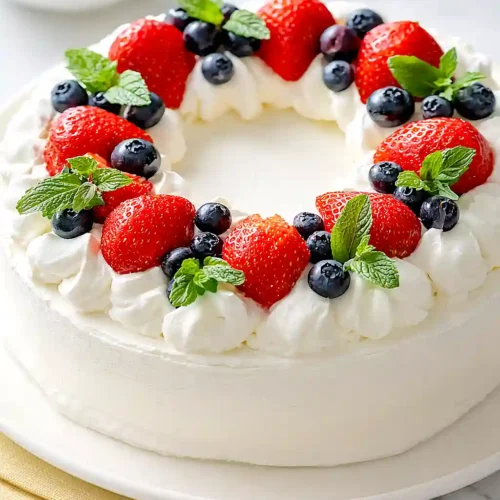
Crown the top of the cake with the reserved sliced strawberries, arranging them in an attractive pattern.
Scatter the 10 blueberries among the strawberries for color contrast, then finish with the 2 sprigs of fresh mint for a touch of elegance.
Serve immediately or refrigerate until ready to serve; the cake is best enjoyed the same day it’s assembled for optimal texture and flavor.
Best Japanese Strawberry Shortcake
Ingredients
For the sponge cake::
- 1.5 tbsp butter (to grease the pan for easy release)
- 3.5 tbsp unsalted butter (I prefer Kerrygold for a richer flavor)
- 3 tbsp milk (room temperature, about 70°F)
- 4 large eggs
- 1/2 cup sugar
- 1 tsp vanilla extract
- 1 cup cake flour (I always use King Arthur for a light, airy crumb)
For the syrup::
- 2 tbsp water
- 3 tbsp sugar
- 1 tbsp liquor (Kirsch or Grand Marnier adds a sophisticated floral note)
For the frosting and assembly::
- 2 cups heavy cream (very cold, makes it extra creamy and stable)
- 3.5 tbsp sugar
- 1.25 lbs strawberries (hulled and sliced into 1/4-inch segments)
- 10 blueberries
- 2 sprigs mint leaves
Instructions
- Preheat your oven to 350°F. While it heats, grease a 9-inch round cake pan with the 1.5 tbsp butter, then line it with parchment paper for easy release. Sift the cake flour twice into a separate bowl to aerate it—this is crucial for the light, fluffy crumb that defines a proper Japanese shortcake. Set aside all your ingredients measured and ready before you begin the batter, as the subsequent steps move quickly.
- Fill a large bowl with hot water (around 140°F) and place a smaller heatproof bowl on top, ensuring it doesn't touch the water. Add the 4 eggs and 1/2 cup sugar to the smaller bowl and whisk constantly until the mixture reaches about 104°F—this gentle heat expands the eggs and helps them incorporate more air. Once warm, remove the bowl from heat and continue whisking on high speed for 2 minutes, then switch to low speed and beat until the mixture reaches the ribbon stage (it should fall from the whisk in a ribbon and briefly hold its shape).
- While the eggs are beating, melt the 3.5 tbsp unsalted butter in a small heatproof bowl over hot water, then stir in the 3 tbsp room-temperature milk to cool it slightly. Once your egg foam reaches ribbon stage, gently fold in the sifted cake flour from Step 1 in two parts using a spatula, being careful not to deflate the foam. Take one scoop of the batter and stir it into the butter-milk mixture to temper it, then gently fold this lightened mixture back into the main batter. I find this technique prevents the butter from sinking to the bottom and creates an incredibly moist, tender crumb.
- Pour the batter into the prepared pan from Step 1 and tap the bottom firmly on the counter a few times to release large air bubbles. Bake at 350°F for 20-25 minutes until a toothpick inserted in the center comes out clean and the top is pale golden. As soon as it comes out, drop the pan from about 4 inches onto a heat-safe surface to shock it—this helps the cake cool evenly and prevent doming. Turn the cake out onto a wire rack and immediately cover it with a damp towel as it cools; this keeps the exterior tender and prevents it from drying out.
- While the cake cools, hull and slice the strawberries into 1/4-inch segments. In a small bowl, combine the 2 tbsp water, 3 tbsp sugar, and 1 tbsp liquor, then microwave for 1 minute to dissolve the sugar completely—this syrup adds moisture and elegant flavor to the cake layers. Next, place a metal bowl in an ice bath and pour in the 2 cups very cold heavy cream. Whisk until soft peaks form (the cream should hold a peak but still be fluffy and light), then gently fold in the 3.5 tbsp sugar. I prefer to whisk by hand here rather than using an electric mixer so I have better control and end up with a silkier texture.
- Once the cooled cake is completely cool, carefully slice it horizontally into two even layers using a serrated knife or cake leveler. Place the bottom layer on your serving plate and brush it generously with the syrup from Step 5. Spread a portion of the whipped cream from Step 5 over the syrup, then arrange a layer of sliced strawberries on top. Set the second cake layer in place and brush its top with the remaining syrup. Cover the entire top and sides of the cake with the remaining whipped cream, creating an elegant crumb coat, then pipe decorative rosettes on top with a piping bag if desired.
- Crown the top of the cake with the reserved sliced strawberries, arranging them in an attractive pattern. Scatter the 10 blueberries among the strawberries for color contrast, then finish with the 2 sprigs of fresh mint for a touch of elegance. Serve immediately or refrigerate until ready to serve; the cake is best enjoyed the same day it's assembled for optimal texture and flavor.