I used to think gluten-free baking was this complicated thing that required a dozen different flours and a science degree. Every time I tried to make something without regular flour, it turned out dense and crumbly. My kids would take one bite and politely ask for regular muffins instead.
Then I discovered that butternut squash is basically a secret weapon for gluten-free baking. It adds natural moisture and sweetness, so you don’t need all those fancy ingredients. These muffins come out soft and fluffy, and my family actually asks for seconds. Sometimes the simplest solutions are right there in your produce aisle.
Why You’ll Love These Butternut Squash Muffins
- Naturally gluten-free – Made with coconut and tapioca flour, these muffins are perfect for anyone avoiding gluten without sacrificing taste or texture.
- Wholesome ingredients – Sweetened with maple syrup instead of refined sugar and packed with nutritious butternut squash, you can feel good about serving these to your family.
- Cozy fall flavors – The warm spices like cinnamon and nutmeg combined with butternut squash create that perfect autumn taste that makes your kitchen smell amazing.
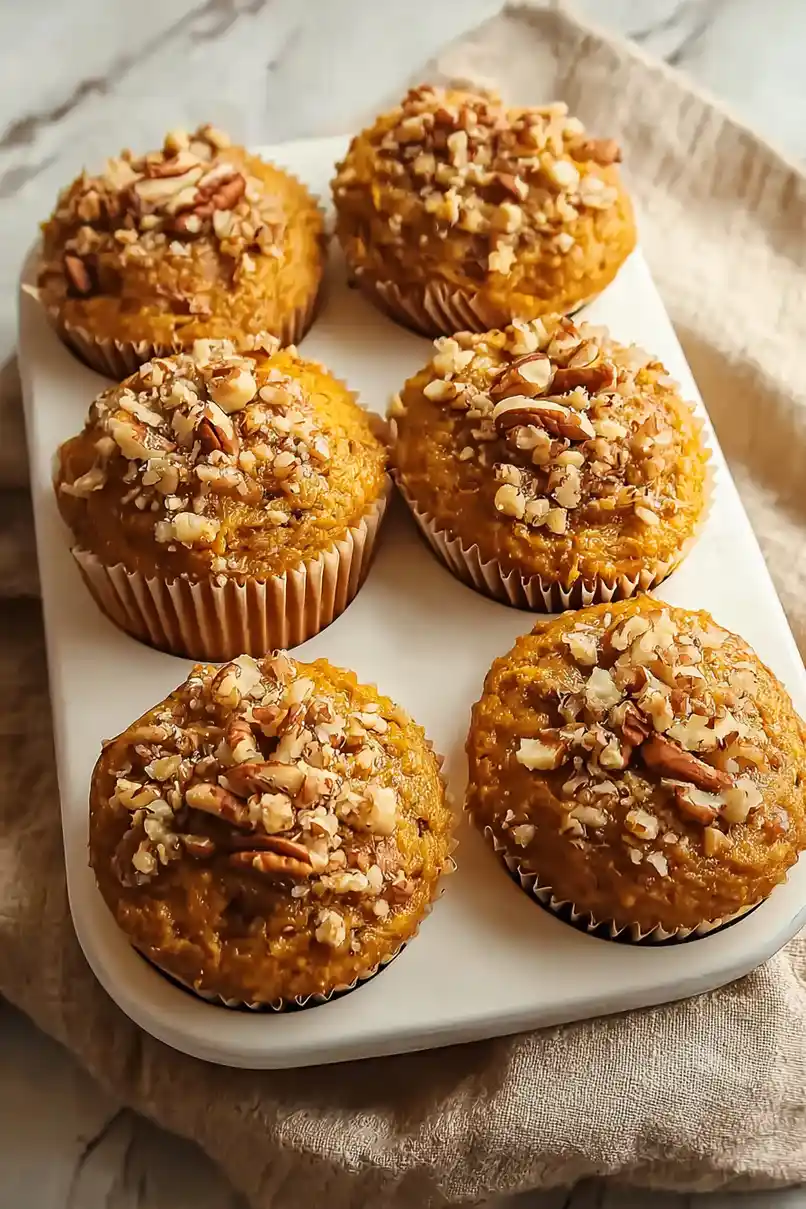
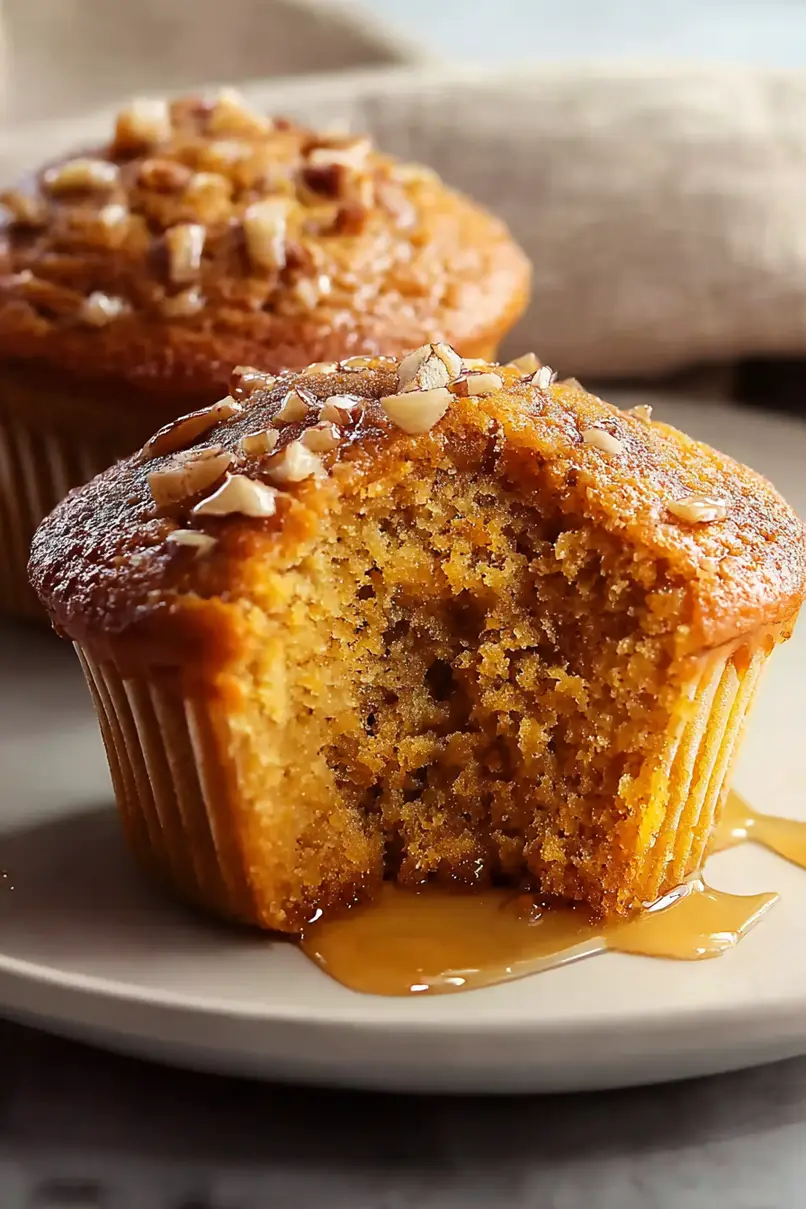
- Moist and tender texture – The butternut squash puree keeps these muffins incredibly soft and moist, while the pecan topping adds a nice crunch.
- Perfect for meal prep – These muffins freeze well and make great grab-and-go breakfasts or snacks throughout the week.
What Kind of Butternut Squash Should I Use?
You can absolutely use store-bought butternut squash puree for these muffins – it’s convenient and works perfectly well. If you want to make your own, look for a butternut squash that feels heavy for its size and has a tan, matte skin without any soft spots or green streaks. When making fresh puree, you’ll roast the squash halves cut-side down until they’re fork-tender, then scoop out the flesh and blend it smooth. Whether you go homemade or store-bought, make sure your puree is thick and not watery, as too much moisture can make your muffins dense instead of fluffy.
Options for Substitutions
These gluten-free muffins are pretty adaptable, but there are a few key ingredients you’ll want to keep as-is:
- Coconut flour and tapioca flour: These two flours work together to create the right texture, so I’d recommend sticking with them. If you absolutely need to substitute, try almond flour (use ¾ cup) plus arrowroot starch instead of tapioca, but the texture will be different.
- Butternut squash puree: Pumpkin puree works perfectly as a 1:1 swap. Sweet potato puree also works well, though it’ll give a slightly different flavor. Make sure any substitute is thick, not watery.
- Coconut oil: You can use melted butter or avocado oil instead. If using butter, let it cool slightly before mixing with the eggs to prevent scrambling.
- Maple syrup: Honey works as a direct substitute, or you can use agave nectar. For the maple sugar in the topping, brown sugar or coconut sugar will work just fine.
- Pecans: Walnuts, chopped almonds, or even pumpkin seeds make great substitutes in the topping. You can also leave them out completely if you prefer plain muffins.
- Baking powder: Make sure to use grain-free baking powder to keep these truly gluten-free. Regular baking powder often contains cornstarch, which some people avoid on grain-free diets.
Watch Out for These Mistakes While Baking
The biggest mistake with gluten-free muffins is overmixing the batter, which can make your muffins dense and gummy instead of light and fluffy – mix just until the ingredients are combined and no dry flour is visible. Since coconut flour is super absorbent, make sure your butternut squash puree isn’t too watery by draining it well or roasting your squash cut-side down to avoid excess moisture that can make the muffins soggy. Don’t skip letting the batter rest for 5-10 minutes before baking, as this gives the coconut flour time to fully hydrate and creates a better texture. For perfectly domed muffins, fill your liners only about 2/3 full and avoid opening the oven door during the first 15 minutes of baking, which can cause them to collapse.
What to Serve With Butternut Squash Muffins?
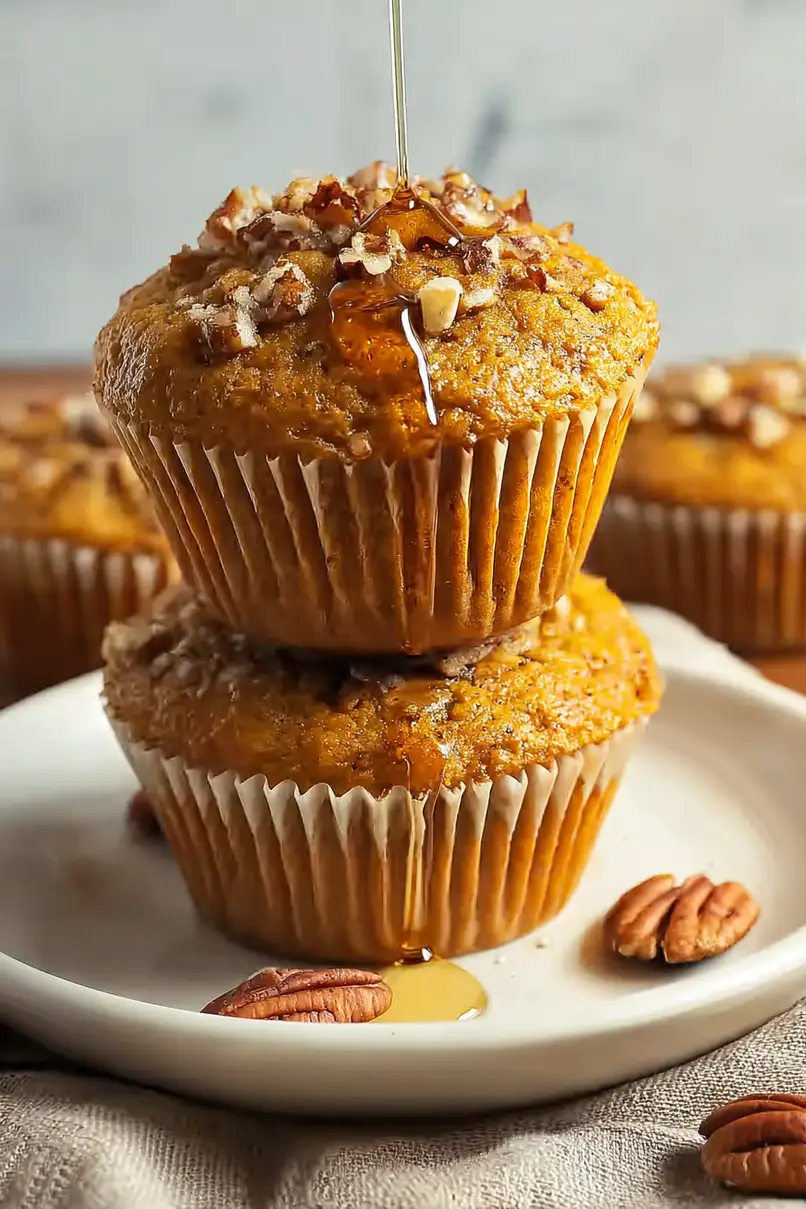
These muffins are perfect for breakfast or an afternoon snack with a hot cup of coffee or chai tea – the warm spices really complement those cozy fall flavors. I love serving them alongside a simple fruit salad with apples and pears, or even just sliced bananas with a drizzle of almond butter for extra protein. For a more indulgent treat, try warming them up and spreading a little butter or cream cheese on top, which pairs beautifully with the sweet butternut squash and maple flavors. They’re also great packed in lunchboxes or enjoyed as a quick grab-and-go breakfast with a glass of milk or your favorite plant-based milk alternative.
Storage Instructions
Keep Fresh: These muffins stay moist and delicious when stored in an airtight container at room temperature for up to 3 days. Since they’re made with coconut flour, they actually get better after sitting for a day as the flavors meld together nicely.
Refrigerate: For longer storage, pop them in the fridge where they’ll keep fresh for up to a week. The butternut squash keeps them naturally moist, so they won’t dry out like some gluten-free baked goods tend to do.
Freeze: These muffins freeze really well for up to 3 months! Wrap each one individually in plastic wrap or store them in a freezer-safe container with parchment paper between layers. Perfect for grabbing a quick breakfast on busy mornings.
Warm Up: To enjoy frozen muffins, just thaw them at room temperature for about 30 minutes or pop them in the microwave for 20-30 seconds. If you want that fresh-baked taste, warm them in a 300°F oven for 5-7 minutes.
| Preparation Time | 20-30 minutes |
| Cooking Time | 30-35 minutes |
| Total Time | 50-65 minutes |
| Level of Difficulty | Medium |
Estimated Nutrition
Estimated nutrition for the whole recipe (without optional ingredients):
- Calories: 820-890
- Protein: 15-18 g
- Fat: 48-55 g
- Carbohydrates: 90-100 g
Ingredients
For the muffin batter:
- 1/2 tsp ground cinnamon (freshly ground preferred)
- 1 tsp grain-free baking powder
- 3 large eggs
- 3 tbsp coconut oil (melted and cooled)
- 1/4 cup maple syrup (pure, not pancake syrup)
- 1/8 tsp fine sea salt
- 1 tsp vanilla extract
- 2 tbsp tapioca flour
- 1/2 cup butternut squash puree (fresh or canned)
- 1/4 cup coconut flour (finely ground, not shredded)
- 1/8 tsp grated fresh nutmeg (or 1/8 tsp ground nutmeg)
For the pecan topping:
- 2 tsp tapioca flour
- 1 tsp coconut oil
- 2 tsp maple sugar
- 1/8 tsp ground cinnamon
- Pinch sea salt
- 1 tsp maple syrup
- 1/4 cup chopped pecans (roughly chopped into 1/4-inch pieces)
Step 1: Roast and Prepare the Butternut Squash
- 1 butternut squash, halved
- Olive oil for brushing
Preheat your oven to 400°F.
If using fresh butternut squash, cut it in half lengthwise and brush the cut sides with a little olive oil.
Place the squash halves face-down on a baking sheet and roast for 25-30 minutes until the flesh is very tender and easily pierced with a fork.
Once cooled slightly, scoop out the flesh and blend or process it until completely smooth.
You should have about 1/2 cup of puree for the batter.
If using canned puree, simply ensure it’s smooth and proceed to the next step.
Step 2: Prepare the Dry Ingredient Mixture
- 1/4 cup coconut flour
- 2 tbsp tapioca flour
- 1/8 tsp fine sea salt
- 1 tsp grain-free baking powder
- 1/2 tsp ground cinnamon
- 1/8 tsp grated fresh nutmeg
While the squash is roasting, sift together the coconut flour, tapioca flour, salt, baking powder, cinnamon, and nutmeg in a medium bowl.
I like to sift the dry ingredients together rather than whisking them separately because it helps break up any lumps in the coconut flour and distributes the spices evenly throughout.
Set this mixture aside until you’re ready to combine it with the wet ingredients.
Step 3: Make the Wet Ingredient Base
- 3 large eggs
- 1/4 cup maple syrup
- 3 tbsp coconut oil
- 1/2 cup butternut squash puree
- 1 tsp vanilla extract
In a large bowl, whisk together the eggs, maple syrup, melted and cooled coconut oil, butternut squash puree from Step 1, and vanilla extract until well combined and smooth.
The mixture should be homogeneous with no streaks of oil or squash.
This creates an emulsion that will help the muffins stay moist.
Step 4: Combine Wet and Dry Ingredients
- wet ingredient mixture from Step 3
- dry ingredient mixture from Step 2
Add the dry ingredient mixture from Step 2 to the wet ingredients from Step 3, and whisk until just combined.
The batter should be smooth and free of lumps, but don’t overmix—just fold everything together until there are no streaks of dry flour visible.
Overmixing can lead to dense, tough muffins because coconut flour is quite sensitive to mixing.
Step 5: Prepare the Topping and Line the Muffin Tin
- 2 tsp maple sugar
- 1 tsp maple syrup
- 1/4 cup chopped pecans
- 2 tsp tapioca flour
- 1 tsp coconut oil
- 1/8 tsp ground cinnamon
- Pinch sea salt
While your oven continues heating or after you remove the squash, line a muffin tin with 6 paper liners.
In a small bowl, combine the maple sugar, maple syrup, chopped pecans, tapioca flour, coconut oil, cinnamon, and salt to create a crumbly topping mixture.
This topping will add texture and extra cinnamon flavor to the muffins.
Step 6: Fill Muffins and Add Topping
- muffin batter from Step 4
- topping mixture from Step 5
Divide the batter from Step 4 evenly among the 6 paper liners, filling each about two-thirds full.
Sprinkle the topping mixture from Step 5 generously over each muffin, pressing it down slightly so it adheres to the batter.
The topping should create a nice cinnamon-pecan crust when baked.
Step 7: Bake and Cool the Muffins
Bake the muffins at 400°F for 18-20 minutes, until a toothpick inserted into the center comes out clean or with just a few moist crumbs.
The tops should be lightly golden and the topping should be set.
Let the muffins cool in the pan for about 5 minutes so they can set slightly, then transfer them to a wire rack to cool completely.
I always let mine cool for at least 10-15 minutes before eating them because gluten-free muffins can crumble if you eat them while they’re still too warm.