I love baking bread, but I don’t always love the guilt that comes with eating slice after slice of something loaded with butter and sugar. That’s where this Greek yogurt zucchini bread comes in. It gives me that same warm, freshly-baked feeling without making me feel like I need to skip lunch.
The Greek yogurt keeps everything moist while cutting down on the oil, and the zucchini sneaks in some vegetables without anyone noticing. I’ve brought this to school potlucks and family gatherings, and people always ask for the recipe. They’re usually surprised when I tell them there’s a whole pound of zucchini in there.
The best part? You can have a slice for breakfast and not feel bad about it. Or have two slices. I won’t tell anyone.
Why You’ll Love This Greek Yogurt Zucchini Bread
- Moist and tender texture – The combination of Greek yogurt and fresh zucchini keeps this bread incredibly soft and prevents it from drying out, even days after baking.
- Sneaky way to use up zucchini – If you have a garden overflowing with zucchini or just want to add more veggies to your diet, this bread is a delicious solution that doesn’t taste like you’re eating vegetables.
- Healthier than traditional quick breads – Greek yogurt adds protein while keeping the bread light, making it a better choice for breakfast or snacking compared to other sweet breads.
- Perfect for meal prep – This recipe makes a full loaf that stays fresh for days and freezes beautifully, so you can enjoy it throughout the week or save slices for later.
What Kind of Greek Yogurt Should I Use?
For this zucchini bread, you’ll want to use plain Greek yogurt rather than flavored varieties that could throw off the taste. Full-fat Greek yogurt will give you the moistest, most tender bread, but 2% or even non-fat will work just fine if that’s what you have on hand. If you don’t have Greek yogurt available, regular plain yogurt can work in a pinch, though you might want to strain it through a cheesecloth for a few minutes to remove some excess liquid. The thickness of Greek yogurt is what helps keep this bread nice and moist without making it too dense.
Options for Substitutions
This zucchini bread is pretty forgiving, so here are some swaps you can make based on what you have:
- Greek yogurt: Regular yogurt works fine here, or you can use sour cream for a similar tangy flavor and moist texture. Applesauce is another option if you want to keep it lighter.
- Olive oil: Any neutral oil like vegetable, canola, or melted coconut oil will work. You can even use melted butter if you prefer a richer taste.
- Brown sugar: White sugar is a fine substitute, though you’ll lose a bit of that molasses flavor. You can also use coconut sugar or a mix of half white sugar and half honey.
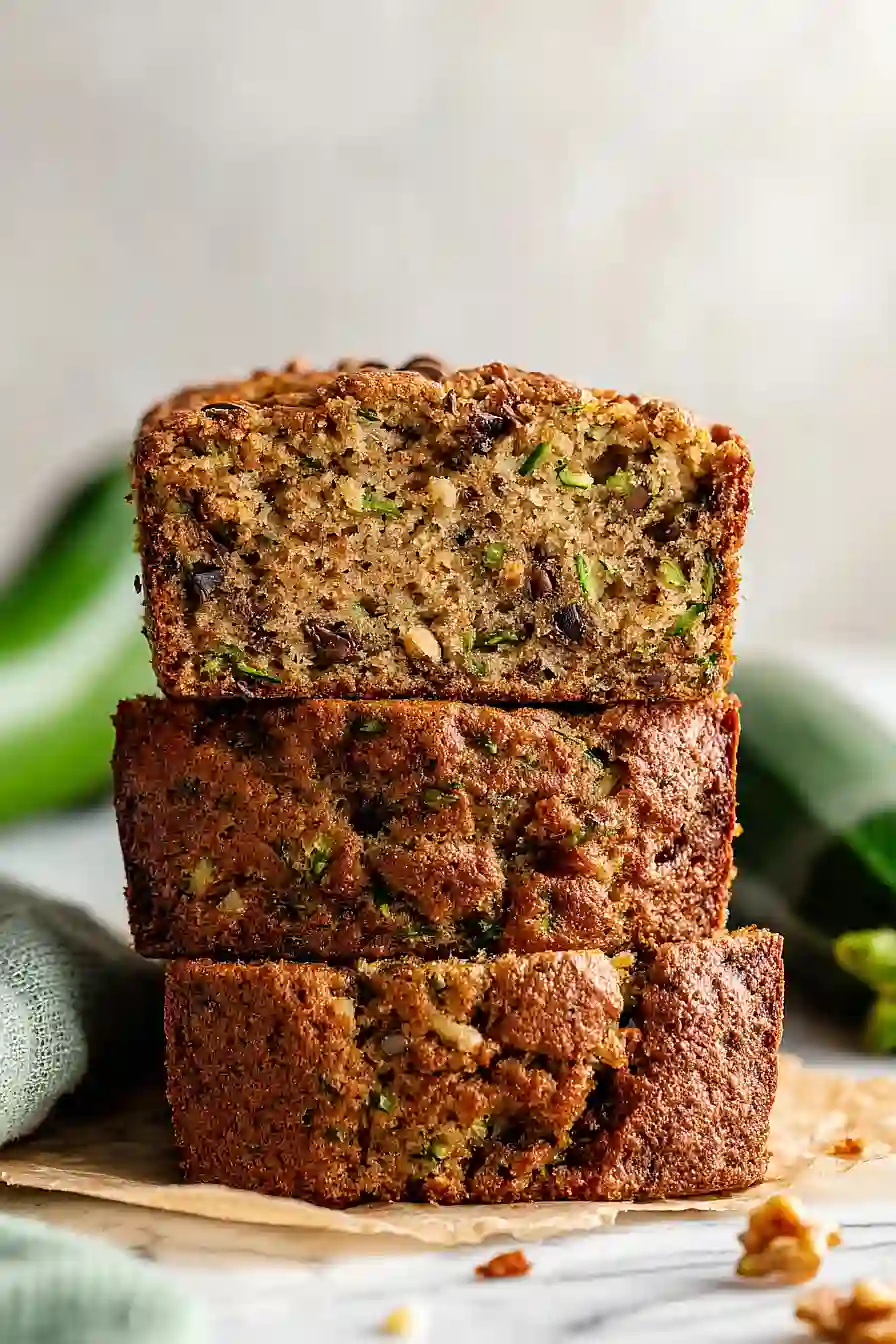
- Walnuts: Pecans or almonds make great alternatives, or you can leave the nuts out completely if you have allergies or just don’t like them. Some people like adding chocolate chips instead.
- All-purpose flour: You can swap up to half the flour with whole wheat flour for a heartier bread. For a gluten-free version, use a 1:1 gluten-free baking flour blend.
- Nutmeg: If you’re out of nutmeg, just add a bit more cinnamon or try ground ginger for a different warm spice note.
Watch Out for These Mistakes While Baking
The biggest mistake people make with zucchini bread is skipping the step where you squeeze out excess moisture from the grated zucchini, which can lead to a dense, gummy loaf that never fully cooks through – use a clean kitchen towel or cheesecloth and really wring it out until barely any liquid comes out.
Overmixing the batter once you add the dry ingredients is another common error that results in tough, chewy bread instead of a tender crumb, so stir just until the flour disappears and you still see a few streaks.
Since this is a thick, moist batter, resist the urge to pull it out early even if the top looks done – use a toothpick or skewer inserted into the center, and if it comes out with wet batter (not just moist crumbs), give it another 5-10 minutes.
Let the bread cool in the pan for at least 15 minutes before attempting to remove it, as warm zucchini bread is fragile and can break apart easily.
What to Serve With Zucchini Bread?
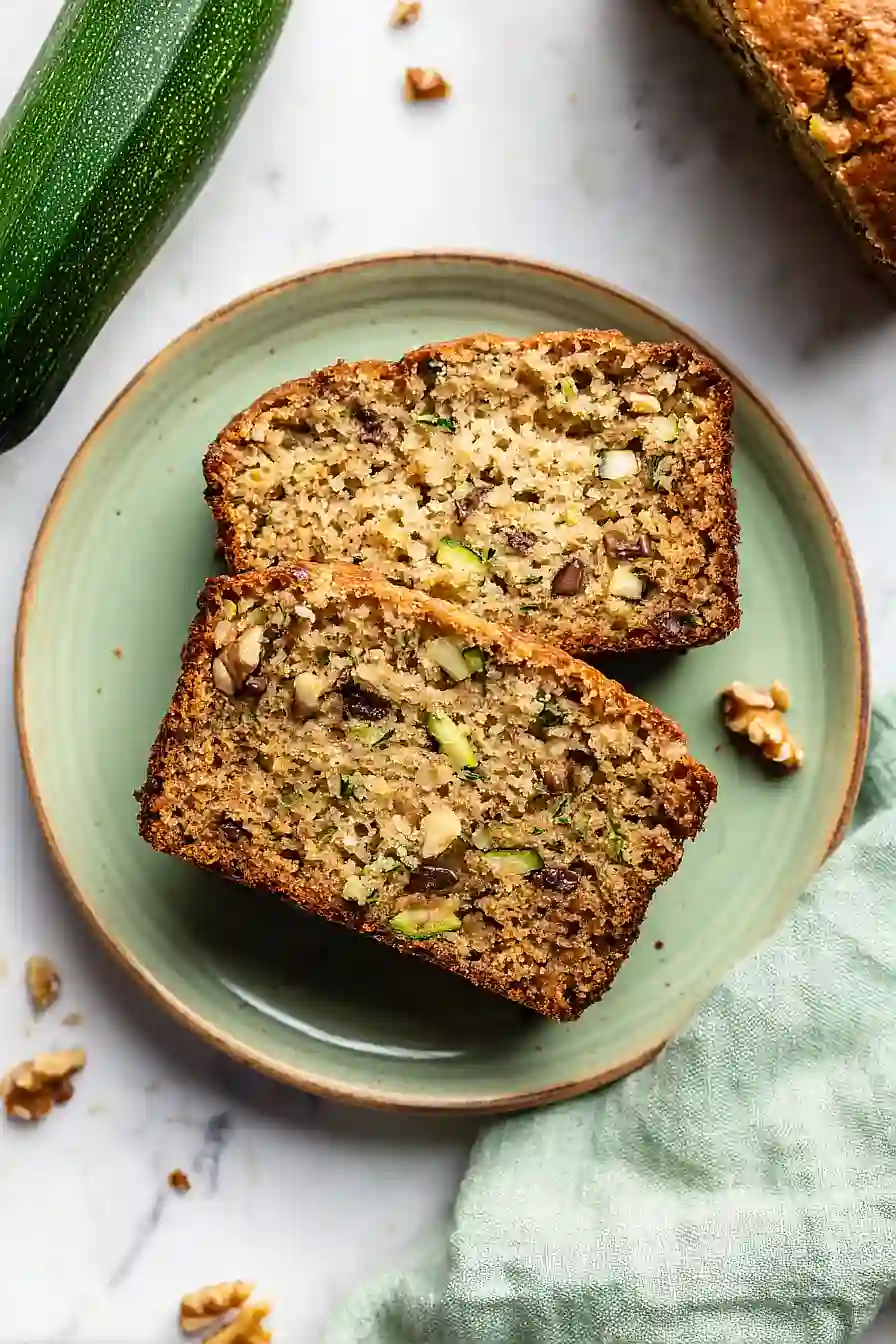
Zucchini bread is perfect for breakfast or an afternoon snack, and I love serving it with a hot cup of coffee or tea. You can spread a little butter or cream cheese on a warm slice to make it even more satisfying, or drizzle some honey on top for extra sweetness. It also pairs really well with fresh fruit like berries or sliced peaches on the side, which adds a nice freshness to balance out the bread’s warmth and spice. If you’re making it for brunch, serve it alongside scrambled eggs and bacon for a complete meal that everyone will enjoy.
Storage Instructions
Store: This zucchini bread stays moist and delicious for days. Wrap it tightly in plastic wrap or store it in an airtight container at room temperature for up to 3 days, or in the fridge for up to a week. The Greek yogurt actually helps keep it from drying out!
Freeze: Zucchini bread is one of those recipes that freezes really well. Wrap individual slices in plastic wrap and then place them in a freezer bag, or freeze the whole loaf wrapped tightly. It’ll keep for up to 3 months, which is great when you have extra zucchini from the garden.
Serve: Let frozen slices thaw at room temperature for about an hour, or warm them in the microwave for 20-30 seconds. If you froze the whole loaf, let it thaw overnight in the fridge. I love eating mine slightly warmed with a little butter spread on top.
| Preparation Time | 10-15 minutes |
| Cooking Time | 70-75 minutes |
| Total Time | 80-90 minutes |
| Level of Difficulty | Medium |
| Servings | 12 slices |
Estimated Nutrition
Estimated nutrition for the whole recipe (without optional ingredients):
- Calories: 2750-2950
- Protein: 50-58 g
- Fat: 115-125 g
- Carbohydrates: 370-390 g
Ingredients
Dry ingredients:
- 2 1/4 cups flour (I always use King Arthur all-purpose flour)
- 1 1/4 tsp cinnamon
- 1 tsp baking soda
- 1/2 tsp baking powder
- 1/4 tsp salt
- 1/2 tsp nutmeg (freshly grated for a more intense aroma)
Wet ingredients:
- 1 lb zucchini (shredded and squeezed dry to prevent sogginess)
- 1 cup brown sugar (packed firmly for better moisture and sweetness)
- 1/2 cup olive oil
- 1/2 cup yogurt (I recommend Chobani non-fat plain Greek yogurt)
- 2 eggs (room temperature, about 70°F)
- 1 1/2 tsp vanilla
Add-ins and preparation:
- 3/4 cup walnuts (coarsely chopped into 1/4-inch pieces)
- cooking spray
Step 1: Prepare the Zucchini and Mise en Place
- 1 lb zucchini
- 2 1/4 cups flour
- 1 1/4 tsp cinnamon
- 1 tsp baking soda
- 1/2 tsp baking powder
- 1/4 tsp salt
- 1/2 tsp nutmeg
- 1 cup brown sugar
- 1/2 cup olive oil
- 1/2 cup Greek yogurt
- 2 eggs
- 1 1/2 tsp vanilla
- 3/4 cup walnuts
Shred the zucchini using a box grater or food processor, then place it in a clean kitchen towel or cheesecloth and squeeze firmly to remove as much liquid as possible—this step is crucial to prevent a soggy loaf.
While the zucchini drains, measure out all your dry ingredients (flour, cinnamon, baking soda, baking powder, salt, and nutmeg) into one bowl, and measure the wet ingredients (brown sugar, olive oil, Greek yogurt, eggs, and vanilla) into another bowl.
Coarsely chop the walnuts into roughly 1/4-inch pieces and set aside.
Step 2: Combine Wet Ingredients and Heat Oven
- 1 cup brown sugar
- 1/2 cup olive oil
- 1/2 cup Greek yogurt
- 2 eggs
- 1 1/2 tsp vanilla
- cooking spray
While you’re preparing the zucchini, preheat your oven to 350°F and lightly coat a loaf pan (or 9×5-inch baking dish) with cooking spray, ensuring all corners are covered to prevent sticking.
In your bowl with the wet ingredients, whisk together the brown sugar, olive oil, Greek yogurt, eggs, and vanilla until well combined and smooth—the mixture should be creamy and uniform.
I like to use room-temperature eggs here because they incorporate more smoothly and create a better texture in the final loaf.
Step 3: Create the Batter by Combining Wet and Dry Mixtures
- dry ingredient mixture from Step 1
- wet ingredient mixture from Step 2
- squeezed zucchini from Step 1
- chopped walnuts from Step 1
Add the dry ingredient mixture from Step 1 to the wet ingredient mixture from Step 2, and stir gently with a spatula or wooden spoon until just combined—do not overmix, as this can develop gluten and make the bread tough.
The batter should look slightly lumpy; this is intentional and will result in a more tender crumb.
Fold in the squeezed zucchini and chopped walnuts until evenly distributed throughout the batter.
Step 4: Bake the Zucchini Bread
- batter from Step 3
Pour the batter into your prepared pan, smoothing the top gently with a spatula so it bakes evenly.
Place the pan in your preheated 350°F oven and bake for 70–75 minutes, until a toothpick inserted into the center comes out with just a few moist crumbs (not wet batter).
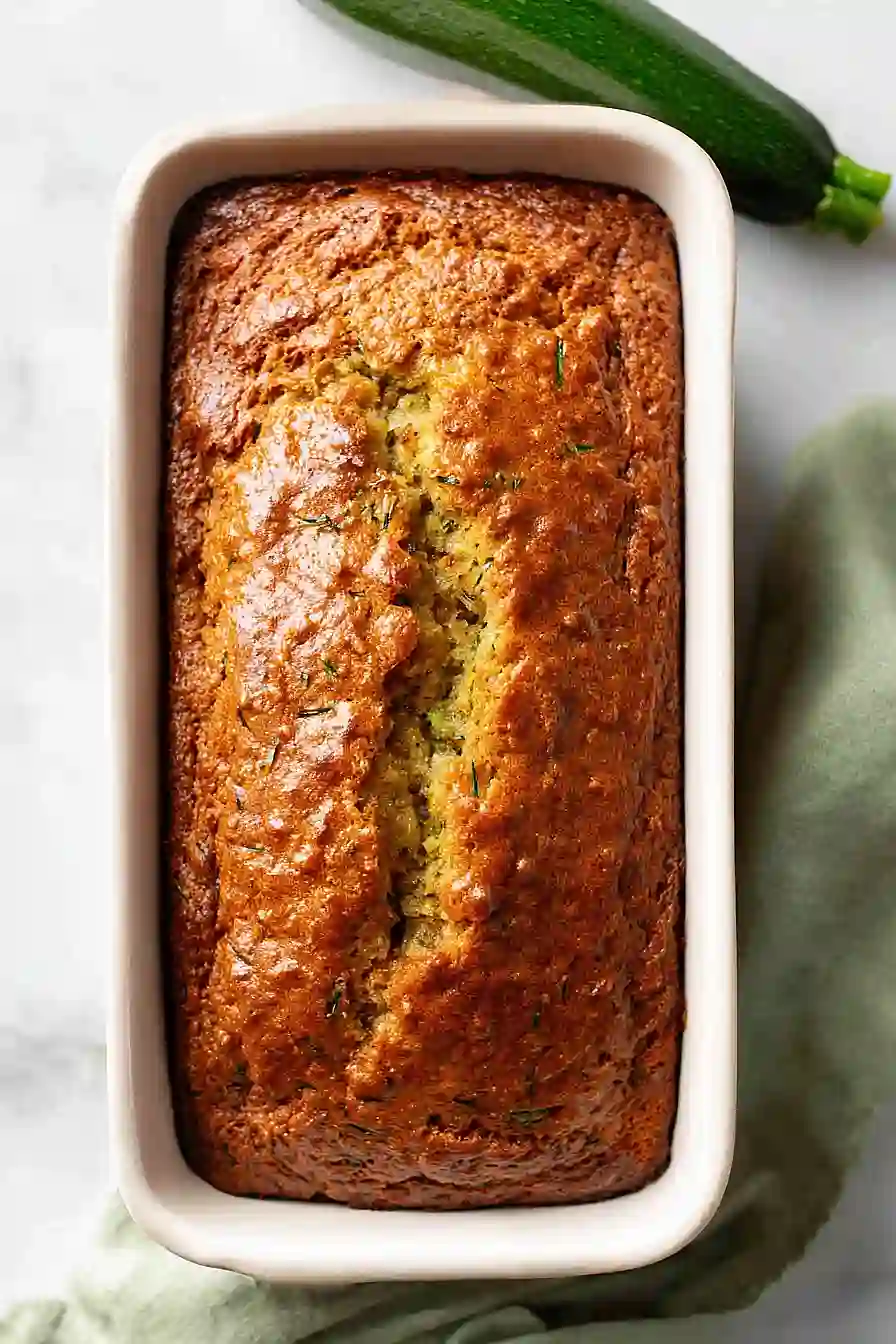
The top should be golden brown and a crack may form down the center, which is completely normal.
I always start checking around the 65-minute mark to avoid over-baking, especially if your oven runs hot.
Step 5: Cool and Serve
Remove the bread from the oven and let it cool in the pan on a wire rack for about 10–15 minutes, then carefully turn it out onto the rack to cool completely before slicing.
This resting period allows the crumb to set and makes the bread easier to slice cleanly.
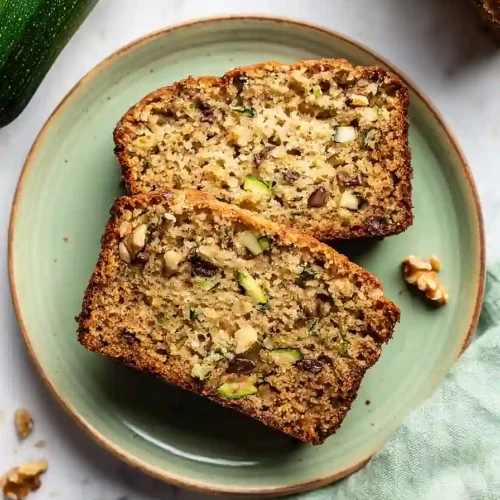
Classic Greek Yogurt Zucchini Bread
Ingredients
Dry ingredients::
- 2 1/4 cups flour (I always use King Arthur all-purpose flour)
- 1 1/4 tsp cinnamon
- 1 tsp baking soda
- 1/2 tsp baking powder
- 1/4 tsp salt
- 1/2 tsp nutmeg (freshly grated for a more intense aroma)
Wet ingredients::
- 1 lb zucchini (shredded and squeezed dry to prevent sogginess)
- 1 cup brown sugar (packed firmly for better moisture and sweetness)
- 1/2 cup olive oil
- 1/2 cup yogurt (I recommend Chobani non-fat plain Greek yogurt)
- 2 eggs (room temperature, about 70°F)
- 1 1/2 tsp vanilla
Add-ins and preparation::
- 3/4 cup walnuts (coarsely chopped into 1/4-inch pieces)
- cooking spray
Instructions
- Shred the zucchini using a box grater or food processor, then place it in a clean kitchen towel or cheesecloth and squeeze firmly to remove as much liquid as possible—this step is crucial to prevent a soggy loaf. While the zucchini drains, measure out all your dry ingredients (flour, cinnamon, baking soda, baking powder, salt, and nutmeg) into one bowl, and measure the wet ingredients (brown sugar, olive oil, Greek yogurt, eggs, and vanilla) into another bowl. Coarsely chop the walnuts into roughly 1/4-inch pieces and set aside.
- While you're preparing the zucchini, preheat your oven to 350°F and lightly coat a loaf pan (or 9x5-inch baking dish) with cooking spray, ensuring all corners are covered to prevent sticking. In your bowl with the wet ingredients, whisk together the brown sugar, olive oil, Greek yogurt, eggs, and vanilla until well combined and smooth—the mixture should be creamy and uniform. I like to use room-temperature eggs here because they incorporate more smoothly and create a better texture in the final loaf.
- Add the dry ingredient mixture from Step 1 to the wet ingredient mixture from Step 2, and stir gently with a spatula or wooden spoon until just combined—do not overmix, as this can develop gluten and make the bread tough. The batter should look slightly lumpy; this is intentional and will result in a more tender crumb. Fold in the squeezed zucchini and chopped walnuts until evenly distributed throughout the batter.
- Pour the batter into your prepared pan, smoothing the top gently with a spatula so it bakes evenly. Place the pan in your preheated 350°F oven and bake for 70–75 minutes, until a toothpick inserted into the center comes out with just a few moist crumbs (not wet batter). The top should be golden brown and a crack may form down the center, which is completely normal. I always start checking around the 65-minute mark to avoid over-baking, especially if your oven runs hot.
- Remove the bread from the oven and let it cool in the pan on a wire rack for about 10–15 minutes, then carefully turn it out onto the rack to cool completely before slicing. This resting period allows the crumb to set and makes the bread easier to slice cleanly.