Finding desserts that satisfy your sweet tooth while keeping sugar in check can feel like mission impossible. Between navigating sugar substitutes and wondering if the final product will actually taste good, it’s easy to get discouraged when trying to make healthier versions of classic treats.
That’s why this almond cake has become my go-to sugar-free dessert – it’s naturally sweet, incredibly easy to make, and has fooled even the pickiest dessert lovers in my family. Plus, it uses ingredients you probably already have in your pantry!
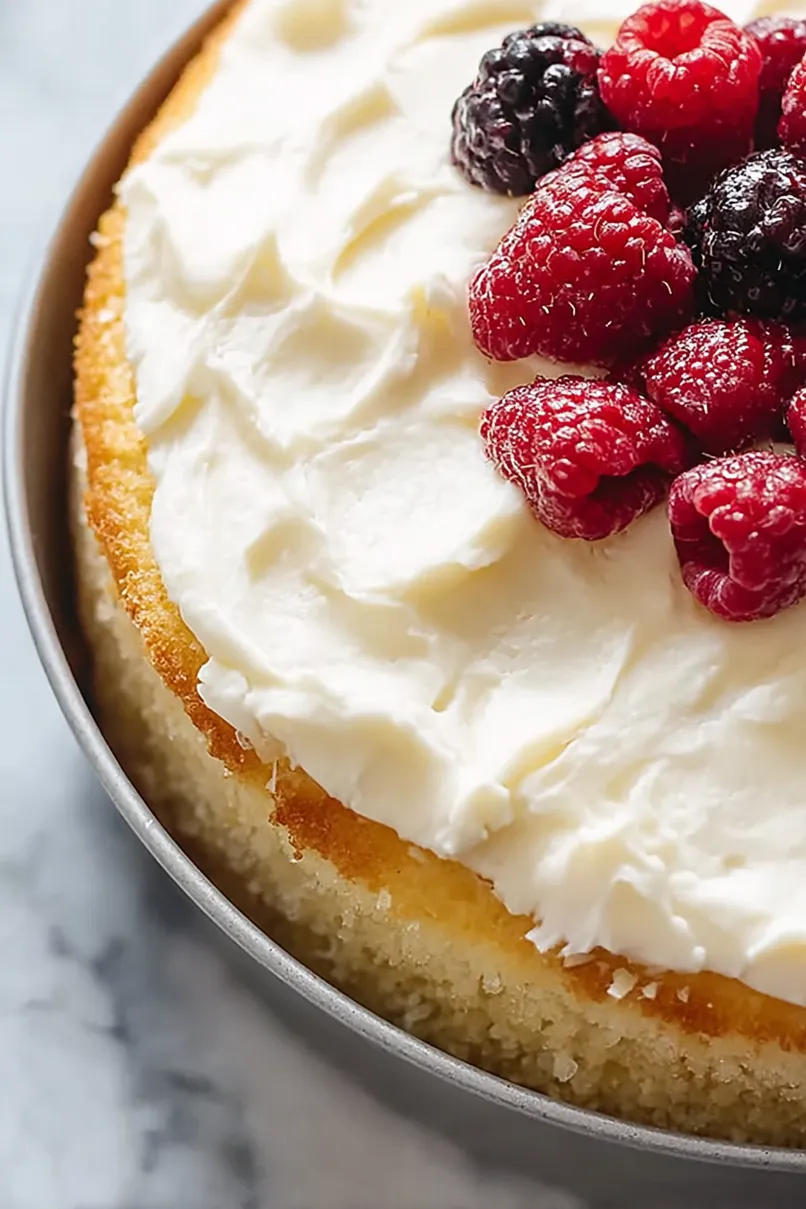
Why You’ll Love This Sugar-Free Almond Cake
- Keto and low-carb friendly – Made with almond flour and sugar-free sweeteners, this cake fits perfectly into your keto or low-carb lifestyle without sacrificing taste.
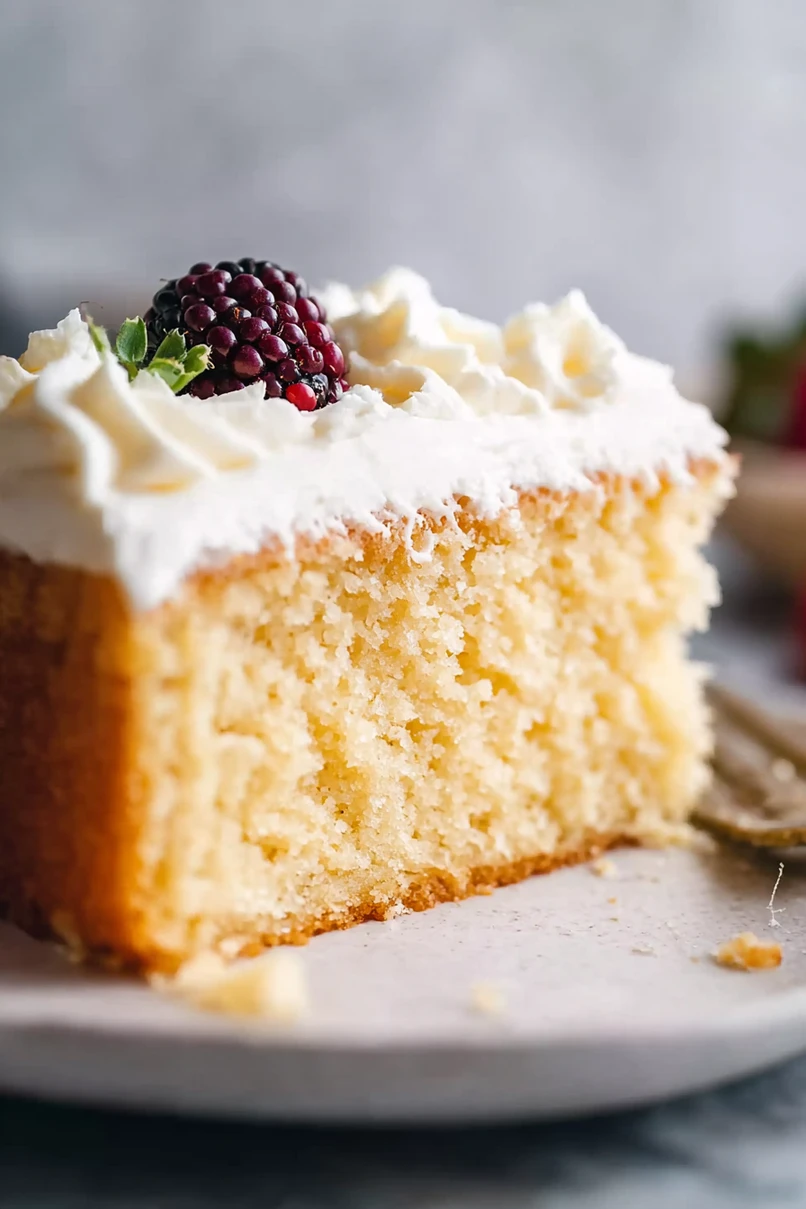
- Rich and moist texture – The combination of yogurt, mascarpone, and melted butter creates a wonderfully moist cake that doesn’t taste ‘healthy’ at all.
- Perfect for special diets – This naturally gluten-free cake is ideal for anyone watching their sugar intake or following a diabetic-friendly diet.
- Simple ingredients – Most of these ingredients are easy to find at your local grocery store, and you might already have many of them in your pantry.
- Make-ahead friendly – You can prepare this cake in advance for special occasions, and it stays fresh in the fridge for several days.
What Kind of Almond Flour Should I Use?
For this cake, you can use either blanched almond flour or super-fine almond flour – both will give you good results, though they’ll need slightly different amounts. Blanched almond flour (made from almonds with their skins removed) will give you a lighter, more delicate texture and prettier color in your finished cake. Regular almond flour, which includes the skins, works too but will result in a slightly darker cake with more visible specks. Just remember to reduce the amount by about 1/4 cup if you’re using super-fine almond flour since it’s more densely packed. Whatever type you choose, make sure to store your almond flour in an airtight container in the fridge or freezer to keep it fresh, since it can go rancid at room temperature.
Options for Substitutions
This sugar-free almond cake offers several ways to adjust ingredients based on what you have available:
- Almond flour: This is a key ingredient that can’t be substituted with regular flour since it’s essential for the cake’s texture and low-carb profile. However, you can use either blanched or unblanched almond flour – just remember that unblanched will give a slightly darker color and more rustic texture.
- Erythritol: You can swap this with other sugar alternatives like monk fruit sweetener, allulose, or xylitol in equal amounts. Just note that xylitol is toxic to dogs, so be careful if you have pets.
- Natural yogurt: Greek yogurt works great as a substitute, or you can use sour cream. If using Greek yogurt, you might need to add a splash of milk to get the right consistency.
- Mascarpone cheese: Cream cheese is a perfect substitute – just make sure it’s at room temperature for smooth mixing. You could also use ricotta cheese, but strain it first to remove excess moisture.
- Berries: Any low-sugar berries work well here – try strawberries, blueberries, or a mix. Fresh or frozen both work, though frozen ones should be added while still frozen to prevent bleeding into the topping.
- Butter: You can use coconut oil as a dairy-free option, just make sure it’s measured in its melted state.
Watch Out for These Mistakes While Baking
The biggest challenge when making sugar-free almond cake is achieving the right moisture balance – almond flour behaves differently from regular flour, so overmixing can lead to a dense, heavy texture. A gentle hand when combining wet and dry ingredients is key – mix just until everything comes together, then stop. Temperature control is crucial too – using cold eggs or yogurt can cause the melted butter to solidify into lumps, so make sure all ingredients are at room temperature before starting. For the best texture, don’t skip sifting the almond flour and sweetener together, as this removes any lumps that could create dense patches in your cake. Finally, keep an eye on the baking time – since this cake is made with almond flour, it can go from perfectly done to overdone quickly, so start checking about 5 minutes before the recommended baking time is up.
What to Serve With Almond Cake?
This sugar-free almond cake is perfect for afternoon tea or dessert, and there are lots of tasty ways to serve it! A dollop of fresh whipped cream (unsweetened, to keep it sugar-free) makes a wonderful companion to the cake’s nutty flavor. For a morning or brunch option, pair it with a hot cup of coffee or tea – I especially love it with an almond milk latte to complement the cake’s almond notes. If you want to dress it up for dessert, try serving it with some sugar-free vanilla ice cream or a handful of additional fresh berries on the side. The mascarpone topping already adds richness, but you could also drizzle each slice with some sugar-free caramel sauce for extra indulgence.
Storage Instructions
Keep Fresh: This sugar-free almond cake stays good in the fridge for up to 5 days when stored in an airtight container. Since it contains dairy and fresh berries, keeping it chilled is the way to go. The mascarpone topping will stay fresh and tasty this way too!
Freeze: If you want to make this cake ahead, you can freeze it without the topping for up to 3 months. Just wrap it well in plastic wrap and aluminum foil. When you’re ready to serve, thaw it overnight in the fridge and add the fresh mascarpone topping and berries before serving.
Make Ahead: You can prepare the cake base a day ahead and store it in the fridge. Add the mascarpone topping and fresh berries just before serving – this keeps everything looking and tasting its best. If you notice the cake getting a bit firm in the fridge, just let it sit at room temperature for about 30 minutes before serving.
| Preparation Time | 15-20 minutes |
| Cooking Time | 30-40 minutes |
| Total Time | 45-60 minutes |
| Level of Difficulty | Medium |
Estimated Nutrition
Estimated nutrition for the whole recipe (without optional ingredients):
- Calories: 1700-1900
- Protein: 45-55 g
- Fat: 130-150 g
- Carbohydrates: 50-60 g
Ingredients
For the cake:
- 3 1/2 cups almond flour (finely ground, not coarse meal)
- 1 1/4 cups full-fat natural yogurt
- 1/3 cup powdered erythritol
- 5 large eggs (room temperature for better mixing)
- 2 tsp baking powder (for light, fluffy crumb)
- 1/4 cup butter, melted and cooled (I use Kerrygold unsalted butter)
- 2 tsp vanilla extract
For the frosting:
- 1 tsp vanilla extract
- 2 tbsp natural yogurt
- 1 cup mascarpone cheese (cold, straight from refrigerator)
- 1 tbsp powdered sweetener
For the topping:
- 1 cup fresh blackberries or raspberries (optional, adds tartness to balance sweetness)
Step 1: Prepare Pan and Preheat Oven
- Parchment paper
- Butter for greasing pan
Heat your oven to 180°C (350°F) and prepare your baking pan by lining it with parchment paper and lightly greasing the sides.
This ensures even browning and easy removal.
While the oven preheats, remove your eggs and yogurt from the refrigerator so they reach room temperature—this helps them blend smoothly and incorporate more air into the batter, resulting in a lighter, fluffier cake.
Step 2: Build the Wet Ingredient Base
- 5 large eggs
- 1 1/4 cups full-fat natural yogurt
- 1/4 cup butter, melted and cooled
- 2 tsp vanilla extract
In a large mixing bowl, blend the room-temperature eggs for about 2 minutes until they become noticeably fluffy and pale—this aerates them and creates lift in your cake.
Add the yogurt, melted and cooled butter, and vanilla extract, then blend until fully combined into a smooth, homogeneous mixture.
I like to use quality butter like Kerrygold because it adds a subtle richness that makes the cake taste less ‘diet-friendly’ and more indulgent.
Step 3: Combine Dry Ingredients and Create Final Batter
- wet ingredient mixture from Step 2
- 3 1/2 cups almond flour
- 1/3 cup powdered erythritol
- 2 tsp baking powder
Add the almond flour, powdered erythritol, and baking powder to the wet mixture from Step 2.
Blend until you achieve a smooth, lump-free batter—the almond flour should be finely ground (not coarse meal) to ensure a tender crumb.
Pour the batter into your prepared pan and smooth the top with a spatula.
I find that finely ground almond flour makes a real difference in texture; coarse meal creates a grainier cake that doesn’t have the same delicate mouthfeel.
Step 4: Bake the Cake
- batter from Step 3
Bake in the preheated oven for 30 minutes if using a 9-inch pan, or 40 minutes if using an 8-inch pan.
The cake is done when a toothpick inserted into the center comes out clean or with just a few moist crumbs—almond flour cakes can seem underbaked when they’re actually perfect, so don’t overbake or they’ll become dry.
Remove from the oven and let cool in the pan for 10 minutes, then turn out onto a wire rack to cool completely before frosting.
Step 5: Prepare the Mascarpone Frosting
- 1 cup mascarpone cheese
- 1 tbsp powdered sweetener
- 1 tsp vanilla extract
- 2 tbsp natural yogurt
While the cake cools, prepare the frosting by combining the cold mascarpone cheese, powdered sweetener, and vanilla extract in a separate bowl.
Stir until smooth and creamy.
If the frosting seems too thick, add the yogurt one tablespoon at a time until you reach your desired spreadable consistency.
The cold mascarpone straight from the refrigerator helps the frosting stay firm and prevents it from becoming too soft, which would make spreading difficult.
Step 6: Frost and Garnish the Cake
- cooled cake from Step 4
- mascarpone frosting from Step 5
- 1 cup fresh blackberries or raspberries
Once the cake from Step 4 is completely cooled, spread the frosting from Step 5 evenly over the top.
If desired, scatter fresh blackberries or raspberries over the frosting for a beautiful presentation and a tartness that balances the sweetness of the cake and frosting.
Serve immediately or refrigerate until ready to enjoy.