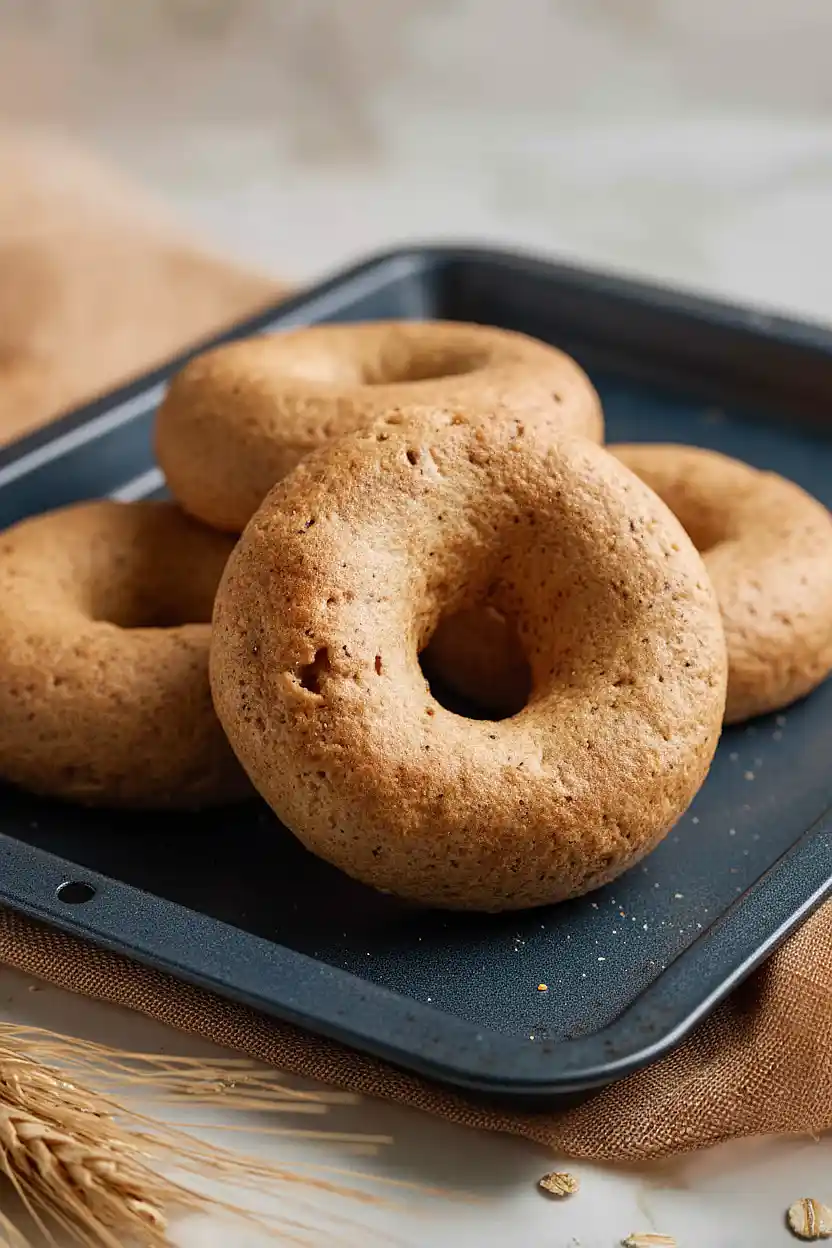
I never thought I’d be the person making bagels at home—they always seemed like something you had to buy from a real bagel shop or settle for the sad grocery store version. But then I discovered you could make a pretty decent bagel with just oat flour and yogurt, and suddenly my weekend breakfasts got a whole lot better.
The best part? These bagels pack in some protein and skip the yeast entirely, which means no waiting around for dough to rise. You just mix, shape, boil for a few minutes, and bake. The boiling step might sound weird if you’ve never made bagels before, but that’s actually the secret to getting that chewy outside texture. Without it, you’re basically just making bread rolls.
Why You’ll Love These Oat Flour Protein Bagels
- High-protein breakfast – These bagels pack in protein from the yogurt and oat flour, keeping you full and energized throughout your morning.
- Simple ingredients – You probably already have most of these pantry staples on hand, making this an easy recipe to whip up anytime.
- Ready in under an hour – From mixing to baking, you’ll have fresh homemade bagels on your table in about 45 minutes.
- Healthier alternative – Made with oat flour instead of refined white flour, these bagels are a more nutritious option than store-bought versions.
- Customizable flavor – The chocolate chips add a sweet touch, but you can easily swap them out for your favorite mix-ins or leave them plain.
What Kind of Oat Flour Should I Use?
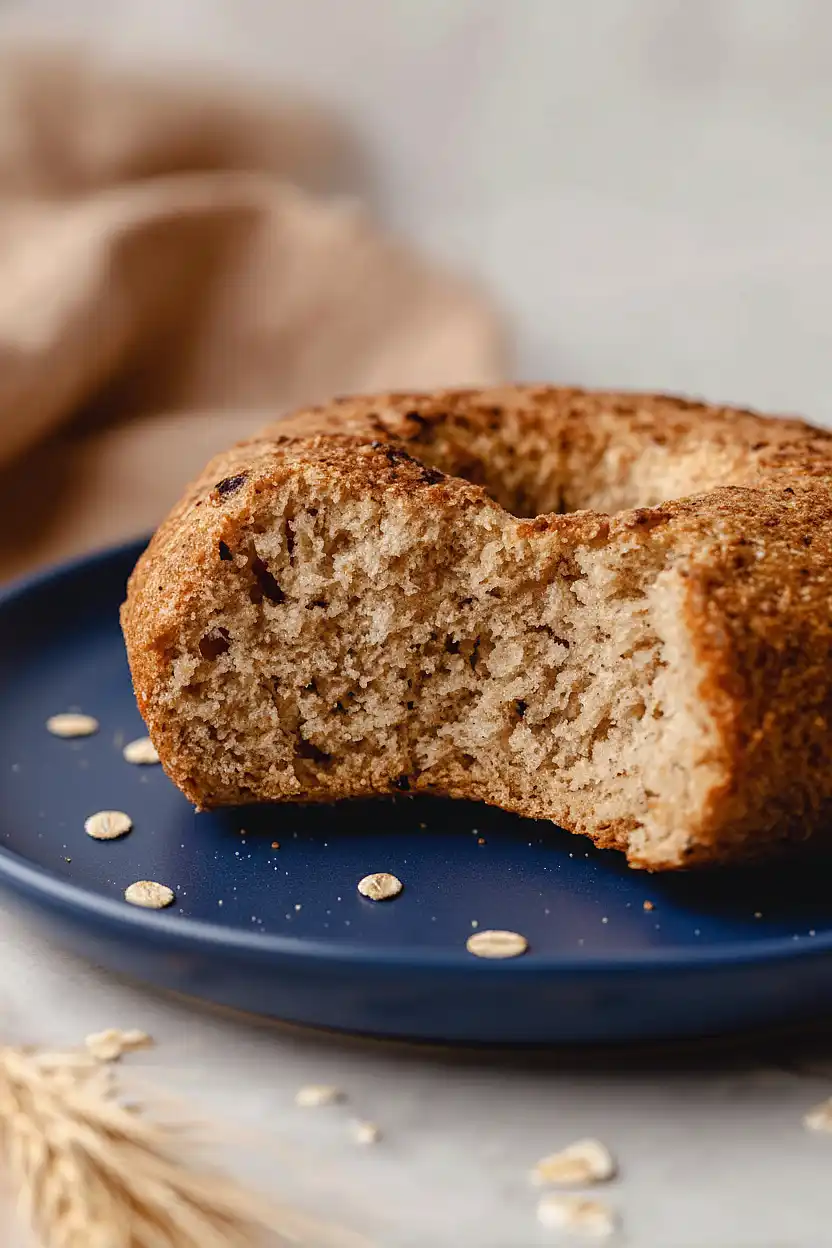
You can buy pre-made oat flour at most grocery stores, or you can easily make your own by blending rolled oats in a food processor or blender until they reach a fine, flour-like consistency. Both old-fashioned rolled oats and quick oats work well for making homemade oat flour, though old-fashioned oats tend to give you a slightly better texture. If you’re making your own, just pulse the oats until they’re finely ground but not so much that they turn into oat butter. Store-bought oat flour is convenient and consistent, but homemade is fresher and often cheaper if you already have oats in your pantry.
Options for Substitutions
These protein bagels are pretty adaptable, so here are some swaps you can try:
- Oat flour: You can make your own oat flour by blending rolled oats in a food processor until they’re fine. All-purpose flour works too, though you’ll lose some of that wholesome oat flavor. For a gluten-free option, try almond flour, but you may need to add an extra tablespoon or two of yogurt since it absorbs liquid differently.
- Yogurt: Greek yogurt is ideal here for protein and texture, but regular yogurt works fine. You can also use sour cream or even mashed banana, though banana will add sweetness and change the flavor profile a bit.
- Sweetener: Use whatever sweetener you prefer – honey, maple syrup, sugar, or any granulated sugar substitute. Keep in mind that liquid sweeteners might make the dough slightly stickier, so you may need a touch more flour.
- Chocolate chips: Feel free to swap these out for blueberries, cinnamon and raisins, everything bagel seasoning, or leave them out completely for plain bagels. You could also try nuts, dried cranberries, or even savory add-ins like cheese and herbs.
- Baking powder: This ingredient is really important for getting the bagels to rise properly, so try not to skip it or substitute it.
Watch Out for These Mistakes While Baking
The biggest mistake when making oat flour bagels is adding too much water to the dough – start with just a tablespoon at a time until the mixture barely comes together, since oat flour absorbs liquid differently than regular flour and too much moisture will make your bagels dense and gummy.
Skipping the boiling step might seem tempting to save time, but this is what gives bagels their signature chewy crust, so make sure your water is at a rolling boil and don’t boil them longer than 30 seconds per side or they’ll become tough.
Another common error is not flouring your hands and surface well enough when shaping the dough, which can lead to sticky, uneven bagels – oat flour dough is naturally more delicate, so handle it gently and use extra flour as needed.
Finally, resist the urge to slice into your bagels right out of the oven, as letting them cool for at least 10 minutes helps them firm up and prevents them from falling apart when you cut them.
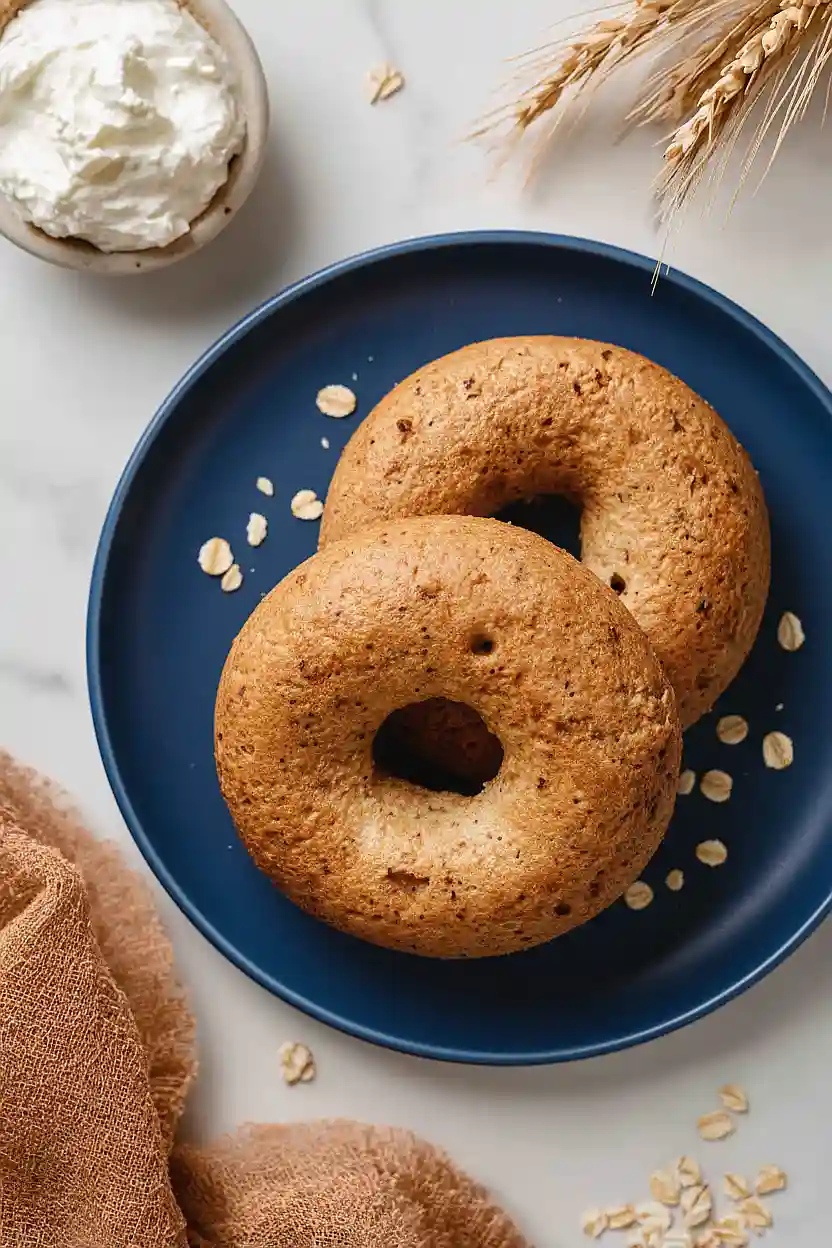
What to Serve With Oat Flour Protein Bagels?
These protein bagels are perfect for breakfast or a post-workout snack, and they pair really well with your favorite spreads. I love topping mine with cream cheese and a drizzle of honey, or going the savory route with almond butter and sliced bananas. If you want to make it more filling, add some scrambled eggs and avocado slices on the side for a complete breakfast. You can also toast them up and spread on some Greek yogurt mixed with cinnamon for extra protein, or keep it simple with peanut butter and fresh berries.
Storage Instructions
Store: Keep your protein bagels in an airtight container or zip-top bag at room temperature for up to 2 days, or in the fridge for up to 5 days. They taste great cold or at room temp, so grab one whenever you need a quick snack or breakfast on the go.
Freeze: These bagels are perfect for freezing! Just slice them in half first, then wrap individually in plastic wrap or store in a freezer bag with parchment between each one. They’ll keep for up to 3 months, making them ideal for meal prep.
Toast: To enjoy a frozen bagel, you can toast it straight from the freezer without thawing. Just pop the halves in your toaster or toaster oven until warmed through and slightly crispy on the edges. If you stored them in the fridge, a quick toast brings back that fresh-baked texture.
| Preparation Time | 20-30 minutes |
| Cooking Time | 25-30 minutes |
| Total Time | 45-60 minutes |
| Level of Difficulty | Easy |
| Servings | 2 bagels |
Estimated Nutrition
Estimated nutrition for the whole recipe (without optional ingredients):
- Calories: 490-560
- Protein: 11-14 g
- Fat: 11-16 g
- Carbohydrates: 87-98 g
Ingredients
For the dough:
- 1 1/4 cups oat flour (I always use King Arthur for a consistent fine grind)
- 1/4 cup + 2 tbsp yogurt (I prefer Fage 2% for the best dough consistency)
- 1 1/4 tsp baking powder
- 3/4 tsp salt
- 2 tbsp sweetener (monk fruit powder works best for calorie savings)
- 1/2 tsp vanilla extract
- 1/4 tsp ground cinnamon
- 3 tbsp chocolate chips (mini chips distribute better throughout the dough)
For the boiling liquid:
- water
- 1 tsp baking soda (helps create that classic chewy bagel crust)
- 1 tbsp sweetener
Step 1: Prepare Equipment and Mise en Place
- water
Preheat your oven to 350°F and line a baking sheet with parchment paper.
Fill a medium pot with water and bring it to a boil—you’ll need enough water to submerge the bagels comfortably.
While the water heats, gather all your dry ingredients in one bowl and wet ingredients in another to streamline the mixing process.
Step 2: Mix the Dry Ingredients and Combine with Wet Ingredients
- 1 1/4 cups oat flour
- 1 1/4 tsp baking powder
- 3/4 tsp salt
- 2 tbsp sweetener
- 1/2 tsp vanilla extract
- 1/4 tsp ground cinnamon
- 1/4 cup + 2 tbsp yogurt
- water
- 3 tbsp chocolate chips
In a medium bowl, whisk together the oat flour, baking powder, salt, 2 tablespoons of sweetener, vanilla extract, and cinnamon.
In a separate bowl, combine the yogurt with a splash of water if needed to reach a thick, workable consistency.
Pour the wet mixture into the dry ingredients and fold together with a spatula until a shaggy dough forms.
Gently fold in the mini chocolate chips, being careful not to overmix—I find that overmixing can make the bagels tough, so stop as soon as everything is incorporated.
Step 3: Shape the Bagels
- dough from Step 2
Turn the dough from Step 2 onto a lightly floured surface.
Divide the dough into 2 equal pieces and roll each piece into a log about 6 inches long.
Bring the ends of each log together to form a circle, pinching the seam gently to seal.
The dough should feel slightly sticky but holdable—if it’s too wet, dust with a bit more oat flour.
Step 4: Prepare the Boiling Water Bath with Baking Soda
- 1 tsp baking soda
- 1 tbsp sweetener
- boiling water from Step 1
Once your water is at a rolling boil, stir in the baking soda and 1 tablespoon of sweetener.
The water will foam slightly—this is normal and helps create that signature chewy bagel crust.
Let the mixture settle for a moment before proceeding.
Step 5: Boil and Transfer Bagels to Baking Sheet
- shaped bagels from Step 3
- boiling water bath from Step 4
Gently place each bagel into the simmering water and cook for 30 seconds on each side (60 seconds total per bagel).
Use a slotted spoon to carefully remove them and transfer to your prepared baking sheet.
I like to space them a couple of inches apart so they have room to expand slightly in the oven.
Step 6: Bake Until Golden and Cool
- boiled bagels from Step 5
Bake the bagels at 350°F for 25-30 minutes, until they’re golden brown and feel firm to the touch.
Remove from the oven and let them cool on the baking sheet for 5 minutes before transferring to a wire rack.
Once completely cooled, slice them in half and serve as is or with your favorite toppings.
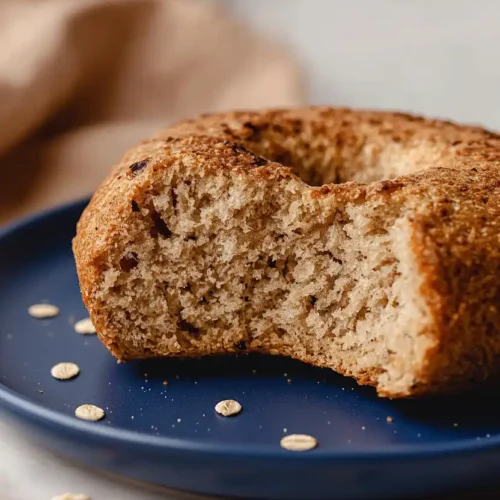
Flourless Oat Flour Protein Bagels
Ingredients
For the dough
- 1 1/4 cups oat flour (I always use King Arthur for a consistent fine grind)
- 1/4 cup + 2 tbsp yogurt (I prefer Fage 2% for the best dough consistency)
- 1 1/4 tsp baking powder
- 3/4 tsp salt
- 2 tbsp sweetener (monk fruit powder works best for calorie savings)
- 1/2 tsp vanilla extract
- 1/4 tsp ground cinnamon
- 3 tbsp chocolate chips (mini chips distribute better throughout the dough)
For the boiling liquid
- water
- 1 tsp baking soda (helps create that classic chewy bagel crust)
- 1 tbsp sweetener
Instructions
- Preheat your oven to 350°F and line a baking sheet with parchment paper. Fill a medium pot with water and bring it to a boil—you'll need enough water to submerge the bagels comfortably. While the water heats, gather all your dry ingredients in one bowl and wet ingredients in another to streamline the mixing process.
- In a medium bowl, whisk together the oat flour, baking powder, salt, 2 tablespoons of sweetener, vanilla extract, and cinnamon. In a separate bowl, combine the yogurt with a splash of water if needed to reach a thick, workable consistency. Pour the wet mixture into the dry ingredients and fold together with a spatula until a shaggy dough forms. Gently fold in the mini chocolate chips, being careful not to overmix—I find that overmixing can make the bagels tough, so stop as soon as everything is incorporated.
- Turn the dough from Step 2 onto a lightly floured surface. Divide the dough into 2 equal pieces and roll each piece into a log about 6 inches long. Bring the ends of each log together to form a circle, pinching the seam gently to seal. The dough should feel slightly sticky but holdable—if it's too wet, dust with a bit more oat flour.
- Once your water is at a rolling boil, stir in the baking soda and 1 tablespoon of sweetener. The water will foam slightly—this is normal and helps create that signature chewy bagel crust. Let the mixture settle for a moment before proceeding.
- Gently place each bagel into the simmering water and cook for 30 seconds on each side (60 seconds total per bagel). Use a slotted spoon to carefully remove them and transfer to your prepared baking sheet. I like to space them a couple of inches apart so they have room to expand slightly in the oven.
- Bake the bagels at 350°F for 25-30 minutes, until they're golden brown and feel firm to the touch. Remove from the oven and let them cool on the baking sheet for 5 minutes before transferring to a wire rack. Once completely cooled, slice them in half and serve as is or with your favorite toppings.