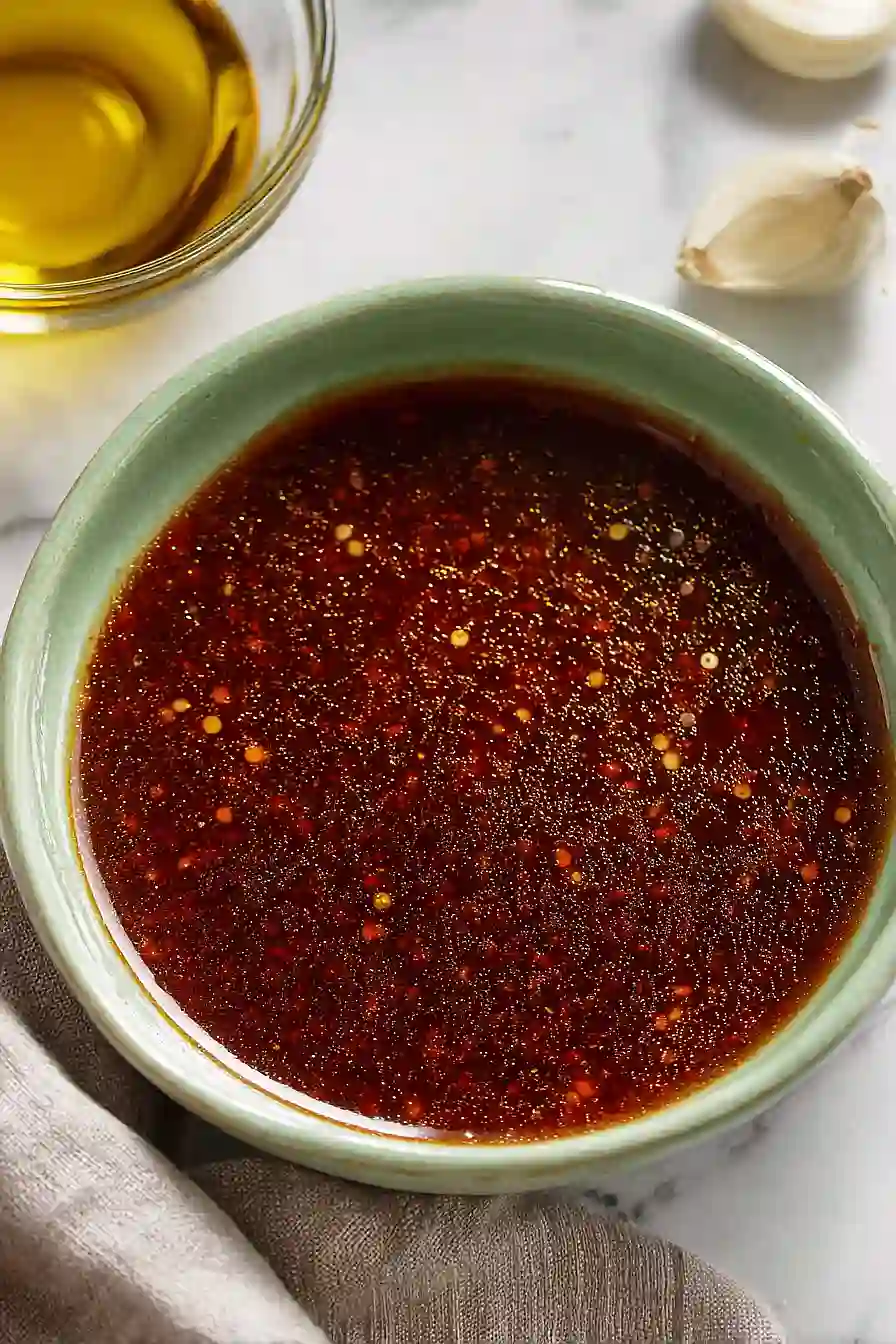
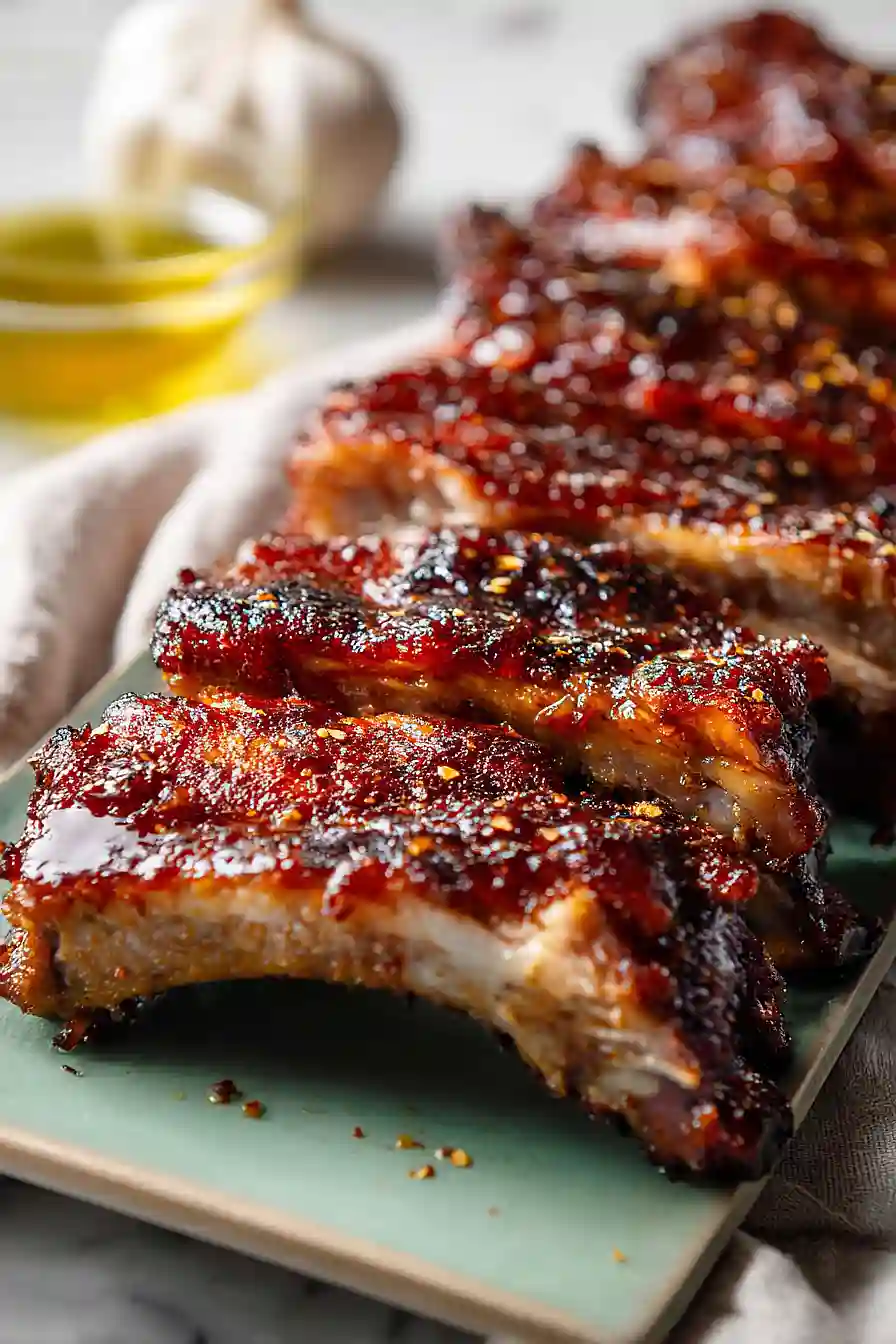
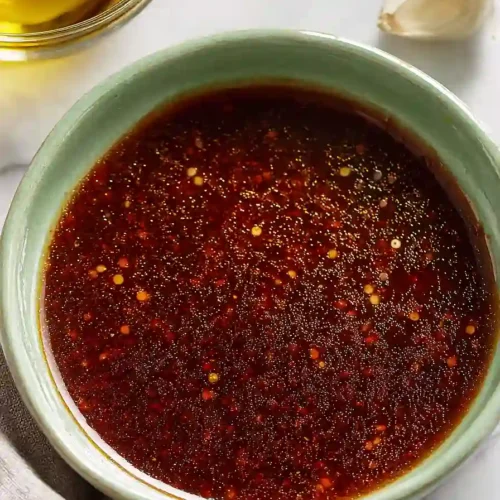
Here is my favorite spare rib marinade recipe, with a simple mix of soy sauce, apple cider vinegar, fresh garlic, and brown sugar that creates a sweet and savory flavor that soaks right into the meat.
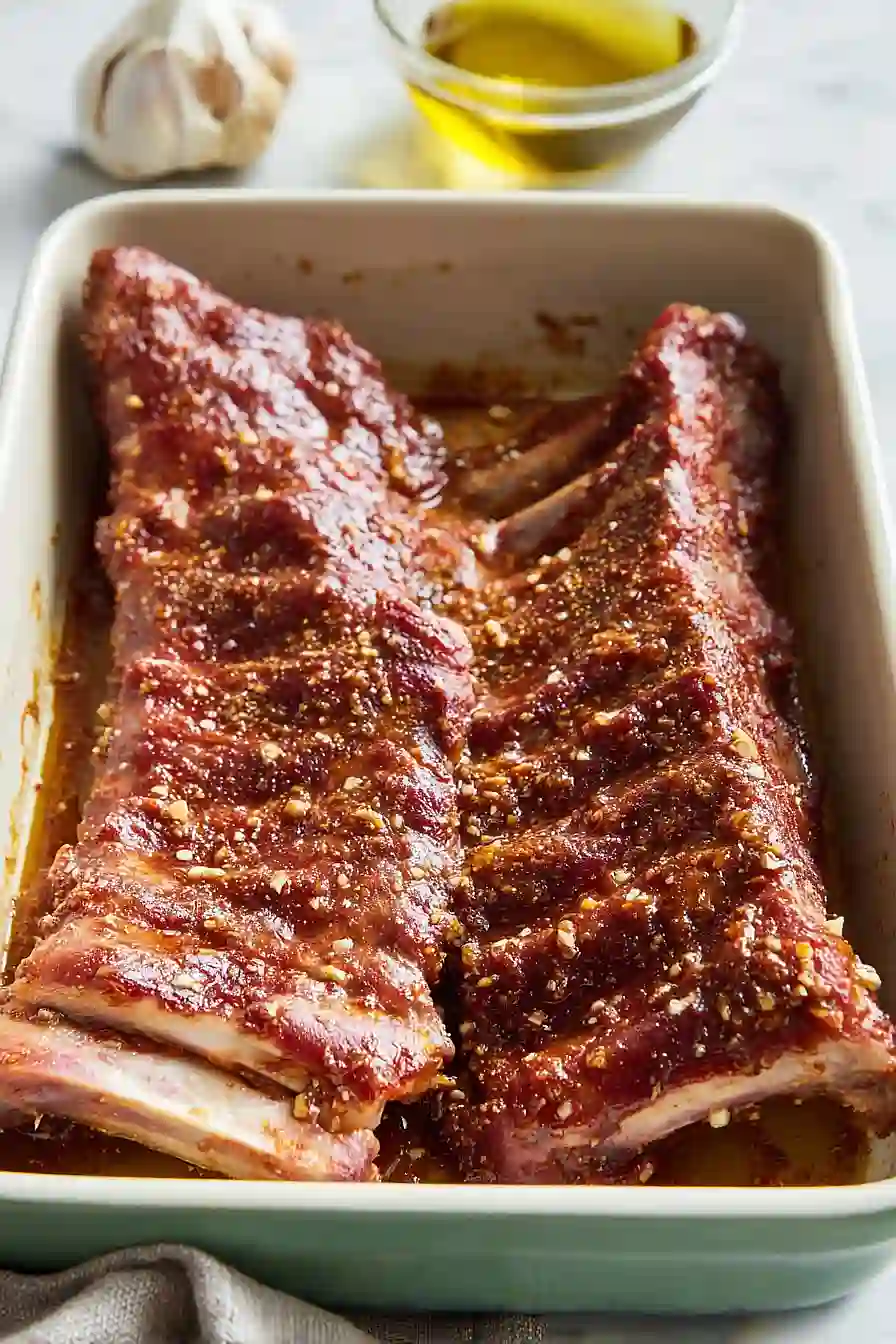
This marinade is what I use every single time I make ribs for my family. I usually let the ribs sit in it for at least 4 hours, but overnight is even better. Nothing beats the smell of these ribs cooking on the grill, right?
Why You’ll Love This Spare Rib Marinade
- Simple pantry ingredients – You probably already have most of these items in your kitchen, so there’s no need for a special shopping trip.
- Quick to prepare – Just mix everything together and you’re done—no complicated steps or techniques required.
- Perfect balance of flavors – The combination of soy sauce, apple cider vinegar, and garlic creates a savory-tangy marinade that makes your ribs incredibly flavorful.
- Works for any cooking method – Whether you’re grilling, baking, or smoking your ribs, this marinade delivers delicious results every time.
- Gluten-free friendly – Simply swap regular soy sauce for Tamari and everyone at your table can enjoy these ribs.
What Kind of Soy Sauce Should I Use?
For this marinade, regular soy sauce works great, but you’ve got options depending on what you’re going for. If you want a slightly milder, less salty flavor, go with low-sodium soy sauce and you can always add more salt to taste later. Dark soy sauce will give you a richer color and slightly sweeter taste, while light soy sauce keeps things more traditional. And if you’re cooking for someone who needs to avoid gluten, tamari is your best bet – it tastes almost identical to regular soy sauce but is naturally gluten-free. Whatever you choose, just make sure it’s a good quality brand since the soy sauce is one of the main flavors in this marinade.
Options for Substitutions
This marinade is pretty forgiving, so feel free to make some swaps based on what you have in your kitchen:
- Soy sauce: If you need a gluten-free option, tamari works perfectly. You can also use coconut aminos for a soy-free version, though it’ll be slightly sweeter and less salty.
- Apple cider vinegar: White wine vinegar or rice vinegar make good substitutes. Each will give you that tangy kick, just with a slightly different flavor profile.
- Olive oil: Avocado oil is mentioned as an option, but vegetable or canola oil work fine too. Just stick with a neutral oil that can handle the marinade’s acidity.
- Fresh garlic: In a pinch, you can use 1 teaspoon of garlic powder instead of the fresh minced garlic, though fresh does give you better flavor.
- Ketchup: Tomato paste mixed with a tiny bit of honey or brown sugar can work as a replacement. Use about 1 tablespoon of paste and adjust sweetness to taste.
- Lemon zest: Orange zest or lime zest can step in here. You could also use ½ teaspoon of lemon juice if you don’t have fresh citrus on hand.
Watch Out for These Mistakes While Cooking
The biggest mistake people make with spare ribs is forgetting to remove the thin membrane on the back of the rack, which prevents the marinade from penetrating the meat and creates a chewy, unpleasant texture – just slide a butter knife under it to loosen, then grab it with a paper towel and pull it off in one piece.
Don’t marinate your ribs for more than 2 hours, as the acid in the apple cider vinegar can start breaking down the meat too much and make it mushy instead of tender.
When you’re ready to cook, pat the ribs dry with paper towels before placing them on the grill or in the oven, since excess marinade will cause flare-ups and burning rather than that nice caramelized crust you’re looking for.
What to Serve With Spare Ribs?
Spare ribs are all about that backyard barbecue vibe, so I love pairing them with classic cookout sides like coleslaw, baked beans, and cornbread. The tangy slaw cuts through the richness of the ribs perfectly, while the cornbread is great for soaking up any extra marinade on your plate. If you want to round out the meal, grilled corn on the cob or potato salad are always crowd-pleasers. For a lighter option, a simple cucumber salad or grilled vegetables work nicely too.
Storage Instructions
Store: This marinade keeps really well in the fridge for up to a week in an airtight container or jar. I like to make it a day or two ahead so the flavors have time to blend together, and it’s one less thing to worry about when I’m ready to cook.
Marinate: For best results, let your spare ribs soak in this marinade for at least 4 hours, but overnight is even better. Just toss everything in a large zip-top bag or covered dish in the fridge and let the magic happen. Remember to never reuse marinade that’s touched raw meat.
Freeze: You can freeze the marinade in ice cube trays or small containers for up to 3 months. This is great for portion control or when you want to marinate smaller batches of ribs throughout the month.
| Preparation Time | 10-15 minutes |
| Cooking Time | 20-30 minutes |
| Total Time | 60-70 minutes |
| Level of Difficulty | Easy |
| Servings | 1.5 cups of marinade |
Estimated Nutrition
Estimated nutrition for the whole recipe (without optional ingredients):
- Calories: 350-400
- Protein: 3-5 g
- Fat: 35-40 g
- Carbohydrates: 12-16 g
Ingredients
- 1/2 cup soy sauce
- 1/4 cup olive oil
- 1/3 cup apple cider vinegar
- 3 tbsp garlic, freshly minced
- 2 tbsp ketchup
- 1 tsp garlic powder
- 1 tsp onion powder
- 1 tsp lemon zest
- 1/4 tsp salt
- 1/4 tsp black pepper
- 2 tbsp brown sugar
Step 1: Prepare the Ribs for Marinating
- Spare ribs
Pat the spare ribs completely dry with paper towels—this helps the marinade adhere better to the meat.
Carefully peel away the thin membrane from the back of the ribs using a paper towel for grip; this allows the flavors to penetrate deeper into the meat.
Lay the ribs flat in a large baking dish or shallow container.
Step 2: Build the Marinade Base
- 1/2 cup soy sauce
- 1/3 cup apple cider vinegar
- 1/4 cup olive oil
- 3 tbsp garlic, freshly minced
- 2 tbsp ketchup
- 2 tbsp brown sugar
In a medium bowl, whisk together the soy sauce, apple cider vinegar, and olive oil to create an emulsified base.
Add the minced fresh garlic, ketchup, and brown sugar, stirring until the sugar dissolves completely and the mixture is well combined.
This wet base carries the liquid flavor components that will penetrate the meat quickly.
Step 3: Season and Finish the Marinade
- Marinade base from Step 2
- 1 tsp garlic powder
- 1 tsp onion powder
- 1 tsp lemon zest
- 1/4 tsp salt
- 1/4 tsp black pepper
Add the garlic powder, onion powder, lemon zest, salt, and black pepper to the wet marinade mixture from Step 2, whisking until all the dry seasonings are fully incorporated and no lumps remain.
I like to taste a small spoonful on the tip of my finger to ensure the balance of salty, tangy, and sweet flavors is right before committing to the ribs—adjust salt or vinegar if needed.
Step 4: Marinate the Ribs
- Ribs from Step 1
- Complete marinade from Step 3
Pour the complete marinade mixture over the prepared ribs in the baking dish, making sure they’re evenly coated and partially submerged.
Cover the dish with plastic wrap or a lid and refrigerate for at least 30 minutes, or up to 60 minutes for deeper flavor penetration.
I typically go for the full hour when I have the time—the longer soak really lets those aromatics work into the meat.
Step 5: Prepare Ribs for Cooking
- Marinated ribs from Step 4
Remove the ribs from the refrigerator and transfer them to a cutting board or baking sheet.
Let them rest at room temperature for 10-15 minutes before cooking—this helps them cook more evenly.
Reserve the marinade if you plan to use it as a basting liquid or sauce while cooking.
Garlic Spare Rib Marinade
Ingredients
- 1/2 cup soy sauce
- 1/4 cup olive oil
- 1/3 cup apple cider vinegar
- 3 tbsp garlic, freshly minced
- 2 tbsp ketchup
- 1 tsp garlic powder
- 1 tsp onion powder
- 1 tsp lemon zest
- 1/4 tsp salt
- 1/4 tsp black pepper
- 2 tbsp brown sugar
Instructions
- Pat the spare ribs completely dry with paper towels—this helps the marinade adhere better to the meat. Carefully peel away the thin membrane from the back of the ribs using a paper towel for grip; this allows the flavors to penetrate deeper into the meat. Lay the ribs flat in a large baking dish or shallow container.
- In a medium bowl, whisk together the soy sauce, apple cider vinegar, and olive oil to create an emulsified base. Add the minced fresh garlic, ketchup, and brown sugar, stirring until the sugar dissolves completely and the mixture is well combined. This wet base carries the liquid flavor components that will penetrate the meat quickly.
- Add the garlic powder, onion powder, lemon zest, salt, and black pepper to the wet marinade mixture from Step 2, whisking until all the dry seasonings are fully incorporated and no lumps remain. I like to taste a small spoonful on the tip of my finger to ensure the balance of salty, tangy, and sweet flavors is right before committing to the ribs—adjust salt or vinegar if needed.
- Pour the complete marinade mixture over the prepared ribs in the baking dish, making sure they're evenly coated and partially submerged. Cover the dish with plastic wrap or a lid and refrigerate for at least 30 minutes, or up to 60 minutes for deeper flavor penetration. I typically go for the full hour when I have the time—the longer soak really lets those aromatics work into the meat.
- Remove the ribs from the refrigerator and transfer them to a cutting board or baking sheet. Let them rest at room temperature for 10-15 minutes before cooking—this helps them cook more evenly. Reserve the marinade if you plan to use it as a basting liquid or sauce while cooking.