Comfort food doesn’t get much better than scalloped potatoes with heavy cream. I’ve been making this dish for years, and it never fails to make everyone at the dinner table happy. There’s something about those tender potato layers swimming in rich, creamy sauce that just hits the spot.
The best part? This recipe is way easier than it looks. Sure, there’s some slicing involved, but once you get those potatoes layered in the dish, the oven does most of the work. I love making this for Sunday dinners or when we have company over. It pairs perfectly with just about any main dish you can think of.
I’ve tried plenty of scalloped potato recipes over the years, but this one using heavy cream is the winner in our house. It’s rich without being too heavy, and the potatoes come out perfectly tender every time. Trust me, this is going to become your go-to side dish.
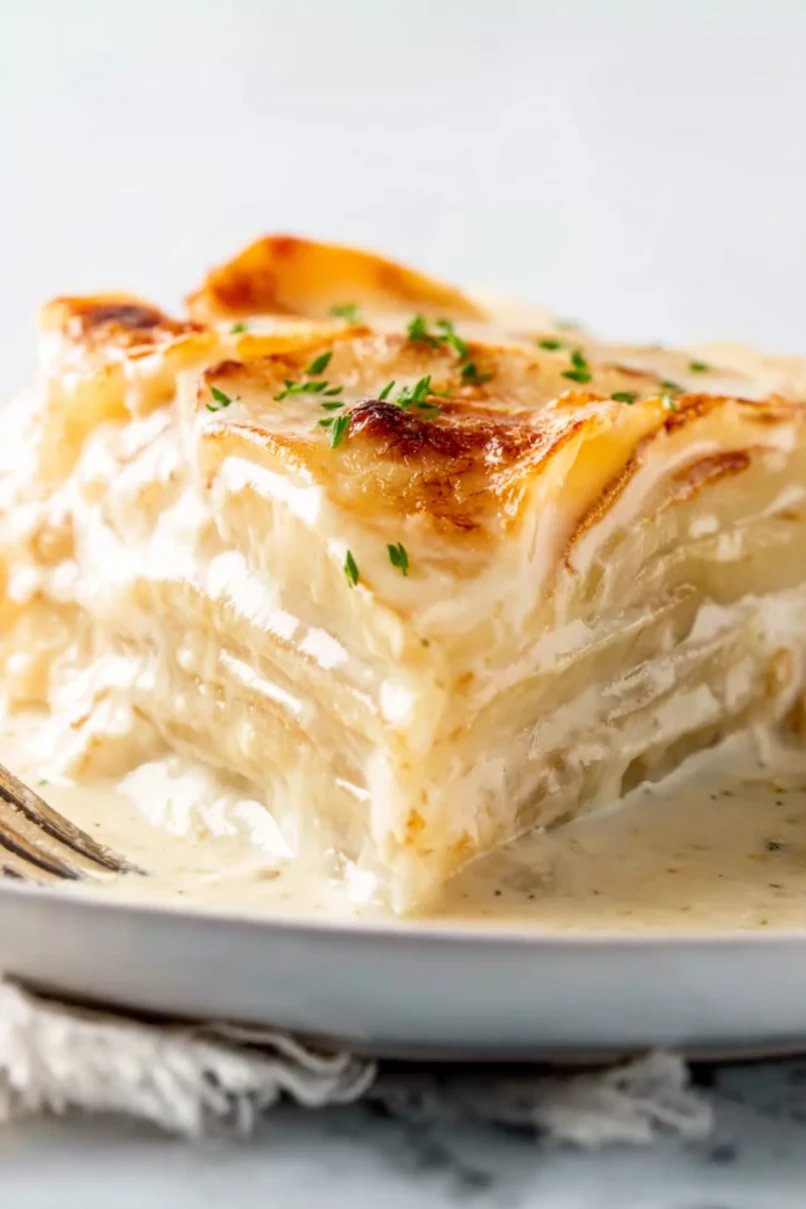
Why You’ll Love These Scalloped Potatoes
- Rich and creamy texture – The heavy cream creates the most luxurious, velvety sauce that coats every layer of tender potatoes perfectly.
- Simple ingredients – You probably have most of these pantry staples on hand already, making this an easy side dish to whip up anytime.
- Perfect for special occasions – This classic comfort food elevates any dinner table, whether it’s a holiday feast or Sunday family dinner.
- Make-ahead friendly – You can assemble this dish earlier in the day and pop it in the oven when you’re ready, making meal planning a breeze.
- Crowd-pleasing side dish – Everyone loves creamy, cheesy potatoes, and this recipe serves enough to feed a hungry crowd with plenty of satisfied faces.
What Kind of Potatoes Should I Use?
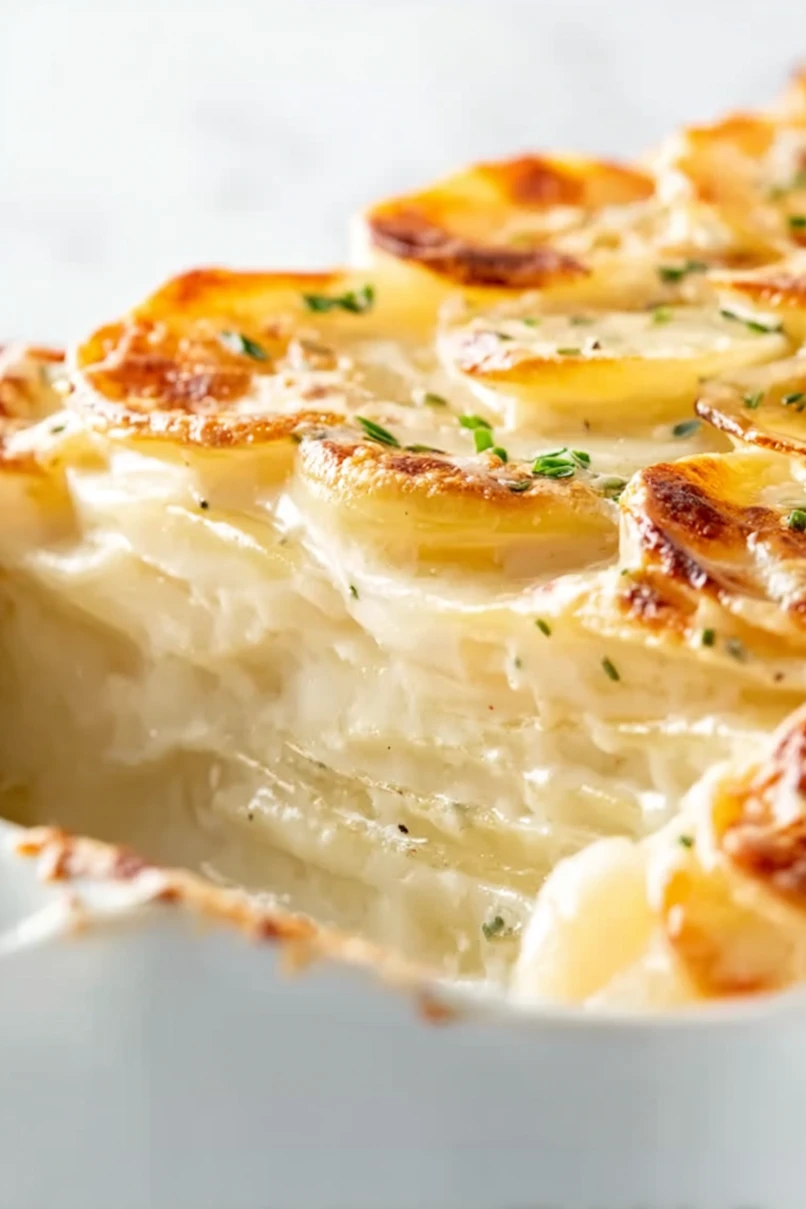
Russet potatoes are your best bet for scalloped potatoes because they have a high starch content that helps thicken the cream as it cooks. Their fluffy texture also absorbs the cream beautifully, creating those tender, creamy layers we all love. You could use Yukon Gold potatoes if that’s what you have on hand, but they won’t break down quite as much and your dish might be a bit less creamy. When selecting your russets, look for potatoes that are firm with smooth skin and avoid any with green spots or sprouting eyes.
Options for Substitutions
This creamy potato dish is pretty forgiving when it comes to swaps:
- Russet potatoes: You can use Yukon Gold potatoes instead of russets – they’ll give you a slightly creamier texture and hold their shape well. Avoid waxy potatoes like red potatoes as they won’t absorb the cream as nicely.
- Heavy cream: If you don’t have heavy cream, you can use half-and-half, but your dish won’t be quite as rich. For a lighter version, try whole milk mixed with a couple tablespoons of butter, though it won’t be as creamy.
- Tarragon: Fresh thyme, rosemary, or even dried herbs like oregano work great if you don’t have tarragon. Start with about half the amount if using dried herbs.
- All-purpose flour: For thickening, you can skip the flour entirely and just let the potatoes’ natural starch do the work, or substitute with cornstarch (use 1 tablespoon mixed with a little cold cream first).
- Butter: The butter is optional anyway, but if you want that extra richness without butter, try adding a tablespoon of cream cheese instead.
Watch Out for These Mistakes While Cooking
The biggest mistake when making scalloped potatoes is slicing your potatoes too thick, which leads to uneven cooking where some pieces are mushy while others remain hard – aim for slices that are about 1/8 inch thick using a mandoline or sharp knife for consistency.
Another common error is not seasoning each layer as you build the casserole, so make sure to sprinkle salt and pepper between every few layers of potatoes rather than just on top.
To prevent your cream from curdling or separating during the long baking process, avoid using cream that’s too cold by letting it come to room temperature first, and keep your oven temperature moderate around 350°F rather than cranking it up high.
Finally, resist the urge to peek too often or the casserole will lose heat and take much longer to cook through – test for doneness by inserting a knife into the center, which should slide through easily when the potatoes are tender.
What to Serve With Scalloped Potatoes?
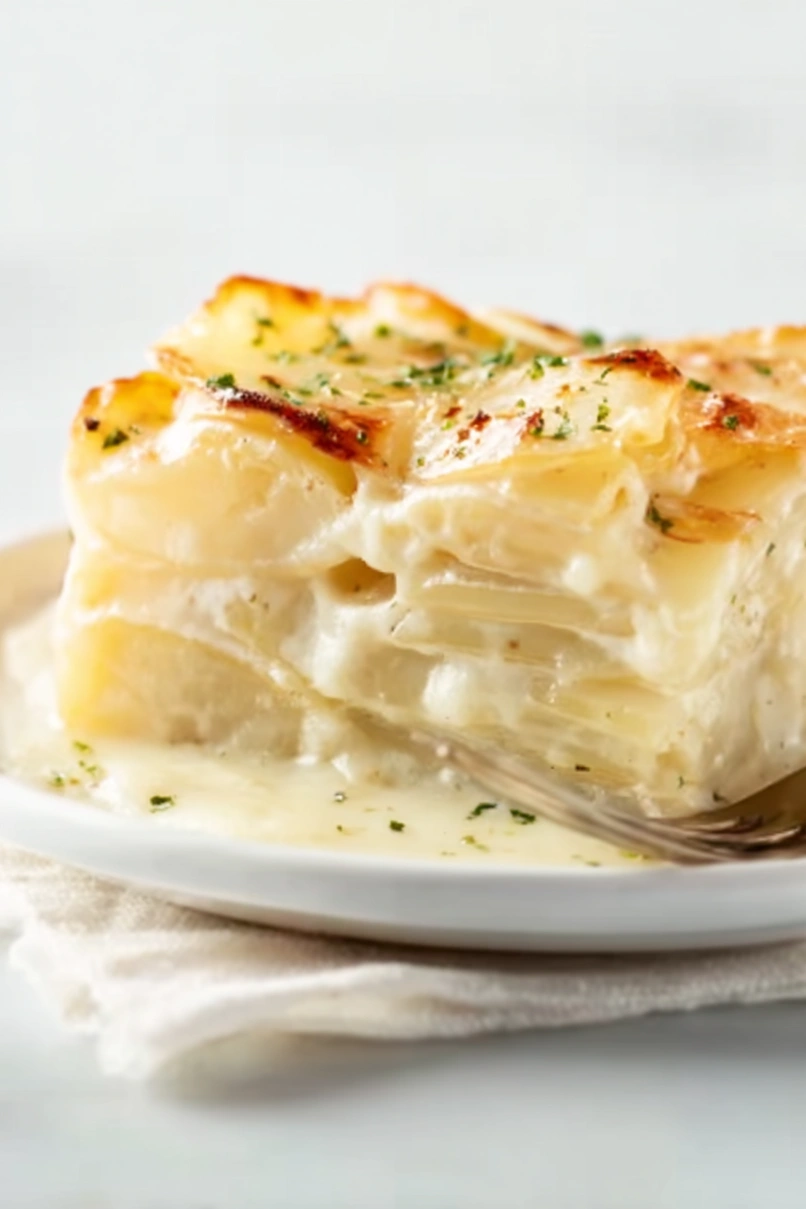
Scalloped potatoes are the perfect side dish for just about any protein, but they really shine alongside roasted chicken, baked ham, or grilled steak. The creamy, rich potatoes balance out lighter main dishes beautifully, so try serving them with simple roasted vegetables like green beans, asparagus, or Brussels sprouts. Since these potatoes are already pretty indulgent with all that cream, I like to keep the rest of the meal on the fresher side with a crisp salad or some steamed broccoli. They’re also amazing at holiday dinners – just make a big casserole dish and watch everyone go back for seconds!
Storage Instructions
Refrigerate: Leftover scalloped potatoes keep really well in the fridge for up to 4 days. Just cover the dish tightly with foil or transfer portions to airtight containers. The cream sauce might look a little separated when cold, but don’t worry – it comes back together beautifully when you reheat it.
Freeze: You can freeze scalloped potatoes for up to 3 months, though the texture will be a bit different after thawing. I like to portion them into individual servings in freezer-safe containers. Let them thaw overnight in the fridge before reheating for best results.
Reheat: To warm up your scalloped potatoes, cover with foil and bake at 350°F for about 20-30 minutes until heated through. You can also microwave individual portions, but I find the oven gives you that nice creamy texture back. Add a splash of cream if they seem a little dry.
| Preparation Time | 15-30 minutes |
| Cooking Time | 35-50 minutes |
| Total Time | 50-80 minutes |
| Level of Difficulty | Medium |
Estimated Nutrition
Estimated nutrition for the whole recipe (without optional ingredients):
- Calories: 4200-4700
- Protein: 35-45 g
- Fat: 300-330 g
- Carbohydrates: 355-390 g
Ingredients
For the potato bake:
- 1 tsp dried tarragon (freshly dried preferred for best flavor)
- 1 qt heavy cream (I use Organic Valley for richness)
- Black pepper (freshly ground for more flavor)
- 3 lb russet potatoes (peeled and sliced into 1/8-inch rounds)
- Salt (to taste)
For a thicker sauce (optional):
- 2 tbsp all-purpose flour (I use King Arthur)
- 1 tbsp butter (melted)
Step 1: Prepare the Potatoes and Preheat
- 3 lb russet potatoes
Peel the russet potatoes and slice them into 1/8-inch rounds using a mandoline or sharp knife—this thin slicing is crucial for even cooking and that luxurious, creamy texture you want in scalloped potatoes.
As you slice, place the potatoes in a large bowl of cold water to prevent oxidation and remove excess starch, which will help the cream sauce coat them better.
While prepping, preheat your oven to 350°F.
Step 2: Make the Cream Sauce Base
- 1 tbsp butter
- 2 tbsp all-purpose flour
- 1 qt heavy cream
- 1 tsp dried tarragon
- Salt
- Black pepper
In a small bowl, whisk together the melted butter and flour to create a smooth roux paste—this will thicken your cream and give the dish a silky, cohesive sauce rather than a watery one.
Heat the heavy cream in a large pot over medium heat until it just begins to steam (don’t let it boil).
Whisk the roux mixture into the warm cream, stirring constantly to avoid lumps.
Add the tarragon, salt, and freshly ground black pepper to taste.
I find that freshly dried tarragon has a more vibrant flavor than the old stuff sitting in your spice cabinet, so taste as you go.
Step 3: Cook the Potatoes in Cream
- Sliced potatoes from Step 1
- Cream sauce base from Step 2
Drain the prepared potatoes well and add them to the cream sauce in the pot.
Stir gently to coat all the potato slices evenly.
Bring the mixture to a gentle boil over medium-high heat, then immediately reduce to a simmer.
Cook for 12-15 minutes, stirring occasionally and gently to prevent sticking and breaking—the potatoes should be just starting to become tender but still hold their shape.
The cream will reduce slightly and take on a lovely golden color.
Step 4: Transfer to Baking Dish and Bake
- Potato and cream mixture from Step 3
Carefully pour the entire potato and cream mixture into a buttered 9×13-inch baking dish (or similar size), arranging the potatoes in an even layer if they’ve clumped together.
I like to save a bit of the creamier liquid to pour over the top so you get a golden, creamy finish.
Bake uncovered at 350°F for 15-20 minutes, until the top is golden brown and the cream is bubbling gently around the edges.
The potatoes should be completely tender when pierced with a fork, and the sauce will continue to thicken slightly as it cools.
Step 5: Rest and Serve
Remove the baking dish from the oven and let it rest for 5 minutes before serving.
This short rest allows the sauce to set slightly, making it easier to portion and ensuring each serving holds together beautifully.
The potatoes will continue to soften from the residual heat.