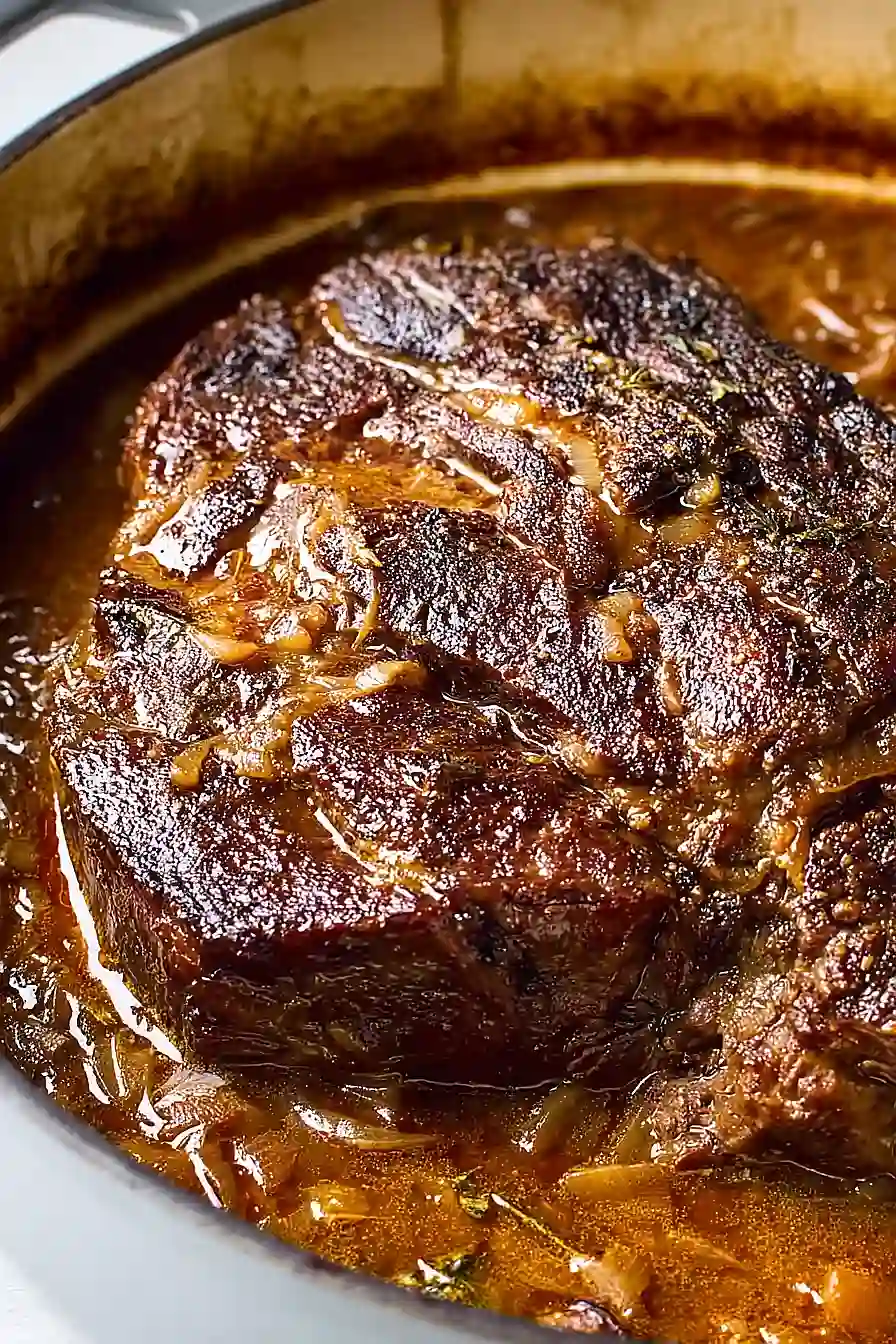
If you ask me, protein brownies don’t have to taste like cardboard.
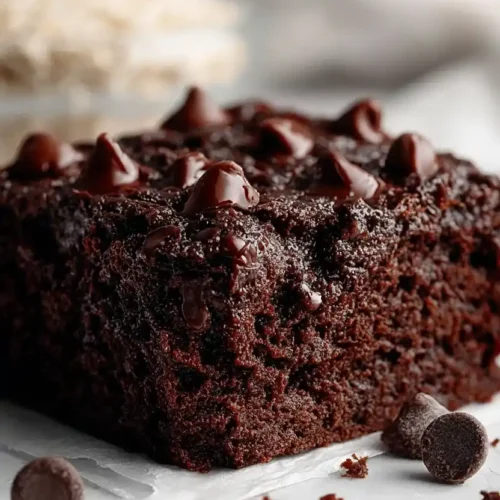
These cottage cheese brownies are a total game-changer for anyone who wants dessert without the guilt. Rich cocoa and creamy peanut butter team up with cottage cheese to create a fudgy texture that’s hard to believe is actually good for you.
The cottage cheese adds tons of protein while keeping things moist, and you won’t even taste it in the final result. A scoop of protein powder bumps up the nutrition even more, while coconut sugar and chocolate chips make sure these still taste like a real treat.
They’re perfect for meal prep or an after-workout snack that actually satisfies your chocolate cravings.
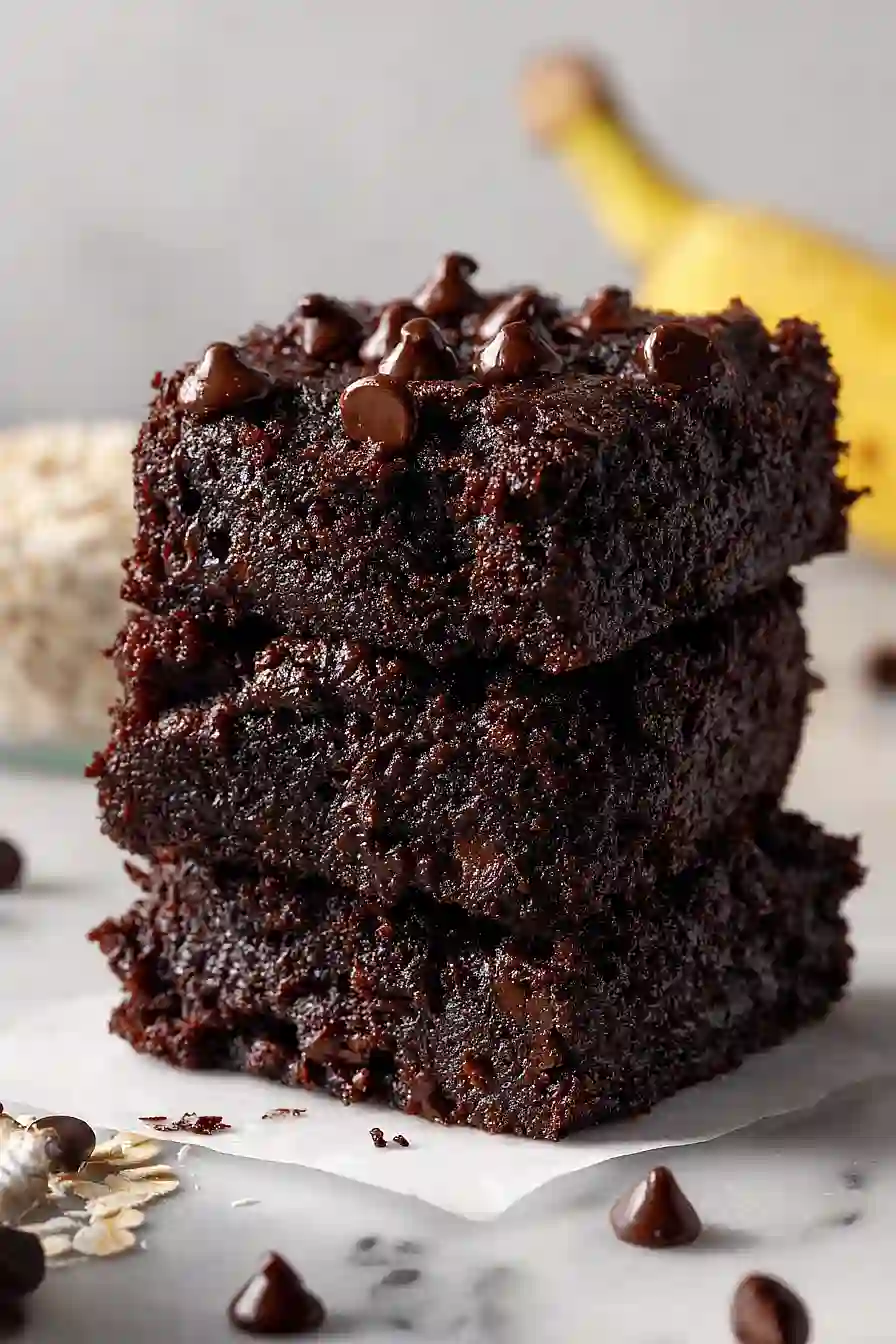
Why You’ll Love These Cottage Cheese Protein Brownies
- High-protein treat – With cottage cheese and protein powder packed in, these brownies give you a solid protein boost while satisfying your chocolate cravings.
- Quick and easy – Ready in under 40 minutes from start to finish, so you can whip up a batch whenever the craving hits.
- Simple ingredients – Just six basic ingredients you probably already have in your pantry and fridge – no complicated shopping list needed.
- Guilt-free dessert – These brownies let you enjoy a sweet treat without derailing your fitness goals, making them perfect for post-workout snacks or healthier dessert options.
What Kind of Cottage Cheese Should I Use?
For these protein brownies, any type of cottage cheese will work, whether it’s small curd, large curd, or even whipped cottage cheese. The key is to blend it really well so you don’t end up with any lumps in your brownies – nobody wants to bite into a chunk of cottage cheese when they’re expecting a smooth, fudgy brownie. Full-fat cottage cheese will give you the richest, most decadent texture, but low-fat or even fat-free versions work too if you’re watching calories. Just make sure your cottage cheese is fresh and not close to its expiration date, as older cottage cheese can have a slightly sour taste that might come through in your finished brownies.
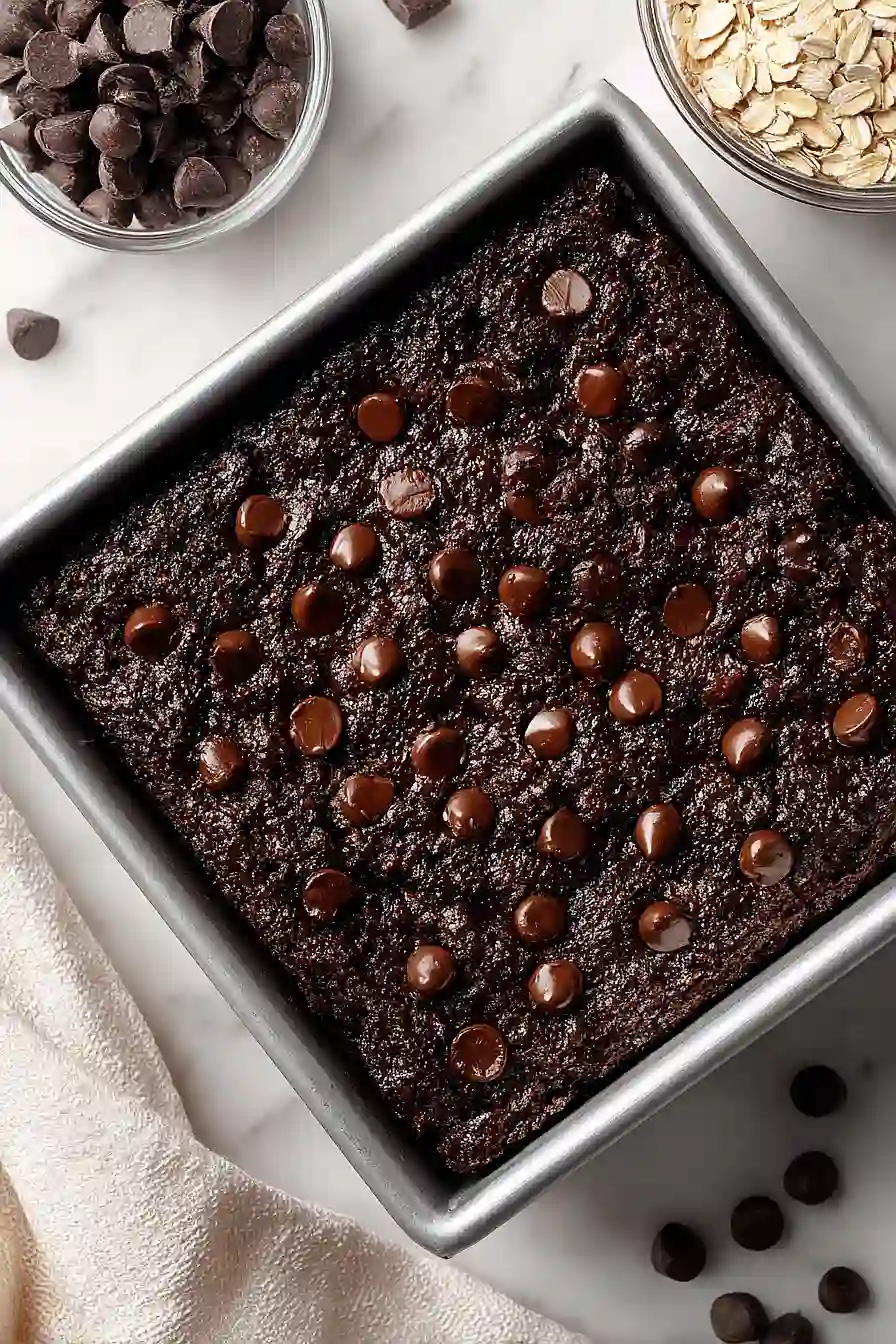
Options for Substitutions
These protein brownies are pretty forgiving when it comes to swaps:
- Cottage cheese: This is really the star ingredient that makes these brownies work, so I’d recommend sticking with it. However, if you need to, you can try Greek yogurt instead – just use the full-fat variety and drain any excess liquid first.
- Peanut butter: Any nut butter works here – almond butter, cashew butter, or sunflower seed butter if you have nut allergies. Just make sure it’s the creamy kind, not the natural separated type, or your brownies might turn out too oily.
- Coconut sugar: Regular brown sugar, white sugar, or even honey will work fine. If using honey, reduce the amount to about 1/3 cup since it’s sweeter and more liquid.
- Protein powder: You can skip this if you don’t have any on hand, but add an extra 1/4 cup of cocoa powder to make up for the dry ingredients. The brownies will be slightly less protein-packed but still tasty.
- Chocolate chips: Use whatever chocolate you like – dark chocolate chunks, milk chocolate chips, or even chopped up chocolate bars. You can also toss in some chopped nuts for extra crunch.
Watch Out for These Mistakes While Baking
The biggest mistake people make with cottage cheese brownies is skipping the blending step – if you don’t blend the cottage cheese until completely smooth, you’ll end up with lumpy brownies that have an odd texture instead of that fudgy consistency you’re after.
Overbaking is another common issue since these brownies continue cooking as they cool, so pull them out when they still look slightly underdone in the center (a toothpick should come out with a few moist crumbs, not completely clean).
Make sure to let the brownies cool completely in the pan for at least 30 minutes before cutting – they’re super soft when warm and will fall apart if you try to slice them too early.
If your batter seems too thick to spread easily, add a tablespoon or two of milk to thin it out, which will help you get an even layer in your pan.
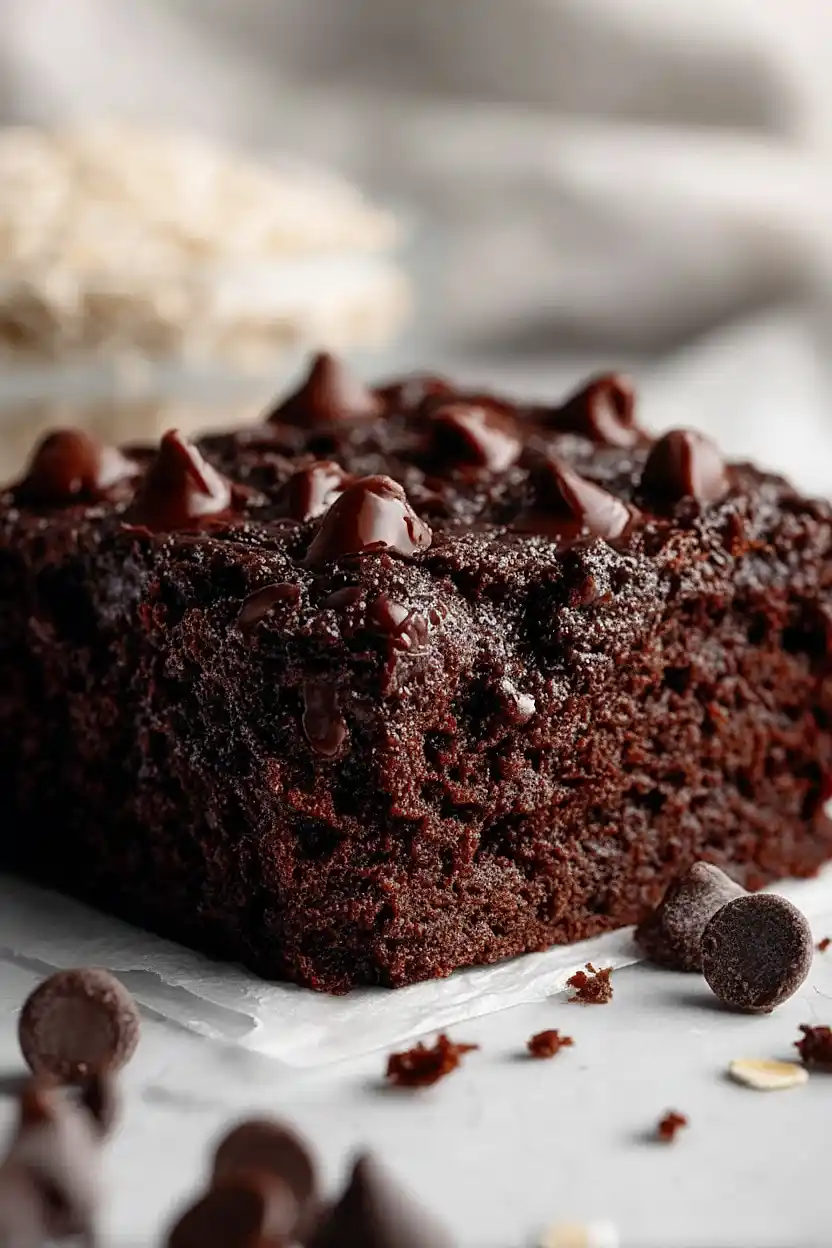
What to Serve With Cottage Cheese Protein Brownies?
These brownies are pretty rich and fudgy on their own, so I like keeping the sides simple. A cold glass of milk is always a winner, or if you’re feeling fancy, try them with a scoop of vanilla ice cream on top while they’re still warm. Fresh berries like strawberries or raspberries are great for cutting through the richness of the peanut butter and chocolate, plus they add a nice pop of freshness. You could also serve them with a dollop of Greek yogurt or whipped cream if you want something a bit lighter to balance out the protein-packed brownie.
Storage Instructions
Store: These protein brownies keep really well in the fridge. Just put them in an airtight container and they’ll stay fresh for up to a week. I actually think they taste even better after a day or two when the flavors have had time to meld together.
Freeze: You can totally freeze these brownies for later. Cut them into individual squares, wrap each one in plastic wrap, and store them in a freezer bag for up to 3 months. It’s great for portion control when you just want one brownie at a time.
Enjoy: These brownies are pretty fudgy straight from the fridge, which I love. If you froze them, just let them thaw in the fridge overnight or sit at room temperature for about 30 minutes. Some people even like eating them frozen as a chewy treat on hot days!
| Preparation Time | 10-15 minutes |
| Cooking Time | 15-25 minutes |
| Total Time | 25-40 minutes |
| Level of Difficulty | Easy |
| Servings | 16 slices |
Estimated Nutrition
Estimated nutrition for the whole recipe (without optional ingredients):
- Calories: 1960-2160
- Protein: 100-120 g
- Fat: 110-125 g
- Carbohydrates: 140-155 g
Ingredients
For the brownies:
- 16 oz cottage cheese (I prefer Good Culture for its thick and creamy texture)
- 1 cup peanut butter (natural creamy style works best for a smooth batter)
- 1 1/4 cups cocoa powder (sifted to remove any lumps)
- 3/4 cup coconut sugar
- 1 scoop protein powder (I always use Optimum Nutrition whey for consistent baking)
- 1 teaspoon vanilla extract
For the topping:
- 3 tablespoons chocolate chips (optional but recommended for extra richness)
Step 1: Prepare Your Baking Space and Dry Ingredients
- 1 1/4 cups cocoa powder
- 1 scoop protein powder
- 3/4 cup coconut sugar
Preheat your oven to 350°F and line an 8×8 inch baking pan with parchment paper, allowing some overhang on the sides for easy removal later.
While the oven preheats, sift your cocoa powder into a medium bowl to remove any lumps—this ensures a smooth, lump-free batter.
Add the protein powder and coconut sugar to the cocoa powder and whisk together until well combined and uniform in color.
Set this dry mixture aside.
Step 2: Blend Cottage Cheese Until Silky Smooth
- 16 oz cottage cheese
Pour the cottage cheese into a blender and blend on high speed for 1-2 minutes until completely smooth and creamy with no visible curds.
This is the critical step that determines your brownie’s final texture—a fully blended cottage cheese creates that dense, fudgy crumb rather than a grainy one.
Transfer the blended cottage cheese to a large mixing bowl.
Step 3: Combine Wet Ingredients with Dry Mixture
- blended cottage cheese from Step 2
- 1 cup peanut butter
- 1 teaspoon vanilla extract
- dry ingredient mixture from Step 1
To the blended cottage cheese, add the peanut butter and vanilla extract, then stir vigorously with a wooden spoon or spatula until the peanut butter is fully incorporated and the mixture is well combined.
The batter will be thick and dense.
Now fold in the dry ingredient mixture from Step 1 using a spatula, stirring until just combined—don’t overmix, as this can make the brownies tough.
I prefer using a thick natural peanut butter here because it blends seamlessly and adds genuine flavor without stabilizers that can affect texture.
Step 4: Spread Batter and Add Chocolate Chips
- batter from Step 3
- 3 tablespoons chocolate chips
Pour the batter into your prepared 8×8 inch pan and use an offset spatula or the back of a spoon to spread it evenly into the corners and smooth the top.
Sprinkle the chocolate chips over the surface and gently press them down slightly so they embed into the batter.
This distribution helps ensure every brownie gets a bit of chocolate richness.
Step 5: Bake to Your Preferred Texture
Place the pan in your preheated 350°F oven.
Bake for 15-20 minutes if you prefer a fudgy, dense texture with a slight wobble in the center, or 25 minutes for a cakey, more traditional brownie texture.
A toothpick inserted in the center should come out with just a few moist crumbs for fudgy, or nearly clean for cakey.
The brownies will continue to set slightly as they cool, so pull them from the oven just before they seem completely firm.
Step 6: Cool and Slice
Allow the brownies to cool in the pan for at least 15-20 minutes before slicing—this resting time is essential for the structure to set properly and makes clean cuts possible.
Once cooled, use the parchment overhang to lift the entire brownie slab from the pan, then transfer to a cutting board and slice into squares with a sharp knife, wiping the blade between cuts for clean edges.
High Protein Cottage Cheese Brownies
Ingredients
For the brownies::
- 16 oz cottage cheese (I prefer Good Culture for its thick and creamy texture)
- 1 cup peanut butter (natural creamy style works best for a smooth batter)
- 1 1/4 cups cocoa powder (sifted to remove any lumps)
- 3/4 cup coconut sugar
- 1 scoop protein powder (I always use Optimum Nutrition whey for consistent baking)
- 1 teaspoon vanilla extract
For the topping::
- 3 tablespoons chocolate chips (optional but recommended for extra richness)
Instructions
- Preheat your oven to 350°F and line an 8x8 inch baking pan with parchment paper, allowing some overhang on the sides for easy removal later. While the oven preheats, sift your cocoa powder into a medium bowl to remove any lumps—this ensures a smooth, lump-free batter. Add the protein powder and coconut sugar to the cocoa powder and whisk together until well combined and uniform in color. Set this dry mixture aside.
- Pour the cottage cheese into a blender and blend on high speed for 1-2 minutes until completely smooth and creamy with no visible curds. This is the critical step that determines your brownie's final texture—a fully blended cottage cheese creates that dense, fudgy crumb rather than a grainy one. Transfer the blended cottage cheese to a large mixing bowl.
- To the blended cottage cheese, add the peanut butter and vanilla extract, then stir vigorously with a wooden spoon or spatula until the peanut butter is fully incorporated and the mixture is well combined. The batter will be thick and dense. Now fold in the dry ingredient mixture from Step 1 using a spatula, stirring until just combined—don't overmix, as this can make the brownies tough. I prefer using a thick natural peanut butter here because it blends seamlessly and adds genuine flavor without stabilizers that can affect texture.
- Pour the batter into your prepared 8x8 inch pan and use an offset spatula or the back of a spoon to spread it evenly into the corners and smooth the top. Sprinkle the chocolate chips over the surface and gently press them down slightly so they embed into the batter. This distribution helps ensure every brownie gets a bit of chocolate richness.
- Place the pan in your preheated 350°F oven. Bake for 15-20 minutes if you prefer a fudgy, dense texture with a slight wobble in the center, or 25 minutes for a cakey, more traditional brownie texture. A toothpick inserted in the center should come out with just a few moist crumbs for fudgy, or nearly clean for cakey. The brownies will continue to set slightly as they cool, so pull them from the oven just before they seem completely firm.
- Allow the brownies to cool in the pan for at least 15-20 minutes before slicing—this resting time is essential for the structure to set properly and makes clean cuts possible. Once cooled, use the parchment overhang to lift the entire brownie slab from the pan, then transfer to a cutting board and slice into squares with a sharp knife, wiping the blade between cuts for clean edges.