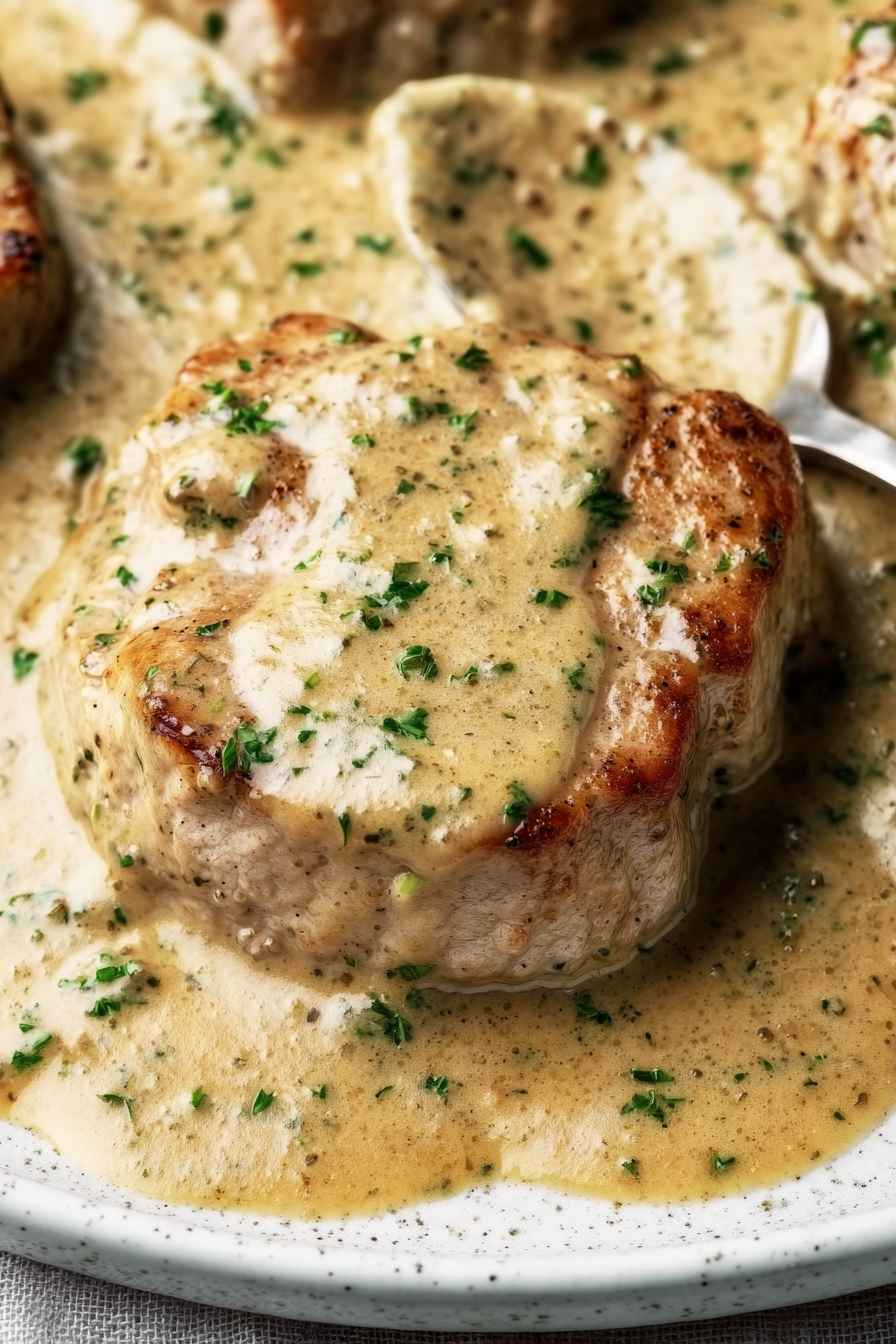
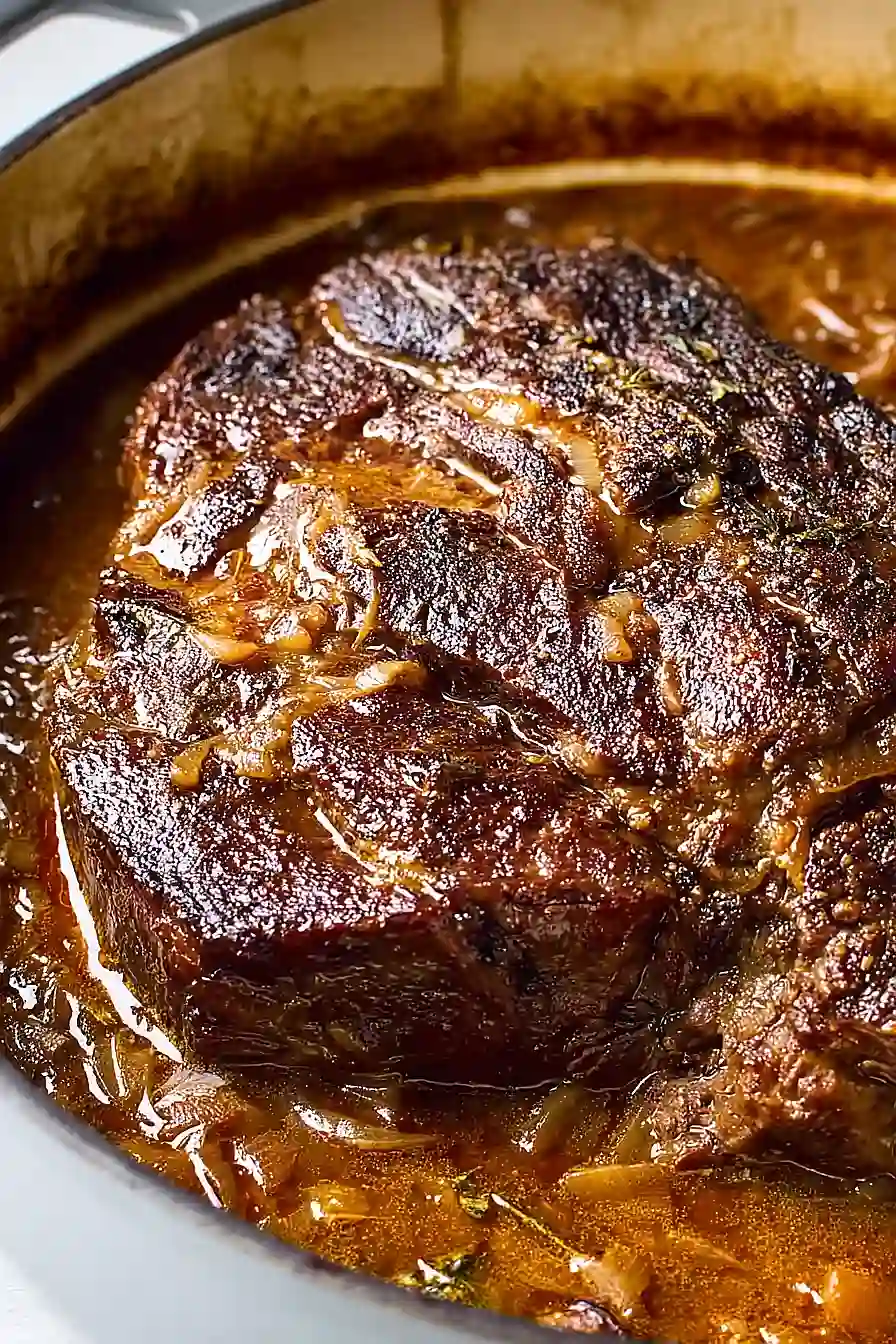
If you ask me, beef tikka masala is one of those dishes that just makes everyone happy.
This comforting Indian-inspired curry features tender chunks of beef simmered in a rich, creamy tomato sauce. The warm spices like garam masala and cumin create layers of flavor that aren’t too spicy for most palates.
The beef gets marinated in yogurt and spices before being seared in a hot pan. Then it’s braised in a smooth sauce made with tomatoes, cream, and aromatic seasonings that fill your kitchen with the most amazing smell.
It’s a hearty, satisfying meal that pairs perfectly with rice or naan bread, and it’s guaranteed to become a family favorite.
Why You’ll Love This Beef Tikka Masala
- Rich, authentic flavors – The blend of aromatic spices like garam masala, tandoori masala, and kasoori methi creates a restaurant-quality curry that’s packed with complex, warming flavors.
- Tender, juicy beef – The slow-cooked beef becomes incredibly tender and soaks up all those amazing spices, making every bite satisfying and flavorful.
- Perfect for meal prep – This curry actually tastes even better the next day as the flavors continue to develop, making it ideal for batch cooking or weekend meal prep.
- Customizable heat level – You can easily adjust the spice level by adding more or fewer green chillies and Kashmiri chilli powder to suit your family’s taste preferences.
- Impressive dinner party dish – This looks and tastes like something from your favorite Indian restaurant, making it perfect for entertaining guests or treating yourself to something special.
What Kind of Beef Should I Use?
For tikka masala, you’ll want to choose a cut of beef that can handle slow cooking and won’t dry out. Chuck roast, beef short ribs, or even stewing beef work really well since they have enough fat and connective tissue to stay tender during the cooking process. You can also use sirloin or rump steak if you prefer a leaner option, just be careful not to overcook it. Whatever cut you choose, make sure to trim off any excess fat and cut it into evenly sized bite-sized pieces so everything cooks at the same rate. If you’re using a tougher cut like chuck, don’t worry – the long, slow cooking in all those spices and tomatoes will break it down into something really tender and flavorful.
Options for Substitutions
This beef tikka masala is pretty adaptable, so here are some swaps you can make:
- Beef: You can easily swap the beef for chicken thighs, lamb, or even paneer for a vegetarian version. Just adjust the cooking time – chicken will cook faster than beef.
- Garlic and ginger paste: If you don’t have the paste, use 4 cloves of minced garlic and 1 tablespoon of fresh grated ginger instead.
- Green bird’s eye chillies: These can be replaced with jalapeños, serranos, or even a pinch of cayenne pepper. Start with less and add more to taste since heat levels vary.
- Ghee: Regular butter or any neutral oil like vegetable or sunflower oil works fine if you don’t have ghee.
- Kashmiri chilli powder: This gives great color and mild heat. You can substitute with regular chili powder or paprika, but use less since regular chili powder is spicier.
- Kasoori methi: If you can’t find dried fenugreek leaves, you can skip it or use a pinch of dried oregano for a different but still nice herbal note.
- Mango chutney: A tablespoon of brown sugar or honey can replace this for sweetness, though you’ll miss the fruity tang.
- Single cream: Heavy cream, half-and-half, or even coconut milk work well here. Coconut milk will give it a slightly different flavor profile but still delicious.
Watch Out for These Mistakes While Cooking
The biggest mistake when making beef tikka masala is rushing the cooking process – beef needs time to become tender, so don’t try to speed things up by cranking the heat or you’ll end up with tough, chewy meat that no amount of sauce can save.
Another common error is adding the yoghurt too quickly or while the pan is too hot, which causes it to curdle and create an unappetizing texture – always temper the yoghurt by adding a spoonful of the hot sauce to it first, then gradually stir it back into the pan off the heat.
Make sure to bloom your whole spices like cardamom, cinnamon, and peppercorns in the hot oil before adding other ingredients, as this releases their full flavor and prevents them from tasting raw or bitter.
Finally, don’t skip the kasoori methi at the end – these dried fenugreek leaves add an authentic restaurant-style flavor that really makes the dish shine, and crushing them between your fingers before adding releases even more aroma.
What to Serve With Beef Tikka Masala?
This rich and creamy beef tikka masala is perfect served over fluffy basmati rice, which soaks up all those amazing spiced flavors beautifully. I love pairing it with warm naan bread or chapati for scooping up every bit of that delicious sauce – it’s honestly the best part! A simple cucumber raita or plain yogurt on the side helps cool things down if you’ve made it on the spicier side, and it adds a nice creamy contrast to the bold flavors. For a complete Indian feast, add some roasted vegetables like cauliflower or green beans, or even a fresh salad with sliced onions and tomatoes dressed with lemon juice.
Storage Instructions
Refrigerate: This beef tikka masala actually tastes even better the next day! Store it in the fridge in an airtight container for up to 4 days. The flavors really have time to meld together, making it perfect for meal prep or when you want to get dinner started ahead of time.
Freeze: You can freeze this curry for up to 3 months in freezer-safe containers or bags. I like to portion it out into individual servings so I can grab just what I need. Just remember to leave some space at the top of containers since it’ll expand when frozen.
Warm Up: Thaw frozen curry overnight in the fridge, then gently warm it on the stovetop over medium-low heat, stirring occasionally. You might need to add a splash of stock or water if it seems too thick. Give it a taste and add a squeeze of fresh lime juice to brighten it up again.
| Preparation Time | 15-20 minutes |
| Cooking Time | 60-90 minutes |
| Total Time | 75-110 minutes |
| Level of Difficulty | Medium |
Estimated Nutrition
Estimated nutrition for the whole recipe (without optional ingredients):
- Calories: 2200-2500
- Protein: 170-190 g
- Fat: 140-160 g
- Carbohydrates: 60-80 g
Ingredients
For the curry base:
- 800 g beef (diced into 1-inch cubes)
- 2 to 5 fresh green bird’s eye chilies (chopped, adjust for heat preference)
- 2 tbsp ginger-garlic paste (freshly made preferred for best flavor)
- 1/4 cup ghee or canola oil
- 2 medium onions (chopped into 1/2-inch pieces)
For the spices:
- 8 whole black peppercorns
- 1 tbsp ground cumin
- 1 tbsp Kashmiri chili powder (adjust to taste for color and heat)
- 1 tbsp ground coriander
- 2 green cardamom pods (cracked open)
- 1/2 tsp turmeric powder
- 1 tbsp tandoori masala powder (I use MDH brand)
- 1 tsp garam masala (freshly ground preferred for more flavor)
- 1 cinnamon stick (1 inch)
For the sauce:
- 1 tbsp mango chutney (adds sweetness and depth)
- 1/2 cup beef or chicken stock
- 1 1/2 cups chopped tomatoes or passata
- 1/2 cup plain yogurt (room temperature, prevents curdling)
To finish and garnish:
- 1 tbsp dried fenugreek leaves (kasoori methi, for authentic aroma)
- Juice from 1 to 2 limes (freshly squeezed)
- 3 tbsp light cream (optional but recommended for extra richness)
- Salt to taste
- 3 tbsp fresh cilantro (finely minced)
Step 1: Prepare Mise en Place and Aromatics Base
- 2 medium onions, chopped
- 2 to 5 fresh green bird’s eye chilies, chopped
- 8 whole black peppercorns
- 1 cinnamon stick
- 2 green cardamom pods, cracked open
- 1 tbsp ground cumin
- 1 tbsp ground coriander
- 1 tbsp tandoori masala powder
- 1 tsp garam masala
- 1/2 tsp turmeric powder
- 1 tbsp Kashmiri chili powder
Chop the onions into 1/2-inch pieces and chop the green chilies according to your heat preference.
Blend the chopped onions and chilies together in a blender or food processor until you achieve a smooth paste—this creates the aromatic foundation of the sauce.
Set the onion-chili paste aside.
Have all your spices measured and ready: the whole black peppercorns, cinnamon stick, green cardamom pods (cracked open), and all ground spices (cumin, coriander, tandoori masala, garam masala, turmeric, and Kashmiri chili powder).
This preparation ensures you can move quickly once cooking begins, which is crucial for building proper flavor through the blooming of spices.
Step 2: Bloom Whole Spices and Brown the Beef
- 1/4 cup ghee or canola oil
- 800 g beef, diced into 1-inch cubes
- 8 whole black peppercorns
- 1 cinnamon stick
- 2 green cardamom pods, cracked open
Heat the ghee or oil in a large heavy-bottomed pot or Dutch oven over medium-high heat.
Once shimmering, immediately add the peppercorns, cinnamon stick, and cracked cardamom pods, stirring constantly for about 30 seconds until fragrant—this blooming of whole spices releases their essential oils and creates the aromatic backbone of the dish.
Working quickly, add the diced beef cubes in a single layer, allowing them to brown undisturbed for 2-3 minutes before stirring.
Continue cooking until the beef is browned on most sides, about 5-7 minutes total.
I like to use high heat here to develop a proper crust, which adds depth to the final sauce.
Step 3: Build the Flavor Base with Aromatics and Ground Spices
- 2 tbsp ginger-garlic paste
- 1 tbsp ground cumin
- 1 tbsp ground coriander
- 1 tbsp tandoori masala powder
- 1 tsp garam masala
- 1/2 tsp turmeric powder
- 1 tbsp Kashmiri chili powder
- onion-chili paste from Step 1
Add the ginger-garlic paste to the browned beef and stir well, cooking for about 1 minute to mellow the raw bite of the garlic.
Then add all the ground spices (cumin, coriander, tandoori masala, garam masala, turmeric, and Kashmiri chili powder) and cook for 1-2 minutes, stirring constantly.
This short cooking time allows the spices to coat the beef and develop their flavors without burning.
Add the onion-chili paste from Step 1 and stir to combine thoroughly, coating all the beef pieces evenly.
The paste will help distribute flavors and begin to create the sauce base.
Step 4: Create the Sauce and Simmer Until Beef is Tender
- 1 1/2 cups chopped tomatoes or passata
- 1 tbsp mango chutney
- 1/2 cup beef or chicken stock
Add the chopped tomatoes (or passata), mango chutney, and beef or chicken stock to the pot.
Stir well to combine, scraping any browned bits from the bottom of the pot.
Bring to a simmer, then reduce heat to low, cover with a lid, and simmer gently for 30-40 minutes until the beef is completely tender and easily pierced with a fork.
The covered simmer allows the beef to braise gently while the sauce develops complexity from the spices and tomatoes.
I find that patience here makes all the difference—the longer, gentler simmer creates a more cohesive, flavorful sauce than rushing the process.
Step 5: Finish the Sauce and Temper in the Yogurt
- 1/2 cup plain yogurt, room temperature
- Salt to taste
- 1 tbsp dried fenugreek leaves
- 3 tbsp light cream
Uncover the pot and simmer for an additional 3-5 minutes to reduce and slightly thicken the sauce, which concentrates the flavors.
Remove from heat and let the curry cool for about 2 minutes.
While still warm but not actively simmering, slowly stir in the room-temperature yogurt, adding it in small batches and stirring constantly to prevent it from curdling.
Once the yogurt is fully incorporated, stir in the dried fenugreek leaves (kasoori methi) and salt to taste.
If using cream for extra richness, add it now and stir gently.
The fenugreek leaves add an authentic aromatic note that ties the dish together beautifully.
Step 6: Brighten and Garnish
- Juice from 1 to 2 limes, freshly squeezed
- 3 tbsp fresh cilantro, finely minced
Finish the tikka masala by squeezing the juice from 1-2 fresh limes into the curry, stirring well to distribute the bright acidity throughout the dish.
The lime juice adds a fresh, vibrant note that balances the richness and spice.
Taste and adjust salt or lime juice as needed.
Transfer to a serving dish and garnish generously with freshly minced cilantro.
Serve hot with basmati rice, naan, or roti.