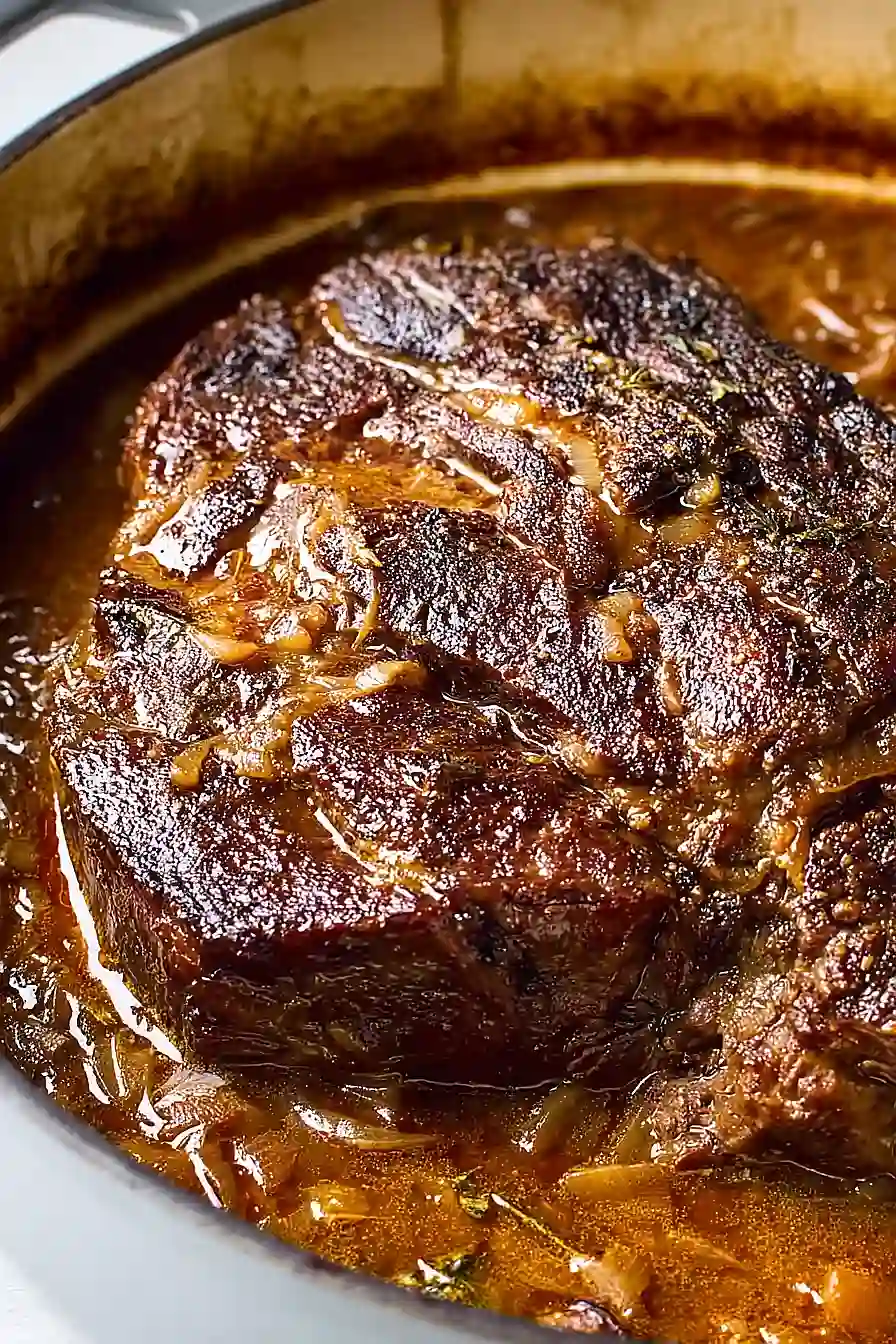
Here is my go-to high altitude dinner rolls recipe, with soft, fluffy rolls that rise perfectly at elevation, plus all the adjustments you need for that tender, buttery texture we all love.
These dinner rolls have become a staple at our dinner table, especially when we have company over. I’ve learned that baking at high altitude can be tricky, but once you get the hang of these adjustments, you’ll have perfect rolls every time.
Why You’ll Love These High Altitude Dinner Rolls
- High altitude tested – Finally, a dinner roll recipe that actually works at elevation! No more dense, flat rolls that don’t rise properly.
- Soft and fluffy texture – These rolls come out perfectly tender with a golden crust, thanks to the right balance of ingredients for high altitude baking.
- Make-ahead friendly – You can prepare the dough earlier in the day and let it rise slowly, making dinner prep so much easier.
- Sweet maple butter topping – The homemade maple butter that goes on top takes these rolls from good to absolutely irresistible.
- Perfect for special occasions – Whether it’s Thanksgiving, Christmas, or Sunday dinner, these rolls will impress your guests and become a family favorite.
What Kind of Flour Should I Use?
For these high altitude dinner rolls, bread flour is your best friend and will give you the most reliable results. Bread flour has a higher protein content than all-purpose flour, which helps create the strong gluten structure needed for fluffy, well-risen rolls at high elevation. If you only have all-purpose flour on hand, you can substitute it cup for cup, but your rolls might not rise quite as high or have the same chewy texture. When measuring your flour, be sure to spoon it into your measuring cup and level it off rather than scooping directly from the bag – this prevents you from accidentally packing in too much flour, which can make your rolls dense and heavy.
Options for Substitutions
This dinner roll recipe has some room for flexibility, though a few ingredients are best left as-is:
- Bread flour: You can substitute all-purpose flour, but your rolls might be slightly less chewy. If using all-purpose, you may need to add an extra 2-3 tablespoons since bread flour absorbs more liquid.
- Instant yeast: Active dry yeast works too – just dissolve it in the warm milk first and let it foam for 5 minutes before adding to your dry ingredients.
- Whole milk: 2% milk or even buttermilk will work fine. If using buttermilk, add a pinch of baking soda to balance the acidity.
- Maple syrup or honey: These are interchangeable with each other, or you can use granulated sugar as listed. Brown sugar also works and adds a nice molasses flavor.
- Ground nutmeg: Skip it if you don’t have it, or try a pinch of cinnamon or cardamom instead for a different warm spice note.
- Kosher salt: Table salt works fine – just remember to use half the amount since it’s more concentrated than coarse salt.
Watch Out for These Mistakes While Baking
The biggest challenge with high altitude baking is that yeast rises much faster in lower air pressure, so keep a close eye on your dough during the first rise – it should only double in size, not triple, or your rolls will collapse.
Another common mistake is adding too much flour when rolling out the dough, which can make your rolls dense and heavy, so use just enough to prevent sticking and handle the dough gently.
Since high altitude baking tends to dry out baked goods faster, make sure your eggs are truly at room temperature and don’t overbake – your rolls are done when they’re golden brown and sound hollow when tapped on the bottom.
For the fluffiest results, let your shaped rolls rise until they’re just touching each other in the pan, and brush with egg wash right before baking to get that beautiful golden crust.
What to Serve With Dinner Rolls?
These fluffy dinner rolls are perfect for soaking up all the good stuff on your plate, so they go great with just about any hearty meal. I love serving them alongside roast chicken or beef stew, where you can use them to mop up every bit of gravy or sauce. They’re also fantastic with holiday meals like Thanksgiving turkey or Christmas ham, and the maple syrup in the recipe makes them especially good with savory dishes that have a bit of sweetness. For a simple weeknight dinner, try them with a bowl of chili or your favorite soup – the soft, buttery texture is perfect for dunking.
Storage Instructions
Keep Fresh: These dinner rolls are best enjoyed fresh, but they’ll stay soft for up to 3 days when stored in an airtight container or wrapped tightly in plastic wrap at room temperature. If you want to keep them longer, pop them in the fridge for up to a week.
Freeze: You can freeze these rolls either baked or unbaked! For baked rolls, wrap them individually in plastic wrap and freeze for up to 3 months. For unbaked rolls, shape them and freeze on a baking sheet, then transfer to freezer bags once solid.
Warm Up: To bring back that fresh-from-the-oven taste, wrap the rolls in damp paper towels and microwave for 10-15 seconds, or warm them in a 350°F oven for about 5 minutes. If you froze unbaked rolls, just let them thaw and rise before baking as usual.
| Preparation Time | 45-90 minutes |
| Cooking Time | 25-30 minutes |
| Total Time | 2-3 hours |
| Level of Difficulty | Medium |
Estimated Nutrition
Estimated nutrition for the whole recipe (without optional ingredients):
- Calories: 2900-3200
- Protein: 60-70 g
- Fat: 140-160 g
- Carbohydrates: 360-400 g
Ingredients
For the dough:
- 1 packet instant yeast (2 1/4 tsp, active dry or rapid rise)
- 3/4 cup whole milk (room temperature, about 70°F)
- 2 large eggs (room temperature for better dough incorporation)
- 1 tsp coarse kosher salt (or 1/2 tsp table salt)
- 4 tbsp unsalted butter (I use Kerrygold for rich flavor)
- 3 tbsp maple syrup (or honey, or 1/4 cup granulated sugar)
- 3 1/4 cups bread flour, plus 1/4 cup for dusting (King Arthur brand recommended)
- 1/4 tsp ground nutmeg (freshly ground preferred)
For the maple butter:
- 4 tbsp maple syrup (pure maple syrup gives best flavor)
- 1/2 cup unsalted butter (very soft, nearly spreadable)
- 1/4 tsp coarse kosher salt (or 1/8 tsp table salt)
For assembly:
- 1 large egg (for egg wash, beaten lightly)
Step 1: Prepare the Dough Base with Warm Milk Mixture
- 4 tbsp unsalted butter
- 3/4 cup whole milk
- 3 1/4 cups bread flour
- 1 packet instant yeast
- 1 tsp coarse kosher salt
- 1/4 tsp ground nutmeg
- 3 tbsp maple syrup
- 2 large eggs
Melt the butter in a small saucepan over medium heat, then stir in the room-temperature milk.
Heat this mixture to 110-115°F—this temperature is crucial at high altitude because it activates the yeast properly without killing it.
While the milk mixture heats, combine the bread flour, instant yeast, kosher salt, and ground nutmeg in the bowl of your stand mixer.
Once the milk reaches temperature, add it to the dry ingredients along with the maple syrup and room-temperature eggs.
Mix on medium speed for about 5 minutes until the dough comes together and becomes smooth and elastic.
I like using room-temperature eggs here because they incorporate more evenly into the dough, giving you a better texture in the final rolls.
Step 2: First Rise and Strategic Chilling
- dough from Step 1
Grease a large bowl with a little butter or oil and transfer the dough from Step 1 into it, turning it once to coat lightly.
Cover the bowl with a damp kitchen towel or plastic wrap and let it rise at room temperature until it has roughly doubled in volume—this typically takes 45-90 minutes depending on your kitchen temperature (high altitude baking moves slower, so be patient).
Once doubled, cover and refrigerate the dough for at least 2 hours, preferably overnight.
This chilling period is essential at high altitude because it relaxes the gluten, makes the dough easier to handle, and allows the flavors to develop more deeply.
Step 3: Make the Maple Butter Filling
- 1/2 cup unsalted butter
- 4 tbsp maple syrup
- 1/4 tsp coarse kosher salt
While the dough chills, prepare the maple butter filling by beating together the very soft unsalted butter, pure maple syrup, and coarse kosher salt in a small bowl with a fork or electric mixer until smooth and well combined.
This filling should be spreadable but not melted—if it’s too soft, chill it briefly so it holds together when spread on the dough.
Set aside until ready to assemble the rolls.
Step 4: Shape the Rolls with Maple Spiral
- chilled dough from Step 2
- 1/4 cup bread flour
- maple butter filling from Step 3
Remove the chilled dough from Step 2 and place it on a lightly floured surface (use the 1/4 cup flour reserved for dusting).
Roll the dough into a 15×12 inch rectangle, using a bench scraper or knife to keep the edges straight as you work.
Spread about one-third of the maple butter filling from Step 3 evenly across the entire surface of the dough rectangle.
Starting from one of the long sides, tightly roll the dough into a log, then use a sharp knife to cut it into 12 equal pieces.
Stand each piece on its cut side and gently press it into a spiral shape, then place it seam-side up in a greased 9×13 inch baking dish (or similar).
I find cutting with a sharp serrated knife and using dental floss works better than a standard knife—it gives you cleaner cuts without compressing the dough.
Step 5: Second Rise and Prepare for Baking
- shaped rolls from Step 4
- 1 large egg
Cover the baking dish with a damp towel or plastic wrap and let the shaped rolls rise at room temperature for about 30 minutes until they’re puffy and starting to touch each other slightly—they won’t fully double at high altitude, but they should look noticeably lighter.
Meanwhile, preheat your oven to 375°F (adjusted down from sea-level recipes because high altitude requires slightly lower temperatures to prevent over-browning).
About 5 minutes before baking, lightly beat the egg for the egg wash in a small bowl with a fork.
Step 6: Brush, Bake, and Finish the Rolls
- rolls from Step 5 with egg wash
- remaining maple butter from Step 3
Brush the beaten egg wash evenly over the tops of all the rolls.
Bake at 375°F for 25-30 minutes until the rolls are golden brown on top and the internal temperature reaches 195°F when checked with an instant-read thermometer in the center of one roll.
Remove the baking dish from the oven and immediately brush the warm rolls with the remaining maple butter filling from Step 3, reserving a small amount for serving.
Let the rolls cool in the dish for 2-3 minutes before serving alongside the extra maple butter on the side.