I never thought I’d miss cake when I started eating keto. The first few months were rough, especially when my kids would bring home birthday cake from parties. I’d watch them eat it and wonder if I’d ever enjoy a slice of cake again without feeling guilty about it later.
That’s when I got serious about creating a keto cake that actually tastes good. No weird aftertaste, no crumbly texture that falls apart on your fork. Just a moist, satisfying cake that happens to be low-carb. The secret is coconut flour and a simple syrup that keeps everything tender.
Want something rich and buttery? This coconut cake has you covered. Need a dessert that won’t kick you out of ketosis? Same. The whipped cream frosting seals the deal, and honestly, my family can’t even tell it’s keto.
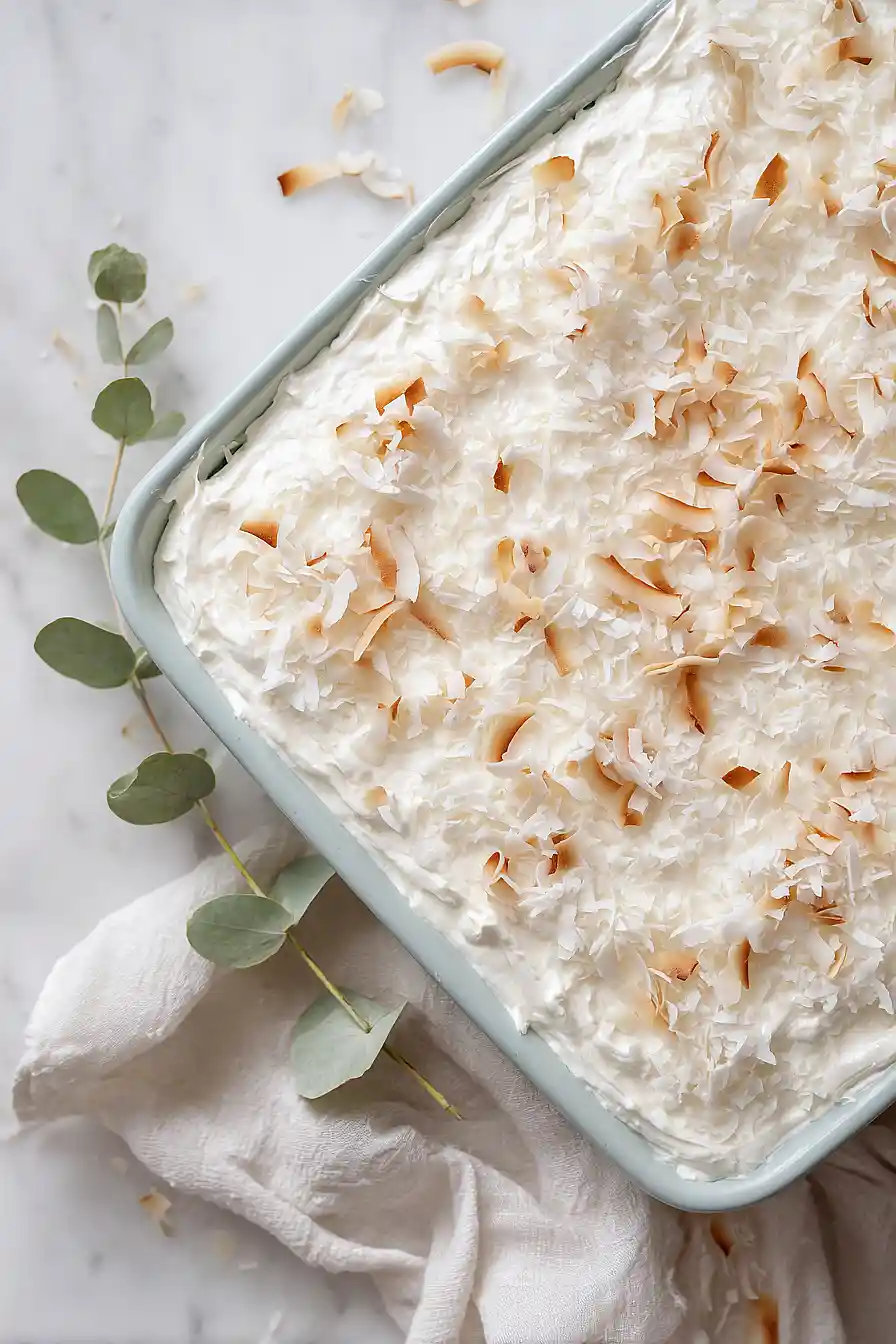
Why You’ll Love This Keto Coconut Cake
- Keto-friendly dessert – This cake uses monkfruit sweetener and coconut flour instead of sugar and regular flour, so you can enjoy a sweet treat while staying in ketosis.
- Quick and easy – Ready in under an hour, this cake comes together fast when you need a last-minute dessert or are craving something sweet.
- Simple ingredients – You probably have most of these pantry staples on hand already, making it easy to whip up whenever the mood strikes.
- Rich coconut flavor – Between the coconut flour in the cake and shredded coconut throughout, coconut lovers will be in heaven with every bite.
- Low-carb indulgence – Finally, a cake that won’t derail your diet goals but still satisfies your sweet tooth completely.
What Kind of Coconut Should I Use?
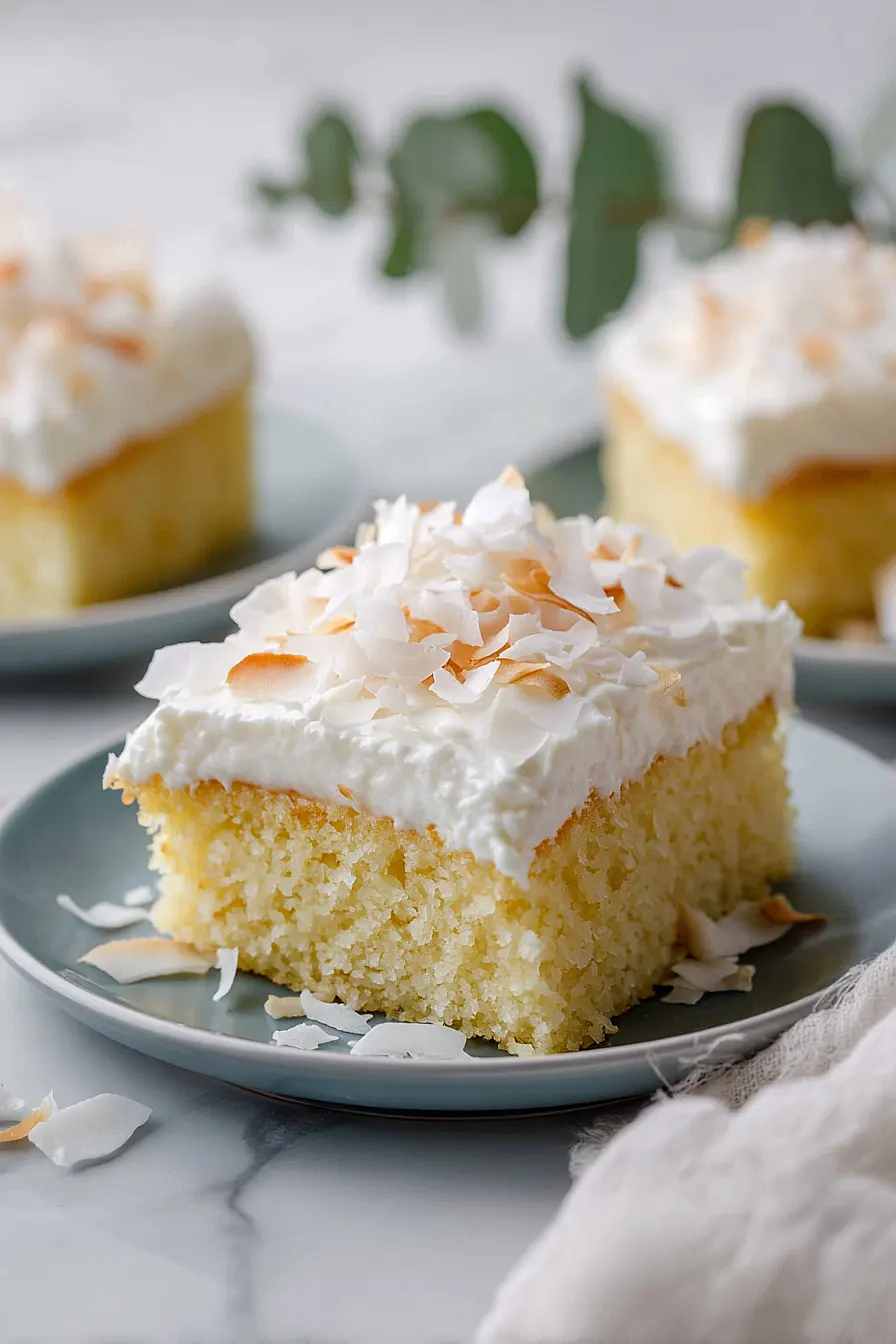
For this keto coconut cake, you’ll want to use shredded or flaked unsweetened coconut, which you can find in most grocery stores in the baking aisle or health food section. Sweetened coconut is a no-go here since it’s loaded with added sugar that would throw off your keto macros and make the cake way too sweet. You can choose between finely shredded coconut for a smoother texture or larger flakes if you prefer more noticeable coconut pieces throughout your cake. If you can only find sweetened coconut, you can rinse it under warm water and squeeze it dry to remove some of the sugar, though unsweetened is definitely your best bet.
Options for Substitutions
This keto cake is pretty forgiving when it comes to swaps, so here are some options:
- Monkfruit sweetener: You can use erythritol, allulose, or a stevia-erythritol blend instead. Just make sure to use a 1:1 sugar substitute to keep the sweetness level right. Regular sugar works too if you’re not strictly keto, but it’ll change the carb count.
- Coconut flour: This one’s tricky – coconut flour is really absorbent and doesn’t swap well with other flours. If you absolutely need to substitute, try almond flour but you’ll need about 2 cups instead of the 9 tablespoons, and you might need to reduce the liquid slightly.
- Butter: Coconut oil works great as a dairy-free option and adds extra coconut flavor. Use the same amount and make sure it’s melted if the recipe calls for melted butter.
- Cream cheese: If you’re out, you can use an extra tablespoon of butter or sour cream instead. The texture will be slightly different but still tasty.
- Heavy cream: For a dairy-free version, try full-fat coconut cream from a can. Just chill the can overnight and scoop out the thick cream on top.
- Shredded coconut: Use sweetened or unsweetened depending on your preference – just remember sweetened will add extra carbs if you’re tracking.
Watch Out for These Mistakes While Baking
The biggest mistake when baking with coconut flour is treating it like regular flour – it absorbs way more liquid than wheat flour, so don’t be tempted to add extra if your batter seems thick, as it needs time to hydrate properly.
Another common error is overbaking, which can turn your cake dry and crumbly since keto cakes don’t have the same moisture-retaining properties as traditional cakes, so start checking for doneness at the 20-minute mark with a toothpick.
When making the syrup, resist the urge to skip the cooling step before pouring it over the cake – if you add hot syrup to a hot cake, it won’t absorb properly and will just pool on top instead of soaking in through those slits you cut.
Finally, make sure your whipped cream is genuinely cold before whipping, and stop beating as soon as stiff peaks form, because monkfruit-sweetened cream can go from perfect to grainy in just a few extra seconds.
What to Serve With Keto Coconut Cake?
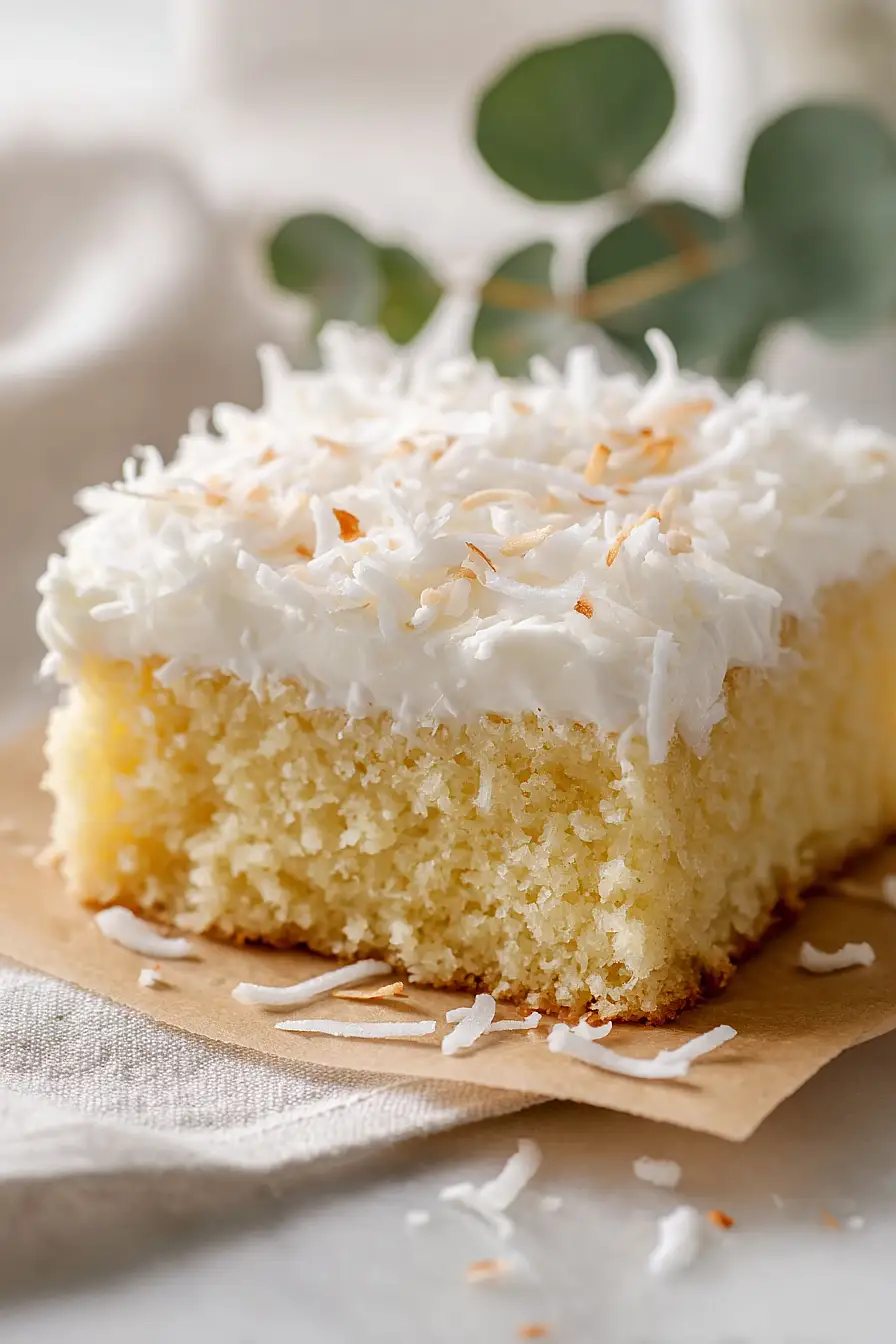
This keto coconut cake is rich and satisfying on its own, but it pairs beautifully with a hot cup of coffee or unsweetened tea to balance out the sweetness. If you want to make it feel more like a special dessert, serve it with a dollop of fresh whipped cream or a scoop of sugar-free vanilla ice cream on the side. For a tropical twist, try adding some fresh berries like raspberries or strawberries, which add a nice tart contrast to the coconut flavor. You could also serve it alongside a small bowl of mixed nuts for some extra crunch and healthy fats that fit right into a keto lifestyle.
Storage Instructions
Store: Keep your coconut cake covered in the fridge for up to 5 days. I like to use a cake dome or cover it loosely with plastic wrap so the frosting doesn’t get messed up. The cake actually tastes even better the next day once all the flavors have had time to settle in together.
Freeze: This cake freezes really well for up to 2 months. You can freeze it whole or slice it into individual pieces first, which makes it super easy to grab a slice whenever you want. Just wrap it tightly in plastic wrap, then again in foil to prevent freezer burn.
Serve: Let frozen slices thaw in the fridge overnight, or leave them on the counter for about an hour before serving. The cake is delicious cold straight from the fridge, but you can also bring it to room temperature if you prefer a softer texture.
| Preparation Time | 20-30 minutes |
| Cooking Time | 20-25 minutes |
| Total Time | 40-55 minutes |
| Level of Difficulty | Medium |
| Servings | 8 slices |
Estimated Nutrition
Estimated nutrition for the whole recipe (without optional ingredients):
- Calories: 2000-2200
- Protein: 38-44 g
- Fat: 180-200 g
- Carbohydrates: 60-75 g
Ingredients
For the cake:
- 6 eggs (room temperature, about 70°F)
- 9 tbsp butter (I like Kerrygold unsalted butter for this)
- 3 tsp cream cheese (softened for a smoother batter)
- 1.5 tsp vanilla
- 2 tbsp cream
- 1/2 cup monkfruit
- 10 tbsp coconut flour (I always use Bob’s Red Mill)
- 1 1/2 tsp baking powder
- 3/4 tsp salt
For the syrup:
- 3/4 cup water
- 4 tbsp monkfruit (dissolve completely until liquid is clear)
For the topping:
- 3/4 cup cream (chilled to ensure stiff peaks)
- 4 tbsp monkfruit
- 3/4 tsp vanilla
- 1 cup coconut (unsweetened flakes provide the best texture)
Step 1: Prepare the Pan and Preheat Oven
- Butter for greasing
Heat your oven to 350°F and grease a 9-inch round cake pan (or 8×8-inch square pan) thoroughly with butter or cooking spray.
This ensures your cake won’t stick and allows for even browning on the sides.
Step 2: Melt and Cool Butter, Then Build the Wet Base
- 9 tbsp butter
- 6 eggs
- 1/2 cup monkfruit
- 3 tsp cream cheese
- 2 tbsp cream
- 1.5 tsp vanilla
- 3/4 tsp salt
While the oven preheats, melt 9 tablespoons of butter over low heat and set aside to cool for a few minutes—you want it warm but not piping hot, so it won’t scramble the eggs.
In a large bowl, whisk together the 6 room-temperature eggs, 1/2 cup monkfruit, 3 teaspoons softened cream cheese, 2 tablespoons cream, 1.5 teaspoons vanilla, and 3/4 teaspoon salt until well combined and slightly frothy.
The room-temperature eggs are crucial here—they incorporate air better and create a lighter crumb.
Step 3: Combine Dry Ingredients and Finish the Batter
- Melted butter from Step 2
- Wet ingredient mixture from Step 2
- 10 tbsp coconut flour
- 1.5 tsp baking powder
In a separate small bowl, whisk together 10 tablespoons coconut flour and 1.5 teaspoons baking powder to break up any clumps.
Pour the cooled melted butter into the egg mixture and stir until combined, then gently fold in the dry ingredient mixture until just combined—don’t overmix, as this can toughen the cake.
Pour the batter into your prepared pan and smooth the top.
Step 4: Bake the Cake
Place the cake in the preheated oven and bake for 20-24 minutes, until a toothpick inserted in the center comes out clean or with just a few moist crumbs.
The cake will rise slightly and the top should be golden.
While the cake bakes, you can prepare the syrup for the next step.
Step 5: Make the Coconut Syrup and Soak the Cake
- 3/4 cup water
- 4 tbsp monkfruit
In a small saucepan, combine 3/4 cup water and 4 tablespoons monkfruit, then bring to a boil over medium-high heat.
Stir occasionally and let it simmer for about 6 minutes until the liquid becomes thick and syrupy with a slight amber color—this concentrates the sweetness and creates that classic soaked-cake texture.
As soon as the cake comes out of the oven, pierce it all over with a fork or skewer to create slits, then slowly pour the hot syrup over the entire surface.
The warm cake will absorb the syrup beautifully, making it moist and flavorful.
Step 6: Cool the Cake Completely
Let the cake cool in the pan for at least 15-20 minutes, allowing the syrup to fully absorb and the cake to set slightly.
Once cooled, you can turn it out onto a serving plate or keep it in the pan—either works.
The cake can be made ahead to this point and stored covered for up to 2 days.
Step 7: Whip the Cream Topping and Finish
- 3/4 cup cream
- 4 tbsp monkfruit
- 3/4 tsp vanilla
- 1 cup coconut
In a chilled bowl, pour the 3/4 cup of chilled cream and whip with an electric mixer or by hand until soft peaks begin to form.
Add 4 tablespoons monkfruit and 3/4 teaspoon vanilla, then continue whipping until stiff peaks form—be careful not to overbeat or you’ll end up with butter.
Spread or dollop the whipped cream over the cooled cake, then sprinkle the 1 cup unsweetened coconut flakes over the top for a beautiful presentation.
I like to lightly toast the coconut flakes in a dry skillet first for about 2 minutes to deepen their flavor and add a subtle nuttiness that really complements the coconut cake.
Irresistible Keto Coconut Cake
Ingredients
For the cake::
- 6 eggs (room temperature, about 70°F)
- 9 tbsp butter (I like Kerrygold unsalted butter for this)
- 3 tsp cream cheese (softened for a smoother batter)
- 1.5 tsp vanilla
- 2 tbsp cream
- 1/2 cup monkfruit
- 10 tbsp coconut flour (I always use Bob's Red Mill)
- 1 1/2 tsp baking powder
- 3/4 tsp salt
For the syrup::
- 3/4 cup water
- 4 tbsp monkfruit (dissolve completely until liquid is clear)
For the topping::
- 3/4 cup cream (chilled to ensure stiff peaks)
- 4 tbsp monkfruit
- 3/4 tsp vanilla
- 1 cup coconut (unsweetened flakes provide the best texture)
Instructions
- Heat your oven to 350°F and grease a 9-inch round cake pan (or 8x8-inch square pan) thoroughly with butter or cooking spray. This ensures your cake won't stick and allows for even browning on the sides.
- While the oven preheats, melt 9 tablespoons of butter over low heat and set aside to cool for a few minutes—you want it warm but not piping hot, so it won't scramble the eggs. In a large bowl, whisk together the 6 room-temperature eggs, 1/2 cup monkfruit, 3 teaspoons softened cream cheese, 2 tablespoons cream, 1.5 teaspoons vanilla, and 3/4 teaspoon salt until well combined and slightly frothy. The room-temperature eggs are crucial here—they incorporate air better and create a lighter crumb.
- In a separate small bowl, whisk together 10 tablespoons coconut flour and 1.5 teaspoons baking powder to break up any clumps. Pour the cooled melted butter into the egg mixture and stir until combined, then gently fold in the dry ingredient mixture until just combined—don't overmix, as this can toughen the cake. Pour the batter into your prepared pan and smooth the top.
- Place the cake in the preheated oven and bake for 20-24 minutes, until a toothpick inserted in the center comes out clean or with just a few moist crumbs. The cake will rise slightly and the top should be golden. While the cake bakes, you can prepare the syrup for the next step.
- In a small saucepan, combine 3/4 cup water and 4 tablespoons monkfruit, then bring to a boil over medium-high heat. Stir occasionally and let it simmer for about 6 minutes until the liquid becomes thick and syrupy with a slight amber color—this concentrates the sweetness and creates that classic soaked-cake texture. As soon as the cake comes out of the oven, pierce it all over with a fork or skewer to create slits, then slowly pour the hot syrup over the entire surface. The warm cake will absorb the syrup beautifully, making it moist and flavorful.
- Let the cake cool in the pan for at least 15-20 minutes, allowing the syrup to fully absorb and the cake to set slightly. Once cooled, you can turn it out onto a serving plate or keep it in the pan—either works. The cake can be made ahead to this point and stored covered for up to 2 days.
- In a chilled bowl, pour the 3/4 cup of chilled cream and whip with an electric mixer or by hand until soft peaks begin to form. Add 4 tablespoons monkfruit and 3/4 teaspoon vanilla, then continue whipping until stiff peaks form—be careful not to overbeat or you'll end up with butter. Spread or dollop the whipped cream over the cooled cake, then sprinkle the 1 cup unsweetened coconut flakes over the top for a beautiful presentation. I like to lightly toast the coconut flakes in a dry skillet first for about 2 minutes to deepen their flavor and add a subtle nuttiness that really complements the coconut cake.