I never touched spare ribs until my late twenties because I thought they were too hard to make at home. They seemed like something you could only get right at a restaurant or a backyard barbecue with someone who really knew what they were doing.
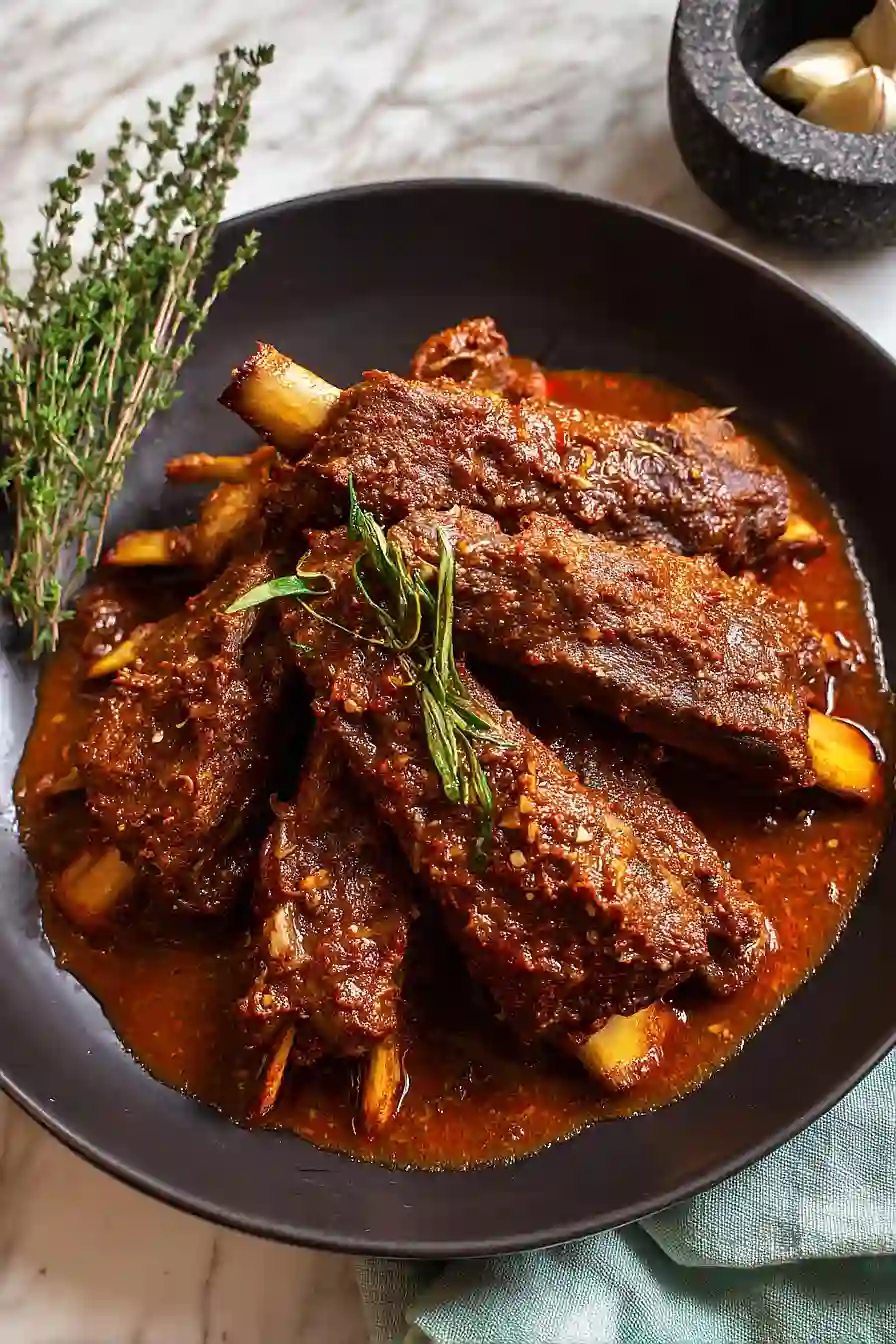
Turns out, I was wrong. Mexican spare ribs are actually pretty straightforward, especially when you braise them. You don’t need a fancy grill or smoking equipment. Just a good pot, some dried peppers, and a couple hours of your time. The guajillo and ancho peppers do most of the heavy lifting here, creating a sauce that’s smoky and just a little sweet. My family requests these constantly now, and honestly, they’re easier than the pot roast I used to stress over every Sunday.
Why You’ll Love These Mexican Spare Ribs
- Bold, authentic flavors – The combination of guajillo and ancho peppers with aromatic spices creates a rich, smoky sauce that brings restaurant-quality Mexican taste to your kitchen.
- Ready in under an hour – You can have tender, flavorful ribs on the table in 35-60 minutes, making this a great option for weeknight dinners or weekend gatherings.
- Impressive but approachable – This recipe looks and tastes fancy enough for company, but it’s straightforward enough for home cooks of any skill level to nail.
- Perfect for gatherings – These ribs are great for feeding a crowd at parties, game days, or family dinners, and they pair well with rice, beans, or tortillas.
What Kind of Pork Spare Ribs Should I Use?
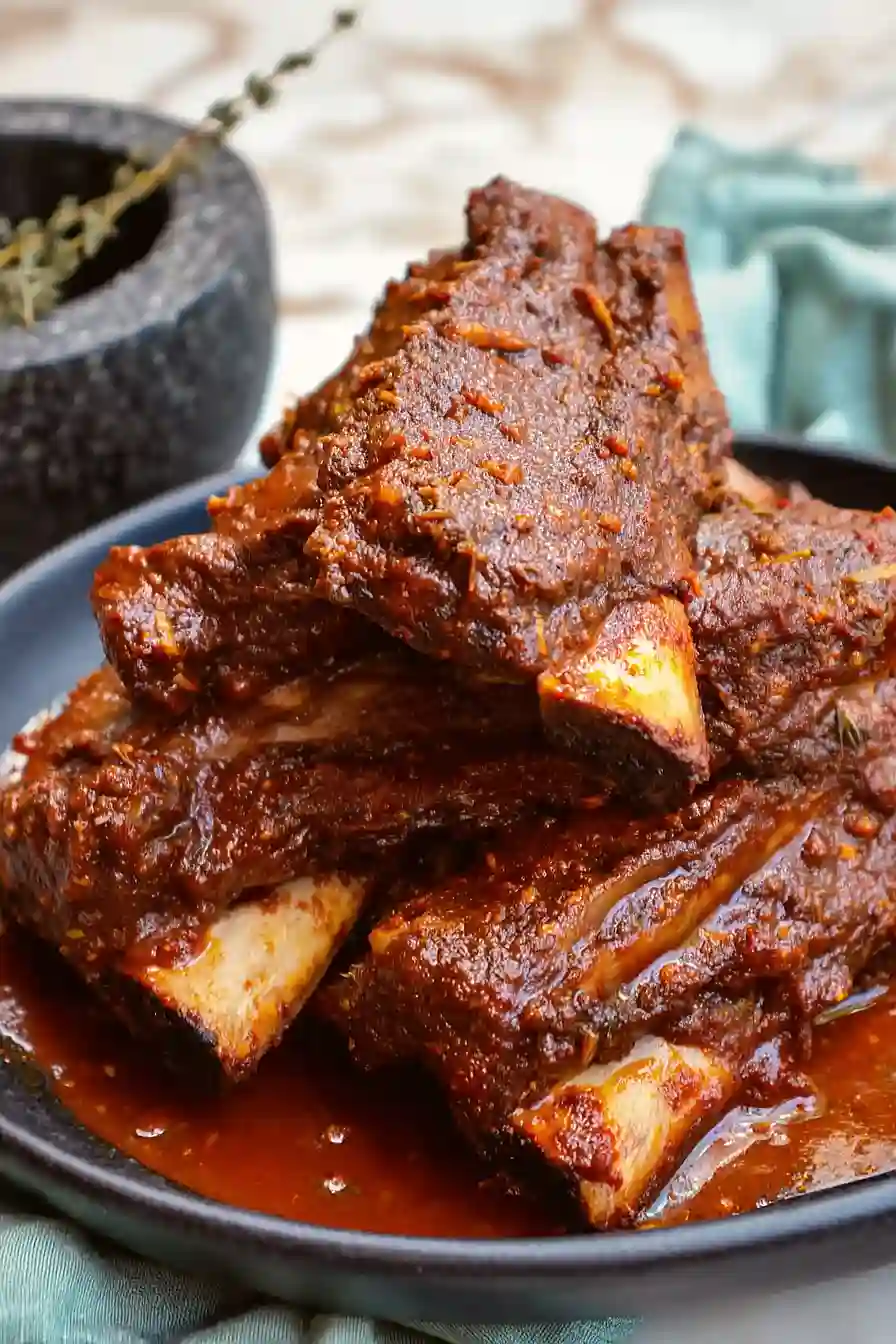
You’ll want to grab a full rack of pork spare ribs from your butcher or grocery store, and don’t worry if they’re not already cut into individual pieces – you can easily do that yourself with a sharp knife. St. Louis-style spare ribs are a great choice since they’re already trimmed and have a nice, even shape, but regular spare ribs work just as well for this recipe. If spare ribs aren’t available, baby back ribs can be substituted, though they’re a bit leaner and may cook slightly faster. Look for ribs with a good amount of meat on them and a nice pink color, and if there’s a membrane on the bone side, peel it off before cooking so your seasonings and sauce can really penetrate the meat.
Options for Substitutions
This recipe has some room for flexibility, though a few ingredients are key to getting that authentic Mexican flavor:
- Guajillo and ancho peppers: These dried chilies are really important for the authentic taste, so I’d recommend tracking them down at a Mexican grocery store or online. In a pinch, you could use 2-3 tablespoons of chili powder, but the flavor won’t be quite the same.
- Pork spare ribs: Baby back ribs work great as a substitute. They’re a bit leaner and will cook faster, so check them about 30 minutes earlier than the recipe calls for.
- Roma tomatoes: Regular tomatoes or canned fire-roasted tomatoes (about 1 cup) can stand in for fresh roasted romas. If using canned, skip the roasting step.
- Orange juice: Fresh-squeezed is best, but store-bought works fine. You could also use a mix of lime juice and a tiny bit of honey for a similar citrus note.
- Apple cider vinegar: White vinegar or red wine vinegar will work just as well for that tangy kick.
- Chicken stock: Beef stock or vegetable stock are both good swaps here, though beef stock will give you a richer, deeper flavor.
Watch Out for These Mistakes While Cooking
The biggest mistake when making these ribs is not properly searing them before pressure cooking – you want a deep brown crust on all sides, which takes about 2-3 minutes per side and adds tons of flavor to the final dish.
Another common error is skipping the step of straining the sauce after blending, which can leave your ribs with a gritty texture from pepper skins instead of a smooth, restaurant-quality coating.
When it comes to the pressure cooker, resist the urge to quick-release the pressure immediately after cooking – let it naturally release for at least 10 minutes to keep the meat tender and prevent it from seizing up.
Finally, if your sauce seems too thin after cooking, remove the ribs and simmer the liquid on sauté mode for 5-10 minutes to thicken it up before serving.
What to Serve With Mexican Spare Ribs?
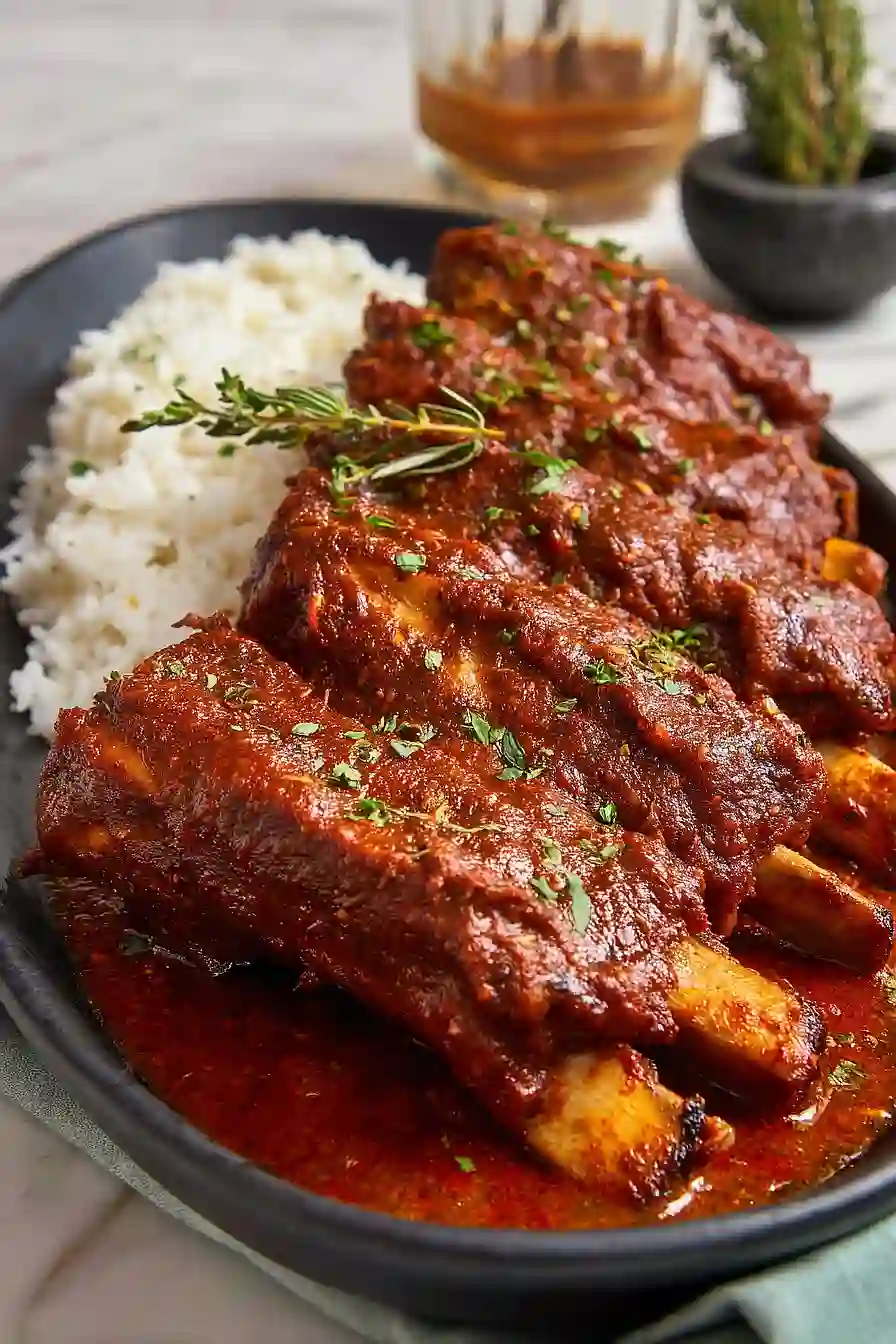
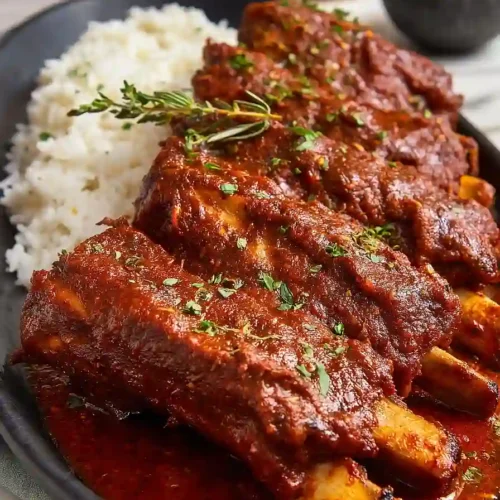
These ribs are packed with bold flavors from the guajillo and ancho peppers, so I like to serve them with sides that balance out all that richness. Mexican rice and refried beans are always a solid choice – they soak up that incredible sauce perfectly. You could also go with some warm corn tortillas to make little rib tacos, adding some pickled red onions and fresh cilantro on top. For something lighter, a simple cabbage slaw with lime juice cuts through the richness of the meat, or you can serve the ribs alongside some grilled street corn with cotija cheese and chili powder.
Storage Instructions
Store: These ribs keep really well in the fridge for up to 4 days. Just store them in an airtight container with all that delicious sauce spooned over the top. The flavors actually get even better after a day or two, so don’t be afraid to make them ahead for a party or meal prep.
Freeze: You can freeze these Mexican spare ribs for up to 3 months in a freezer-safe container or heavy-duty freezer bags. Make sure to include plenty of the sauce with the ribs so they don’t dry out. Let them thaw overnight in the fridge before reheating.
Reheat: Warm the ribs in a covered dish in the oven at 325°F for about 20-25 minutes, or until heated through. You can also reheat them on the stovetop over medium-low heat with a splash of chicken stock or water to keep them moist. The microwave works too, just cover them and heat on medium power to avoid drying them out.
| Preparation Time | 20-30 minutes |
| Cooking Time | 15-30 minutes |
| Total Time | 35-60 minutes |
| Level of Difficulty | Medium |
| Servings | 4 servings |
Estimated Nutrition
Estimated nutrition for the whole recipe (without optional ingredients):
- Calories: 2250-2450
- Protein: 120-140 g
- Fat: 170-190 g
- Carbohydrates: 40-55 g
Ingredients
For the ribs:
- 1 rack pork spare ribs (cut into 2 to 3-inch individual riblets)
- 2 1/2 tbsp salt
- 1 1/4 tbsp pepper
- 3 tbsp oil (I use Mazola corn oil for high-heat browning)
For the sauce:
- 3 guajillo peppers (stems and seeds removed)
- 1 ancho pepper
- 4 tomatoes (quartered for easier blending)
- 5 garlic cloves
- 1/2 onion
- 1.5 cups chicken stock (I prefer Swanson unsalted for better salt control)
- 1/4 cup orange juice
- 2 tbsp apple cider vinegar
- 1/4 cup water
- 1 tbsp paprika
- 1 tbsp oregano (Mexican variety preferred for authentic aroma)
- 1 tbsp thyme
- 2 bay leaves
- 1 cinnamon stick
- 1 tsp ground cumin
- 1 tbsp brown sugar
Step 1: Prepare and Season the Ribs
- 1 rack pork spare ribs
- 2 1/2 tbsp salt
- 1 1/4 tbsp pepper
Pat the pork spare ribs dry with paper towels, then cut them into 2 to 3-inch individual riblets if not already done.
Season generously on all sides with salt and pepper, making sure to coat evenly.
Let the seasoned ribs sit at room temperature for about 10 minutes while you prepare the sauce base—this helps them cook more evenly.
Step 2: Toast Peppers and Prepare Aromatics
- 3 tbsp oil
- 3 guajillo peppers
- 1 ancho pepper
- 4 tomatoes
- 5 garlic cloves
- 1/2 onion
Heat the oil in a large pan over medium-high heat.
Add the guajillo peppers and ancho pepper (stems and seeds removed) and toast them for 2-3 minutes, stirring occasionally, until fragrant and slightly darkened—be careful not to burn them or they’ll become bitter.
Transfer the toasted peppers to a bowl and cover with boiling water, letting them soak for 10 minutes until softened.
While the peppers soak, quarter the tomatoes and roughly chop the garlic cloves and onion half for easier blending.
Step 3: Build the Sauce Base
- softened peppers from Step 2
- 1.5 cups chicken stock
- 1/4 cup orange juice
- 2 tbsp apple cider vinegar
- 1/4 cup water
- 1 tbsp paprika
- 1 tbsp oregano
- 1 tbsp thyme
- 2 bay leaves
- 1 tsp ground cumin
- 1 tbsp brown sugar
- tomatoes, garlic, and onion from Step 2
Drain the softened peppers, reserving their soaking liquid.
In a blender, combine the drained peppers, quartered tomatoes, garlic, and onion.
Add the chicken stock, orange juice, apple cider vinegar, water, paprika, oregano, thyme, cumin, brown sugar, and bay leaves.
Blend until completely smooth—this should take about 1-2 minutes.
For the finest texture, I like to strain the sauce through a fine-mesh sieve to remove any pepper skin bits, which gives a silkier mouthfeel.
This step is optional but worth it for authentic results.
Step 4: Sear the Ribs in Pressure Cooker
- seasoned ribs from Step 1
Heat the pressure cooker on high heat and add a tablespoon of additional oil if needed.
Working in batches if necessary to avoid crowding, sear the seasoned riblets for 2-3 minutes per side until deeply browned—this develops rich, savory flavors through the Maillard reaction.
Don’t worry about cooking them through; you’re just building color and flavor.
Once all ribs are seared, carefully drain off excess oil from the pot, leaving just a light coating.
Step 5: Pressure Cook Until Tender
- sauce from Step 3
- 1 cinnamon stick
- seared ribs from Step 4
Pour the sauce from Step 3 over the seared ribs in the pressure cooker, making sure the liquid covers them as much as possible.
Add the cinnamon stick and stir gently to distribute the sauce evenly.
Seal the pressure cooker and bring it to high pressure, then cook for 15 minutes on high heat.
I find this timing gives you fall-apart tender ribs without them becoming mushy.
Once the time is up, carefully release the pressure following your pressure cooker’s instructions, then remove the lid and discard the bay leaves and cinnamon stick.
Step 6: Reduce Sauce and Serve
- cooked ribs and sauce from Step 5
If the sauce looks watery, you can reduce it by simmering uncovered on medium-high heat for 5-10 minutes, stirring occasionally, until it reaches your desired consistency.
The ribs should be very tender and easily pulled from the bone.
Serve immediately over steamed rice, allowing the rich, complex sauce to soak in.
Taste and adjust seasonings if needed before serving.
Irresistible Mexican Spare Ribs
Ingredients
For the ribs
- 1 rack pork spare ribs (cut into 2 to 3-inch individual riblets)
- 2 1/2 tbsp salt
- 1 1/4 tbsp pepper
- 3 tbsp oil (I use Mazola corn oil for high-heat browning)
For the sauce
- 3 guajillo peppers (stems and seeds removed)
- 1 ancho pepper
- 4 tomatoes (quartered for easier blending)
- 5 garlic cloves
- 1/2 onion
- 1.5 cups chicken stock (I prefer Swanson unsalted for better salt control)
- 1/4 cup orange juice
- 2 tbsp apple cider vinegar
- 1/4 cup water
- 1 tbsp paprika
- 1 tbsp oregano (Mexican variety preferred for authentic aroma)
- 1 tbsp thyme
- 2 bay leaves
- 1 cinnamon stick
- 1 tsp ground cumin
- 1 tbsp brown sugar
Instructions
- Pat the pork spare ribs dry with paper towels, then cut them into 2 to 3-inch individual riblets if not already done. Season generously on all sides with salt and pepper, making sure to coat evenly. Let the seasoned ribs sit at room temperature for about 10 minutes while you prepare the sauce base—this helps them cook more evenly.
- Heat the oil in a large pan over medium-high heat. Add the guajillo peppers and ancho pepper (stems and seeds removed) and toast them for 2-3 minutes, stirring occasionally, until fragrant and slightly darkened—be careful not to burn them or they'll become bitter. Transfer the toasted peppers to a bowl and cover with boiling water, letting them soak for 10 minutes until softened. While the peppers soak, quarter the tomatoes and roughly chop the garlic cloves and onion half for easier blending.
- Drain the softened peppers, reserving their soaking liquid. In a blender, combine the drained peppers, quartered tomatoes, garlic, and onion. Add the chicken stock, orange juice, apple cider vinegar, water, paprika, oregano, thyme, cumin, brown sugar, and bay leaves. Blend until completely smooth—this should take about 1-2 minutes. For the finest texture, I like to strain the sauce through a fine-mesh sieve to remove any pepper skin bits, which gives a silkier mouthfeel. This step is optional but worth it for authentic results.
- Heat the pressure cooker on high heat and add a tablespoon of additional oil if needed. Working in batches if necessary to avoid crowding, sear the seasoned riblets for 2-3 minutes per side until deeply browned—this develops rich, savory flavors through the Maillard reaction. Don't worry about cooking them through; you're just building color and flavor. Once all ribs are seared, carefully drain off excess oil from the pot, leaving just a light coating.
- Pour the sauce from Step 3 over the seared ribs in the pressure cooker, making sure the liquid covers them as much as possible. Add the cinnamon stick and stir gently to distribute the sauce evenly. Seal the pressure cooker and bring it to high pressure, then cook for 15 minutes on high heat. I find this timing gives you fall-apart tender ribs without them becoming mushy. Once the time is up, carefully release the pressure following your pressure cooker's instructions, then remove the lid and discard the bay leaves and cinnamon stick.
- If the sauce looks watery, you can reduce it by simmering uncovered on medium-high heat for 5-10 minutes, stirring occasionally, until it reaches your desired consistency. The ribs should be very tender and easily pulled from the bone. Serve immediately over steamed rice, allowing the rich, complex sauce to soak in. Taste and adjust seasonings if needed before serving.