Korean food has become one of my weeknight staples. The flavors are bold, the ingredients are easy to find at most grocery stores now, and my kids actually get excited when I tell them what’s for dinner. That’s a win in my book.
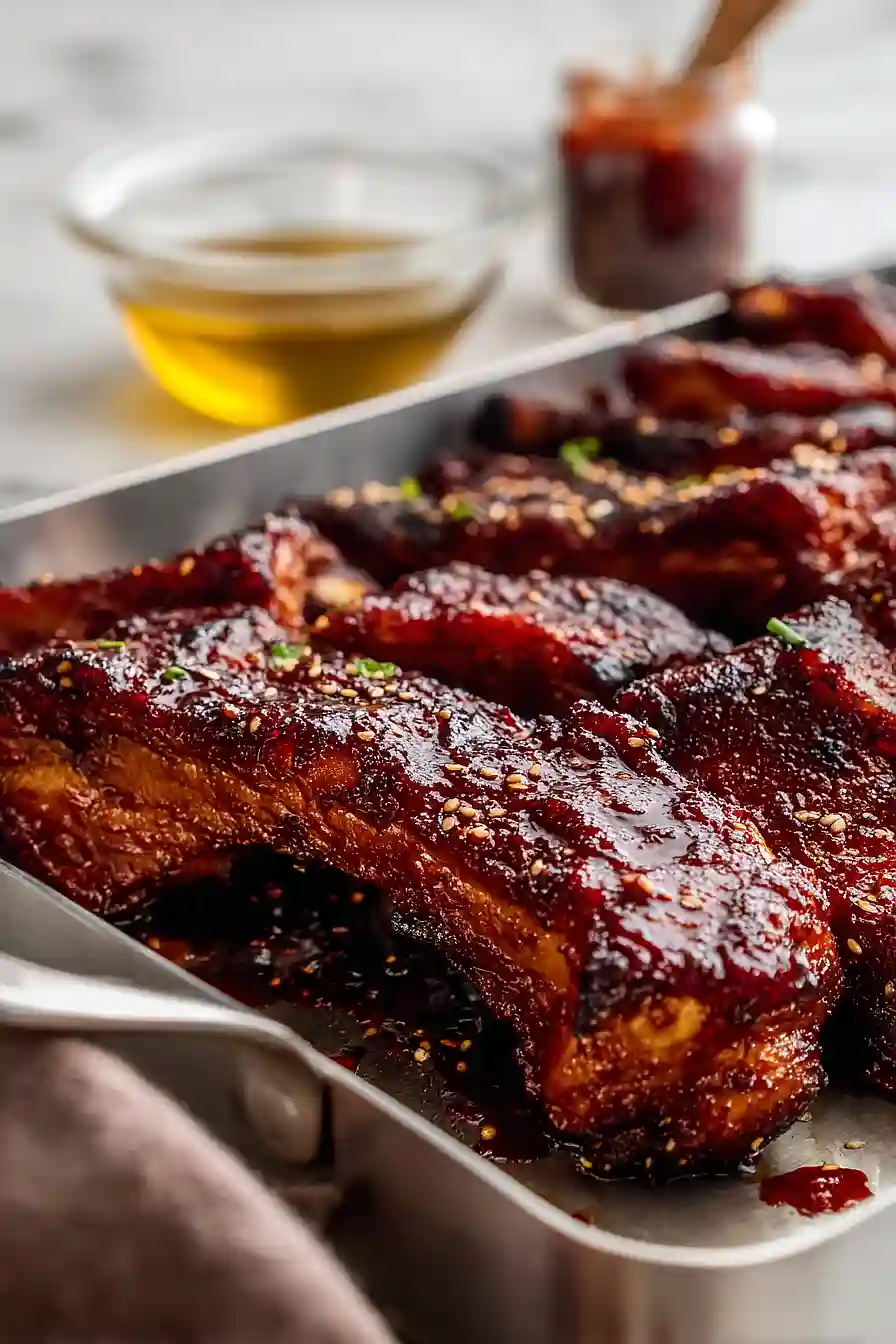
These Korean spare ribs hit all the right notes. Sweet, spicy, garlicky, with just enough heat from the gochujang to keep things interesting. I like to cut the ribs into individual riblets before cooking because they’re done faster and everyone can grab exactly what they want. Plus, more surface area means more of that sticky, caramelized coating on each piece.
The marinade comes together in minutes, and you probably have most of what you need already. Once they’re marinated, you can grill them, broil them, or bake them in the oven. I’ve done all three depending on the weather and how much time I have. They’re great for a regular Tuesday dinner or when you want to impress people without spending all day in the kitchen.
Why You’ll Love These Korean Spare Ribs
- Bold, authentic flavors – The combination of kochujang, soy sauce, and sesame oil creates that sweet, spicy, and savory taste you’d find at your favorite Korean restaurant.
- Tender, fall-off-the-bone meat – The long cooking time breaks down the ribs perfectly, making them incredibly tender and juicy.
- Simple ingredient list – Most of these ingredients are easy to find at your local grocery store, and once you have the kochujang, you can use it for tons of other Korean dishes.
- Perfect for meal prep or entertaining – These ribs are great for making ahead since the flavors get even better as they sit, and they always impress guests at dinner parties.
What Kind of Pork Spare Ribs Should I Use?
You’ll want to look for meaty spare ribs with a good amount of meat on the bones – avoid racks that look too thin or have been trimmed down too much. St. Louis-style spare ribs are a great choice since they’re already trimmed into a nice rectangular shape and tend to be more uniform in size, which helps them cook evenly. Baby back ribs can work in a pinch, but spare ribs are really the way to go for this recipe since they have more fat and connective tissue that breaks down during cooking, making them super tender and flavorful. If your butcher hasn’t already cut them into serving-size pieces, just ask them to do it for you, or you can cut between the bones yourself at home with a sharp knife.
Options for Substitutions
While some ingredients are key to getting that authentic Korean flavor, there’s room for a few swaps here:
- Pork spare ribs: You can use baby back ribs instead of spare ribs – they’ll cook a bit faster and be more tender. Beef short ribs also work great with this marinade, though they may need longer cooking time.
- Mirin: If you don’t have mirin, mix 3 tablespoons of rice wine vinegar with 1 tablespoon of sugar as a substitute. You can also use dry sherry in a pinch.
- Kochujang: This Korean chili paste is really what gives these ribs their signature flavor, so I’d recommend keeping it if possible. But if you’re in a bind, mix sriracha with a bit of miso paste for a similar spicy-savory kick.
- Rice wine vinegar: Apple cider vinegar or white wine vinegar can step in here without much difference in the final taste.
- Fresh ginger: In a pinch, you can use 1 teaspoon of ground ginger, though fresh really does taste better in this recipe.
- Sesame oil: This adds that nutty, toasted flavor that’s pretty important to Korean cooking, so try not to skip it. If you must, a tiny bit of toasted sesame seeds blended with vegetable oil can work.
Watch Out for These Mistakes While Cooking
Skipping the boiling step might seem like a time-saver, but it’s actually crucial for tender ribs – those 30 minutes help break down the tough connective tissue and remove excess fat that would otherwise make your ribs greasy.
The biggest mistake people make is not marinating long enough, so while 2 hours is the minimum, letting the ribs sit in that kochujang mixture overnight in the fridge will give you much deeper flavor.
When grilling or baking, resist the urge to crank up the heat higher than 400°F, as the sugar and honey in the marinade can burn quickly and turn bitter instead of caramelizing into that sticky, sweet glaze you want.
Finally, make sure to turn and baste your ribs every 8-10 minutes during cooking – this keeps them moist and builds up those delicious layers of caramelized sauce on the outside.
What to Serve With Korean Spare Ribs?
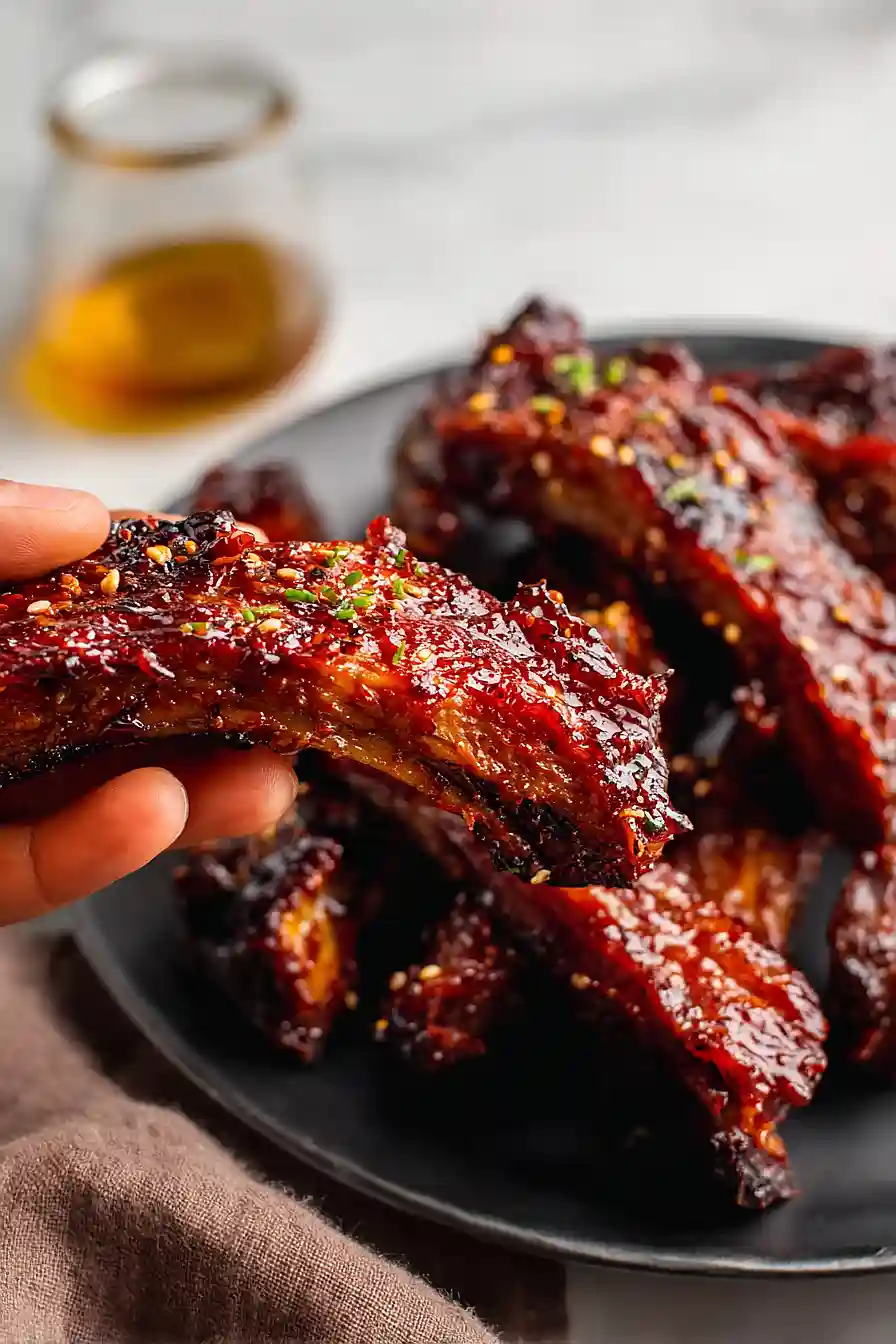
These sticky, spicy ribs are perfect with a big bowl of steamed white rice to soak up all that amazing sauce. I love serving them alongside some quick pickled cucumbers or a simple cabbage slaw to cut through the richness and add a refreshing crunch. For a more filling meal, try pairing the ribs with kimchi fried rice or some stir-fried vegetables like bok choy or green beans. Don’t forget to have plenty of napkins on hand because these ribs are deliciously messy!
Storage Instructions
Store: Keep leftover Korean spare ribs in an airtight container in the fridge for up to 4 days. The flavors actually get even better after sitting overnight, so don’t be surprised if they taste even more amazing the next day!
Freeze: These ribs freeze really well for up to 3 months. Let them cool completely, then pack them in a freezer-safe container with some of the sauce. When you thaw them out, they’ll taste just as good as the day you made them.
Reheat: Warm the ribs in the oven at 350°F for about 15-20 minutes, or until heated through. You can also use the microwave, but the oven will help keep them from getting too soft. Add a splash of water or extra sauce if they seem a bit dry.
| Preparation Time | 20-30 minutes |
| Cooking Time | 55-60 minutes |
| Total Time | 240-270 minutes |
| Level of Difficulty | Medium |
| Servings | 4 servings |
Estimated Nutrition
Estimated nutrition for the whole recipe (without optional ingredients):
- Calories: 4250-4650
- Protein: 220-250 g
- Fat: 280-320 g
- Carbohydrates: 220-250 g
Ingredients
For the ribs:
- 4 lb pork ribs (cut into individual riblets for faster cooking)
For the marinade:
- 1/2 cup soy sauce (Kikkoman recommended)
- 3 tbsp mirin
- 2 tbsp rice vinegar
- 1/2 cup sugar
- 2 tbsp honey
- 5 tbsp chili paste (Sunchang gochujang)
- 1 onion (grated into a pulp)
- 6 garlic cloves (minced)
- 3 slices ginger (grated)
- 1 tbsp toasted sesame oil
- 1/2 tsp ground black pepper
For the garnish:
- 4 scallions (thinly sliced on a bias)
- 1 tbsp toasted sesame seeds
Step 1: Prepare the Marinade Base
- 1/2 cup soy sauce
- 3 tbsp mirin
- 2 tbsp rice vinegar
- 1/2 cup sugar
- 2 tbsp honey
- 5 tbsp chili paste
In a medium bowl, whisk together the soy sauce, mirin, rice vinegar, sugar, honey, and gochujang until the sugar and chili paste are fully dissolved and the mixture is smooth.
The combination of these ingredients creates a balanced sweet, salty, and umami-rich foundation.
Set aside while you prepare the remaining aromatics.
Step 2: Blanch the Ribs and Prepare for Marinating
- 4 lb pork ribs
Bring a large pot of water to a boil and add the pork riblets.
Boil for 30 minutes to tenderize the meat and remove excess fat, which helps the marinade penetrate better.
Drain the ribs thoroughly in a colander, then transfer them to a large baking dish or container suitable for marinating.
Pat them dry with paper towels—this helps the marinade adhere more effectively to the surface.
Step 3: Complete the Marinade with Aromatics and Seasonings
- marinade base from Step 1
- 1 onion
- 6 garlic cloves
- 3 slices ginger
- 1 tbsp toasted sesame oil
- 1/2 tsp ground black pepper
To the marinade base from Step 1, stir in the grated onion, minced garlic, grated ginger, toasted sesame oil, and ground black pepper.
The grated onion and ginger release their juices naturally, adding texture and layered flavor to the marinade.
Mix until everything is well combined, ensuring no lumps of garlic or ginger remain.
This aromatic-rich marinade will now coat the ribs evenly.
Step 4: Marinate the Ribs
- blanched ribs from Step 2
- complete marinade from Step 3
Pour the aromatic marinade from Step 3 over the blanched ribs in the baking dish, making sure to coat all pieces evenly by turning and tossing them a few times.
Cover the dish with plastic wrap or foil and refrigerate for at least 2 hours, though overnight marinating will deepen the flavors significantly.
I find that marinating overnight transforms the ribs into something truly special—the ginger and garlic have time to fully penetrate the meat.
Step 5: Bake or Grill with Frequent Basting
- marinated ribs from Step 4
- reserved marinade from Step 4
Preheat your oven to 400°F or prepare your grill for medium-high heat.
Transfer the marinated ribs to a baking sheet or grill grates, reserving the excess marinade in a bowl for basting.
Bake or grill for 25-30 minutes, turning the ribs every 5-7 minutes and basting generously with the reserved marinade each time you turn them.
This frequent basting builds a glossy, caramelized glaze and ensures the ribs stay moist.
I like to brush the marinade on with a pastry brush for even coverage and maximum flavor development.
Step 6: Finish and Serve
- cooked ribs from Step 5
- 4 scallions
- 1 tbsp toasted sesame seeds
Once the ribs are caramelized, tender, and cooked through, transfer them to a serving platter.
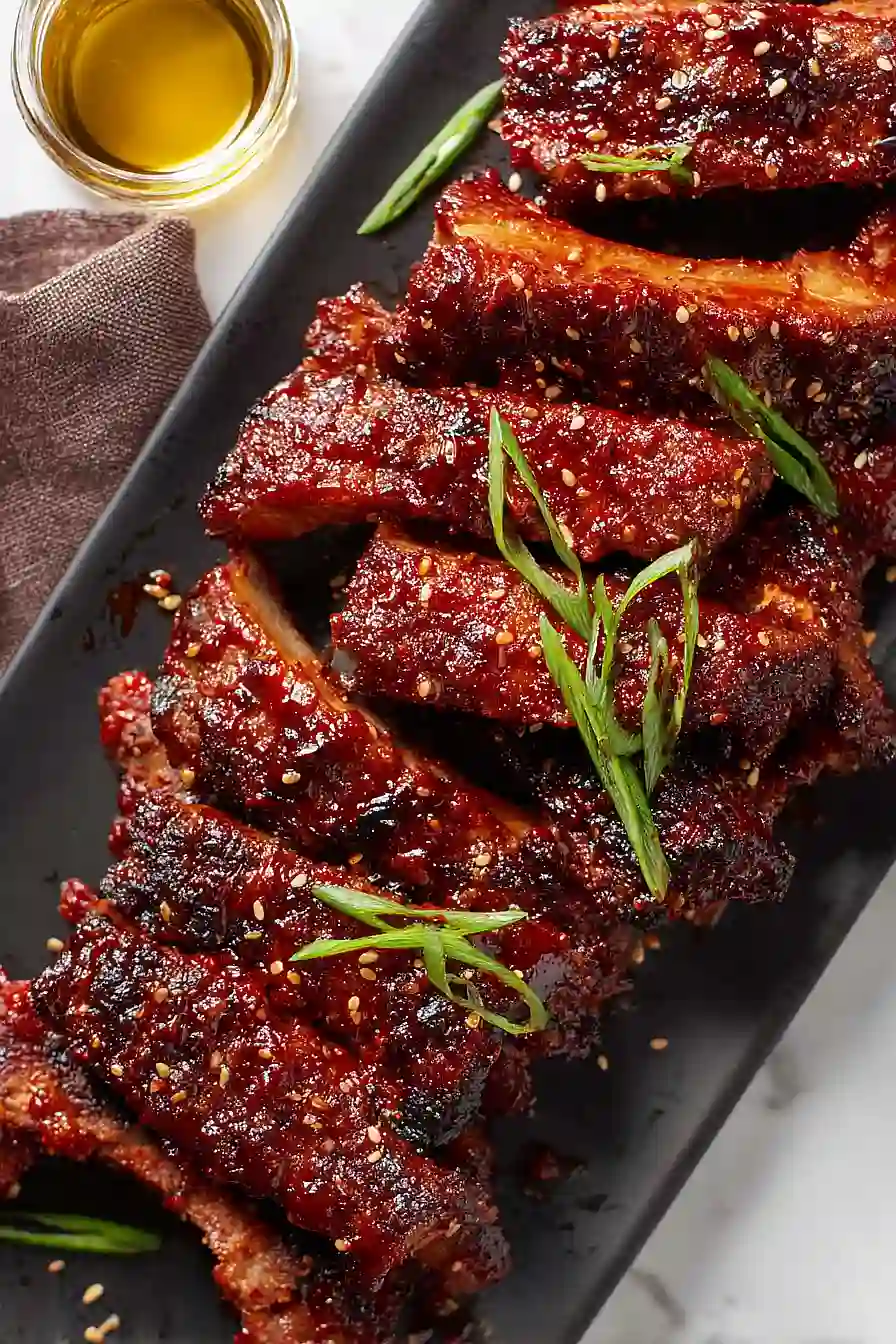
Scatter the thinly sliced scallions and toasted sesame seeds over the top for a fresh, nutty finish that contrasts beautifully with the rich, savory glaze.
Serve immediately while the ribs are still warm, and drizzle any remaining pan juices over the top if desired for extra flavor.
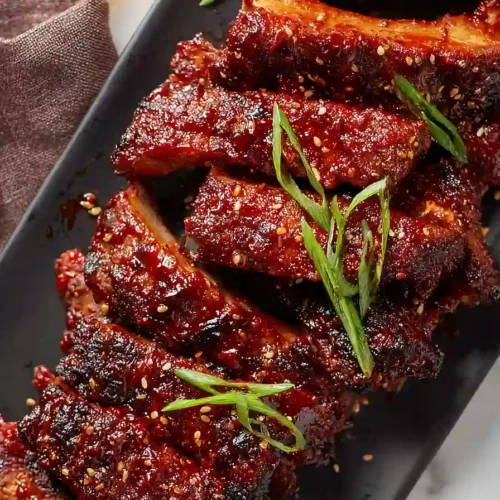
Juicy Korean Spare Ribs
Ingredients
For the ribs
- 4 lb pork ribs (cut into individual riblets for faster cooking)
For the marinade
- 1/2 cup soy sauce (Kikkoman recommended)
- 3 tbsp mirin
- 2 tbsp rice vinegar
- 1/2 cup sugar
- 2 tbsp honey
- 5 tbsp chili paste (Sunchang gochujang)
- 1 onion (grated into a pulp)
- 6 garlic cloves (minced)
- 3 slices ginger (grated)
- 1 tbsp toasted sesame oil
- 1/2 tsp ground black pepper
For the garnish
- 4 scallions (thinly sliced on a bias)
- 1 tbsp toasted sesame seeds
Instructions
- In a medium bowl, whisk together the soy sauce, mirin, rice vinegar, sugar, honey, and gochujang until the sugar and chili paste are fully dissolved and the mixture is smooth. The combination of these ingredients creates a balanced sweet, salty, and umami-rich foundation. Set aside while you prepare the remaining aromatics.
- Bring a large pot of water to a boil and add the pork riblets. Boil for 30 minutes to tenderize the meat and remove excess fat, which helps the marinade penetrate better. Drain the ribs thoroughly in a colander, then transfer them to a large baking dish or container suitable for marinating. Pat them dry with paper towels—this helps the marinade adhere more effectively to the surface.
- To the marinade base from Step 1, stir in the grated onion, minced garlic, grated ginger, toasted sesame oil, and ground black pepper. The grated onion and ginger release their juices naturally, adding texture and layered flavor to the marinade. Mix until everything is well combined, ensuring no lumps of garlic or ginger remain. This aromatic-rich marinade will now coat the ribs evenly.
- Pour the aromatic marinade from Step 3 over the blanched ribs in the baking dish, making sure to coat all pieces evenly by turning and tossing them a few times. Cover the dish with plastic wrap or foil and refrigerate for at least 2 hours, though overnight marinating will deepen the flavors significantly. I find that marinating overnight transforms the ribs into something truly special—the ginger and garlic have time to fully penetrate the meat.
- Preheat your oven to 400°F or prepare your grill for medium-high heat. Transfer the marinated ribs to a baking sheet or grill grates, reserving the excess marinade in a bowl for basting. Bake or grill for 25-30 minutes, turning the ribs every 5-7 minutes and basting generously with the reserved marinade each time you turn them. This frequent basting builds a glossy, caramelized glaze and ensures the ribs stay moist. I like to brush the marinade on with a pastry brush for even coverage and maximum flavor development.
- Once the ribs are caramelized, tender, and cooked through, transfer them to a serving platter. Scatter the thinly sliced scallions and toasted sesame seeds over the top for a fresh, nutty finish that contrasts beautifully with the rich, savory glaze. Serve immediately while the ribs are still warm, and drizzle any remaining pan juices over the top if desired for extra flavor.