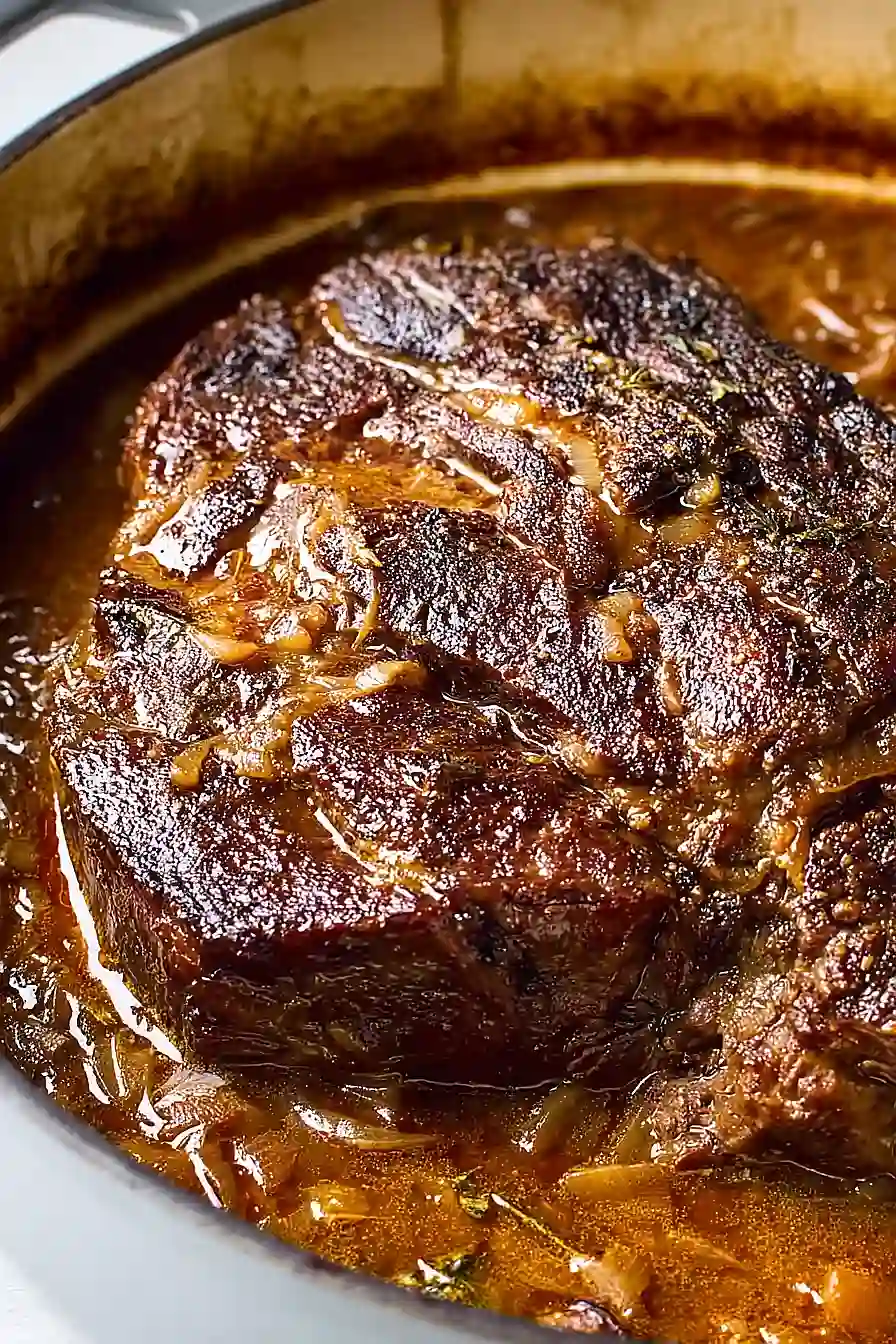
Finding a dinner recipe that feels both weeknight-friendly and special enough for company can be tricky. You want something that doesn’t require hours in the kitchen, but still looks impressive when you set it on the table, and let’s be honest – it gets even more complicated when you’re trying to please picky eaters.
Thankfully, this pork tenderloin with cranberry sauce hits all the right notes: it’s simple enough for a Tuesday night, elegant enough for guests, and the sweet-tart cranberry sauce appeals to just about everyone at the table.
Why You’ll Love This Pork Tenderloin
- Quick weeknight dinner – Ready in just 30-45 minutes, this recipe is perfect when you want something special but don’t have hours to spend in the kitchen.
- Simple ingredients – With just a handful of pantry staples and fresh rosemary, you can create a restaurant-quality meal at home without any fancy or hard-to-find ingredients.
- Sweet and savory flavors – The cranberry sauce paired with balsamic vinegar creates the perfect balance that complements the tender pork beautifully.
- Impressive presentation – This dish looks and tastes fancy enough for company but is easy enough for a regular Tuesday night dinner.
- One-pan cooking – Everything comes together in one pan, which means less cleanup and more time to enjoy your delicious meal.
What Kind of Pork Tenderloin Should I Use?
When shopping for pork tenderloin, you’ll want to look for a piece that’s about 8-10 ounces and has a nice pink color with minimal visible fat. Fresh pork tenderloin is your best bet, but frozen will work too – just make sure to thaw it completely in the refrigerator overnight before cooking. Try to choose a tenderloin that’s relatively uniform in thickness so it cooks evenly, and don’t worry if there’s a thin silver membrane on the outside since you can easily trim that off with a sharp knife. Most grocery stores carry pork tenderloin in the meat section, and it’s often sold in packages of two, so you can freeze the extra one for another meal.
Options for Substitutions
This pork tenderloin recipe is pretty forgiving when it comes to swaps:
- Pork tenderloin: If you can’t find tenderloin, pork chops or a small pork loin roast work well too. Just adjust your cooking time – chops will cook faster, while a roast needs more time.
- Fresh rosemary: No fresh rosemary? Use 1 teaspoon of dried rosemary instead, or try fresh thyme or sage for a different herb flavor.
- Chicken broth: Vegetable broth or even white wine can replace the chicken broth. If using wine, let it cook a bit longer to reduce the alcohol.
- Whole berry cranberry sauce: Jellied cranberry sauce works fine – just mash it up a bit with a fork. You could also use fresh cranberries with a tablespoon of sugar, though you’ll need to cook them longer until they pop.
- Balsamic vinegar: Red wine vinegar or apple cider vinegar can step in for the balsamic. Start with a bit less since they can be more tart.
- Butter: Olive oil works just as well for searing the pork, though you’ll miss that rich buttery flavor in the final dish.
Watch Out for These Mistakes While Cooking
The biggest mistake with pork tenderloin is overcooking it, which turns this naturally tender cut into a dry, chewy disappointment – use a meat thermometer and remove it from heat when it reaches 145°F, then let it rest for 5 minutes to finish cooking.
Don’t skip searing the tenderloin in the hot butter first, as this step creates a golden crust that locks in juices and adds flavor to your final dish.
When making the cranberry sauce, avoid cooking it on high heat which can cause the cranberries to break down too much and the sauce to become overly thick – medium heat works best to keep some texture.
Finally, make sure to let the pork rest after cooking before slicing, and always slice against the grain at an angle for the most tender pieces.
What to Serve With Pork Tenderloin?
This pork tenderloin with its sweet and tangy cranberry sauce pairs beautifully with roasted vegetables like Brussels sprouts, carrots, or sweet potatoes that can roast alongside the meat. Creamy mashed potatoes or garlic mashed cauliflower make perfect sides to soak up that delicious cranberry pan sauce. A simple green salad with mixed greens and a light vinaigrette helps balance out the richness of the dish. For a more festive spread, try serving it with wild rice pilaf or roasted asparagus for a complete and satisfying meal.
Storage Instructions
Refrigerate: Store your leftover pork tenderloin and cranberry sauce in the fridge for up to 3-4 days in an airtight container. I like to slice the pork before storing it since it makes reheating much easier and faster. The cranberry sauce actually gets even more flavorful after sitting overnight!
Freeze: This dish freezes really well for up to 3 months. Let everything cool completely, then wrap the pork tightly in plastic wrap or store in freezer-safe containers with the sauce on the side. I often make a double batch just so I can freeze half for busy weeknights.
Reheat: Warm up your pork gently in the oven at 300°F until heated through, or use the microwave on medium power to avoid drying it out. The cranberry sauce can be reheated separately on the stovetop or in the microwave. If the pork seems a bit dry, just spoon some extra sauce over it!
| Preparation Time | 10-15 minutes |
| Cooking Time | 20-30 minutes |
| Total Time | 30-45 minutes |
| Level of Difficulty | Medium |
Estimated Nutrition
Estimated nutrition for the whole recipe (without optional ingredients):
- Calories: 420-490
- Protein: 36-42 g
- Fat: 15-19 g
- Carbohydrates: 24-30 g
Ingredients
For the pork tenderloin:
- Salt, to taste
- Black pepper, to taste (freshly ground preferred)
- 1/2 tbsp butter (I use Kerrygold unsalted)
- 1 pork tenderloin (8-10 oz, room temperature before cooking)
For the cranberry sauce:
- 1/3 cup whole berry cranberry sauce (canned, I use Ocean Spray)
- 1/2 cup diced onion (about 1/4-inch pieces)
- 1 tbsp fresh rosemary (chopped, or 1 tsp dried)
- 1 tbsp butter
- 1/2 cup chicken broth
- 1 tbsp balsamic vinegar (adds depth and balances sweetness)
Step 1: Prepare and Sear the Pork Tenderloin
- 1/2 tbsp butter
- 1 pork tenderloin
- Salt, to taste
- Black pepper, to taste
Preheat your oven to 450°F.
Pat the room-temperature pork tenderloin dry with paper towels and season generously all over with salt and freshly ground black pepper.
Heat 1/2 tablespoon of butter in a large oven-safe skillet over medium-high heat until foaming.
Once the butter is hot, place the pork in the pan and sear for about 2 minutes on each side until golden brown all over.
This creates a flavorful crust that locks in juices—don’t skip this step even though we’ll finish it in the oven.
Step 2: Roast and Rest the Pork
Transfer the seared pork (still in the skillet) to the preheated 450°F oven and roast until it reaches an internal temperature of 155°F, about 10 minutes.
Remove from the oven and transfer the pork to a cutting board to rest for 5 minutes while you make the sauce—this resting period keeps the meat incredibly juicy by allowing the fibers to relax and retain their moisture.
Reserve the pan with any browned bits and juices for the sauce.
Step 3: Build the Cranberry Sauce Base
- 1 tbsp butter
- 1/2 cup diced onion
- 1 tbsp fresh rosemary
While the pork rests, melt 1 tablespoon of butter in the same skillet (with the reserved pan juices) over medium heat.
Add the diced onion and fresh rosemary, cooking for about 3 minutes, stirring occasionally, until the onion is soft and fragrant.
The residual heat and browned bits from the pork will naturally incorporate into the aromatics, building deeper flavor without extra effort.
Step 4: Combine and Reduce the Sauce
- 1/2 cup chicken broth
- 1/3 cup whole berry cranberry sauce
- 1 tbsp balsamic vinegar
- Salt, to taste
- Black pepper, to taste
Add the chicken broth, whole berry cranberry sauce, and balsamic vinegar to the onion-rosemary mixture.
Stir well and bring to a simmer.
Let the sauce bubble gently for about 6 minutes, stirring occasionally, until it thickens and the flavors meld together.
The balsamic vinegar adds a sophisticated depth that balances the sweetness of the cranberries—I find it transforms a one-note sauce into something truly special.
Taste and adjust seasoning with salt and pepper as needed.
Step 5: Finish and Plate
Slice the rested pork tenderloin against the grain into 1/2-inch thick slices.
Arrange on a serving plate and spoon the warm cranberry sauce over the top or alongside.
Any accumulated juices from the resting pork can also be drizzled over the sauce for extra richness.