If you ask me, cottage cheese is one of the smartest swaps you can make in the kitchen.
This protein-packed Alfredo sauce gives you all the creamy comfort of the classic without the heavy feeling afterward. The cottage cheese blends right into the milk and parmesan, creating a sauce that coats your pasta just like the traditional version.
It comes together in one pan with simple pantry seasonings like garlic powder and nutmeg. Add your favorite cooked pasta, whatever protein you have on hand, and some vegetables for a complete meal.
It’s an easy weeknight dinner that feels a little fancy, perfect for when you want comfort food that doesn’t slow you down.
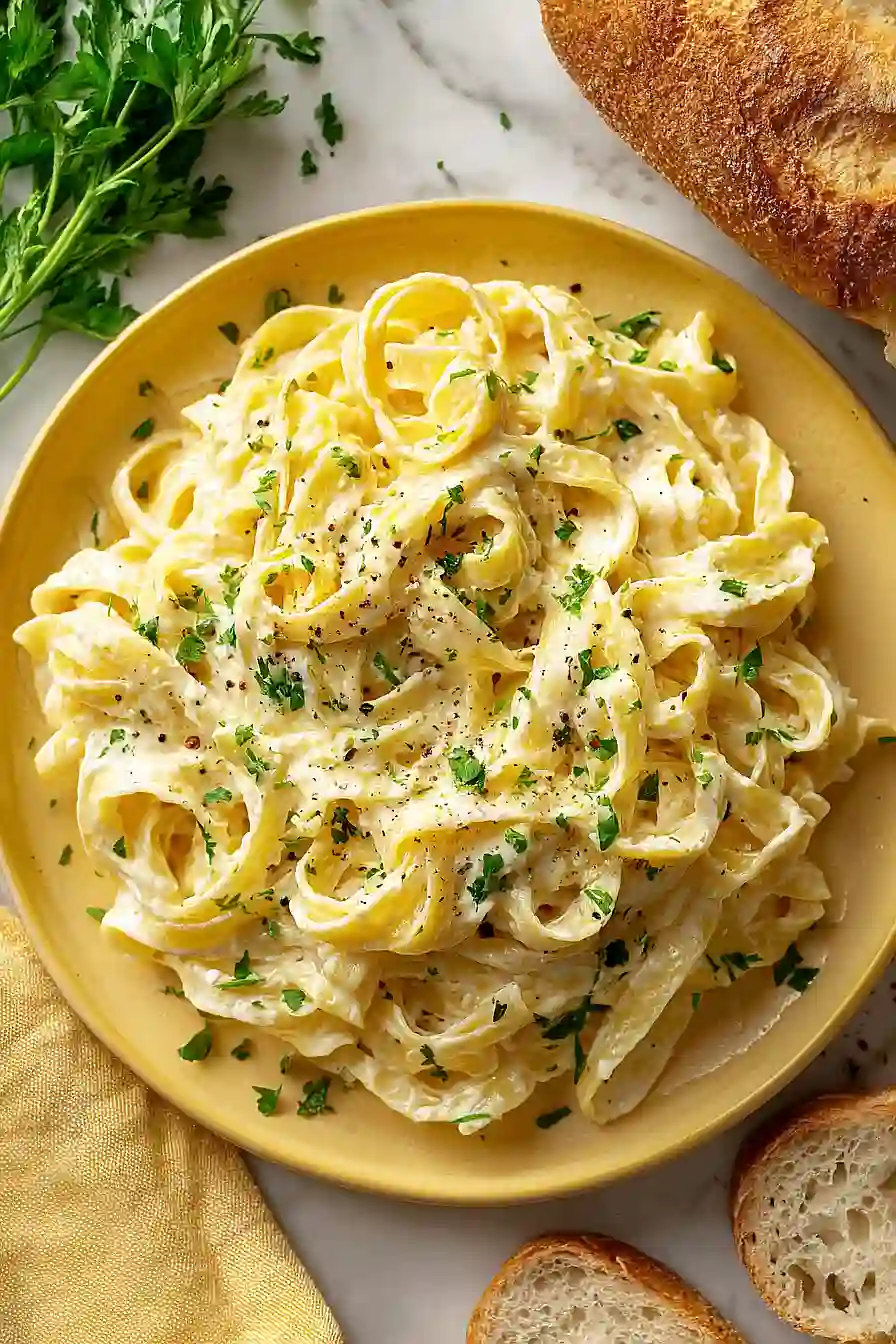
Why You’ll Love This Cottage Cheese Alfredo Pasta
- High-protein twist on a classic – The cottage cheese adds extra protein to your alfredo sauce without sacrificing that creamy texture you crave.
- Ready in under 30 minutes – This is perfect for busy weeknights when you need something satisfying on the table fast.
- Lighter than traditional alfredo – You get all the creamy, cheesy goodness with less heavy cream and butter, making it a bit easier on your waistline.
- Simple pantry ingredients – No fancy ingredients needed here—just everyday staples you probably already have in your kitchen.
- Customizable – Add your favorite protein like chicken or shrimp, toss in some veggies, and make it your own.
What Kind of Cottage Cheese Should I Use?
Any cottage cheese you have in your fridge will work great for this Alfredo sauce. Small curd cottage cheese tends to blend more smoothly and creates a creamier sauce, but large curd works just fine too – it’ll break down as you blend or cook it. You can use full-fat, low-fat, or even fat-free cottage cheese depending on your preference, though full-fat will give you the richest, creamiest result. The beauty of this recipe is that the cottage cheese gets blended into the sauce, so you won’t even know it’s there – it just adds protein and helps create that classic Alfredo creaminess without all the heavy cream.
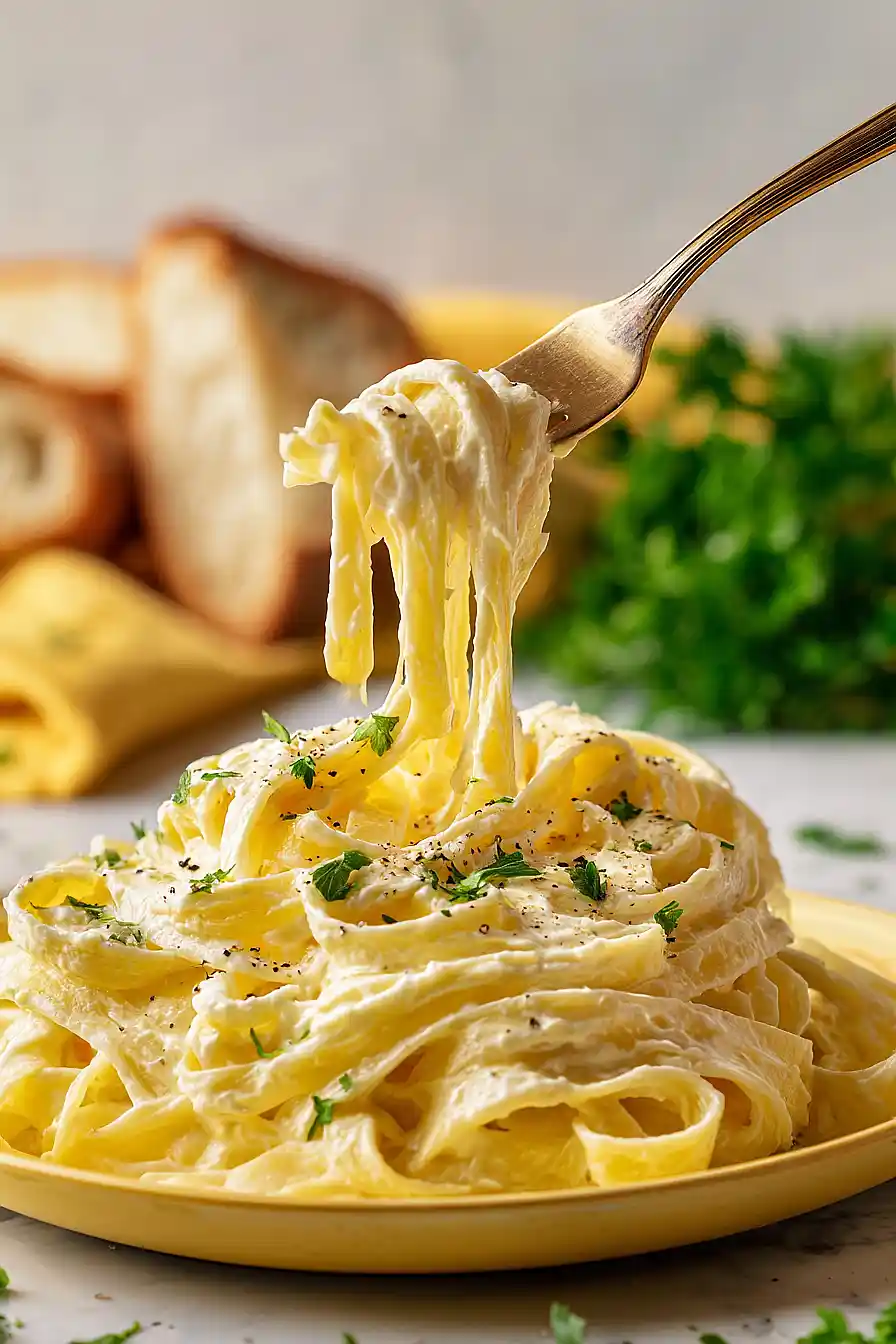
Options for Substitutions
This lighter take on alfredo is pretty forgiving when it comes to swaps:
- Cottage cheese: This is the star of the show and really shouldn’t be substituted – it’s what makes this a healthier alfredo alternative. For the smoothest sauce, blend it well before adding to your pasta.
- Milk: You can use any milk you have on hand – whole milk makes it creamier, but 2% or even unsweetened almond milk work too. Just keep in mind that lower-fat options will make a thinner sauce.
- Parmesan: Freshly grated parmesan is best, but pre-shredded works in a pinch. You could also try pecorino romano for a sharper, saltier flavor – just reduce the added salt a bit.
- Cornstarch: If you’re out of cornstarch, use 2 tablespoons of all-purpose flour instead. Mix it with a bit of cold milk before adding to prevent lumps.
- Pasta: Any pasta shape works here – fettuccine is traditional for alfredo, but penne, rigatoni, or even spaghetti are all good choices. Whole wheat or chickpea pasta are fine substitutes too.
- Herbs: Fresh or dried herbs both work. If using dried, use about 1/3 of the amount you’d use for fresh since dried herbs are more concentrated.
Watch Out for These Mistakes While Cooking
The biggest mistake when making cottage cheese Alfredo is cooking the sauce over high heat, which can cause it to separate and become grainy – stick to medium-low heat and stir constantly for a smooth, creamy result.
Many people add the pasta too early before the sauce has properly thickened, so make sure to let it simmer for the full 5 minutes until it coats the back of a spoon.
If your sauce seems too thick after adding the pasta, don’t panic – just add a splash of pasta water (not regular water) to loosen it up, since the starch in pasta water helps the sauce cling better to the noodles.
Finally, avoid skipping the blending step or leaving it chunky, as a fully smooth mixture is what gives you that restaurant-quality Alfredo texture instead of a lumpy mess.

What to Serve With Cottage Cheese Alfredo Pasta?
Since this pasta is already pretty rich and creamy, I like to serve it with something fresh and light on the side. A simple Caesar salad or mixed greens with a lemon vinaigrette cuts through the creaminess really nicely. Garlic bread is always a good call if you want to keep things classic, and it’s perfect for anyone who wants a little extra carbs with their meal. If you added chicken or shrimp to your pasta, you’re pretty much set with just a side salad, but if you kept it vegetarian, some roasted broccoli or sautéed spinach on the side adds a nice pop of color and nutrition.
Storage Instructions
Refrigerate: Store your leftover cottage cheese alfredo in an airtight container in the fridge for up to 4 days. The sauce might thicken up a bit as it sits, but that’s totally normal. I like to add a splash of milk when reheating to bring back that creamy consistency.
Freeze: You can freeze this pasta for up to 2 months in a freezer-safe container. Just know that cream-based sauces can sometimes separate a little when frozen, but a good stir while reheating usually fixes it right up.
Reheat: Warm it up on the stovetop over medium-low heat with a splash of milk or pasta water, stirring occasionally until heated through. If you’re using the microwave, heat it in 30-second intervals on medium power, stirring between each round to keep the sauce smooth and creamy.
| Preparation Time | 10-15 minutes |
| Cooking Time | 10-15 minutes |
| Total Time | 20-30 minutes |
| Level of Difficulty | Easy |
| Servings | 2 servings |
Estimated Nutrition
Estimated nutrition for the whole recipe (without optional ingredients):
- Calories: 375-425
- Protein: 26-32 g
- Fat: 14-18 g
- Carbohydrates: 30-36 g
Ingredients
For the sauce:
- 1.25 cups milk (I use Fairlife for higher protein and a creamier texture)
- 0.75 cup cottage cheese (I prefer Good Culture for a better salt balance)
- 1 tbsp cornstarch
- 1/4 tsp salt
- 1/8 tsp pepper
- 1/2 tsp garlic powder
- 1/8 tsp ground nutmeg
- 1/2 cup parmesan (freshly grated from a block for a smoother melt)
- dried basil
- dried oregano
For the assembly:
- prepared pasta (cooked al dente to prevent it from getting mushy in the sauce)
- prepared meat
- prepared vegetables
- fresh parsley
Step 1: Blend the Sauce Base Until Silky Smooth
- 1.25 cups milk
- 0.75 cup cottage cheese
- 1 tbsp cornstarch
- 1/4 tsp salt
- 1/8 tsp pepper
- 1/2 tsp garlic powder
- 1/8 tsp ground nutmeg
- 1/2 cup parmesan
Combine the milk, cottage cheese, cornstarch, salt, pepper, garlic powder, and nutmeg in a blender.
Blend on high speed for 60-90 seconds until the mixture is completely smooth with no visible cottage cheese curds—this creates the creamy foundation of the sauce.
The cornstarch will thicken the sauce as it heats, while blending ensures a silky texture rather than a grainy one.
Add the freshly grated parmesan and blend for another 10-15 seconds just until combined, being careful not to overblend as this can affect the cheese texture.
Step 2: Cook and Thicken the Sauce
- blended sauce base from Step 1
- dried basil
- dried oregano
Pour the blended sauce mixture into a medium pot and place it over medium-low heat.
Stir frequently with a whisk or wooden spoon as the sauce heats—this prevents sticking and ensures even cooking.
Once the sauce reaches a gentle simmer and begins to steam, reduce the heat to low and add the dried basil and oregano, stirring well to distribute the herbs.
I like to taste the sauce at this point and adjust seasoning with extra salt, pepper, or herbs as needed since cottage cheese brands vary in saltiness.
Simmer on low for 5 minutes, stirring occasionally, until the sauce thickens enough to coat the back of a spoon—the cornstarch will continue thickening as it cooks.
Step 3: Combine Pasta with Sauce and Finish
- thickened sauce from Step 2
- prepared pasta
Add the prepared al dente pasta to the thickened sauce and gently stir to coat each strand evenly.
Cook together over low heat for 2-3 minutes, stirring gently to prevent the pasta from sticking and to ensure the sauce coats everything evenly.
I find that this brief cook time allows the pasta to absorb some of the sauce’s flavor while staying tender.
If the sauce seems too thick, thin it with a splash of milk (1-2 tablespoons at a time) until you reach your desired consistency.
Step 4: Plate and Garnish
- pasta with sauce from Step 3
- prepared meat
- prepared vegetables
- fresh parsley
Transfer the pasta to serving bowls or plates.
Top each serving with the prepared meat and vegetables, and finish with a sprinkle of fresh parsley for brightness and color.
Serve immediately while the sauce is still warm and creamy.

Mouthwatering Cottage Cheese Alfredo Pasta
Ingredients
For the sauce
- 1.25 cups milk (I use Fairlife for higher protein and a creamier texture)
- 0.75 cup cottage cheese (I prefer Good Culture for a better salt balance)
- 1 tbsp cornstarch
- 1/4 tsp salt
- 1/8 tsp pepper
- 1/2 tsp garlic powder
- 1/8 tsp ground nutmeg
- 1/2 cup parmesan (freshly grated from a block for a smoother melt)
- dried basil
- dried oregano
For the assembly
- prepared pasta (cooked al dente to prevent it from getting mushy in the sauce)
- prepared meat
- prepared vegetables
- fresh parsley
Instructions
- Combine the milk, cottage cheese, cornstarch, salt, pepper, garlic powder, and nutmeg in a blender. Blend on high speed for 60-90 seconds until the mixture is completely smooth with no visible cottage cheese curds—this creates the creamy foundation of the sauce. The cornstarch will thicken the sauce as it heats, while blending ensures a silky texture rather than a grainy one. Add the freshly grated parmesan and blend for another 10-15 seconds just until combined, being careful not to overblend as this can affect the cheese texture.
- Pour the blended sauce mixture into a medium pot and place it over medium-low heat. Stir frequently with a whisk or wooden spoon as the sauce heats—this prevents sticking and ensures even cooking. Once the sauce reaches a gentle simmer and begins to steam, reduce the heat to low and add the dried basil and oregano, stirring well to distribute the herbs. I like to taste the sauce at this point and adjust seasoning with extra salt, pepper, or herbs as needed since cottage cheese brands vary in saltiness. Simmer on low for 5 minutes, stirring occasionally, until the sauce thickens enough to coat the back of a spoon—the cornstarch will continue thickening as it cooks.
- Add the prepared al dente pasta to the thickened sauce and gently stir to coat each strand evenly. Cook together over low heat for 2-3 minutes, stirring gently to prevent the pasta from sticking and to ensure the sauce coats everything evenly. I find that this brief cook time allows the pasta to absorb some of the sauce's flavor while staying tender. If the sauce seems too thick, thin it with a splash of milk (1-2 tablespoons at a time) until you reach your desired consistency.
- Transfer the pasta to serving bowls or plates. Top each serving with the prepared meat and vegetables, and finish with a sprinkle of fresh parsley for brightness and color. Serve immediately while the sauce is still warm and creamy.