Finding a cheesecake recipe that’s both delicious and a bit lighter can feel impossible. Traditional cheesecakes are loaded with cream cheese and sugar, which makes them incredibly rich—but not exactly something you want to eat regularly. And if you’re trying to keep things somewhat healthier without sacrificing flavor, the options get pretty limited.
That’s where this cottage cheese cheesecake comes in. By swapping some of the cream cheese for cottage cheese and using monk fruit instead of regular sugar, you get all that creamy, tangy cheesecake goodness with a little less guilt. Plus, it’s surprisingly easy to make and tastes just as indulgent as the classic version.
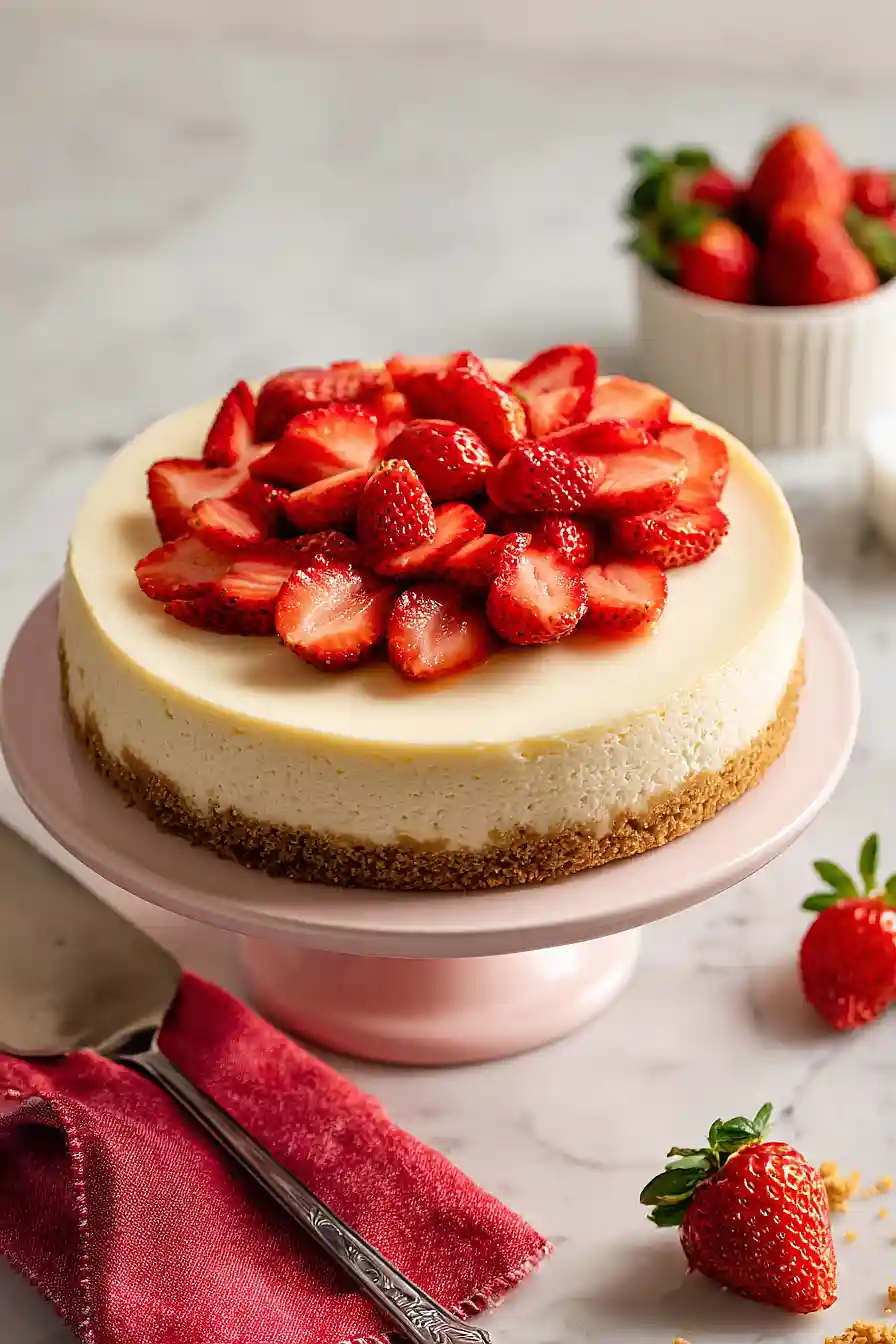
Why You’ll Love This Cottage Cheese Cheesecake
- High-protein dessert – The cottage cheese packs extra protein into every slice, making this cheesecake a more nutritious option than traditional versions.
- Lower in sugar – Using monk fruit sweetener instead of regular sugar means you can enjoy a sweet treat without the sugar crash.
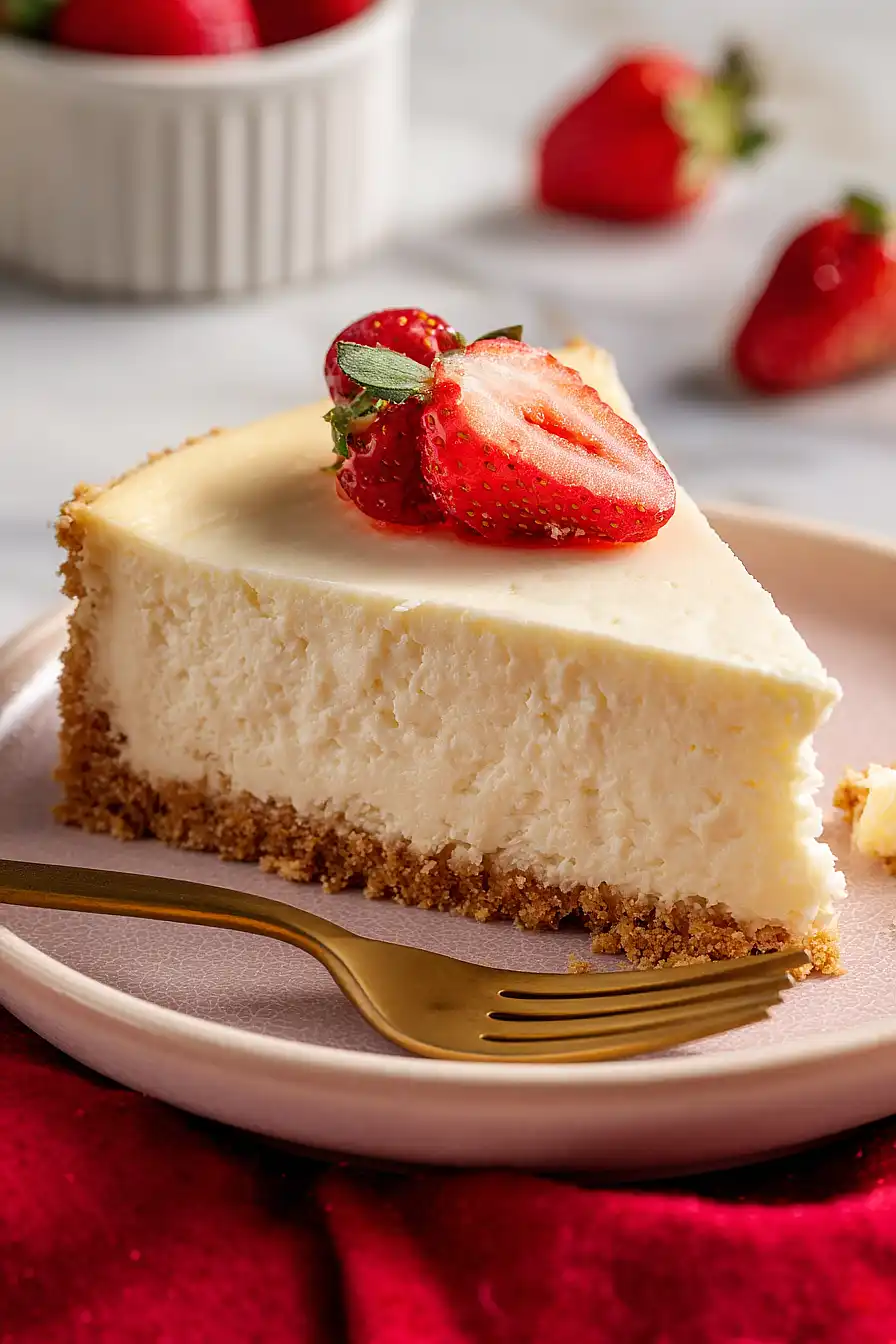
- Creamy texture – The combination of cottage cheese and cream cheese creates a smooth, rich filling that tastes just as good as classic cheesecake.
- Simple ingredients – You probably have most of these items in your kitchen already, making it easy to whip up whenever a cheesecake craving hits.
- Ready in about an hour – From start to finish, this cheesecake comes together quickly for a homemade dessert that doesn’t require hours of your time.
What Kind of Cottage Cheese Should I Use?
For this cheesecake, you’ll want to use full-fat cottage cheese to get that creamy, rich texture that makes cheesecake so good. Small curd cottage cheese is your best bet here since it blends more smoothly and won’t leave you with a lumpy filling. If you can only find large curd, don’t worry – just blend it really well in your food processor or blender until it’s completely smooth before mixing it with the other ingredients. Some people like to strain their cottage cheese through a fine mesh sieve to remove excess liquid, which can help prevent your cheesecake from getting watery.
Options for Substitutions
This cheesecake recipe is pretty forgiving when it comes to swaps:
- Graham crackers: You can use digestive biscuits, vanilla wafers, or even crushed Oreos for the crust. Just make sure to process them into fine crumbs before mixing with the butter.
- Monk fruit sweetener: Regular granulated sugar works perfectly if you don’t have monk fruit on hand. Use the same measurements, though keep in mind it will add more calories to your cheesecake.
- Cottage cheese: This is the star of the recipe, so I wouldn’t recommend substituting it. The cottage cheese gives this cheesecake its unique texture and protein boost. Make sure to blend it really well for a smooth filling.
- Cream cheese: You can use full-fat or reduced-fat cream cheese depending on your preference. Greek yogurt can work in a pinch, but the texture will be slightly different and more tangy.
- Lemon zest: Orange zest makes a nice alternative, or you can skip the citrus altogether if you prefer a more traditional vanilla flavor.
- Vanilla essence: Vanilla extract works just as well. If using extract instead of essence, you might want to use slightly less since extract tends to be more concentrated.
Watch Out for These Mistakes While Baking
The biggest mistake with cottage cheese cheesecake is not blending the cottage cheese long enough – those curds need to be completely smooth, which can take 2-3 minutes in a blender or food processor, otherwise you’ll end up with a grainy texture instead of creamy.
Cracking on top is another common issue that happens when the cheesecake bakes too fast or cools too quickly, so try placing a pan of water on the lower oven rack to create steam and let the cheesecake cool gradually in the oven with the door cracked open for 30 minutes after baking.
Don’t skip chilling the cheesecake for the full 4 hours (or overnight is even better) because it needs that time to fully set, and cutting into it too early will leave you with a messy, runny slice.
Finally, make sure your cream cheese is truly softened to room temperature before blending – cold cream cheese creates lumps that are tough to smooth out and can ruin the silky texture you’re going for.

What to Serve With Cottage Cheese Cheesecake?
This cheesecake is pretty rich on its own, so I like to keep the toppings simple and fresh. A mix of berries like strawberries, blueberries, and raspberries works perfectly – just toss them with a tiny bit of lemon juice to brighten them up. You could also go with a homemade berry compote if you want something a bit warmer and saucier, or even just some sliced peaches or cherries depending on what’s in season. For an extra special touch, a dollop of whipped cream or a drizzle of honey adds a nice finishing element without overpowering the tangy cheesecake flavor.
Storage Instructions
Store: This cheesecake keeps really well in the fridge for up to 5 days. Just cover it tightly with plastic wrap or keep it in an airtight container. I actually think it tastes even better the next day after the flavors have had time to settle in!
Freeze: You can freeze slices of this cheesecake for up to 2 months. Wrap each piece individually in plastic wrap, then place them in a freezer bag. This way you can grab a single serving whenever a craving hits without defrosting the whole thing.
Serve: Let frozen slices thaw in the fridge overnight for the best texture. If you’re adding fresh fruit on top, wait until just before serving so it stays nice and fresh. The cheesecake is delicious cold straight from the fridge!
| Preparation Time | 20-30 minutes |
| Cooking Time | 45-50 minutes |
| Total Time | 65-80 minutes |
| Level of Difficulty | Medium |
| Servings | 8 slices |
Estimated Nutrition
Estimated nutrition for the whole recipe (without optional ingredients):
- Calories: 950-1100
- Protein: 55-65 g
- Fat: 55-65 g
- Carbohydrates: 65-75 g
Ingredients
For the crust:
- 7 graham crackers (pulverized into fine crumbs)
- 4 tbsp monk fruit
- 4 tbsp butter (I like Kerrygold unsalted butter for this)
For the filling:
- 8 oz cream cheese (softened to room temperature, about 70°F)
- 2 1/3 cups cottage cheese (I use Good Culture for a thicker texture)
- 1 tsp lemon zest
- 2 eggs
- 1/2 cup monk fruit
- 2 tsp flour (I always use King Arthur all-purpose flour)
- 1 tbsp vanilla
- 1/4 tsp salt
For the topping:
- fresh fruit
Step 1: Prepare the Pan and Preheat the Oven
Line a 9-inch springform pan with parchment paper and lightly spray the sides with cooking spray to prevent sticking.
Preheat your oven to 350°F so it reaches the proper temperature by the time you’re ready to bake.
This ensures even, consistent baking throughout the cheesecake.
Step 2: Make and Press the Graham Cracker Crust
- 7 graham crackers
- 4 tbsp butter
- 4 tbsp monk fruit
Pulse the graham crackers in a food processor until they reach a fine crumb consistency, then add the butter and 4 tablespoons of monk fruit and pulse until the mixture resembles wet sand and holds together when squeezed.
Transfer to your prepared pan and press firmly into an even layer across the bottom, using the bottom of a measuring cup to compact it well.
This creates a sturdy foundation that won’t crumble when you cut into the finished cheesecake.
Step 3: Blend the Cheese Filling Base
- 8 oz cream cheese
- 2 1/3 cups cottage cheese
- 1 tsp lemon zest
Add the softened cream cheese, cottage cheese, and lemon zest to a blender and blend on medium speed for 2-3 minutes until completely smooth with no lumps remaining.
I find that Good Culture cottage cheese creates a naturally thicker texture that blends beautifully without making the filling grainy, which is key to that creamy cheesecake texture.
Take your time with this step—a silky smooth base is what separates a great cheesecake from a mediocre one.
Step 4: Combine Wet and Dry Ingredients
- cheese mixture from Step 3
- 2 eggs
- 1 tbsp vanilla
- 1/2 cup monk fruit
- 2 tsp flour
- 1/4 tsp salt
Add the eggs, vanilla, 1/2 cup monk fruit, flour, and salt to the blended cheese mixture and blend on low speed for just 30-45 seconds until everything is combined and no streaks of unmixed ingredients remain.
Be careful not to overmix, as this can incorporate excess air and lead to cracks on top of the cheesecake.
The batter should be smooth and pourable.
Step 5: Bake the Cheesecake
- crust from Step 2
- filling batter from Step 4
Pour the batter from Step 4 over the crust in your prepared pan, smoothing the top gently with a spatula.
Bake for 45 minutes—the cheesecake should be set around the edges but still have a slight jiggle in the center about 2 inches from the edge when you gently shake the pan.
The residual heat will continue to cook the center as it cools, creating that perfect creamy texture throughout.
Step 6: Cool and Chill the Cheesecake
Remove the cheesecake from the oven and let it cool on a wire rack at room temperature for at least 30 minutes to prevent thermal shock.
Once cooled completely, transfer it to the refrigerator and chill for at least 4 hours, though overnight is ideal for the best flavor development and texture.
The cheesecake will firm up considerably during chilling and be much easier to slice.
Step 7: Serve with Fresh Fruit Toppings
- chilled cheesecake from Step 6
- fresh fruit
Run a thin knife around the edges of the cheesecake and carefully release the springform pan sides.
Top each slice with fresh fruit just before serving to keep the fruit bright and prevent any juices from soaking into the cake.
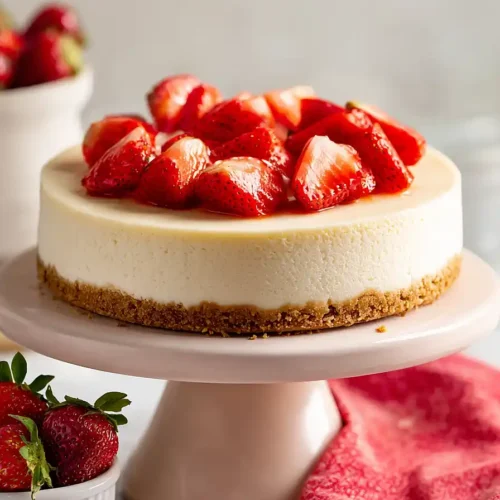
Mouthwatering Cottage Cheese Cheesecake
Ingredients
For the crust::
- 7 graham crackers (pulverized into fine crumbs)
- 4 tbsp monk fruit
- 4 tbsp butter (I like Kerrygold unsalted butter for this)
For the filling::
- 8 oz cream cheese (softened to room temperature, about 70°F)
- 2 1/3 cups cottage cheese (I use Good Culture for a thicker texture)
- 1 tsp lemon zest
- 2 eggs
- 1/2 cup monk fruit
- 2 tsp flour (I always use King Arthur all-purpose flour)
- 1 tbsp vanilla
- 1/4 tsp salt
For the topping::
- fresh fruit
Instructions
- Line a 9-inch springform pan with parchment paper and lightly spray the sides with cooking spray to prevent sticking. Preheat your oven to 350°F so it reaches the proper temperature by the time you're ready to bake. This ensures even, consistent baking throughout the cheesecake.
- Pulse the graham crackers in a food processor until they reach a fine crumb consistency, then add the butter and 4 tablespoons of monk fruit and pulse until the mixture resembles wet sand and holds together when squeezed. Transfer to your prepared pan and press firmly into an even layer across the bottom, using the bottom of a measuring cup to compact it well. This creates a sturdy foundation that won't crumble when you cut into the finished cheesecake.
- Add the softened cream cheese, cottage cheese, and lemon zest to a blender and blend on medium speed for 2-3 minutes until completely smooth with no lumps remaining. I find that Good Culture cottage cheese creates a naturally thicker texture that blends beautifully without making the filling grainy, which is key to that creamy cheesecake texture. Take your time with this step—a silky smooth base is what separates a great cheesecake from a mediocre one.
- Add the eggs, vanilla, 1/2 cup monk fruit, flour, and salt to the blended cheese mixture and blend on low speed for just 30-45 seconds until everything is combined and no streaks of unmixed ingredients remain. Be careful not to overmix, as this can incorporate excess air and lead to cracks on top of the cheesecake. The batter should be smooth and pourable.
- Pour the batter from Step 4 over the crust in your prepared pan, smoothing the top gently with a spatula. Bake for 45 minutes—the cheesecake should be set around the edges but still have a slight jiggle in the center about 2 inches from the edge when you gently shake the pan. The residual heat will continue to cook the center as it cools, creating that perfect creamy texture throughout.
- Remove the cheesecake from the oven and let it cool on a wire rack at room temperature for at least 30 minutes to prevent thermal shock. Once cooled completely, transfer it to the refrigerator and chill for at least 4 hours, though overnight is ideal for the best flavor development and texture. The cheesecake will firm up considerably during chilling and be much easier to slice.
- Run a thin knife around the edges of the cheesecake and carefully release the springform pan sides. Top each slice with fresh fruit just before serving to keep the fruit bright and prevent any juices from soaking into the cake.